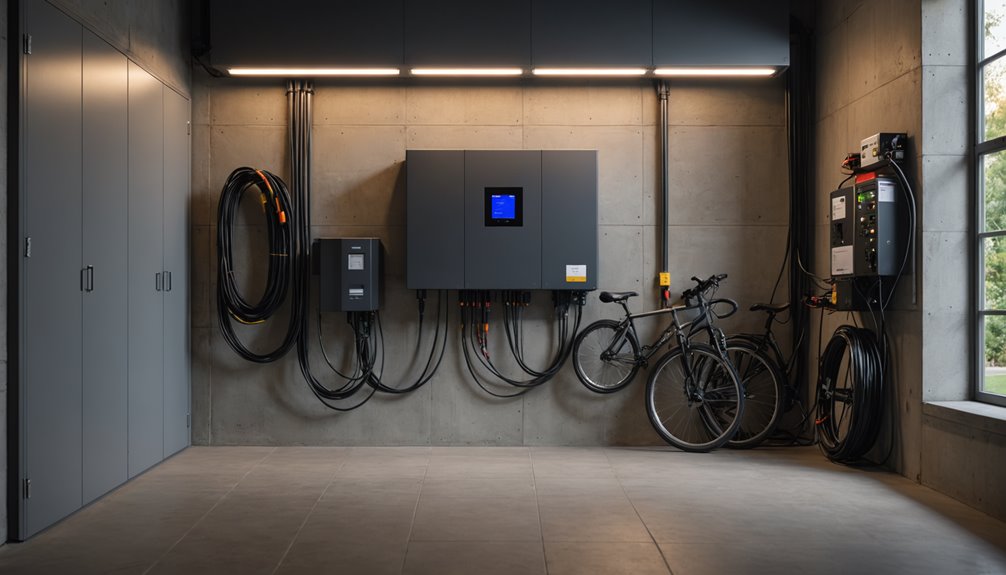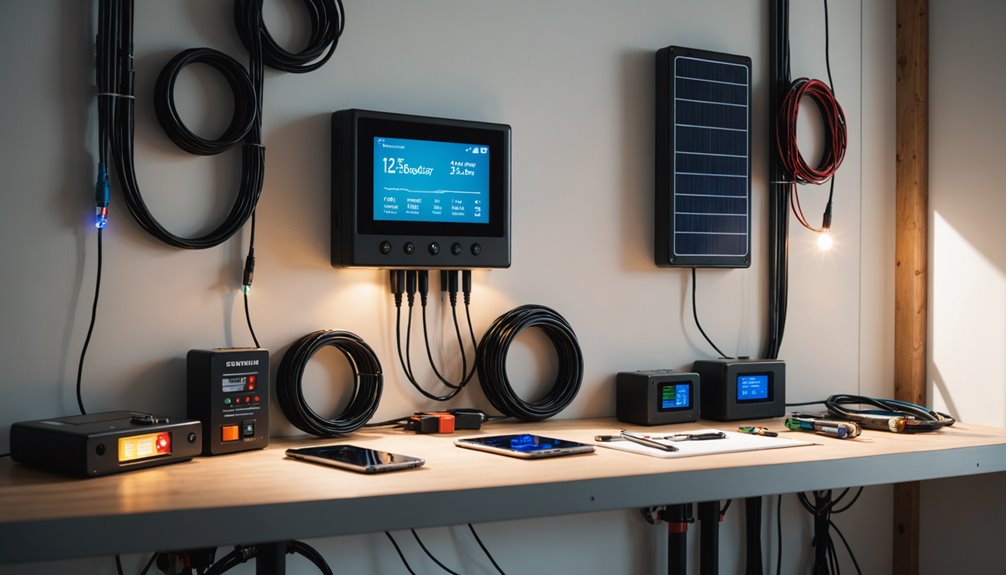

During a power outage, a battery backup system can support a range of household appliances, though its capacity depends on the total wattage of connected devices and the energy storage capacity of the system itself.
Low-power devices are the most practical candidates for battery backup use. These include LED lighting, smartphones and laptops, internet routers, and small fans. Such devices typically draw between 5 and 50 watts, allowing a mid-range battery backup system to power them for several hours.
Medium-draw appliances, such as refrigerators, window air conditioning units, and sump pumps, require more careful consideration. A standard refrigerator consumes roughly 100 to 400 watts during operation, though startup surges can temporarily double that figure.
Battery backup systems rated at 1,000 to 2,000 watt-hours can run a refrigerator for a limited period, typically between two and eight hours depending on usage cycles.
High-wattage appliances, including electric stoves, clothes dryers, central air conditioning systems, and electric water heaters, generally exceed what most residential battery backup systems can sustain. These devices often require 3,000 watts or more, making them impractical for battery-powered operation without a large-scale energy storage installation.
Effective use of a battery backup system involves calculating the combined wattage of intended devices, accounting for surge wattage at startup, and prioritizing essential appliances.
Matching system capacity to realistic energy demands produces the most reliable results.
Key Takeaways
Battery backup systems are well-suited for powering essential low-to-medium wattage household appliances, including refrigerators, LED lighting, Wi-Fi routers, garage door openers, and medical devices such as CPAP machines. These devices draw relatively modest amounts of power, making them practical candidates for battery-supported operation during outages.
High-wattage appliances, including central air conditioners, electric dryers, ovens, and electric vehicle chargers, are generally incompatible with standard battery backup systems. Their substantial energy demands would deplete battery reserves rapidly and may exceed the system’s rated output capacity entirely.
A 10 kWh battery system, under typical conditions, can sustain a refrigerator for approximately 14 hours. This estimate assumes consistent draw without accounting for door usage frequency or ambient temperature, both of which influence actual consumption.
Motor-driven appliances require particular attention during capacity planning. The startup wattage for such devices often reaches two to three times their rated running wattage, which can place significant short-term strain on a battery system and potentially trigger overload protections if the surge demand is not accounted for.
Managing appliance usage by avoiding simultaneous operation of multiple devices and prioritizing lower-draw essentials will extend the effective runtime of a battery backup system. This approach is especially relevant during extended outages when energy conservation directly affects how long critical systems remain operational.
Which Appliances Are Compatible With Battery Backup?
Battery backup systems are compatible with a specific range of appliances, primarily those with lower power consumption. Refrigerators typically draw between 100-150 watts during operation, making them viable candidates for battery backup power. LED lighting, Wi-Fi routers, and garage door openers similarly fall within manageable wattage ranges that a battery backup system can sustain for reasonable durations.
Medical devices, such as CPAP machines or home oxygen concentrators, are also compatible with battery backup systems and are often considered priority loads due to their critical function.
The compatibility of an appliance with a battery backup system depends largely on its wattage requirements relative to the system’s capacity. High-draw appliances, including central air conditioners, electric dryers, and electric water heaters, draw substantially more power and will deplete battery reserves at a rate that makes sustained operation impractical for most residential battery systems.
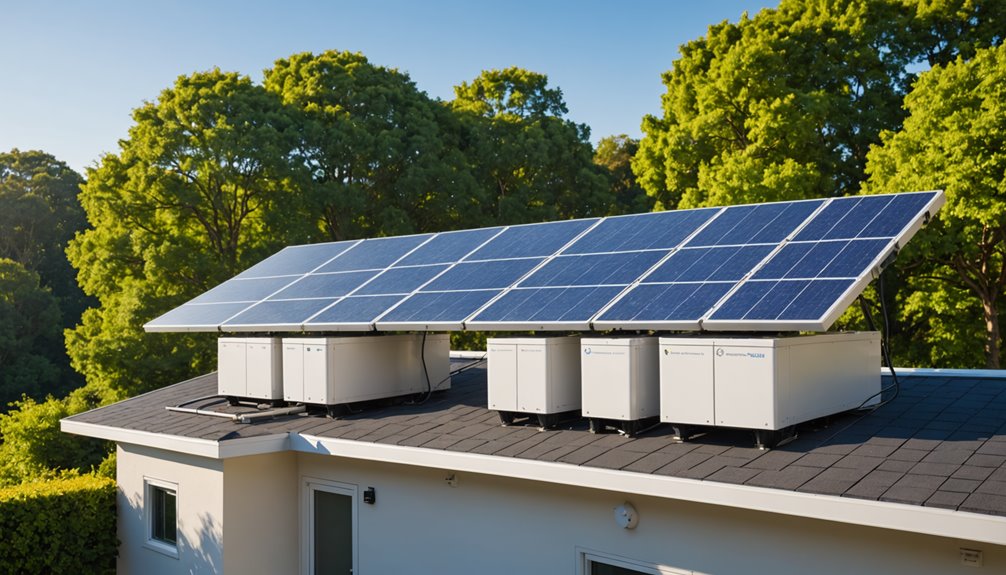
Battery backup systems can function as standalone units or in conjunction with solar panel installations. In either configuration, calculating the total wattage of intended loads against the system’s kilowatt-hour capacity determines how long connected appliances can operate during a power outage. This calculation should account for both the running wattage of each appliance and any startup surge requirements, which can temporarily exceed normal operating draw. For solar homes, pairing a battery backup system with panels can increase self-consumption rates from around 30% to over 80%, significantly extending the availability of stored energy for household appliances.
Appliances a Battery Backup System Can Power During an Outage
During a power outage, a battery backup system can sustain several essential appliances, helping to maintain basic functionality in a household. Devices commonly supported by these systems include refrigerators, Wi-Fi routers, LED lighting, and garage door openers. These appliances have relatively low power consumption, which allows stored energy to be used more efficiently over an extended period.
High-draw appliances such as air conditioners, electric dryers, and electric water heaters are generally not suitable for battery backup systems. These devices require significantly more energy, which would deplete stored capacity rapidly and reduce the system’s overall effectiveness during an outage.
Selecting which appliances to connect to a battery backup system requires consideration of both power consumption and necessity. Focusing on low-wattage, critical devices allows the system to operate more reliably for a longer duration. Understanding the watt-hour capacity of a battery backup system and the energy requirements of individual appliances is a practical step in determining which loads can be reasonably supported.
How Long Will a Battery Backup Power Your Appliances?
Battery backup runtime depends on the capacity of the battery and the combined wattage of the appliances drawing power from it. A 10 kWh battery, for example, can power a standard refrigerator consuming roughly 150 watts for approximately 14 hours under normal conditions. Adding other appliances reduces that runtime proportionally based on their power draw.
High-wattage appliances such as air conditioners, electric water heaters, and space heaters consume significantly more energy than low-wattage devices like LED lighting, Wi-Fi routers, or phone chargers. Running an air conditioner that draws 1,200 watts alongside a refrigerator would reduce total runtime to roughly two to three hours on the same 10 kWh battery, assuming no other loads.
To extend battery runtime during an outage, it is practical to identify which appliances are essential and limit use to those first. Non-critical devices should be used selectively or avoided until power is restored. Staggering appliance use rather than running multiple high-draw devices simultaneously also helps preserve available capacity.
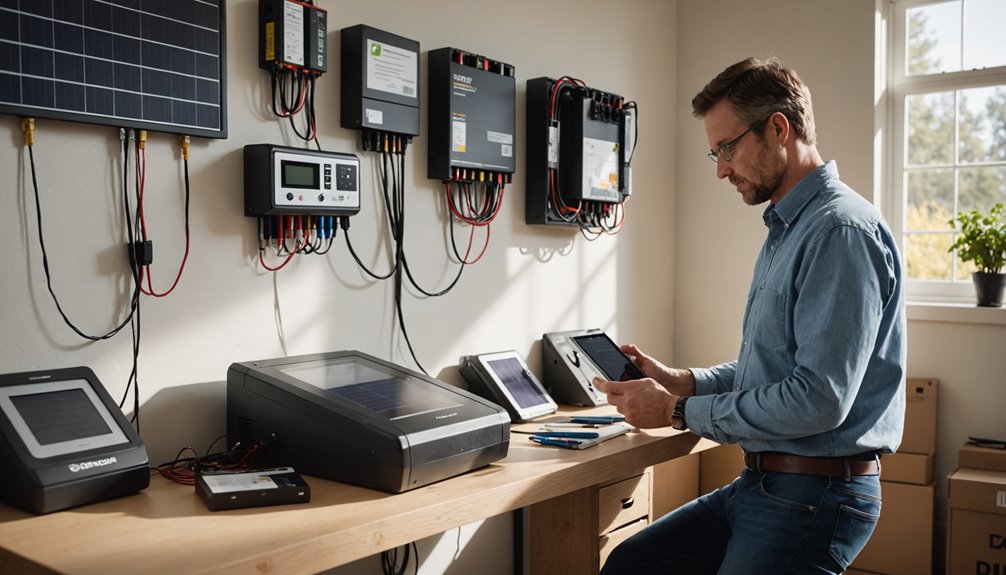
Monitoring total wattage in real time, through a smart energy management system or a basic watt meter, allows for more informed decisions about which loads to prioritize. Battery efficiency ratings and depth of discharge limits should also be factored in, as most batteries do not deliver their full rated capacity under all conditions.
High-Wattage Appliances That Can Drain Your Battery Fast
Certain appliances consume significantly more power than others, making them impractical to run during an outage when relying on battery backup. Air conditioners typically require 3,000–5,000 watts at startup, placing considerable strain on battery reserves. Electric ovens draw between 2,000–4,000 watts during operation, while EV chargers demand 7–12 kW, which can deplete battery capacity within a matter of hours. Pool pumps similarly exceed 2,000 watts of continuous draw.
When depending on a battery backup system, it is important to evaluate which appliances are essential and which can be temporarily suspended. Prioritizing lower-wattage loads helps extend the system’s runtime and reduces the risk of an unexpected shutdown. A clear understanding of each appliance’s power requirements allows for more effective energy management during outages.
How to Size a Battery Backup System for Your Appliances
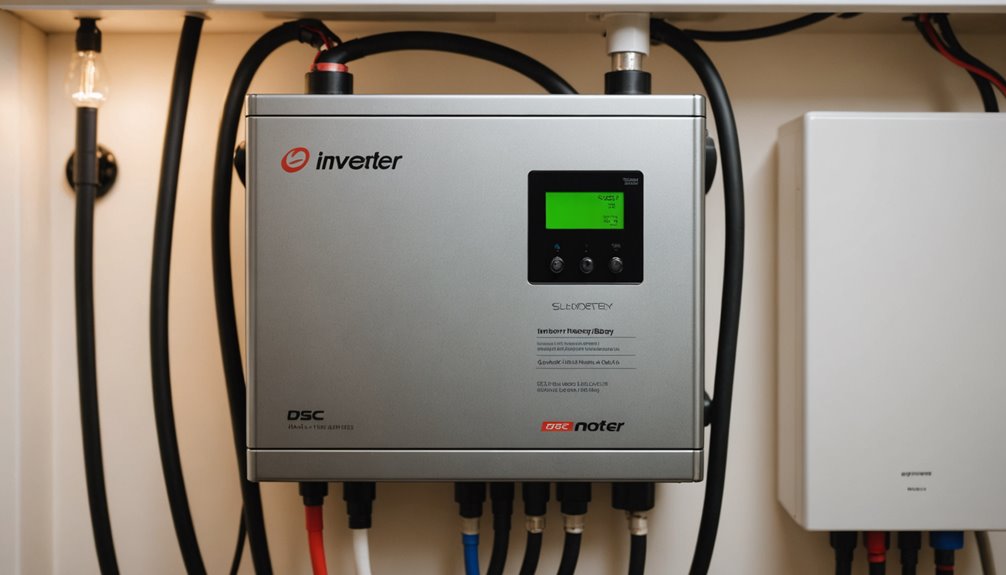
Sizing a battery backup system requires a systematic approach to match energy storage capacity with actual consumption needs. The first step involves calculating the combined wattage of all essential appliances that will draw from the system. This total must remain within the rated capacity of the inverter being used.
Motor-driven appliances, such as refrigerators and sump pumps, require particular attention because their startup wattage can reach two to three times their standard running wattage. Failing to account for this surge demand can overload an undersized inverter.
Daily energy consumption, measured in kilowatt-hours, should guide battery bank sizing. A typical residential backup system is rated around 10 kWh, though actual requirements vary based on the number and type of appliances being supported and the intended duration of backup power.
Prioritizing loads is a practical method for extending backup duration. Devices such as refrigerators, network routers, and LED lighting draw relatively low continuous power while serving critical functions. Less essential, high-draw appliances can be excluded or manually operated in limited intervals to reduce overall system strain.
Staggering the operation of high-wattage devices prevents simultaneous power spikes that could exceed inverter limits or accelerate battery depletion. This operational discipline, combined with accurate load calculations and appropriate component sizing, supports reliable system performance during outages.
Conclusion
Battery backup systems can power a range of household appliances, though runtime depends on battery capacity and device power consumption. Lower-wattage devices such as refrigerators (100-400 watts), LED lighting (5-15 watts per bulb), CPAP machines (30-60 watts), and phone or laptop chargers (20-100 watts) are generally well-suited for battery backup use.
High-wattage appliances present practical limitations. Air conditioners, electric ovens, water heaters, and electric dryers typically require 1,500-5,000 watts or more, which would deplete most residential battery systems within a short period, making them poor candidates for backup power.
Mid-range appliances such as televisions (50-200 watts), fans (50-100 watts), and small kitchen appliances (700-1,500 watts) can be run on battery backup systems, though with reduced runtime compared to lower-wattage devices.
System sizing is a determining factor in what can be run and for how long. A standard residential battery backup system with 10 kilowatt-hours of storage capacity could theoretically run a 100-watt refrigerator for up to 100 hours, while the same system would power a 3,000-watt air conditioner for only about three hours. Calculating the wattage requirements of intended appliances against available battery capacity provides a reliable method for determining practical runtime expectations.