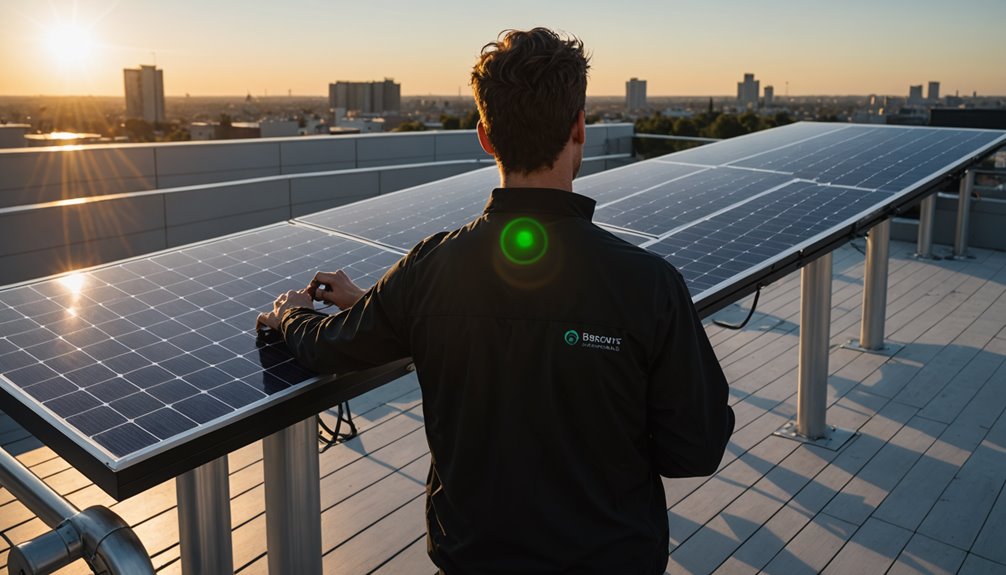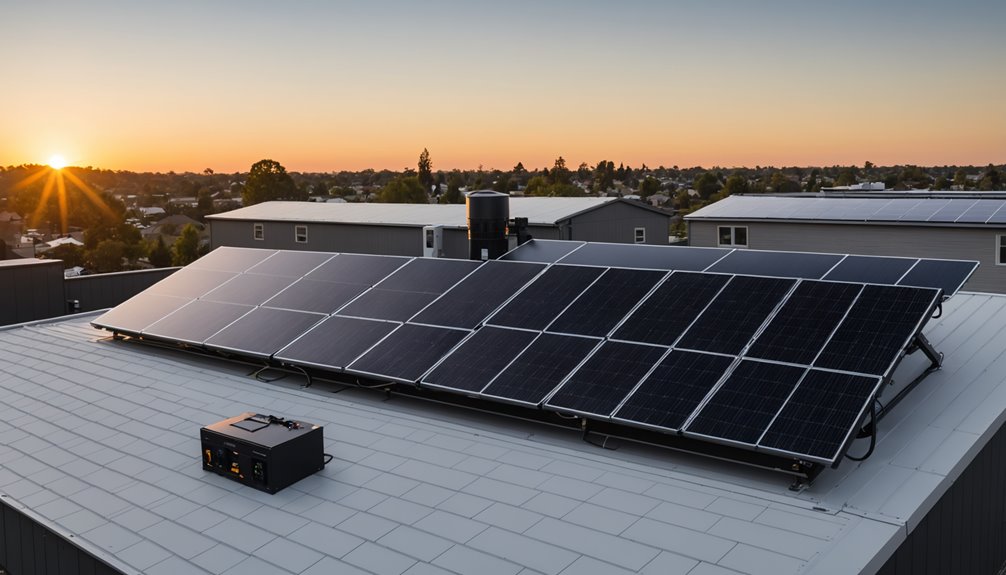
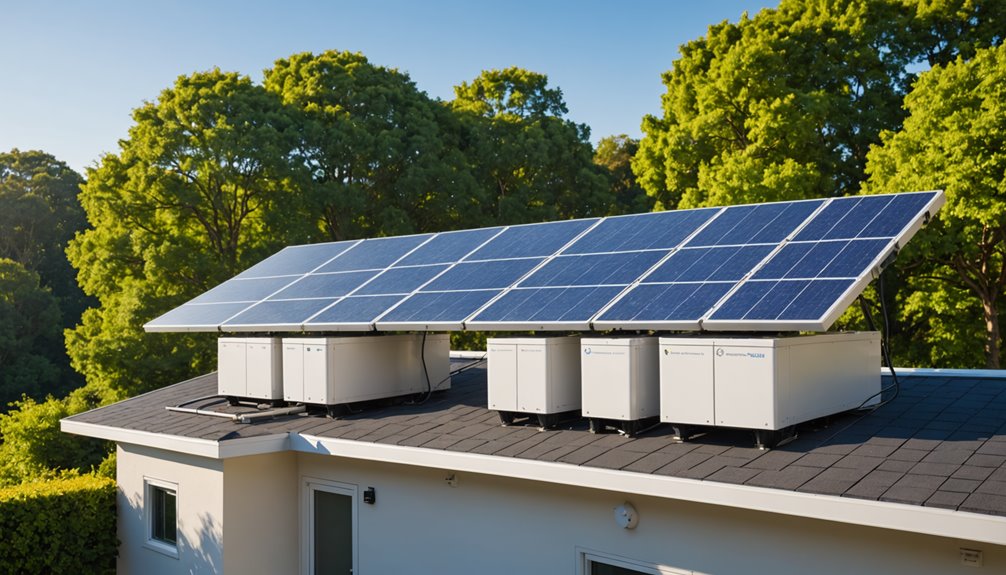
Solar battery storage is a practical addition to residential solar panel systems, allowing homeowners to store excess energy generated during peak sunlight hours for use at other times.
This addresses one of the core limitations of solar panels alone, which is their dependence on real-time sunlight conditions.
Key benefits include reduced reliance on grid electricity during evening hours, lower energy costs in areas where time-of-use pricing applies, and continued power supply during grid outages.
Understanding how battery storage integrates with an existing solar setup can help homeowners make more informed decisions about whether the investment aligns with their energy consumption patterns and financial goals.
Key Takeaways
- Solar battery storage increases self-consumption rates from approximately 30% to over 80% by capturing surplus energy for use during periods of low solar production.
- Stored energy can be utilized during peak billing hours, which may reduce electricity costs and provide some degree of insulation from fluctuating utility rates.
- Battery systems are designed to switch to stored power within milliseconds of a grid disruption, maintaining operation of essential appliances without requiring manual input.
- Retaining excess solar energy reduces reliance on utility providers, offering greater energy independence and the potential to avoid demand-based charges.
- Displacing grid-sourced electricity with stored solar energy can lower carbon emissions, decrease dependence on peaker plants, and contribute to broader decarbonization goals.
What Is Solar Battery Storage and How Does It Work?
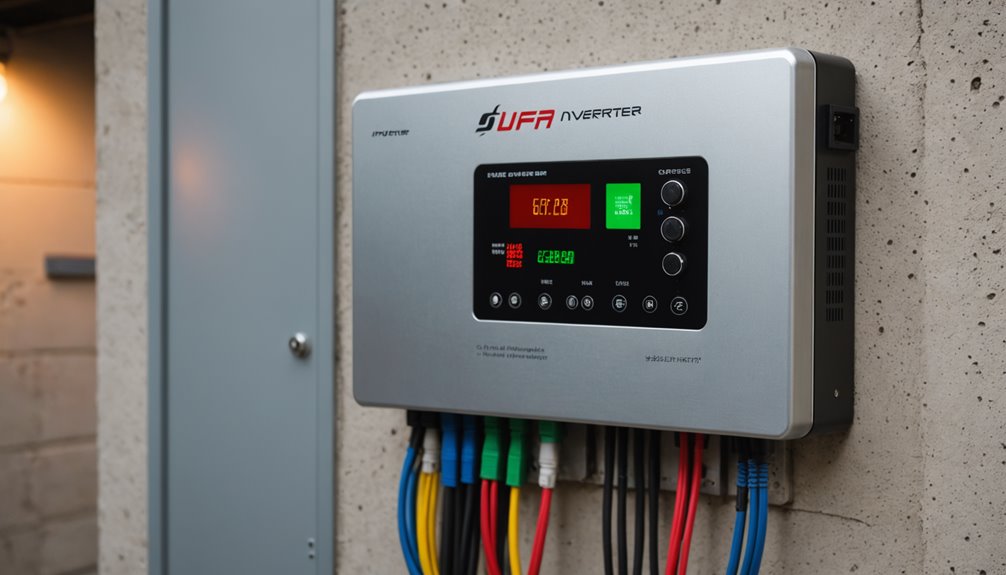
Solar battery storage systems are designed to retain surplus energy generated by solar panels during daylight hours for use during periods of low or no solar production, such as nighttime or grid outages. Most residential systems rely on lithium-ion battery technology, paired with an inverter that converts direct current (DC) from solar panels into alternating current (AC) suitable for household use.
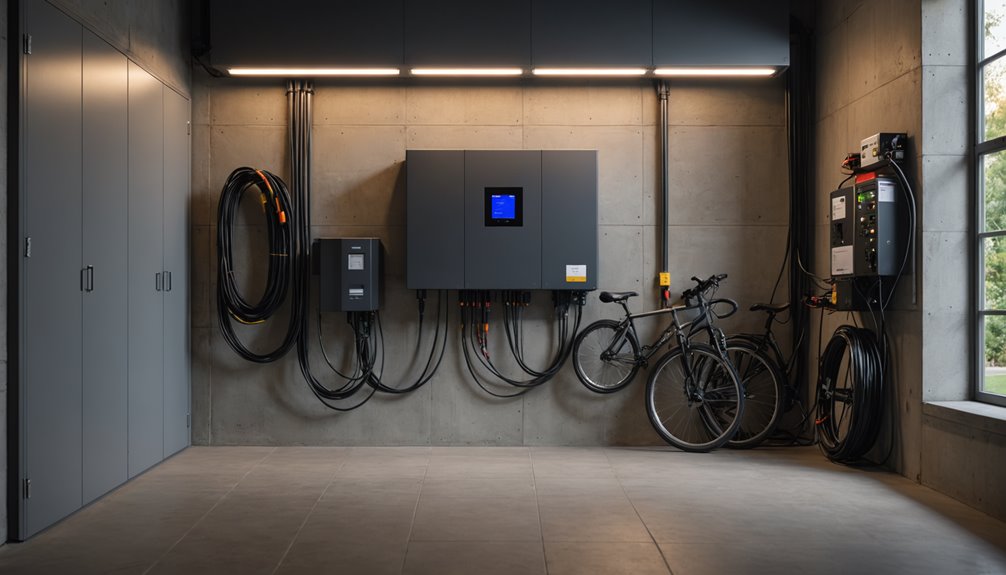
Energy management software integrated into these systems monitors and allocates power across available sources, including the grid, solar panels, and stored battery reserves. This coordination allows homeowners to draw on stored energy during peak-rate billing periods, which can reduce overall electricity costs depending on local utility rate structures.
In the event of a grid failure, a properly configured solar battery system can provide continued power supply to designated circuits or the entire home, depending on system capacity. The degree of energy independence achieved depends on several variables, including battery storage capacity, household energy consumption, and local solar resource availability. These systems do not guarantee uninterrupted power in all circumstances, and performance outcomes vary based on installation quality and system specifications. For solar households, integrating battery storage can increase self-consumption rates from approximately 30% to over 80%, significantly reducing reliance on grid-supplied electricity.
Lower Your Energy Bills by Avoiding Peak Rate Charges
Peak rate charges represent a key cost driver for many utility customers, particularly those on time-of-use billing plans, where electricity prices rise substantially during high-demand periods, generally between 4 and 9 p.m. Solar battery storage systems address this issue by allowing homeowners to draw from energy stored during off-peak hours rather than purchasing electricity from the grid at elevated rates. This approach can reduce electricity costs in a measurable way, with actual savings depending on local utility rate structures, household consumption patterns, and the capacity of the storage system. Various rebate programs and financial incentives exist at the state and federal levels that can offset initial installation costs, improving the overall return on investment. Additionally, reliance on stored solar energy provides a degree of insulation from utility rate increases, though the extent of this protection is contingent on system size and individual energy usage.
How Solar Battery Storage Keeps Your Home Powered During Outages
Solar battery storage systems provide backup power to homes during grid outages by automatically switching to stored energy, typically within milliseconds of a disruption. This transition allows essential appliances to continue operating without manual intervention.
Storage capacity varies by system. The Tesla Powerwall, for example, holds 13.5 kWh of energy, which can sustain a home’s basic electrical needs for several hours depending on consumption levels. These systems store surplus energy generated by solar panels during daylight hours, making it available for use at night or during periods of high demand.
Some systems include load management features that direct power to designated priority circuits first, such as refrigeration, medical equipment, or lighting. This approach extends the usable duration of stored energy during an outage by limiting consumption to the most critical functions. The FranklinWH system is one example that incorporates this type of load prioritization functionality.
The overall effectiveness of a solar battery storage system during an outage depends on several factors, including battery capacity, the home’s energy consumption rate, and whether solar panels can continue generating power during the outage to replenish the battery.
How Solar Battery Storage Reduces Your Dependence on Utility Providers
Solar battery storage systems allow homeowners to retain excess energy generated during daylight hours for use during periods of higher grid demand, typically between 4 and 9 p.m., when utility rates tend to be elevated. By drawing from stored energy rather than the grid during these intervals, households can reduce the volume of electricity purchased from utility providers, which may lower overall electricity costs depending on local rate structures.
These systems also offer a degree of insulation from variable utility pricing and demand charges, which can fluctuate based on grid conditions and regional policy. The extent of this protection depends on battery capacity, household consumption patterns, and the specific rate schedules in effect.
In certain jurisdictions, financial incentives such as rebates or tax credits are available for battery storage installations, which can offset initial equipment and installation costs. Eligibility and incentive amounts vary by location and are subject to program availability.
Environmental Benefits of Pairing Solar Panels With Battery Storage
Pairing solar panels with battery storage offers measurable environmental advantages beyond reducing household energy costs. Stored solar energy displaces grid-drawn electricity, which in many regions is still generated largely through fossil fuel combustion. This substitution directly lowers the carbon emissions associated with a household’s energy consumption.
Battery storage also contributes to broader grid stability by reducing reliance on peaker plants—facilities that typically burn natural gas or other carbon-intensive fuels to meet periods of high electricity demand. Decreasing the operational frequency of these plants lowers their cumulative emissions output.
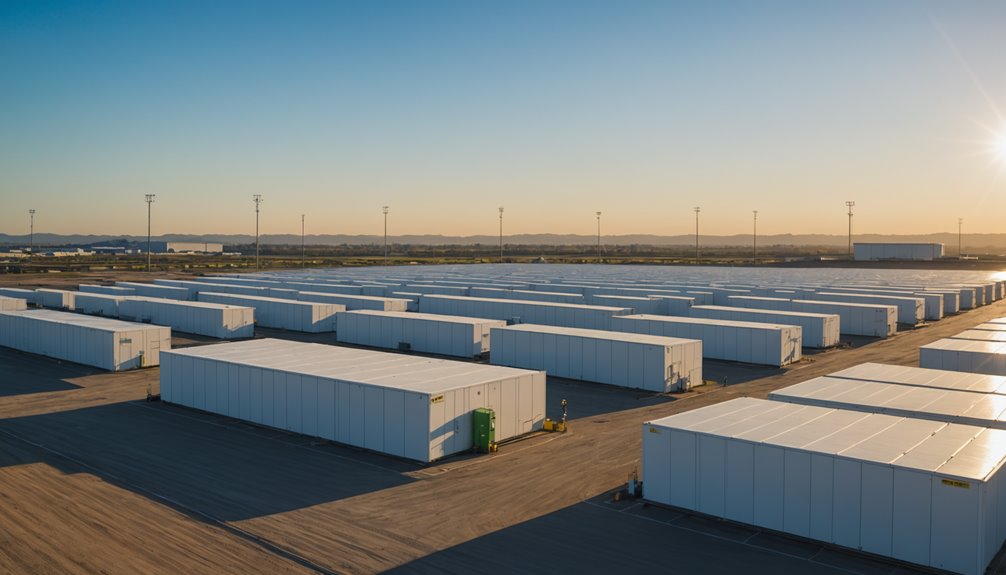
At scale, the environmental impact becomes more significant. One gigawatt of aggregated customer battery storage capacity can supply power to approximately 750,000 homes for one hour, demonstrating how distributed storage systems contribute meaningfully to regional energy resilience and emissions reduction.
Residential battery storage systems also support policy-driven decarbonization efforts. In California, for example, widespread adoption of solar-plus-storage directly aligns with the state’s legislated target of achieving carbon neutrality by 2045. Each additional unit of distributed storage integrated into the grid reduces dependence on fossil fuel generation, contributing incrementally to that regulatory goal.
The cumulative effect of individual solar-plus-storage adoption, when viewed at a regional or state level, represents a meaningful and quantifiable contribution to the transition toward lower-emission energy systems.
Which Solar Battery Type Is Right for Your Home?
Selecting the appropriate battery storage system is a key factor in determining how well a solar setup performs over time. Lithium-ion batteries, such as the Tesla Powerwall, are characterized by high energy density and extended lifespans, making them a practical option for residential use. Lead-acid batteries carry a lower initial cost but come with shorter operational lifespans and a more limited depth of discharge, which reduces their overall storage efficiency. Lithium iron phosphate batteries are distinguished by their thermal stability and safety profile, offering consistent energy storage performance.
When evaluating battery options, relevant considerations include compatibility with an existing solar system, required storage capacity, and safety standards. Assessing these factors against the specifications of available battery types supports a more informed purchasing decision and contributes to sustainable long-term performance.
Can You Add Batteries to an Existing Solar System?
Adding batteries to an existing solar system is technically feasible, though the process depends on the compatibility of your current setup and the type of battery system you choose. Some solar installations may require additional hardware or reconfiguration to support battery integration, particularly older systems designed without storage in mind.
Lithium-ion and lithium iron phosphate (LFP) batteries are among the more commonly used options due to their relatively high energy density and cycle life. Certain battery systems, such as the Tesla Powerwall, are designed to work with a range of existing solar configurations, though compatibility should be verified on a case-by-case basis.
Battery storage allows excess solar energy generated during daylight hours to be stored and used during periods of low or no solar production, such as nighttime or cloudy days. This can reduce reliance on grid-supplied electricity and provide backup power during outages, depending on the system configuration.
Costs, installation requirements, and potential savings vary based on factors including battery capacity, local electricity rates, and existing system specifications. A qualified solar installer or electrician should evaluate your current system to determine what modifications, if any, are necessary before proceeding with battery integration.
Are Solar Batteries Worth the Upfront Cost?
Solar batteries involve a significant upfront cost, and whether they justify that expense depends on several measurable factors. The primary financial benefit comes from storing excess solar energy for use during peak-rate hours, which can reduce reliance on grid electricity and lower monthly utility bills. The extent of those savings varies based on local electricity rates, household energy consumption, and the size of the battery system installed.
Beyond cost savings, solar batteries provide a functional backup during power outages, which may hold particular value in areas with unreliable grid infrastructure or frequent severe weather events. This reliability factor, while difficult to assign a direct dollar value, contributes to the overall case for installation.
Most solar batteries carry warranties averaging around 10 years, and their long-term performance should be factored into any cost-benefit analysis. Federal tax incentives, such as the Investment Tax Credit, along with state-level programs, can reduce the net cost of installation and shorten the payback period.
However, not every household will reach a favorable return on investment. Homes with low electricity consumption, access to inexpensive grid power, or minimal risk of outages may find that the payback period extends beyond a practical timeframe. A thorough review of current energy bills, local incentive programs, and installation quotes provides the most reliable basis for determining whether a solar battery system is a financially sound decision for a given situation.
Conclusion
Solar battery storage offers several practical benefits for homeowners. It can help reduce energy costs by storing excess solar power for use during peak-rate hours, decreasing reliance on grid electricity. For those seeking greater energy independence, battery systems provide a backup power source during outages and reduce dependence on utility providers. From an environmental perspective, maximizing the use of stored solar energy can lower a household’s overall carbon emissions compared to drawing from fossil fuel-based grid power.
The financial feasibility of solar battery storage has improved in recent years. Tax incentives, such as the federal Investment Tax Credit (ITC), along with various state and utility programs, can offset a portion of the installation costs. However, the overall value depends on factors including local electricity rates, the frequency of power outages in the area, and the specific energy consumption patterns of the household. Prospective buyers should conduct a cost-benefit analysis based on their individual circumstances before making a decision.