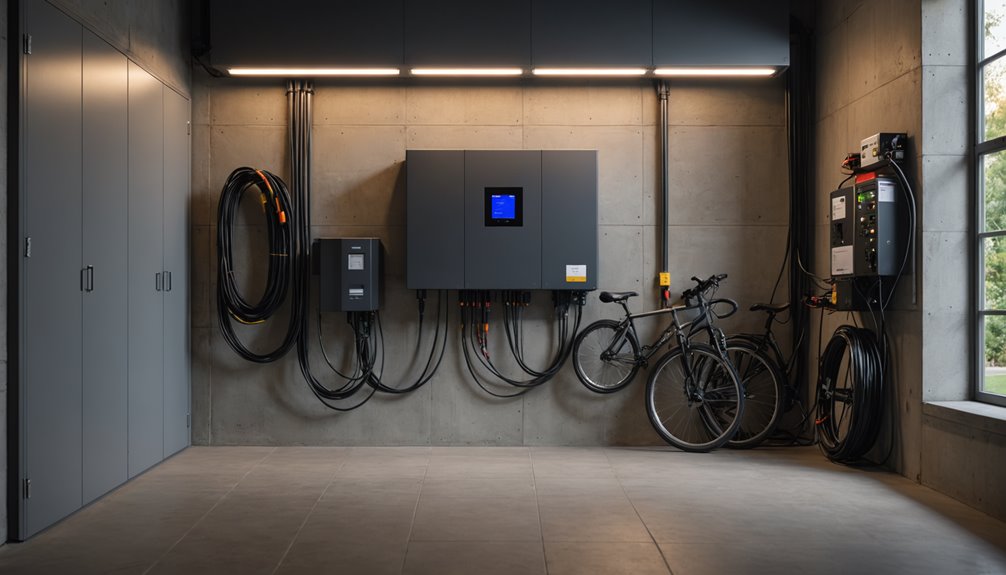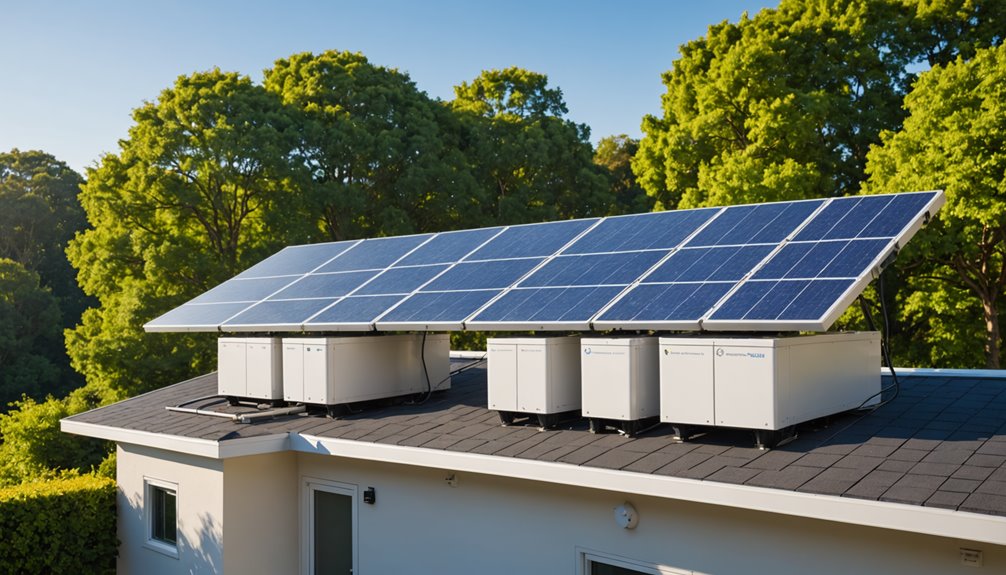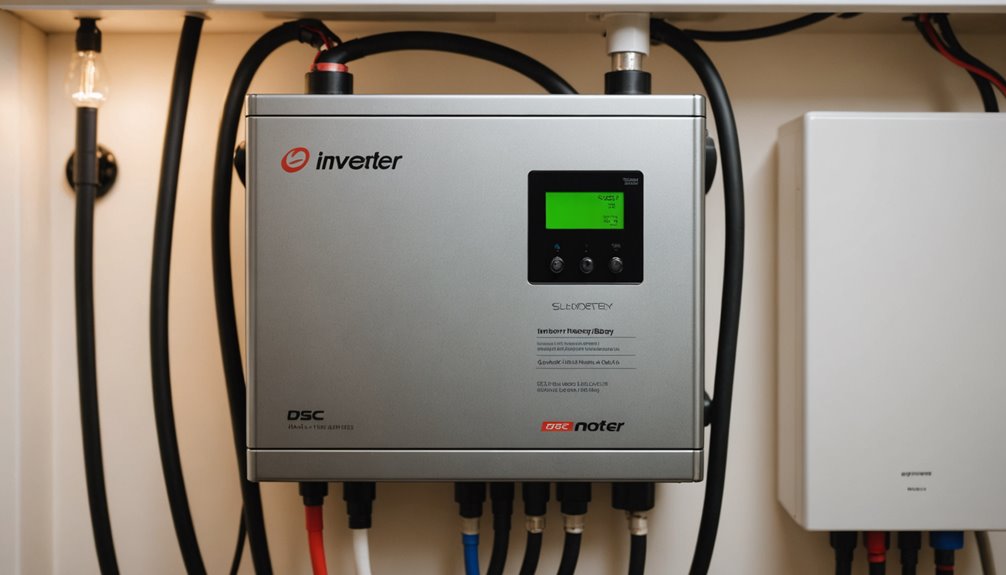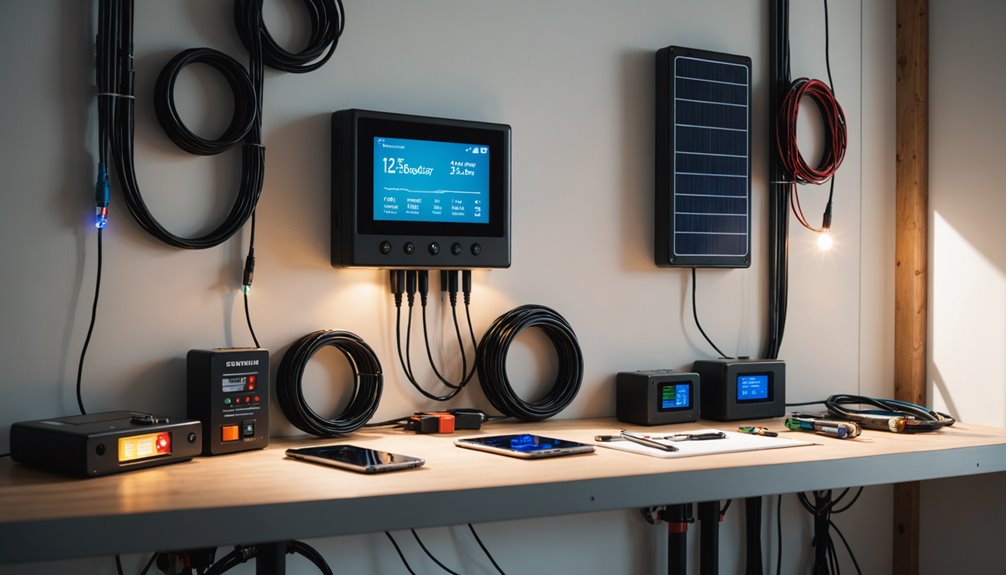
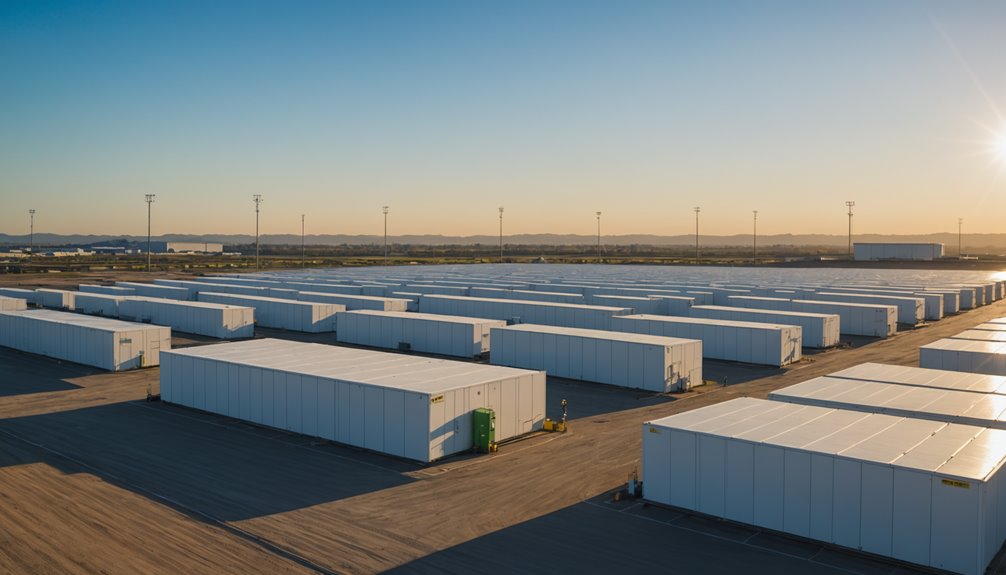
Battery Energy Storage Systems (BESS) are technologies designed to store electrical energy for later use. They consist of battery cells, power conversion systems, and control software that work together to capture, store, and release electricity as needed. These systems are deployed across a range of applications, including residential, commercial, and utility-scale settings.
At their core, BESS function by charging during periods of low energy demand or high renewable energy generation, then discharging when demand increases or generation decreases. This capability makes them useful for balancing supply and demand on power grids, reducing reliance on peaking power plants, and improving the integration of intermittent renewable energy sources such as solar and wind.
For homeowners, BESS can store excess solar energy generated during the day for use in the evening. For grid operators, they provide frequency regulation and voltage support.
For businesses, they can reduce peak demand charges and serve as backup power during outages.
Key Takeaways
Battery Energy Storage Systems (BESS) are devices that store electrical energy by converting it into chemical energy during the charging process and releasing it as electricity when required. These systems most commonly rely on lithium-ion battery technology, which offers a combination of relatively high energy density, operational efficiency, and cost structures that have declined steadily over recent years.
One primary application of BESS is integration with renewable energy sources, such as solar and wind power. Because these sources generate electricity intermittently, BESS can absorb surplus energy during periods of high generation and discharge it when output is insufficient to meet demand. This characteristic helps address the inherent variability associated with renewable energy production.
Commercial and industrial users employ BESS as a cost management tool. By charging batteries during off-peak hours when electricity prices are lower and discharging them during peak demand periods when prices are higher, these users can reduce their overall energy expenditures. This practice, commonly referred to as peak shaving or demand charge management, is well-documented as an effective approach to lowering energy costs.
At the grid level, BESS contribute to stability by providing frequency regulation and reserve capacity. They can also serve as the foundation for microgrids, enabling localized power distribution that operates independently from the main grid when necessary. Additionally, their capacity to discharge electricity rapidly during high-demand periods reduces the operational need for fossil fuel-based peaker plants, which are typically less efficient and more carbon-intensive than baseload generation facilities.
What Are Battery Energy Storage Systems?
Battery Energy Storage Systems (BESS) are devices that store electrical energy in batteries for later use. They are commonly used in conjunction with renewable energy sources, such as solar and wind, to capture and retain power that can be dispatched when needed. Most large-scale BESS installations rely on lithium-ion battery technology due to its energy density and efficiency characteristics.
These systems are generally capable of delivering power at their full rated capacity for periods ranging from one to four hours, depending on the configuration. This capability allows grid operators to manage peak demand periods without requiring additional generation capacity. BESS also provide ancillary services, including frequency regulation and voltage support, which contribute to overall grid stability during periods of fluctuation.
Safety and performance monitoring are standard components of BESS infrastructure. Continuous monitoring systems track battery conditions, and regulatory standards govern the design and operation of these installations. These measures are intended to reduce the risk of failure and ensure consistent performance over time.
From a functional standpoint, BESS addresses a key limitation of renewable energy generation, which is the intermittent nature of sources like solar and wind. By storing excess energy during periods of high generation and releasing it during periods of high demand, these systems support a more reliable integration of renewable energy into existing grid infrastructure.
How Do Battery Energy Storage Systems Work?
Battery Energy Storage Systems function by converting electrical energy into chemical energy during the charging process and reversing that conversion to release electricity when demand requires it. These systems operate on the same fundamental principle as smaller portable batteries but are designed and scaled for grid-level applications. Lithium-ion technology is the predominant chemistry used in these systems, largely due to its relatively high round-trip efficiency and a sustained reduction in manufacturing costs over the past decade.
Energy management systems are typically integrated into BESS installations to monitor and regulate energy flow, determining when to charge or discharge based on grid conditions, pricing signals, or operator-defined parameters. In terms of operational capacity, most BESS installations are capable of delivering their rated power output for one to four hours, depending on system design and storage capacity.
These systems serve several defined functions within electricity infrastructure, including grid frequency and voltage regulation, peak demand reduction, provision of ancillary services such as spinning reserves, and coordination with variable renewable energy sources like wind and solar. By storing excess generation and releasing it during periods of high demand or low renewable output, BESS contributes to overall grid reliability and supports the integration of non-dispatchable generation sources. For residential applications, battery storage systems can increase a solar home’s self-consumption rate from approximately 30% to over 80%, significantly reducing dependence on grid-supplied electricity during evening hours or periods of low solar production.
What Types of Batteries Power These Systems?
Several battery chemistries are used in modern BESS installations, each presenting distinct trade-offs in cost, lifespan, energy density, and safety. Lithium-ion batteries are the most widely deployed chemistry in energy storage systems, largely due to their relatively high efficiency and declining manufacturing costs. Lead-acid batteries carry lower upfront costs but are limited by shorter operational lifespans and reduced cycle counts. Sodium-sulfur batteries are suited for large-scale electrochemical energy storage applications, though they operate at high temperatures and offer lower energy density compared to lithium-ion alternatives. Flow batteries are designed for long-duration energy storage and can complete thousands of charge-discharge cycles with minimal capacity degradation. Solid-state batteries are still in developmental stages, with higher production costs limiting their current commercial viability despite their theoretical advantages in energy density and thermal stability. Selecting the appropriate chemistry depends on the specific requirements of a given BESS application, including intended duration of storage, budget constraints, and operational conditions.
Which Battery Type Is Best for BESS Applications?
Selecting the most suitable battery type for a BESS application depends on the specific performance requirements, including cost constraints, expected lifespan, scalability needs, and discharge duration. Lithium Iron Phosphate (LFP) chemistry is currently the most widely deployed in Battery Energy Storage Systems, primarily due to its combination of competitive pricing, reliable cycle life, and stable thermal performance. Flow batteries are well-suited for applications requiring long-duration energy discharge and large-scale capacity, given their ability to decouple power and energy ratings. Lead-acid batteries remain a viable option in cost-constrained deployments, though their shorter cycle life and lower energy density present notable limitations. Solid-state batteries offer improved energy density and safety characteristics compared to conventional lithium-ion chemistries, but their high production costs and limited commercial availability currently restrict widespread adoption. Aluminum-sulfur and zinc-based battery technologies are under active research and development, with the potential to expand available options for grid-scale storage, though neither has reached sufficient maturity for broad commercial deployment at this stage.
Where Are Battery Energy Storage Systems Used?
Battery Energy Storage Systems are used across multiple segments of the energy sector. They are commonly deployed alongside renewable energy installations to store surplus electricity and manage discrepancies between supply and demand, contributing to grid stability. In residential settings, these systems are typically integrated with solar panels to reduce reliance on the grid and lower electricity costs. Commercial and industrial operators use them to manage energy expenditures by discharging stored power during periods of peak electricity pricing. Battery Energy Storage Systems also function as a core component of microgrids, supporting localized energy distribution that improves reliability during grid outages and provides electricity access in areas where connection to centralized grid infrastructure is not available.
How Long Does a Battery Energy Storage System Last?
The lifespan of a Battery Energy Storage System (BESS) typically ranges from 5 to 15 years, depending on the battery chemistry, application, and operating conditions. Lithium-ion systems generally demonstrate longer operational lifespans compared to lead-acid alternatives, making them the more common choice across residential, commercial, and grid-scale deployments.
Battery performance degrades gradually over time, primarily measured through capacity loss across charge-discharge cycles. Manufacturer warranties commonly define performance thresholds based on total energy throughput and cycle count, after which capacity retention may fall below acceptable operational levels.
Several factors directly influence how long a BESS remains functional. Operating temperature has a measurable impact on degradation rates, with both high heat and extreme cold accelerating capacity loss. Cycling frequency and depth of discharge are equally significant — systems discharged deeply and frequently tend to degrade faster than those operating within more conservative parameters.
Regular monitoring and scheduled maintenance can extend a system’s effective service life by identifying performance issues early and ensuring components operate within recommended specifications. However, even well-maintained systems will experience gradual capacity reduction, which should be factored into long-term cost and performance projections.
When evaluating the value of a BESS investment, lifespan should be considered alongside degradation rates, warranty terms, and replacement costs to form an accurate picture of total lifecycle economics.
Why BESS Makes Financial Sense for Homes and Businesses
Battery Energy Storage Systems (BESS) offer several financial advantages for both residential and commercial users. By charging during off-peak hours when electricity rates are lower and discharging during peak periods, users can reduce their overall energy costs. Additionally, energy arbitrage—purchasing electricity at lower rates and selling it back to the grid at higher rates—can generate measurable financial returns, depending on local market conditions and utility policies.
BESS technology is modular in design, allowing capacity to be scaled incrementally as energy demands increase, which reduces the need for large upfront capital commitments. Battery costs have declined substantially in recent years, with projections estimating prices near $120/kWh by 2025, making adoption more financially viable for a broader range of users.
For those with existing renewable energy installations, BESS provides a means of storing surplus generation for later use, which can reduce grid dependency and provide a degree of energy security during supply disruptions. The extent of financial benefit, however, depends on several variables, including local electricity tariff structures, applicable incentives or rebates, system sizing, and usage patterns. A site-specific financial analysis is advisable before making investment decisions.
What Impact Does BESS Have on the Environment?
Battery Energy Storage Systems (BESS) carry both positive and negative environmental implications. On the positive side, BESS can reduce greenhouse gas emissions by storing excess energy generated from renewable sources such as solar and wind, allowing that energy to be deployed when generation is low. This reduces the need to activate fossil fuel-based peaker plants, which are typically used to meet sudden increases in energy demand. As a result, overall carbon emissions and air pollutants associated with coal and natural gas combustion may decline.
However, the environmental impact of BESS is not without drawbacks. The production of lithium-ion batteries, which are commonly used in these systems, requires the extraction of materials such as lithium, cobalt, and manganese. These mining activities can result in habitat disruption, water usage concerns, and localized pollution depending on the region and regulatory environment.
Battery disposal also presents an environmental challenge. Without adequate recycling infrastructure, spent batteries can contribute to toxic waste. Circular economy approaches, including material recovery and battery recycling programs, are being developed to address this issue, though these processes are not yet uniformly implemented across markets.
The net environmental benefit of BESS therefore depends on several factors, including the energy mix used during manufacturing, the availability of responsible recycling systems, and the degree to which the technology displaces fossil fuel generation over its operational lifespan.
Conclusion
Battery energy storage systems offer practical solutions for reducing energy costs, improving grid reliability during outages, and supporting lower-emissions energy use. These systems store energy for later use, integrate with renewable energy sources, and are applicable across residential, commercial, and industrial settings. Ongoing advancements in battery technology and declining costs have made energy storage an increasingly viable option for a range of energy management needs.