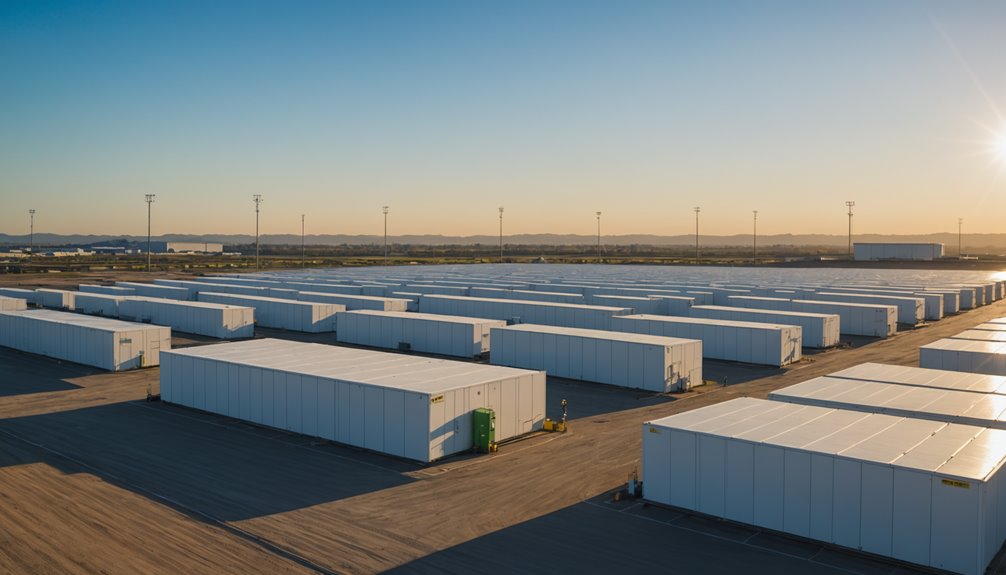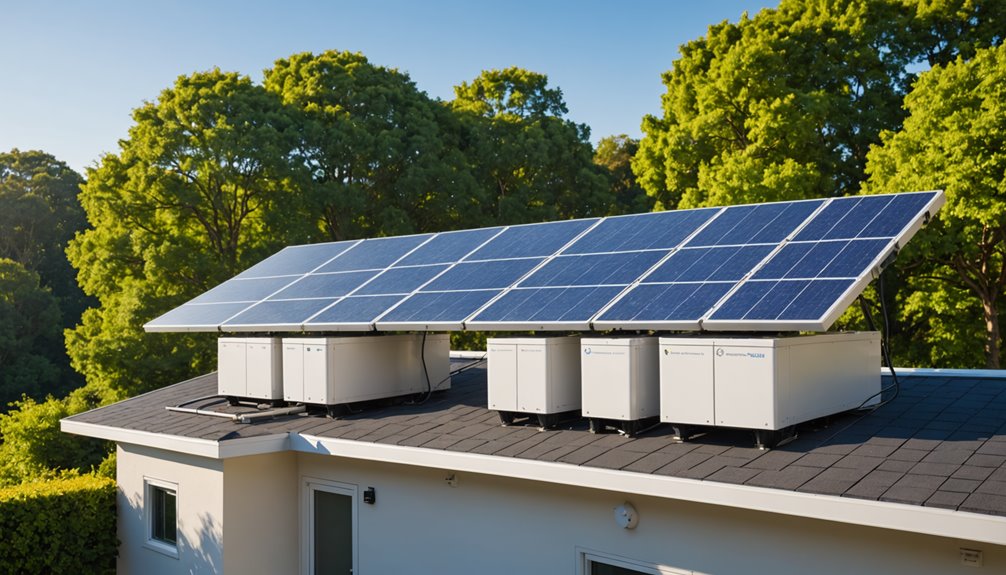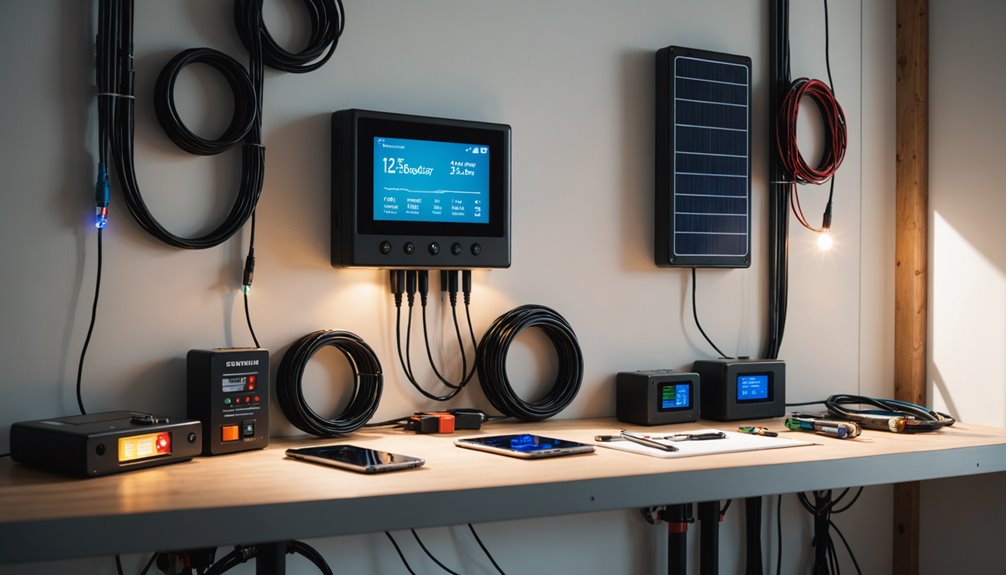
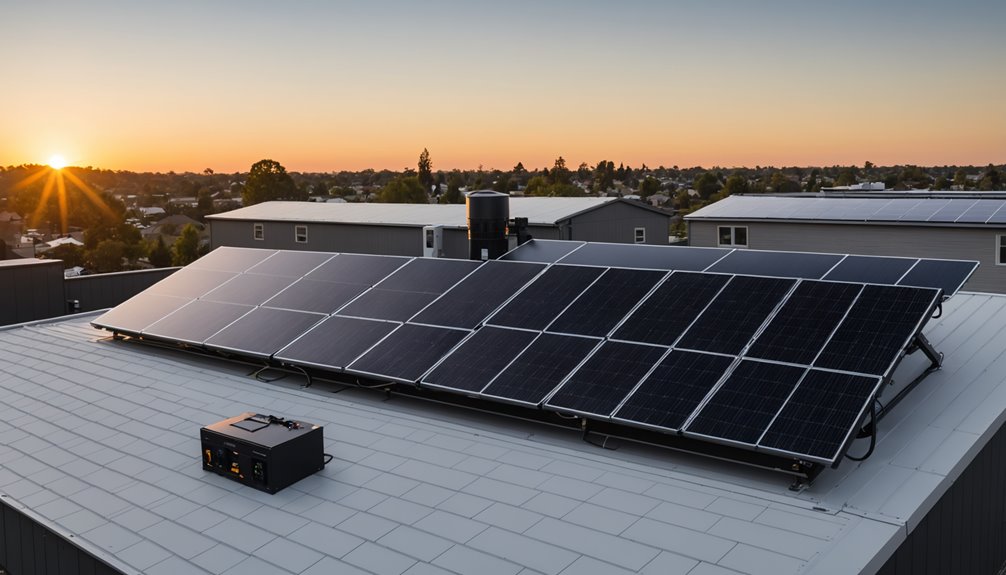
Hybrid solar systems integrate three core components: photovoltaic panels, battery storage, and a grid connection. This configuration allows the system to generate electricity from sunlight, store unused energy for later use, and draw from or feed into the utility grid when necessary.
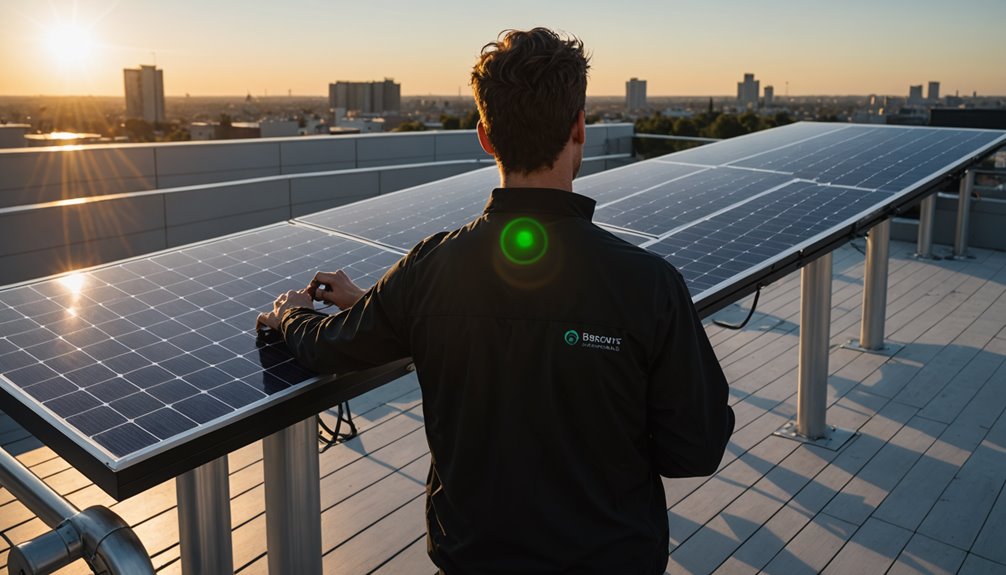
During daylight hours, solar panels convert sunlight into direct current (DC) electricity. An inverter then converts this into alternating current (AC) electricity suitable for household or commercial use. Excess electricity that is not immediately consumed charges the battery storage system rather than being lost or automatically exported to the grid.
When solar generation is insufficient, such as during nighttime or overcast conditions, the system draws from stored battery energy before defaulting to grid power. This sequencing reduces dependence on grid electricity and can lower energy costs, particularly in areas where utility rates vary by time of day.
The grid connection serves as a reliable backup and also enables net metering in many regions, where surplus electricity exported to the grid is credited against future consumption. A system controller or energy management unit monitors and regulates the flow of electricity between all components to optimize performance based on current generation, consumption, and storage levels.
Compared to off-grid systems, hybrid setups offer greater energy reliability. Compared to standard grid-tied systems without storage, they provide resilience during power outages.
The practical value of a hybrid system depends on local electricity rates, available sunlight, battery capacity, and applicable grid policies.
Key Takeaways
Hybrid solar systems integrate multiple energy sources through a series of interconnected components. Solar panels generate DC electricity, which a hybrid inverter converts into AC power suitable for household consumption. Any surplus energy produced beyond immediate demand is directed to battery storage, providing a reliable power reserve during periods of low solar generation, such as nighttime or overcast conditions.
A charge controller regulates the flow of electricity between the solar panels, batteries, and household circuits, preventing overcharging and optimizing battery performance over time. The system is also connected to the utility grid, which serves as a supplementary power source when both solar generation and battery reserves are insufficient to meet demand.
An energy management system continuously monitors electricity consumption and generation, directing power from the most appropriate source based on availability and demand. This coordination between components allows households to reduce dependence on grid-supplied electricity and maintain a consistent power supply under varying conditions.
What Is a Hybrid Solar System?
A hybrid solar system integrates solar panels, battery storage, and a grid connection into a single energy setup. Solar panels generate direct current (DC) electricity, which a solar inverter converts to alternating current (AC) suitable for household use. Excess energy produced during peak sunlight hours can be stored in batteries for use during nighttime or periods of low solar generation, or exported to the utility grid where applicable.
This configuration offers a degree of energy independence while maintaining access to grid power when needed. Battery storage provides continuity during grid outages, which can be relevant in areas with inconsistent power supply. In regions where net metering policies are limited or unavailable, the ability to store and self-consume excess solar energy may offer a practical alternative to grid export. Overall, the system allows users to manage their energy generation and consumption with greater flexibility compared to either a standalone solar or grid-only setup. For solar homes, battery integration can increase self-consumption rates from around 30% to over 80%, significantly reducing dependence on grid-supplied electricity.
The Core Components of a Hybrid Solar System
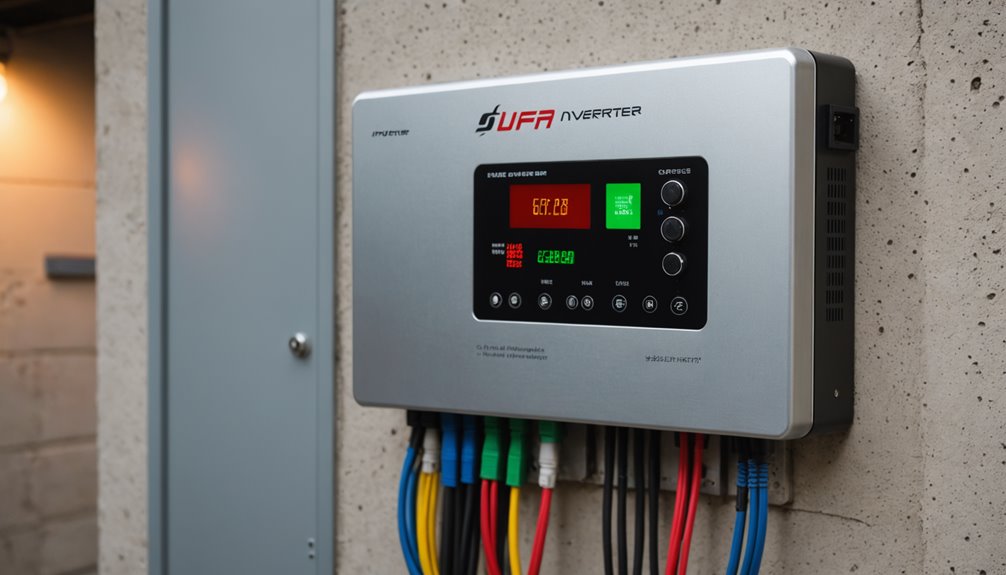
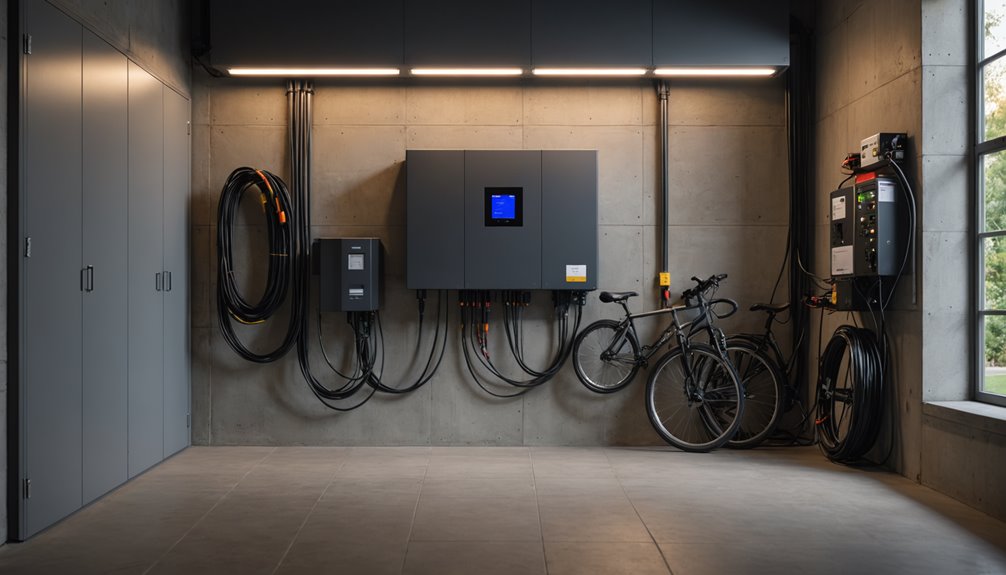
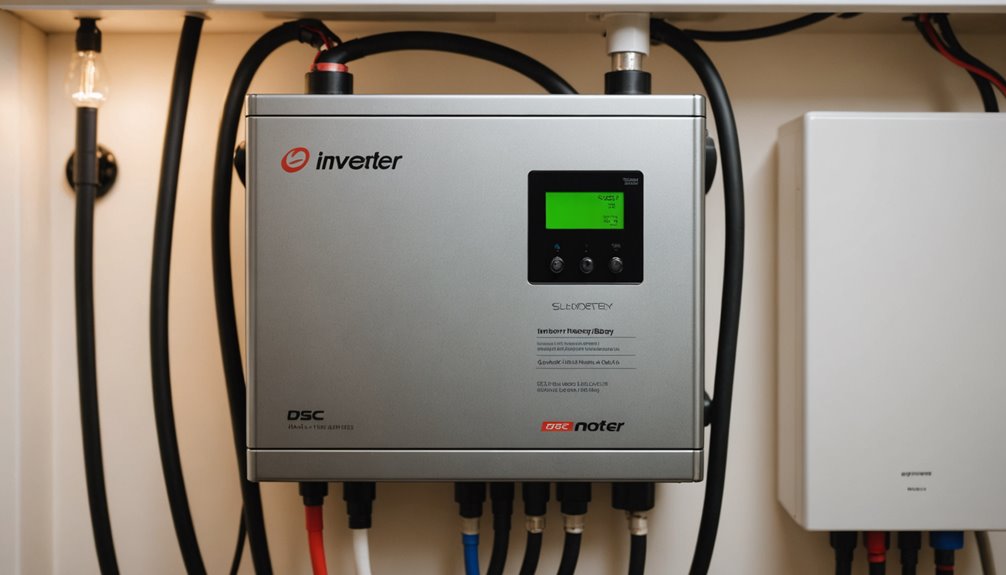
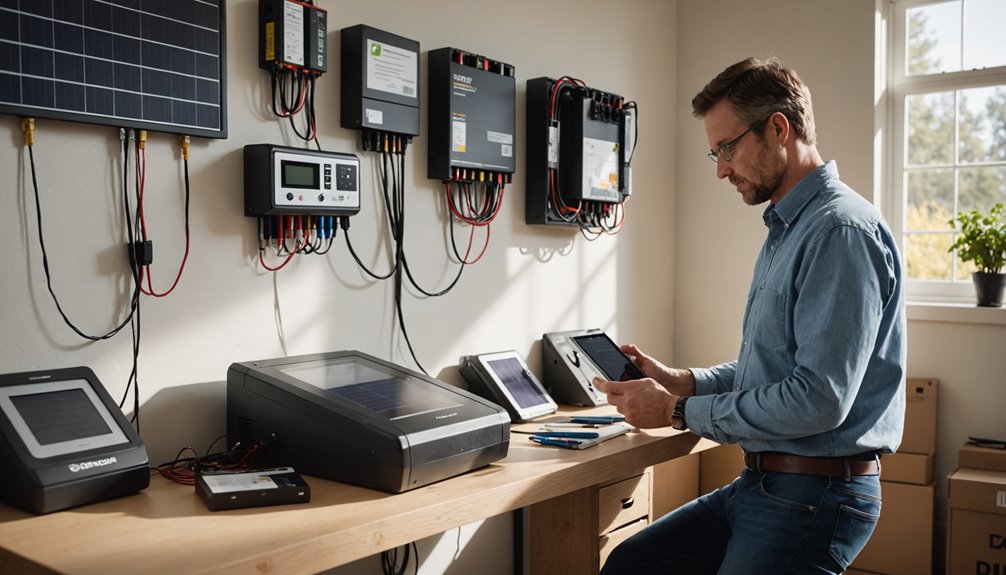
A hybrid solar system relies on several interconnected components to operate. Solar panels generate direct current (DC) electricity from sunlight, which a hybrid inverter converts into alternating current (AC) suitable for household use. The hybrid inverter also regulates energy flow between the solar panels, battery storage, and the grid. A charge controller manages the charging and discharging cycles of the battery storage system, preventing overcharging and maintaining battery integrity. Excess energy produced during periods of high solar output is stored in batteries for use when generation is lower. Electricity switchboards then distribute AC power to appliances, storage systems, and the grid as required.
The Real Benefits of a Hybrid Solar System
Hybrid solar systems integrate solar panels, battery storage, and grid connectivity into a single energy setup. This configuration allows users to generate electricity from solar panels, store excess energy in batteries for later use, and draw from the grid when necessary. The practical outcomes include reduced dependence on grid-supplied electricity, lower exposure to peak-rate pricing, and continued power availability during grid outages. Lithium-ion batteries are the most commonly used storage technology in these systems due to their energy density and cycle longevity. From a financial standpoint, eligible installations in the United States may qualify for the federal Investment Tax Credit, currently set at 30%, which can offset a portion of the upfront installation costs. These factors collectively contribute to the long-term economic and functional case for hybrid solar adoption.
How a Hybrid Solar System Works Step by Step
A hybrid solar system operates through five sequential stages. Solar panels convert sunlight into direct current (DC) electricity through photovoltaic cells. A hybrid inverter then transforms this DC electricity into alternating current (AC), which is the standard form required for household appliances and fixtures. When solar generation exceeds immediate household demand, the surplus energy is directed into a battery storage system for later use. When solar output and stored battery power are insufficient to meet demand, the system draws electricity from the utility grid. An energy management system continuously monitors energy flow, consumption, and storage levels, allowing users to adjust usage patterns accordingly. In the event of a grid outage, the system automatically switches to battery reserves to maintain power to designated circuits, provided sufficient charge remains in storage.
Hybrid vs. On-Grid vs. Off-Grid Solar Systems
Selecting a solar system requires an understanding of the functional differences between on-grid, off-grid, and hybrid configurations.
On-grid systems connect solar panels directly to the utility grid. While this setup allows excess energy to be exported back to the grid, it does not provide power during outages, as the system shuts down automatically for safety reasons.
Off-grid systems operate independently of the utility grid, relying entirely on battery storage to meet energy demands. This configuration typically requires larger battery capacity and higher upfront equipment costs to ensure reliable power supply.
Hybrid systems combine grid connectivity with battery storage, allowing excess solar energy to be stored for later use while maintaining access to the grid as a backup. This setup offers greater flexibility in managing energy consumption and can reduce reliance on grid power during peak-rate periods.
The appropriate system depends on several factors, including local grid reliability, energy consumption patterns, available budget, and geographic location. Areas with frequent grid outages may benefit more from hybrid or off-grid configurations, while regions with stable grid infrastructure and favorable net metering policies may find on-grid systems more cost-effective. A thorough energy audit and cost-benefit analysis are recommended before making a final decision.
When Does a Hybrid Solar System Actually Make Sense?
A hybrid solar system is worth considering under specific circumstances. For homeowners in areas prone to power outages, the battery storage component provides a functional backup power source during grid failures. In regions where net metering policies are weak or absent, storing excess solar energy onsite becomes a more practical alternative to feeding surplus power back to the grid at unfavorable rates.
Time-of-use electricity pricing is another relevant factor. When utility rates fluctuate based on demand periods, stored solar energy can be drawn upon during peak pricing hours, potentially reducing electricity costs. This approach requires careful analysis of local rate structures to determine whether the financial benefit justifies the added cost of battery storage.
For those seeking reduced dependence on the grid, a hybrid system provides a measurable degree of energy autonomy, though complete independence is rarely achieved in practice. In areas with consistently high electricity prices, the return on investment improves, particularly when federal tax credits or local incentives offset the higher upfront costs associated with adding battery storage to a solar installation.
The suitability of a hybrid system ultimately depends on a combination of local grid reliability, utility pricing structures, available incentives, and individual energy consumption patterns. A thorough cost-benefit analysis using site-specific data is the most reliable way to determine whether the additional investment in a hybrid configuration is financially justified.
Cost, Location, and Grid Conditions That Affect Your Decision
Several practical factors influence whether a hybrid solar system is appropriate for a given situation. Cost is generally the primary consideration, as hybrid systems carry higher upfront expenses than standard grid-tied installations. However, reduced electricity costs over time can narrow or eliminate that difference depending on local utility rates and system usage.
Geographic location and grid reliability also play a significant role. Areas with frequent power outages present a stronger case for battery storage, since grid dependency creates vulnerability during disruptions. Similarly, unstable or unreliable grid infrastructure increases the practical value of on-site energy storage.
Net metering policies deserve equal attention. Where net metering is unavailable or limited, homeowners receive reduced compensation for excess energy sent to the grid, which shifts the economic calculation toward storing that energy locally rather than exporting it.
Each of these factors — installation cost, outage frequency, grid stability, and net metering availability — should be evaluated in the context of local conditions before reaching a conclusion about system suitability.
Conclusion
Hybrid solar systems offer a practical approach to residential energy management. By combining solar panels, battery storage, and grid connectivity, they allow homeowners to store excess energy for later use, reducing reliance on grid-supplied electricity. During power outages, stored battery energy can maintain essential household functions, depending on battery capacity and consumption levels. For households with high electricity costs or frequent grid disruptions, a hybrid system can provide measurable financial and operational benefits over time. The suitability of such a system depends on factors including local electricity rates, available sunlight, upfront installation costs, and individual energy consumption patterns.