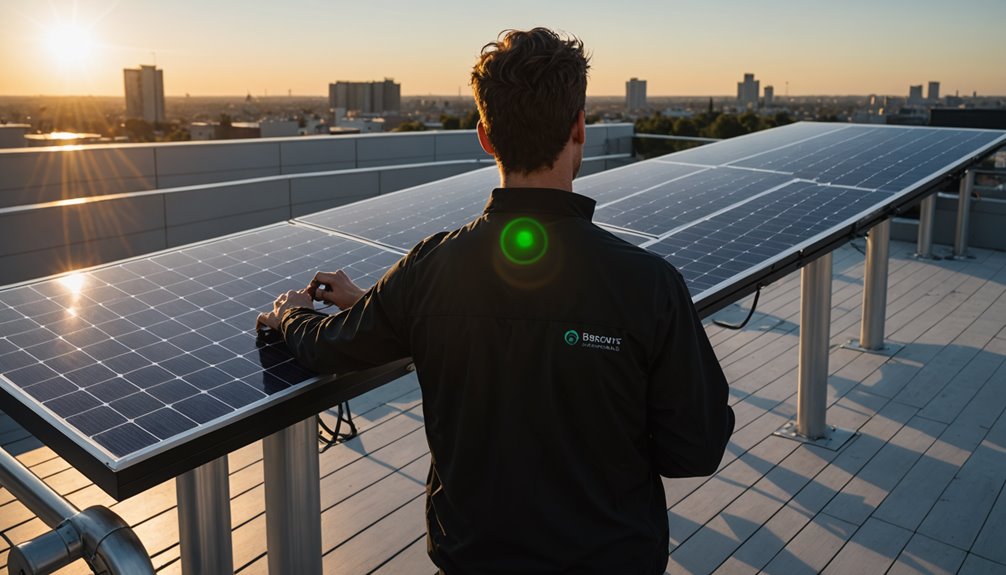
Solar panels require consistent oversight to ensure optimal performance. Without a monitoring system in place, inefficiencies and technical issues can go undetected, potentially resulting in reduced energy output and financial loss.
A reliable monitoring system provides real-time data on system behavior, allowing for informed decisions about maintenance and performance improvements.
Understanding which features are most relevant, which systems are currently available, and how to evaluate them based on specific needs are practical considerations that can influence the long-term value of a solar installation.
Key Takeaways
Solar panel monitoring systems measure real-time performance data, including voltage, current, and energy output, through sensors, inverters, and software platforms designed for data accessibility.
Standard features across these systems include anomaly alerts with configurable thresholds, module-level performance tracking, weather data integration, and historical data logging to support maintenance planning and decision-making.
From a functional standpoint, these systems serve several practical purposes: identifying performance deviations, extending equipment lifespan through timely intervention, improving return on investment, and supporting compliance with applicable energy regulations.
Early fault detection and scheduled maintenance protocols reduce unplanned downtime and limit cumulative energy losses over the system’s operational period. Net metering data integration further supports accurate tracking of energy export and consumption.
Notable monitoring systems currently available include the Enphase IQ Envoy, SolarEdge, SMA Sunny Boy, Magnum, and Morningstar. Each platform differs in monitoring granularity, connectivity options, and compatibility with specific inverter and panel configurations, making system selection dependent on the requirements of the individual installation.
What Is a Solar Panel Monitoring System?
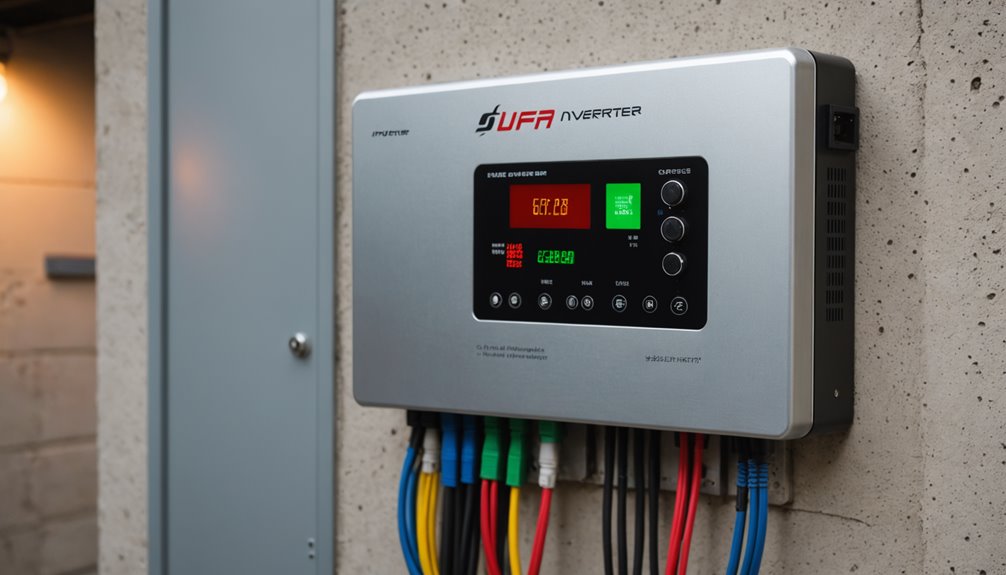
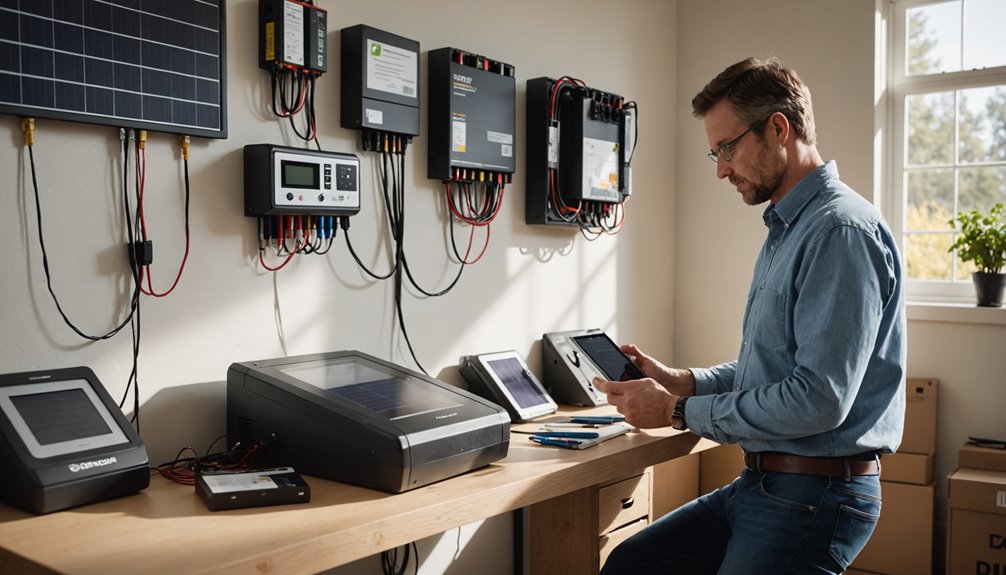
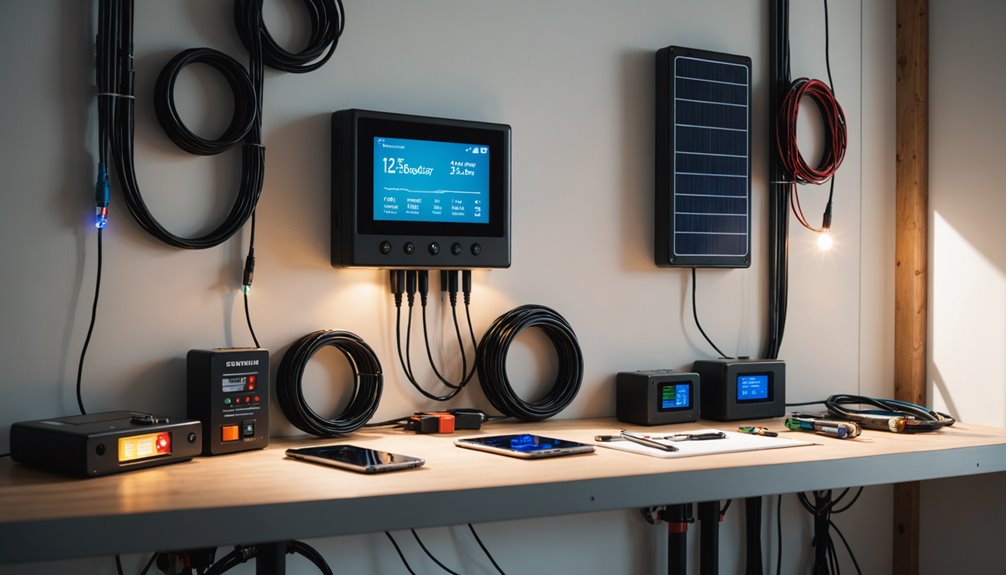
A solar panel monitoring system measures and records solar energy generation along with performance metrics such as voltage, current, and weather conditions. The system consists of hardware components, including inverters or charge controllers, paired with software accessible through a web portal or mobile application. This setup provides users with both real-time and historical performance data.
The primary function of these systems is to identify underperforming or damaged panels, allowing for timely maintenance and reduced operational downtime. Performance data collected over time can be used to analyze system trends, assess return on investment, and support net metering calculations. Many monitoring systems are also compatible with home energy management software, enabling broader integration with household energy data.
Core Components Inside Every Solar Monitoring System
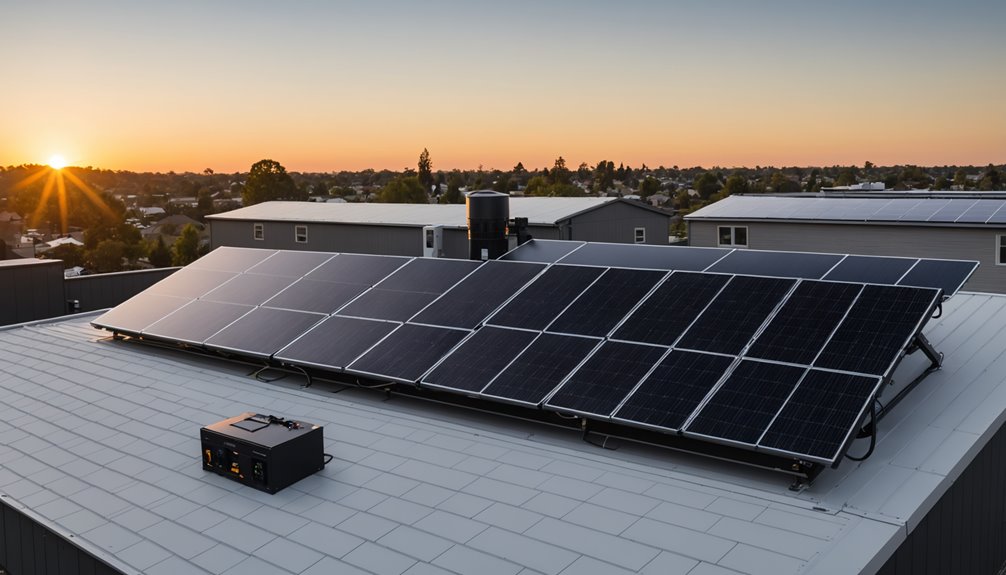
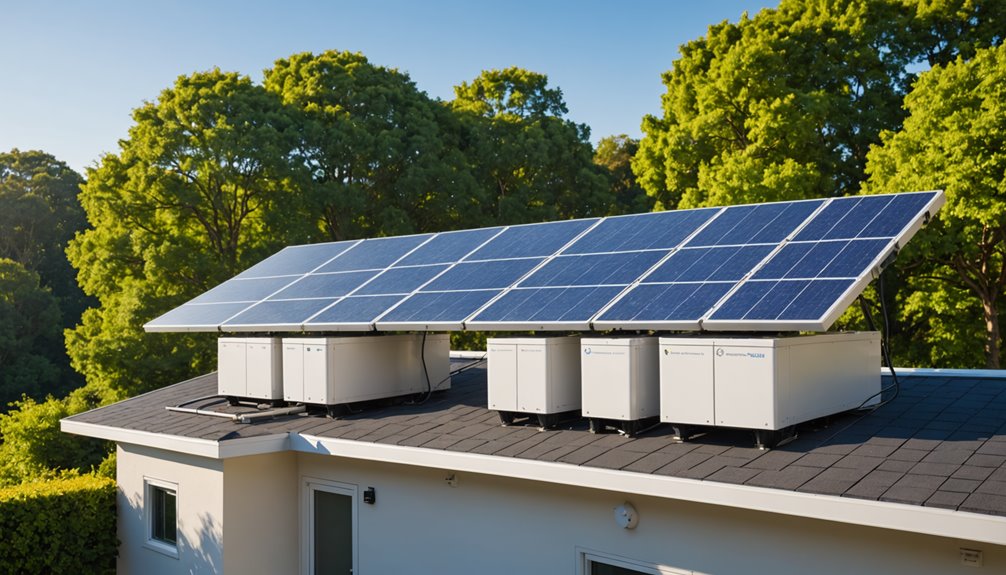
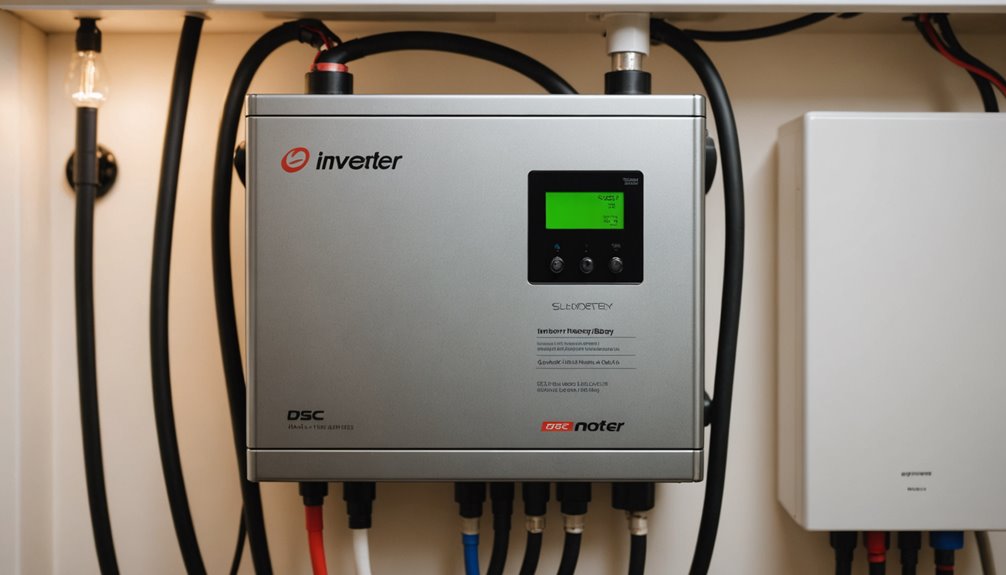
Solar monitoring systems consist of several interconnected components that collectively track and optimize energy production. Solar panels serve as the primary electricity-generating units, while dedicated sensors measure output levels in real time. Power optimizers operate at the individual module level, providing granular performance data for each panel. String inverters handle the conversion of DC power to AC power and record overall energy output across multiple panels simultaneously. In systems that incorporate battery storage, a charge controller manages charging cycles and monitors current flow to maintain battery health and efficiency. All of these components transmit data to a central platform, which aggregates and displays system performance metrics across each operational level.
Real-Time Data, Alerts, and Module-Level Features That Matter
Solar monitoring systems that collect data in real time provide continuous visibility into energy production levels and allow for timely identification of performance issues. Configurable alerts can be set to detect anomalies such as drops in energy output or equipment malfunctions, which supports a more structured approach to maintenance scheduling. Module-level monitoring enables individual panel performance tracking, making it possible to isolate underperforming units with greater precision than system-wide monitoring alone. Weather data integration allows production metrics to be correlated with environmental conditions, offering a more accurate basis for efficiency assessments. Historical data collected over time serves practical financial functions, including ROI calculation, net metering optimization, and informed decision-making regarding system upgrades or operational adjustments. In Connecticut, residential solar systems are backed by a 25-Year Performance Guarantee, giving homeowners a long-term assurance that monitoring data remains actionable against verified performance benchmarks.
How Solar Monitoring Cuts Downtime and Increases ROI
Downtime represents a significant financial risk to solar system performance, and monitoring helps mitigate this by identifying issues before they worsen. Solar monitoring provides real-time data on system output, enabling the detection of shading problems, diode failures, and operational inefficiencies as they occur. Identifying these issues early reduces cumulative energy production losses, which can accumulate substantially over a system’s lifespan. Scheduled maintenance, informed by monitoring data, tends to be more cost-effective than reactive repairs, as it addresses component degradation before failure occurs. Accurate performance data also supports net metering optimization and provides a clearer basis for ROI analysis, giving system owners and stakeholders reliable figures on actual energy output and financial returns.
Best Solar Panel Monitoring Systems on the Market
Solar panel monitoring systems vary in features, connectivity, and suitability depending on installation type and user requirements. Enphase IQ Envoy provides per-panel performance data and carries a 25-year warranty, positioning it as a reliable option for granular system oversight. SolarEdge integrates inverters with power optimizers to enable detailed energy tracking at the panel level, while SMA’s Sunny Boy offers a more straightforward monitoring approach suited to users who do not require extensive data granularity.
For off-grid applications, Magnum and Morningstar focus on battery performance optimization, addressing the specific demands of systems that operate independently of the utility grid. Most leading monitoring systems rely on internet connectivity to function and typically include mobile applications and automated alerts, which allow users to identify performance issues and respond accordingly.
These systems serve both residential and commercial installations, with differences in scale, data output, and integration capability determining which solution is most appropriate for a given context. Selecting a monitoring system generally depends on factors such as system size, whether the installation is grid-tied or off-grid, and the level of performance detail required by the operator.
Why Solar Panel Monitoring Is Worth the Investment
Solar panel monitoring systems offer measurable financial and operational benefits. Real-time production data allows system owners to identify and address performance issues promptly, reducing the risk of prolonged energy losses. Monitoring software provides efficiency data at the individual panel level, which supports maintenance planning and helps minimize repair costs over time.
Access to historical performance data enables more accurate ROI calculations and can improve the utilization of net metering programs. Automated alerts notify users of irregularities, allowing for timely responses to potential system faults.
From a financial standpoint, undetected component failures can result in notable losses. Research indicates that a single failed bypass diode, if undetected, can account for losses of approximately $935 over a 15-year period. This figure supports the case for investing in a monitoring system, as early detection of such failures can offset the cost of the monitoring infrastructure itself.
How to Choose the Right Solar Monitoring System
Selecting a solar monitoring system requires evaluating several technical and practical considerations. Compatibility between the monitoring hardware and software with existing solar panels and inverters is a fundamental requirement, as mismatched components can result in incomplete or inaccurate data.
The scope of monitoring needed should also be determined early in the decision process. System-level monitoring captures overall energy production data, while module-level monitoring provides granular performance metrics for individual panels. The latter is more useful for identifying localized faults but typically comes at a higher cost.
For off-grid installations, the monitoring software must support independent energy management functions, including battery storage tracking and load balancing, since these systems operate without utility grid reference points.
Key functional features to assess include real-time data access, automated anomaly detection, and weather data integration. Real-time access allows for timely identification of performance drops, while weather integration helps distinguish between weather-related output reductions and equipment-related issues.
Warranty terms and the availability of reliable customer support are practical factors that affect the long-term viability of the monitoring solution. A system with limited support or a short warranty period may present higher maintenance costs and operational risks over time. Evaluating these factors collectively against specific system requirements and budget constraints leads to a more informed and suitable selection.
Conclusion
Selecting an appropriate solar panel monitoring system is an important consideration for maintaining system efficiency and protecting the financial investment in solar infrastructure. These systems enable early detection of performance issues, provide accurate tracking of energy output and savings, and support consistent operation across both residential rooftop installations and larger commercial setups. Monitoring tools offer measurable data that allows system owners to make informed decisions about maintenance and performance optimization. Without adequate monitoring, underperformance or equipment faults may go undetected, potentially resulting in reduced energy yields and higher long-term costs.