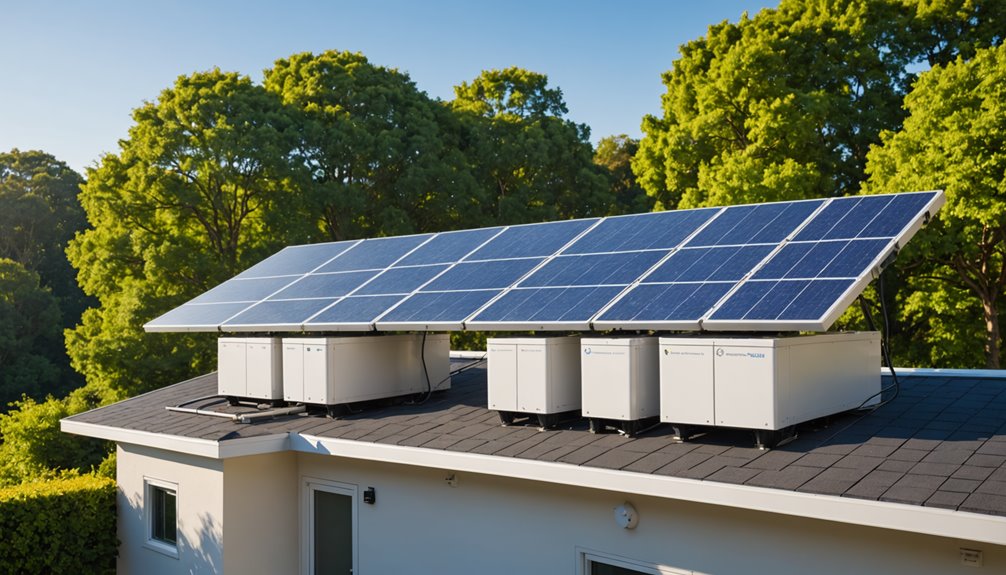

Electricity costs have increased steadily in recent years, prompting many homeowners to evaluate solar energy as a long-term cost management option. Solar photovoltaic systems convert sunlight into electricity, which can offset a portion or the entirety of a household’s grid consumption depending on system size and local conditions.
The financial case for solar depends on several measurable factors. Installation costs typically range from $15,000 to $30,000 before incentives, though the federal Investment Tax Credit currently reduces this by 30%. Most residential systems reach a break-even point within 6 to 12 years, after which the electricity generated represents direct savings.
Home suitability is determined by roof orientation, available sunlight hours, shading from nearby structures or trees, and the age and condition of the roof. South-facing roofs in high-sunlight regions generally produce the most favorable returns. Homes in areas with higher electricity rates also tend to see stronger financial outcomes.
Financing options include outright purchase, solar loans, leases, and power purchase agreements, each carrying different implications for ownership, savings potential, and tax eligibility. Purchasing the system outright typically yields the greatest long-term savings, while leasing arrangements reduce upfront costs but limit financial benefits.
Prospective adopters should obtain multiple installer quotes, review local utility net metering policies, and consult a tax advisor to accurately project costs and returns specific to their circumstances.
Key Takeaways
- Rooftop solar installations can reduce electricity expenses by approximately 15%, with actual savings varying based on geographic location, roof orientation, and household energy consumption patterns.
- Net metering policies enable solar system owners to receive bill credits for excess electricity exported to the grid, which can be applied toward reducing future utility costs.
- The Federal Investment Tax Credit offers a 30% deduction on eligible solar installation costs, lowering the overall financial burden of system acquisition and setup.
- Integrating battery storage with a solar system allows households to retain surplus energy for use during grid outages or periods of elevated electricity demand, potentially increasing overall cost efficiency.
- Residential solar systems have an average payback period of approximately 10 years, with cumulative savings estimated at $61,093 over a 25-year period, based on current energy pricing assumptions.
Why Electricity Bills Keep Rising and How Solar Responds
Electricity rates in the U.S. have risen steadily due to factors including increased demand, aging infrastructure, and higher fuel costs. The average household currently spends approximately $1,942 annually on electricity.
Rooftop solar installations, in some cases paired with battery storage, offer one method of reducing electricity expenses. Research indicates that roughly 60% of households are positioned to achieve cost reductions of around 15% through these systems, though outcomes vary depending on location, roof orientation, local utility rates, and energy consumption patterns.
Net metering programs, available in many states, allow solar system owners to receive credits for surplus electricity returned to the grid, further offsetting utility costs. The availability and terms of net metering differ by state and utility provider.
From a financial standpoint, the federal Investment Tax Credit currently allows eligible homeowners to deduct 30% of qualifying solar installation costs from their federal taxes. This incentive is scheduled through 2032 under current legislation, with gradual reductions planned thereafter.
Solar energy systems can reduce dependence on grid-supplied electricity, providing a degree of insulation against future rate increases. However, the extent of this benefit depends on system size, local regulations, and whether battery storage is included. Upfront installation costs, payback periods, and financing terms remain important considerations when evaluating whether solar represents a sound financial decision for a given household. In Connecticut, residential solar installations are estimated to offset approximately 8.5 tons of CO2 annually per home, a contribution equivalent to removing one car from the road each year.
How Solar Energy Cuts Your Monthly Electricity Costs
Solar panel installation reduces monthly grid electricity consumption, which results in lower utility bills. The extent of savings depends on system size, local electricity rates, and household energy usage patterns. By generating electricity on-site, homeowners become less exposed to utility rate fluctuations, which have historically trended upward over time.
Net metering policies, where available, allow homeowners to receive bill credits for surplus electricity sent back to the grid. These credits can offset consumption during periods when solar production is insufficient, such as nighttime or overcast conditions. Net metering terms vary by utility provider and state regulation.
The federal Investment Tax Credit (ITC) currently allows eligible homeowners to deduct 30% of solar installation costs from their federal tax liability. This incentive applies to both equipment and installation expenses and is subject to current federal tax law.
Energy consumption patterns also influence overall savings. Households that pair solar installation with energy efficiency improvements tend to see greater reductions in electricity costs, as lower overall consumption maximizes the proportion of needs met by solar generation.
According to industry data, residential solar installations can reduce electricity bills by a meaningful percentage over time, though actual savings vary considerably based on geographic location, system specifications, local utility rates, and financing arrangements. Long-term financial analysis should account for installation costs, financing terms, system maintenance, and the expected 25-30 year lifespan of modern solar panels.
Net Metering: How Solar Owners Get Paid for Excess Power
Net metering allows homeowners with solar panels to send surplus electricity to the grid in return for bill credits that reduce future energy costs. Compensation rates differ across states, and many utilities offer credits below the full retail electricity rate. A significant portion of U.S. homes receive credits based on the utility’s avoided cost of electricity, which is typically lower than the retail rate, reducing the financial benefit of net metering. In states with more favorable policies, solar owners can accumulate credits during high-production months to apply against consumption during periods of lower solar output, such as winter. As net metering compensation rates continue to decrease in various states, battery storage systems present a practical alternative by enabling homeowners to store and use their own generated electricity rather than exporting it to the grid. This approach can improve the overall return on a solar investment by reducing dependence on utility-supplied electricity and limiting exposure to fluctuating compensation policies.
Solar Plus Battery Storage: Your Defense Against Blackouts
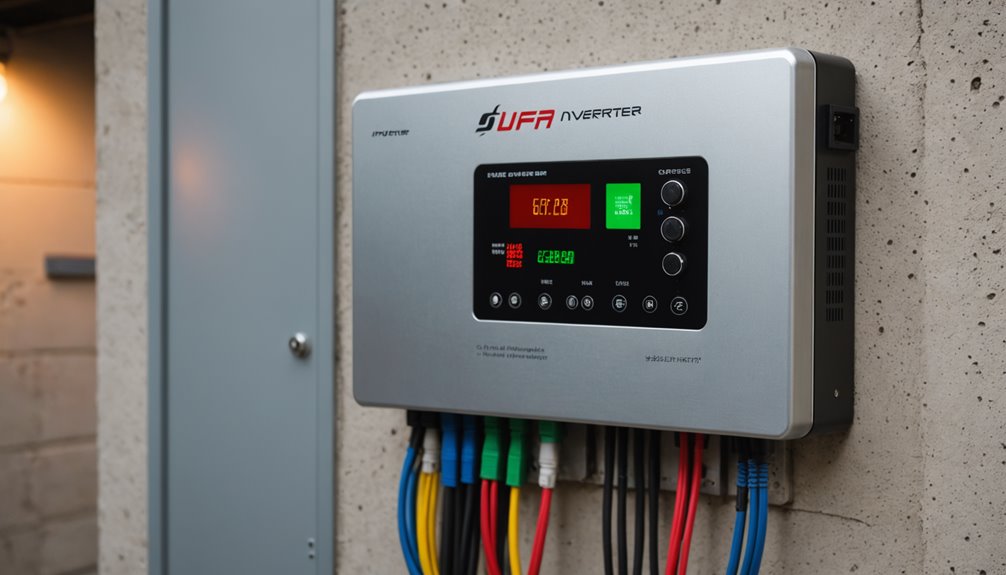
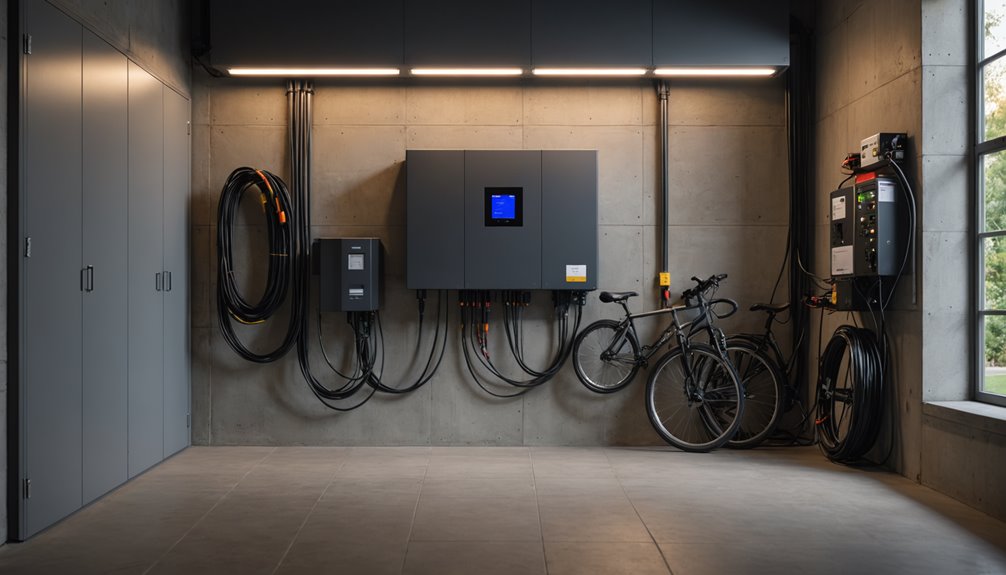
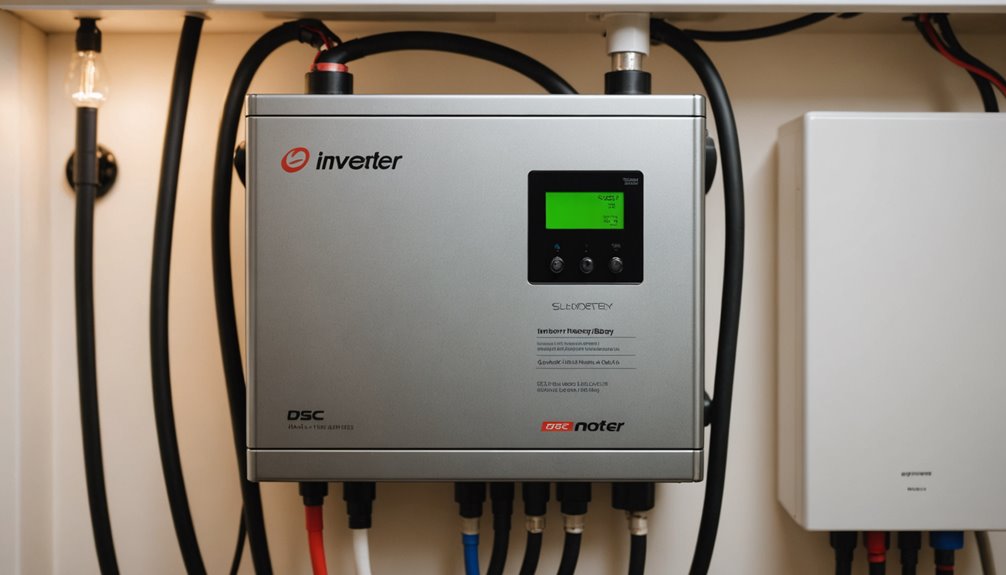
Solar plus battery storage systems offer an alternative approach for homeowners looking to manage their energy use more effectively, particularly as utility compensation rates for excess solar power decrease in many regions. Rather than returning surplus electricity to the grid at lower rates, battery storage allows households to retain and use that energy during periods when solar generation is unavailable, such as during nighttime hours or grid outages.
Approximately 63% of U.S. households are positioned to adopt this technology based on current infrastructure and housing conditions. Data suggests that combining residential solar with battery storage can reduce electricity bills by roughly 15%, depending on local utility rates, household consumption patterns, and system size. Projections indicate that backup power solutions incorporating battery storage could reach 60% of households by 2033, driven by declining equipment costs and increasing grid reliability concerns.
The practical value of these systems extends beyond cost savings. During grid outages, stored solar energy provides a degree of energy independence that standard grid-tied solar systems without batteries cannot offer. This factor has become increasingly relevant given the rising frequency of weather-related grid disruptions in various parts of the country. However, the financial case for solar plus battery storage varies by location, local utility policies, and individual energy consumption, making a site-specific assessment an important step before installation.
How to Tell If Your Home Is a Good Candidate for Solar
Determining whether your home is a suitable candidate for solar installation depends on several measurable factors. Reviewing your electricity bills is a practical starting point, as homes with higher energy consumption tend to see more significant reductions in utility costs following solar installation. Roof orientation plays a role in system output, with south or west-facing surfaces generally producing more energy due to greater sun exposure. As a reference point, a 10 kW system can offset a substantial portion of consumption for a household using approximately 10,791 kWh annually. Available financial incentives, including state tax credits and net metering programs, can improve the overall return on investment and should be evaluated based on local policy. For homes in areas with unreliable grid service, integrating battery storage with a solar system provides a functional source of backup power during outages.
What Does a Residential Solar System Actually Cost?
The cost of a residential solar system depends on several measurable factors. The average price stands at approximately $3.36 per watt, placing a standard 7-kW system at around $23,500 before incentives. The federal investment tax credit reduces this cost by 30%, which can account for savings of up to $12,000 on larger installations. Additional reductions may come from state and local tax incentives, utility rebates, and net metering programs, all of which vary by location and provider.
The average payback period for a residential solar system is approximately 10 years, after which the system continues to offset electricity costs for the remainder of its operational life. Over a 25-year period, the estimated cumulative savings reach approximately $61,093, though this figure depends on local utility rates, system performance, and energy consumption patterns.
For homeowners who cannot cover upfront costs, financing options such as home equity loans provide a means to spread payments over time. The long-term financial outcome is closely tied to rising utility rates, as higher electricity prices increase the relative value of solar generation. These figures represent averages and will differ based on geographic location, system size, installation conditions, and available incentives at the time of purchase.
Federal and State Solar Incentives Available Right Now
Federal and state incentives can reduce the overall cost of a solar installation. The Residential Clean Energy Tax Credit provides a 30% federal tax credit on solar PV and energy storage systems through December 31, 2025. Several states offer additional rebates and tax credits that can further offset installation costs. Net metering policies allow homeowners to receive bill credits for excess energy exported to the grid, reducing ongoing utility expenses. State-level programs such as Minnesota’s SEIP provide supplemental installation rebates for eligible participants. For those facing high upfront costs, financing options like Power Purchase Agreements and PACE loans offer alternative pathways to solar adoption, often requiring little or no initial capital outlay.
Financing Solar When You Can’t Pay Cash Upfront
Homeowners who lack the capital for an outright solar purchase have several financing mechanisms available. Home equity loans and renewable energy-specific loans distribute installation costs over time, typically offset in part by reductions in monthly electricity expenses. Under a power purchase agreement, a third-party provider owns and maintains the system, and the homeowner pays a fixed rate for the electricity generated, eliminating the need for upfront capital. Property Assessed Clean Energy financing structures the repayment obligation as a property assessment rather than a personal loan, which can carry implications for property transfers and mortgage refinancing.
The federal Investment Tax Credit currently allows eligible homeowners to deduct 30% of qualifying installation costs from their federal tax liability. This provision applies across financing structures and is scheduled to step down after December 31, 2025, making the timing of installation a relevant financial consideration. State and local incentive programs may also be available depending on jurisdiction, and these should be evaluated alongside federal provisions when calculating the total cost of a financed solar installation.
Is Solar Worth It for Your Home Right Now?
Whether solar is worth it for your home depends on several factors, including your location, local electricity rates, available financing options, and the status of current federal incentives. The existing 30% federal tax credit reduces the upfront cost of a solar installation, which can improve the overall return on investment. Net metering policies, where available, allow homeowners to receive bill credits for surplus electricity sent back to the grid, further offsetting utility costs. Long-term savings vary based on individual usage patterns, system size, and regional electricity prices, though estimates for 25-year savings can be substantial for many households. The federal tax credit is currently scheduled to change after 2025, which is a practical consideration when evaluating the timing of a solar investment. Consulting with a licensed installer and reviewing your utility bills and local incentive programs will provide a more accurate picture of whether solar makes financial sense for your specific situation.
Conclusion
Solar energy presents a viable option for homeowners looking to manage increasing utility costs. By generating electricity on-site, solar panels can reduce the amount of power drawn from the grid, directly lowering monthly electricity bills. Net metering programs, where available, allow excess energy produced by a solar system to be credited back to the homeowner’s account, further offsetting costs.
Battery storage systems can provide an additional layer of energy independence by storing surplus solar power for use during peak rate periods or grid outages, though these systems come with additional upfront costs that should be factored into any financial analysis.
From a financial standpoint, the federal Investment Tax Credit (ITC) currently allows eligible homeowners to deduct a percentage of their solar installation costs from their federal taxes. Various financing options, including loans, leases, and power purchase agreements, make solar accessible at different budget levels, though the long-term financial benefits vary depending on the arrangement chosen.
The return on investment for a solar installation depends on several factors, including local electricity rates, available sunlight, system size, installation costs, and applicable incentives. Homeowners considering solar should conduct a thorough cost-benefit analysis based on their specific circumstances, including reviewing current and projected utility rates in their area, to determine whether solar energy represents a sound financial decision for their household.