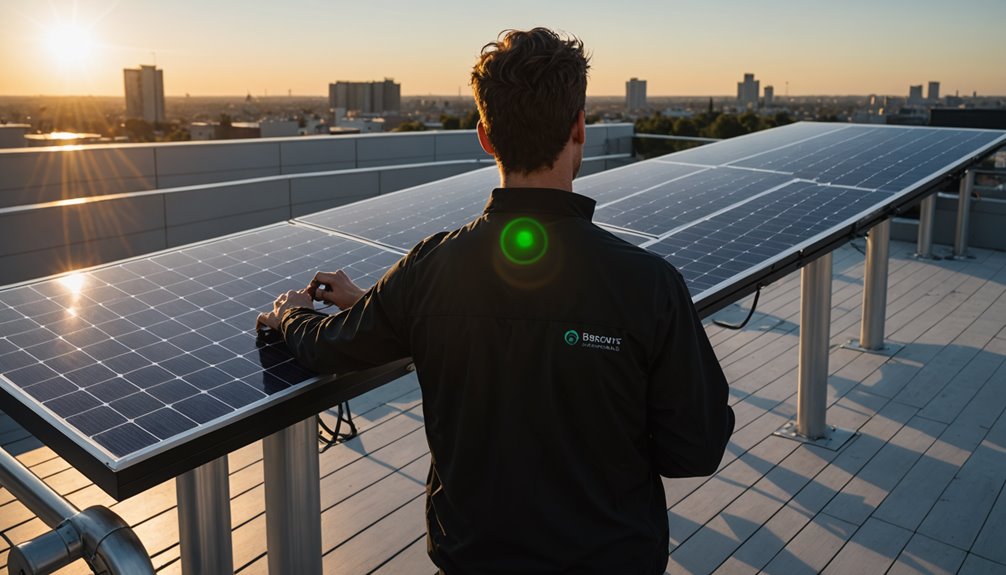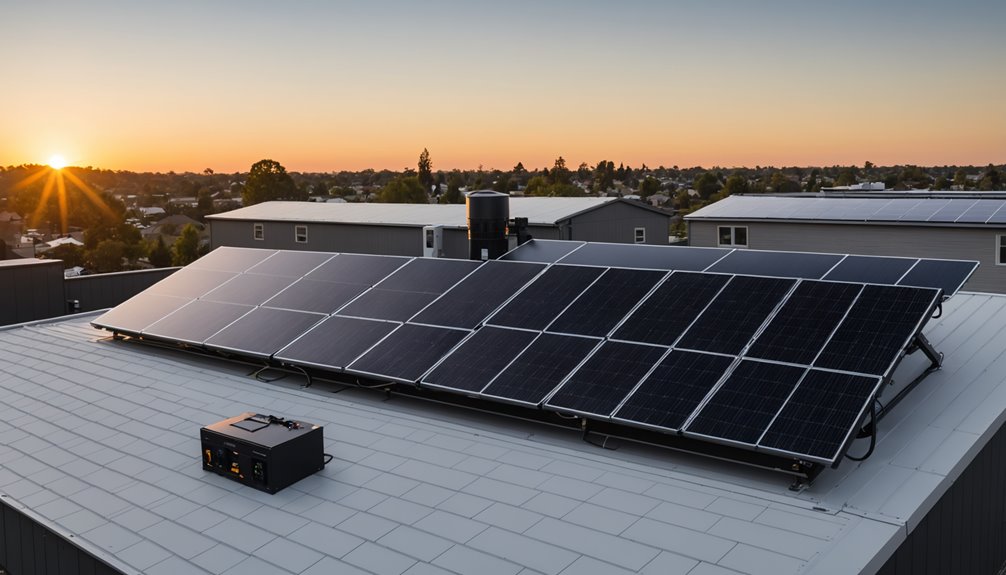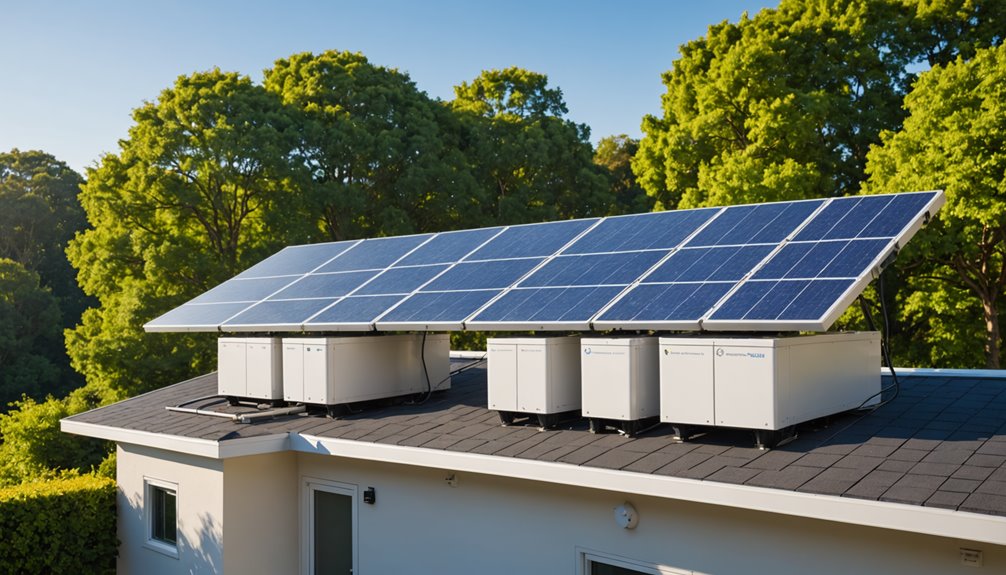

A power purchase agreement (PPA) is a financial arrangement in which a third-party solar developer owns and installs a solar panel system on a homeowner‘s property. The homeowner agrees to purchase the electricity generated by the system at a predetermined rate, typically for a contract period ranging from 15 to 25 years. Rather than owning the equipment, the homeowner is essentially buying the output of a system they do not own.
The financial implications of a PPA depend on several variables. The contracted electricity rate, the rate escalator clause, and the local utility’s pricing trajectory all determine whether a PPA will result in net savings over time. Many agreements include annual rate increases of one to three percent, which may or may not remain below projected utility rate increases depending on regional energy markets.
PPAs also carry implications for property transactions. Because the solar equipment belongs to the third-party provider, not the homeowner, any sale of the property requires either transferring the PPA to the buyer or paying a buyout fee to terminate the contract. Buyers may be unwilling to assume a long-term obligation, and buyout costs can be substantial depending on the remaining contract term and the agreement’s specific terms.
Before entering a PPA, reviewing the contract’s escalator clause, termination provisions, equipment maintenance responsibilities, and performance guarantees is advisable.
Comparing the total cost of the agreement against alternatives such as direct purchase or solar loans provides a more accurate basis for evaluating the arrangement’s financial merit.
Key Takeaways
- A solar PPA is a contractual arrangement in which a third-party developer installs, owns, and maintains a solar system on a homeowner’s property, selling the generated electricity to the homeowner at a predetermined rate, which is often set below prevailing utility prices at the time of signing.
- These agreements typically span 20 to 25 years, with payment structures that either charge monthly based on actual electricity consumption or allow for a single upfront prepayment, the latter of which generally reduces overall costs across the contract term.
- Because the developer retains legal ownership of the system, the homeowner is not eligible to claim federal tax credits or other ownership-based incentives, all of which remain with the developer.
- Many PPA contracts include annual price escalator clauses ranging from 2% to 5%, meaning cumulative costs over a 25-year period may ultimately surpass what a homeowner would have paid for grid electricity, making a thorough long-term cost comparison an important step before signing.
- A PPA introduces complications in real estate transactions, as the agreement is typically tied to the property rather than the individual. Selling the home generally requires either transferring the contract to a qualified buyer or paying a buyout fee, which can be substantial depending on the remaining contract term.
What Is a Solar PPA and How Does It Work?
A Solar Power Purchase Agreement (PPA) is a financial arrangement in which a third-party developer installs a solar energy system on a property and sells the electricity it generates to the property owner at a predetermined per-kilowatt-hour (kWh) rate. This rate is generally set below prevailing utility prices, though the actual savings depend on local electricity rates and the specific terms of the agreement.
Under this structure, the developer retains ownership of the system and assumes responsibility for its operation and maintenance. The property owner is not required to make an upfront capital investment but instead commits to purchasing solar-generated electricity over the duration of the contract, which typically spans 20 to 25 years.
A key consideration is how the agreed-upon rate compares to future utility prices. If utility rates rise over time, the fixed or escalating PPA rate may offer meaningful cost advantages. However, if utility prices remain stable or decline, the financial benefit may be more limited. Additionally, long-term contract terms can reduce flexibility, particularly for homeowners who may sell their property before the agreement expires, as PPAs can complicate real estate transactions.
By contrast, homeowners who purchase their systems outright may qualify for a federal solar tax credit worth 30% of the total system cost, a financial incentive that is not available to those entering into a PPA arrangement since the developer, not the homeowner, retains system ownership.
Monthly PPA vs. Prepaid PPA: Which Structure Fits You?
Monthly and Prepaid Power Purchase Agreements (PPAs) represent two distinct financing structures for solar energy adoption, each with specific financial implications.
A Monthly PPA involves no upfront capital outlay. Instead, the homeowner pays a per-kilowatt-hour rate for the electricity generated by the installed system. This rate typically includes an annual escalator clause ranging from 2% to 4%, meaning costs increase incrementally over the contract term. This structure suits those with limited available capital or those who prefer predictable, usage-based billing.
A Prepaid PPA requires a single upfront payment that covers the agreed contract period. In exchange, the rate is fixed, eliminating exposure to the annual escalation built into monthly structures. Over a typical 20–25 year contract, this can result in greater cumulative savings, provided the homeowner has sufficient capital to absorb the initial payment.
Both structures share common characteristics: the solar provider retains system ownership and assumes responsibility for maintenance and performance. The homeowner bears no ownership obligations or repair costs under either arrangement.
The decision between the two structures depends primarily on the homeowner’s liquidity and financial objectives. Those without readily available capital may find the monthly structure more accessible, accepting higher long-term costs in exchange for lower initial outlay. Homeowners with available capital may find the prepaid structure financially advantageous over time, as the fixed rate hedges against both escalation clauses and potential utility rate increases.
Who Gets the Tax Credits and Incentives in a PPA?
In a Power Purchase Agreement (PPA), the solar provider retains ownership of the installed system, which means they, rather than the homeowner, are eligible to claim available tax credits and incentives. This includes the federal Investment Tax Credit (ITC) and any applicable renewable energy certificates (RECs).
Homeowners participating in a PPA do not directly receive these tax benefits. However, the solar provider’s ability to claim such incentives can reduce their overall system costs, which may be partially reflected in the electricity rates offered to the homeowner under the agreement.
It is worth noting that the federal solar Investment Tax Credit is subject to legislative timelines and phase-down schedules, which can affect the financial calculations providers use when structuring PPA pricing. Homeowners should review the specific terms of any PPA carefully to understand how provider incentives factor into the agreed-upon electricity rate and any escalator clauses built into the contract.
The financial structure of a PPA is designed primarily around the provider’s ownership position and tax advantage. As a result, the homeowner’s benefit is indirect and dependent on how much of the provider’s tax savings are passed through in the form of competitive electricity rates. This distinction is an important consideration when comparing a PPA to outright solar ownership, where the homeowner would directly claim applicable tax credits.
How a PPA Changes What You Owe on Your Utility Bill
A Power Purchase Agreement (PPA) directly affects monthly electricity costs by replacing the local utility’s retail rate with a fixed per-kWh rate for solar energy generated on-site. Under this arrangement, homeowners consume solar energy before drawing from the grid, which reduces grid consumption and lowers the utility bill accordingly. The amount owed each month varies based on actual solar production, which is influenced by seasonal changes, weather conditions, and system performance. This variability distinguishes PPA payments from fixed loan payments, where the monthly obligation remains constant regardless of external factors. The degree to which a homeowner reduces overall electricity costs depends on how much energy the solar system generates relative to total household consumption. In months of high solar output, grid reliance decreases more substantially, whereas periods of reduced sunlight result in lower solar generation and a correspondingly greater dependence on grid-supplied electricity. Understanding this relationship between solar production and billing is essential for accurately evaluating the financial implications of a PPA.
Which Homeowners Actually Benefit From a PPA?
Not every homeowner derives equal value from a PPA. Those most likely to benefit include homeowners who lack the capital or credit access required for an outright solar purchase or loan, as the arrangement eliminates upfront installation costs. Homeowners who prefer predictable energy costs may also find value in fixed or gradually escalating rate structures, which can offer more stability than variable utility pricing in certain markets.
Those who cannot utilize federal or state solar tax credits, such as homeowners with limited tax liability, may benefit indirectly through a PPA, since the provider claims available credits and may reflect a portion of those savings in the contracted rate. Additionally, homeowners who prefer not to manage system maintenance may find the provider’s service obligations a practical advantage.
Long-term residents tend to extract more value from PPAs than those who anticipate selling their homes, as agreements typically span 20 to 25 years. Selling a home with an active PPA requires either transferring the contract to a buyer who qualifies and agrees to the terms, or paying an early termination fee, both of which can complicate transactions. For homeowners confident in their long-term residency, this concern is less significant.
Conversely, homeowners with strong credit, sufficient tax liability, and the means to purchase a system outright or through financing often achieve greater long-term savings by owning the system directly rather than entering a PPA.
The Real Cost of a Solar PPA After 25 Years of Escalators
For homeowners evaluating a solar PPA, the escalator clause warrants careful examination before signing any agreement. Annual escalators typically ranging from 2% to 5% compound over the contract term, producing a substantial increase in per-kilowatt-hour costs. A 3% annual escalator applied over a 25-year agreement results in a final-year rate approximately 2.1 times the initial contracted price. Depending on local utility rate trends, this cumulative increase may cause the PPA rate to surpass prevailing grid electricity prices in later contract years, reducing or eliminating projected savings. Before entering a PPA, calculating the total electricity expenditure across all 25 years and comparing it against both current grid rates and reasonable utility rate projections provides a more accurate basis for financial decision-making.
PPAs vs. Solar Loans: Which One Actually Saves More?
When comparing PPAs and solar loans, the central consideration is total cost and savings over the full contract term, not immediate pricing. PPAs remove upfront costs and provide electricity savings from day one, but annual price escalators, typically ranging from 1% to 3% per year, can reduce their long-term value relative to utility rates. Solar loans require fixed monthly payments, but ownership of the system enables access to the federal Investment Tax Credit, along with potential renewable energy credits, neither of which is available under a PPA structure.
Over a standard 25-year period, solar loan holders generally accumulate greater net savings due to these financial incentives and the absence of escalating contract rates. Once the loan is paid off, the system continues generating electricity at no additional cost, further improving the return on investment. PPA agreements, by contrast, involve ongoing payments to a third party throughout the contract duration.
Consumer trends reflect a broader shift toward ownership models, suggesting growing awareness of these long-term financial differences. That said, PPAs remain a practical option for those who cannot qualify for financing or prefer to avoid maintenance responsibilities, as these are typically assumed by the PPA provider.
The better option depends on individual financial circumstances, credit access, local utility rates, and available incentives. For those who can manage loan payments and qualify for applicable tax credits, solar loans tend to offer stronger long-term financial outcomes.
How a PPA Affects Your Home Sale or Transfer
A Power Purchase Agreement (PPA) can introduce notable complications when selling or transferring a home. Prospective buyers must either assume the existing PPA payments or the current homeowner must pay a buyout fee to terminate the contract. Most transfer arrangements require the approval of the solar company, which can add procedural complexity to real estate negotiations.
Research suggests that solar installations may increase property values by approximately 4.1%, though actual outcomes vary depending on local market conditions, buyer preferences, and regional energy costs. This potential value increase does not necessarily offset the contractual obligations that accompany a PPA.
The rigid structure of many PPA contracts can restrict a homeowner’s flexibility, particularly when buyout costs are substantial. These costs are typically calculated based on the remaining contract term and predetermined rates, which may not align with a homeowner’s financial position at the time of sale.
A thorough review of the transfer and buyout provisions within a PPA before signing is a practical measure for avoiding unforeseen financial and logistical complications during future property transactions. Key terms to examine include assignment clauses, buyout calculation methods, and any conditions that could affect the timeline of a home sale.
What Red Flags Should You Watch for Before Signing?
When reviewing a Power Purchase Agreement (PPA), several contract elements warrant careful examination. Annual escalator rates should be compared against projected market energy prices to determine whether the rate increases built into the contract remain cost-competitive over time.
Contract duration is a practical consideration, as terms typically range from 10 to 25 years and commonly include early termination penalties. Understanding these penalties in advance allows for more accurate long-term financial planning.
Solar Renewable Energy Credit (SREC) ownership is another contractual element that requires clarification before signing. Many providers retain these credits by default, which directly affects the overall financial return for the homeowner.
End-of-term provisions should be reviewed in detail to understand the available options once the contract expires, including any costs associated with system removal or contract renewal. These terms can vary significantly between providers.
In jurisdictions where solar installations may trigger property tax reassessments, it is advisable to research local tax regulations before entering into an agreement, as this could affect the net financial benefit of the installation.
Finally, comparing PPA terms against alternative financing arrangements, such as solar loans or direct purchases, provides a more complete picture of the total long-term cost. Each option carries distinct financial implications that should be evaluated based on individual circumstances.
How to Compare PPA Offers From Different Providers
Comparing PPA offers requires evaluating several factors beyond the initial per-kWh rate. Each provider’s pricing structure should be reviewed carefully, with particular attention to annual escalators, which incrementally increase energy costs over the contract term. Contract length is another relevant consideration, as longer agreements limit flexibility to renegotiate or switch providers.
Performance guarantees vary across providers and determine whether compensation is available if system output falls below projected levels. SREC ownership is a separate contractual matter; in most cases, developers retain these renewable energy credits rather than passing them to the homeowner, which affects the overall value of the agreement.
Transfer and buyout terms warrant close review, particularly for homeowners who may sell their property before the contract expires. These clauses differ significantly between providers and can affect transaction timelines and costs. Some providers structure their agreements around a fixed monthly rate rather than a variable per-kWh charge, which offers more predictable budgeting.
Evaluating these elements together, rather than focusing on any single variable, allows for a more accurate comparison of the actual cost and risk profile of each PPA offer.
Conclusion
A solar PPA may be a suitable option for homeowners who prefer not to purchase a system outright, though eligibility and benefit vary depending on individual circumstances. Key considerations include the projected savings relative to current utility rates, the specific terms outlined in the contract, and the potential impact on property resale. Reviewing multiple offers allows for meaningful comparison of rates, escalator clauses, and service conditions. Contracts should be examined carefully for provisions that may limit flexibility, such as transfer requirements or early termination fees. The decision should be based on a clear assessment of long-term financial implications rather than short-term savings alone.