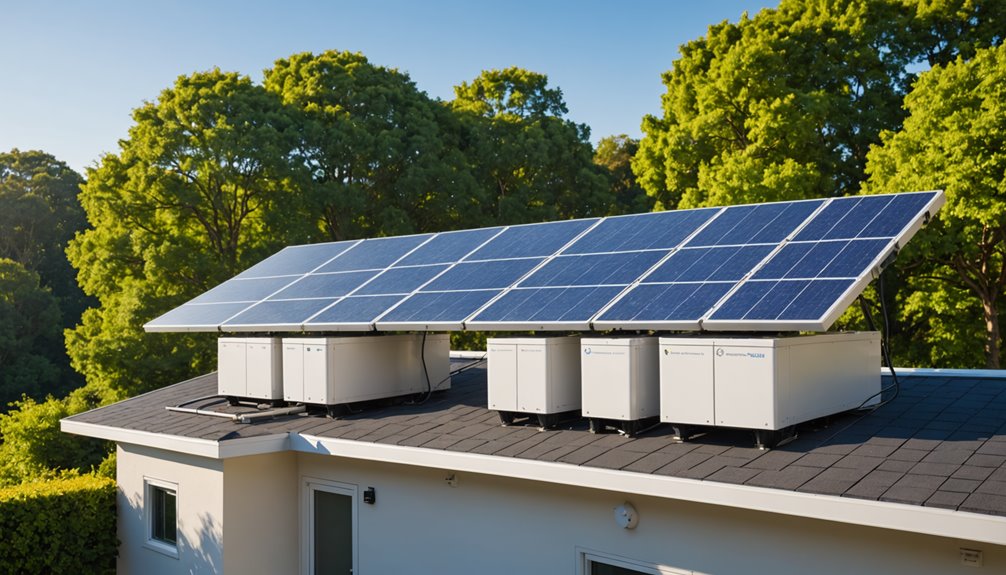
A hybrid solar system combines photovoltaic panels with battery storage and remains connected to the utility grid. This configuration carries a higher upfront cost than a standard grid-tied system, and understanding the specific cost drivers helps in evaluating whether the investment is justified.
The primary cost difference stems from the battery storage component. Lithium-ion battery banks, which are the most common choice for residential hybrid systems, typically add $8,000 to $15,000 to the total installation cost, depending on storage capacity.
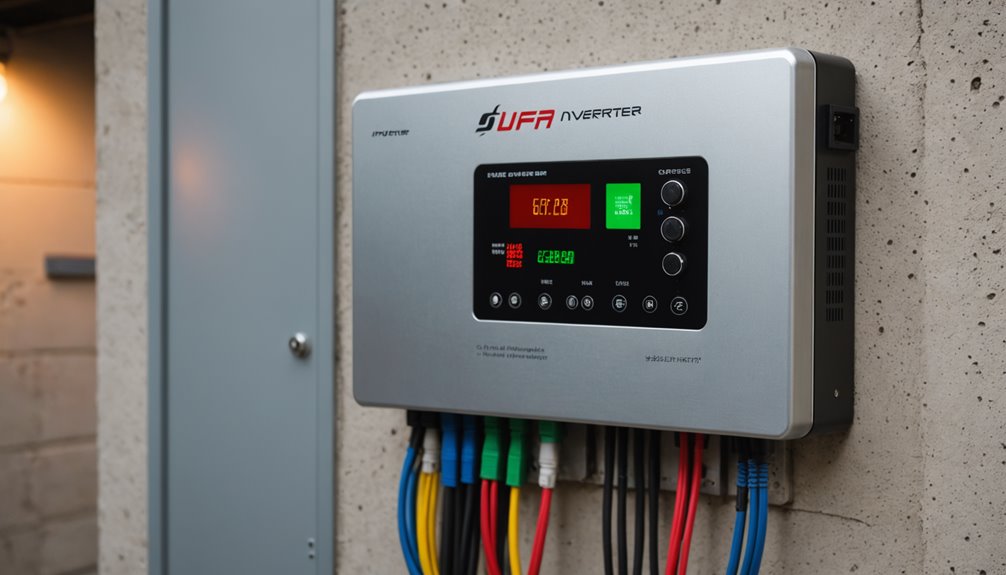
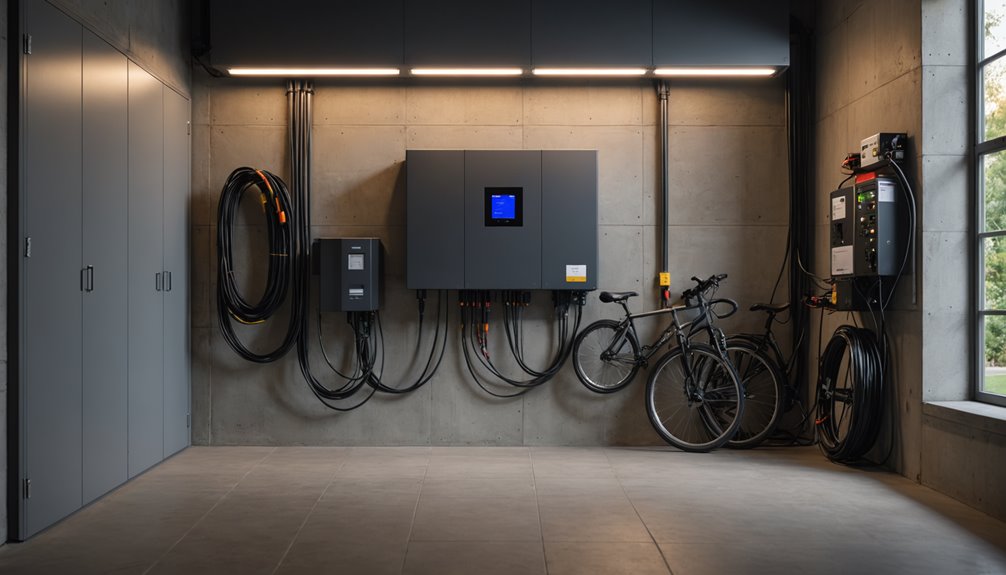
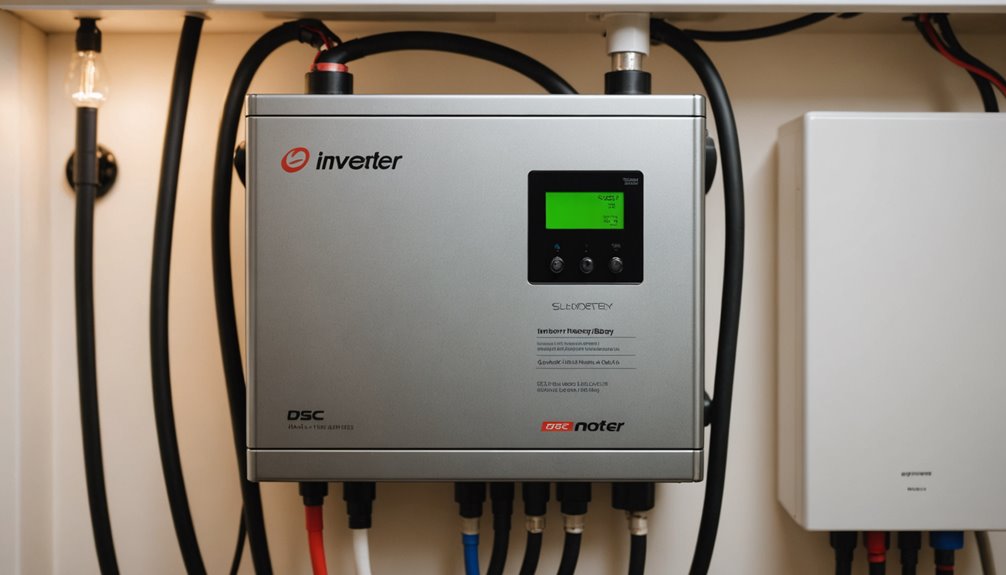
A hybrid-compatible inverter, which manages power flow between the panels, battery, and grid simultaneously, also costs more than a standard string inverter, often by $1,000 to $3,000.
Additional expenses include charge controllers, monitoring equipment, and more complex wiring configurations that require greater labor time during installation.
On the financial side, several factors influence whether these costs are recoverable. Households in areas with frequent grid outages, high time-of-use electricity rates, or limited net metering compensation tend to see stronger returns.
Battery storage allows users to consume self-generated electricity during peak-rate periods rather than drawing from the grid, which reduces ongoing electricity bills.
Federal tax incentives, including the Investment Tax Credit in the United States, currently apply to battery storage systems paired with solar, reducing the net cost by 30 percent. Some states and utilities offer additional rebates.
Payback periods for hybrid systems generally range from 8 to 14 years, compared to 6 to 10 years for standard grid-tied systems, making local energy rates and reliability a significant factor in the overall assessment.
Key Takeaways
Hybrid solar systems are priced between $25,500 and $40,500, which is notably higher than standard grid-tied systems that average around $20,000. The difference in cost is attributable to the inclusion of battery storage components.
Battery storage accounts for the largest share of total system expenses, representing 44–47% of overall costs. This translates to a price range of $12,000 to $18,000 for the storage component alone.
The Federal Investment Tax Credit provides a 30% deduction on qualifying solar installations. Depending on system size, homeowners can expect tax savings ranging from $7,650 to $12,150.
Return on investment timelines vary between 8 and 20 years. Homeowners in areas with higher local electricity rates tend to recover costs more quickly, with payback periods falling within the 8–12 year range.
Electrical infrastructure upgrades represent an additional cost category that is frequently absent from preliminary estimates. These upgrades can add anywhere from several hundred to several thousand dollars to the total installation cost, and should be factored into budget planning from the outset.
What Makes Hybrid Solar Systems More Expensive Than Standard Grid-Tied Systems
Hybrid solar systems carry higher upfront costs than standard grid-tied systems, primarily due to battery storage requirements. A 15 kWh battery bank typically costs between $12,000 and $18,000, bringing total hybrid system costs to a range of $25,500 to $40,500, compared to approximately $20,000 for a standard grid-tied installation.
Additional cost differences stem from the more complex equipment hybrid systems require. These systems depend on specialized components, including hybrid inverters and charge controllers, which are not necessary in grid-tied configurations. Electrical infrastructure upgrades, such as service panel modifications, contribute an additional $1,500 to $3,000 to the overall cost.
Long-term ownership costs also differ between the two system types. Battery storage units have a functional lifespan of roughly 10 to 15 years, after which replacement becomes necessary. This periodic expense has no equivalent in grid-tied systems, which rely entirely on grid infrastructure and contain fewer components subject to degradation.
The performance advantages of hybrid systems, namely energy independence during grid outages and the ability to store surplus generation, come at a measurable financial cost. For most installations, the total cost differential between hybrid and grid-tied systems is substantial enough to warrant careful financial analysis before a purchasing decision is made. Connecticut homeowners with solar can increase their self-consumption rates from approximately 30% to over 80% by incorporating battery storage, which helps offset long-term costs through reduced grid dependency.
Hybrid Solar System Costs in 2025: Typical Price Ranges
As of 2025, a residential hybrid solar system combining a 6 kW solar array with a 15 kWh battery generally falls in the range of $25,500 to $40,500 before incentives are applied. The 30% federal tax credit reduces that figure to approximately $17,850–$28,350 for eligible installations.
Cost components break down as follows: solar panels typically account for $6,000–$9,000, hybrid inverters for $3,000–$5,000, and battery storage for $12,000–$18,000. Installation costs add $4,000–$7,000, varying based on site-specific factors such as roof configuration, electrical panel upgrades, and permitting requirements.
State and local incentive programs may further reduce the net cost, though availability and value differ considerably by location. Consulting utility providers and state energy offices prior to purchase allows for a more accurate cost assessment.
What You’re Actually Paying For: Every Cost Component Explained
A hybrid solar system in the $25,500–$40,500 price range consists of five distinct cost components: solar panels ($6,000–$9,000), a hybrid inverter ($3,000–$5,000), battery storage ($12,000–$18,000), installation labor ($4,000–$7,000), and permits and inspections ($500–$1,500). Battery storage represents the largest single cost category, accounting for roughly 44–47% of total system expenditure.
Final pricing is influenced by system size, component specifications, and site-specific installation requirements such as roof condition, electrical panel capacity, and local labor rates. Quotes that deviate significantly from these component ranges warrant careful scrutiny, particularly in the inverter and installation categories where markup variation is common.
The federal Investment Tax Credit provides a 30% deduction on qualifying solar and battery installations through 2032, reducing total costs by approximately $7,650–$12,150 on systems within this price range. This credit applies to the combined cost of panels and storage when installed together, though specific eligibility conditions apply and should be verified with a tax professional.
A complete budget assessment should account for ongoing maintenance costs and eventual battery replacement, which typically occurs within 10–15 years depending on usage cycles and manufacturer specifications. These long-term expenses affect the overall financial calculation independently of available tax incentives.
How System Size Changes Your Hybrid Solar Cost
System size is one of the primary factors influencing hybrid solar costs. A 6 kW system with battery storage typically costs between $25,500 and $40,500, while 10 kW systems range from $24,700 to $43,200. Individual energy consumption determines where a given installation falls within these ranges. Installation costs increase with system complexity, generally adding $4,000 to $7,000 to the total. Battery storage capacity contributes an additional $12,000 to $18,000, depending on the technology selected. Larger installations tend to benefit from economies of scale, which can lower the per-watt cost. As a result, higher-capacity systems often represent a more cost-efficient option on a per-unit basis, even though their total upfront investment is greater.
Battery Storage Costs: Capacity Options and What Each Covers
Battery storage costs constitute a substantial portion of hybrid solar system investments. A standard 15 kWh system typically falls in the $12,000 to $18,000 range, providing approximately 8–16 hours of backup power for essential household loads under normal consumption conditions.
Households requiring whole-home backup coverage generally need systems in the 20–40+ kWh range, which increases total upfront expenditure accordingly. The appropriate capacity depends on several measurable factors, including average daily energy consumption, the number of critical appliances requiring backup power, and the anticipated duration of grid outages in a given area.
Lithium-ion batteries are the prevailing technology in current hybrid solar installations. Their rated cycle life spans from 2,000 to 10,000+ cycles depending on the specific chemistry and manufacturer specifications, with lithium iron phosphate variants generally performing at the higher end of that range. Cycle life is a relevant metric for calculating long-term cost-effectiveness, as it determines how long the battery will maintain usable capacity before degradation requires replacement.
Selecting an appropriate capacity involves weighing initial capital costs against documented household energy demands, particularly during grid outages and periods of peak consumption. Oversizing a system increases upfront costs without proportional benefit, while undersizing may leave critical loads without adequate coverage. Load analysis prior to purchase provides the most reliable basis for this decision.
Electrical Upgrades That Add to Your Hybrid System Budget
Electrical upgrades represent a substantial cost factor in hybrid solar system installations. A service panel upgrade from 100A to 200A typically runs between $1,500 and $3,000, providing the capacity needed to handle increased electrical loads. Dedicated circuits for the inverter and battery system add to overall installation expenses, as does compliance with local electrical codes, which may mandate specific wiring configurations or safety measures.
Grounding and surge protection components are standard requirements rather than optional additions, as they protect equipment from electrical faults and voltage irregularities. An updated electric meter is also necessary for accurately tracking energy production and net consumption, particularly in net metering arrangements with utility providers.
These electrical infrastructure costs are fixed requirements in most installations and should be accounted for in initial project budgeting. Failing to include them in early cost estimates often leads to budget shortfalls during the installation process. The combined expense of these electrical upgrades can range from a few hundred to several thousand dollars depending on the current state of a home’s electrical infrastructure and applicable local code requirements.
Tax Credits and Incentives That Reduce Your Hybrid Solar Cost
Tax credits and incentives can reduce the upfront costs of a hybrid solar system. The federal Investment Tax Credit (ITC) provides a 30% tax credit on hybrid solar installations, which translates to savings of approximately $7,650–$12,150 depending on system size and total cost. Some states offer additional programs; California’s Self-Generation Incentive Program (SGIP), for example, provides rebates of up to $1,000 per kWh for qualifying battery storage installations. Utility companies in various regions also offer incentives for energy storage systems, and time-of-use rate structures may lower electricity costs for households that can shift consumption to off-peak hours. The availability and value of these programs vary by location, so reviewing federal, state, and utility-specific incentive databases is advisable before making purchasing decisions.
How Long Until Your Hybrid Solar System Pays for Itself
The payback period for a hybrid solar system varies based on local electricity rates and geographic location, typically ranging from 8 to 20 years. In areas with higher energy costs and time-of-use pricing structures, the payback period tends to fall within the 8–12 year range. In regions with lower electricity rates, that period extends to approximately 16–20 years.
The federal solar tax credit reduces upfront costs by $7,650–$12,150, depending on total system cost, which affects the overall payback timeline. Current grid pricing trends, including the projected expansion of time-of-use rate structures, may further influence the financial performance of battery-integrated solar systems over time. Grid reliability considerations are also a practical factor some homeowners weigh when evaluating hybrid solar installations.
Why Installer Quotes for Hybrid Solar Systems Vary by Thousands
Quotes for hybrid solar systems vary significantly across installers due to several distinct factors. System design approaches differ between companies, as do component selections, inverter types, and panel efficiency ratings—each carrying different price points. Battery storage capacity directly affects total cost, with higher-capacity configurations commanding higher prices. Installation variables such as roof pitch, structural requirements, and necessary electrical panel upgrades also contribute to cost differences between quotes.
Installer credentials, years of experience, and the scope of warranty coverage influence pricing as well. Labor rates vary by region and company structure. A higher quote does not automatically indicate overcharging; it may instead reflect superior components, more comprehensive warranties, or a more qualified installation team.
The federal Investment Tax Credit currently allows homeowners to deduct 30% of the total system cost—including both equipment and battery storage—from federal taxes owed. Accounting for this credit before comparing quotes provides a more accurate picture of actual out-of-pocket costs. Evaluating quotes based solely on the upfront figure, without considering what each quote includes in terms of components and services, can lead to inaccurate cost comparisons.
When a Hybrid Solar System Is Worth It and When It Isn’t
A hybrid solar system may be a reasonable investment under specific circumstances. Homeowners who experience frequent grid outages, pay high electricity rates, or operate in areas with weak or unfavorable net metering policies are more likely to see a justifiable return. The 30% federal investment tax credit reduces the upfront cost, and long-term savings on electricity bills can offset the remaining expense over time. The practical benefits include backup power during outages, improved management of energy consumption, and reduced dependence on grid-supplied electricity.
Conversely, a hybrid system may not be cost-effective for homeowners with low overall energy consumption, infrequent or no grid outages, and access to favorable net metering agreements. In these cases, a standard grid-tied solar system without battery storage may adequately meet energy needs at a lower cost. The addition of battery storage introduces significant expense that may not be recovered through savings if the conditions supporting its value are absent.
The decision ultimately depends on an honest assessment of local utility rates, grid reliability, net metering terms, and household energy usage patterns.
Conclusion
Hybrid solar systems require a higher initial investment compared to standard solar installations, typically ranging from $25,500 to $40,500. Battery storage components account for approximately half of this total cost. These systems offer two measurable financial benefits over time: reduced dependence on grid electricity and a degree of insulation from utility rate increases.
Several factors should be evaluated before purchasing a hybrid system. Local electricity rates directly influence how quickly the system offsets its cost. Available federal and state tax credits can meaningfully reduce the upfront expense. The frequency of power outages in a given area also affects the practical value of battery backup capability.
For those who prioritize energy reliability and plan to remain in their current residence long enough to recoup the investment, a hybrid system may represent a sound financial decision. However, the higher cost relative to grid-tied solar systems without storage means careful financial analysis is warranted before committing.