Home battery backup systems store electrical energy for use during grid outages or periods of high utility rates. These systems vary significantly in storage capacity, measured in kilowatt-hours (kWh), and output power, measured in kilowatts (kW).
Selecting the right system depends on several practical factors, including household energy consumption, budget, and whether the system will integrate with existing solar panels.
Capacity requirements differ by household size and intended use. A system designed to power only essential appliances, such as a refrigerator and lighting, requires less capacity than one intended to sustain full household operations. Most residential systems range from 5 kWh to 20 kWh, with larger configurations available through stackable or modular units.
Cost is a significant consideration. Prices typically range from $7,000 to $15,000 installed, depending on the unit and local labor rates. Federal tax incentives, such as the Residential Clean Energy Credit, can offset a portion of that expense when the system is paired with solar.
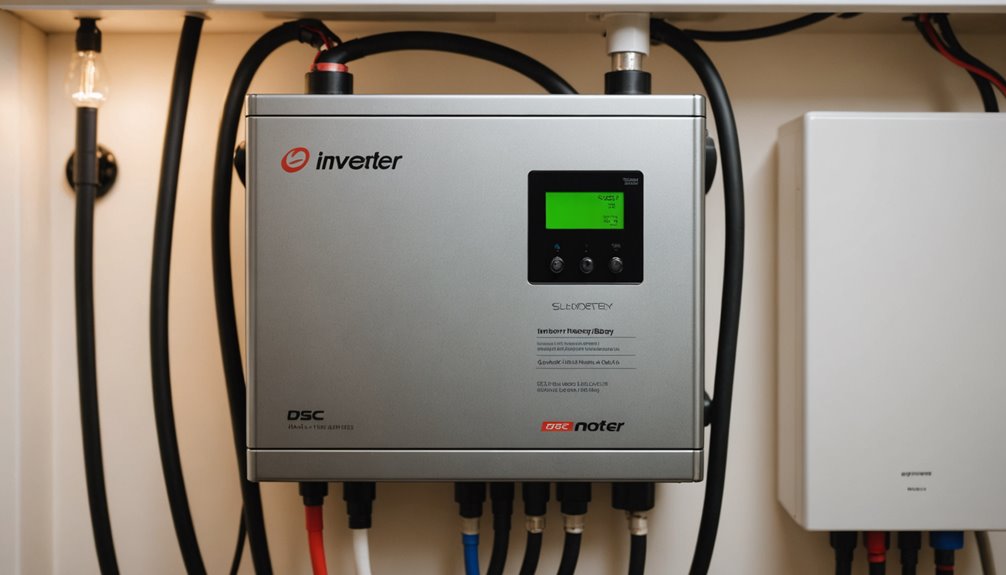
Compatibility with existing electrical infrastructure and inverter type also warrants attention. Some systems function as AC-coupled units, while others use DC coupling, which affects efficiency and installation requirements. Compatibility with specific solar inverter brands is not universal across all products.
Leading residential options currently include the Tesla Powerwall, Enphase IQ Battery, LG RESU, and Generac PWRcell, each with distinct specifications suited to different household needs and existing energy setups.
Key Takeaways
- The Tesla Powerwall 3 provides 13.5 kWh of storage capacity with built-in solar integration compatibility, priced at approximately $12,000 for residential installations.
- The EcoFlow Delta Pro Ultra offers a modular design with expandable capacity, beginning at $7,499, allowing households to scale storage according to their specific energy consumption requirements.
- The Anker Solix X1 supports configurations reaching up to 180 kWh, making it a practical consideration for households requiring substantial or whole-home backup power coverage.
- The Enphase IQ Battery 10T comes with a 15-year warranty, providing a measurable indicator of long-term reliability for residential energy storage applications.
- The EcoFlow Stream Series is positioned at a lower price point, suitable for homeowners with limited backup power requirements or those seeking a portable energy storage solution.
What Is a Home Battery Backup System?
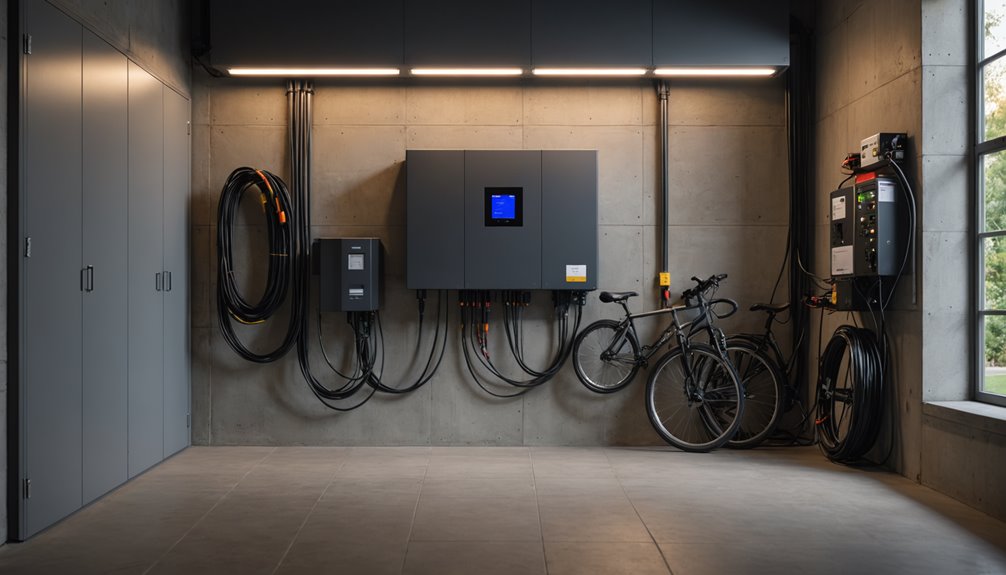
A home battery backup system is a rechargeable energy storage unit designed to supply electricity to a home during grid outages. It stores energy drawn from the grid or solar panels and releases it when needed. Unlike fuel-powered generators, these systems operate without emissions and produce minimal noise, making them suitable for both indoor and outdoor installation.
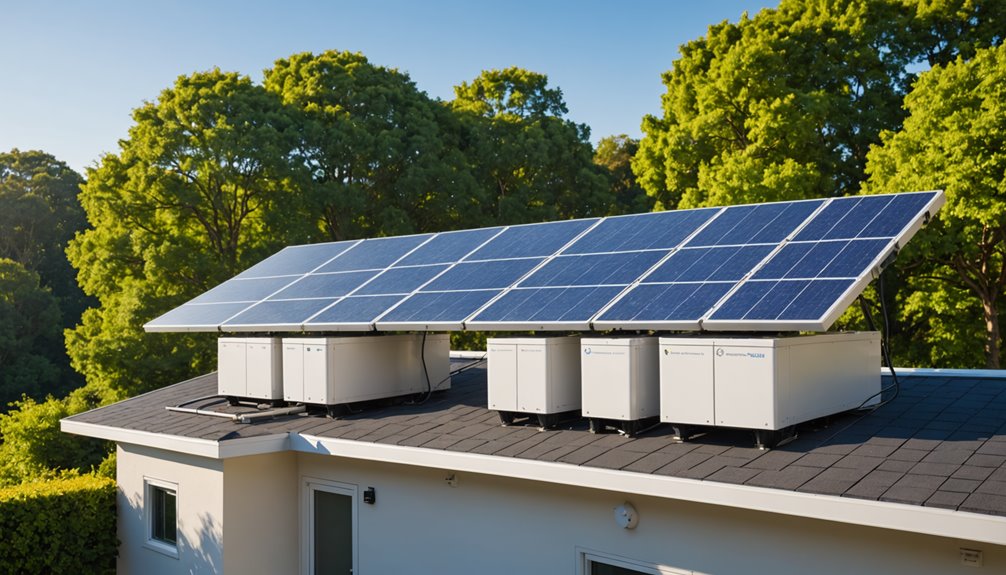
Depending on the capacity of the system, it can power essential appliances, specific circuits, or an entire home. Many units are designed with expandability in mind, allowing additional battery modules to be added as energy demands increase. When integrated with solar panels, a home battery system can reduce dependence on the grid by storing excess solar energy for later use, which may improve overall energy efficiency and lower utility costs over time. For solar households, pairing panels with a battery system can increase self-consumption rates from around 30% to over 80%, significantly reducing the amount of energy drawn from the grid.
Is a Home Battery Backup Better Than a Gas Generator?
When comparing home battery backup systems to gas generators, both options present trade-offs worth considering. Battery backup systems, such as the Tesla Powerwall, produce no direct emissions and provide immediate power during outages without the startup delay associated with gas generators. These systems can integrate with solar panels, allowing homeowners to store excess electricity generated during peak hours. Battery systems are also capable of powering essential appliances, including HVAC units and medical devices.
Gas generators, by contrast, require ongoing fuel storage and management, produce exhaust emissions, and typically take several seconds to minutes to begin supplying power after an outage occurs. They do, however, tend to have lower upfront costs and can run continuously as long as fuel is available, which may be an advantage during extended outages.
Home battery backup systems carry initial costs ranging from $2,500 to $30,000, depending on capacity and installation requirements. While this represents a significant upfront investment, reduced fuel costs and potential utility savings over time can offset the expense. The most suitable option ultimately depends on factors such as outage frequency, power consumption needs, budget, and whether solar integration is a priority.
How Much Backup Power Does Your Home Actually Need?
Calculating backup power requirements begins with cataloging essential appliances and their wattage demands. Motor-driven devices such as refrigerators and sump pumps require surge watts at startup, which typically exceed their standard running watts and must be accounted for in any accurate assessment.
The intended duration of backup power is a key variable in determining necessary battery capacity. A standard home battery system with approximately 7.4 kWh of usable capacity can sustain essential appliances for around 8 hours under typical load conditions. Whole-home backup systems generally require between 10 and 30 kWh, depending on the size of the home and the number of appliances being supported.
A recommended practice is to build a 20% buffer into capacity calculations to accommodate unexpected load increases or estimation errors. Supplementary options, such as additional battery units or portable power stations, can extend coverage and provide flexibility for varying demand scenarios. Reviewing historical utility bills offers useful data for estimating average consumption patterns, which strengthens the accuracy of system sizing. Combining these inputs produces a more reliable foundation for selecting a backup power configuration suited to a household’s specific requirements.
Which Home Battery Backup Systems Are Worth Buying?
Selecting a home battery backup system requires evaluating energy capacity, cost, warranty terms, and scalability. The Tesla Powerwall 3 offers 13.5 kWh of storage at an estimated cost of $12,000, making it a viable option for whole-home backup. The EcoFlow Delta Pro Ultra provides expandable battery capacity with seamless power transfer, with pricing starting at $7,499. For users requiring larger-scale storage, the Anker Solix X1 supports configurations up to 180 kWh. The Enphase IQ Battery 10T is notable for its 15-year warranty, which provides a degree of long-term reliability assurance. For those with more modest or portable power needs, the EcoFlow Stream Series represents a lower-cost entry point into home battery backup.
What Does a Home Battery Backup System Cost to Buy and Install?
The total cost of a home battery backup system depends on several key variables, including battery capacity, power output requirements, installation fees, solar compatibility, and local permitting costs. Entry-level backup solutions begin at approximately $2,500, while comprehensive whole-home systems typically range from $10,000 to $30,000.
Specific product pricing reflects this range. The EcoFlow Delta Pro Ultra starts at $4,099, and the Tesla Powerwall 3 is priced at roughly $12,000 before installation. Cost per kilowatt-hour varies considerably across available models, making direct comparisons useful when evaluating options.
Beyond equipment costs, professional installation represents a significant budget consideration. A transfer switch, which is often required for safe grid disconnection, adds between $399 and $2,299 to the overall expense. Systems designed to integrate with existing or planned solar installations may carry additional costs depending on the complexity of the setup.
Conclusion
Home battery backup systems vary in their suitability depending on specific residential needs. The Tesla Powerwall 3, EcoFlow Delta Pro Ultra, Enphase IQ Battery 10T, and Anker Solix X1 differ in their capacity, compatibility, and installation requirements. Key factors to consider when selecting a system include budget constraints, household energy consumption, solar panel compatibility, and local installation codes. A careful evaluation of these variables will help determine which system aligns with a given home’s energy profile and long-term power continuity requirements.