When choosing solar panels, the type of inverter selected plays a significant role in overall system performance.
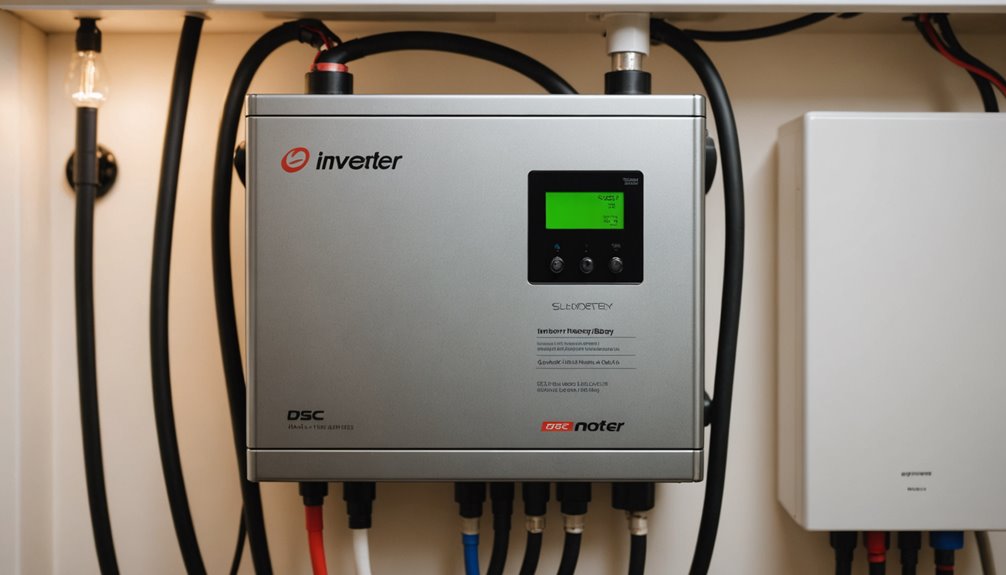
Inverters convert direct current (DC) generated by solar panels into alternating current (AC) usable by household appliances.
String inverters connect multiple panels in a series circuit and process the combined output through a single unit, while microinverters attach to each panel individually and convert power at the source.
Each configuration has distinct characteristics related to cost, efficiency, maintenance, and suitability for different installation conditions.
Evaluating these factors against specific home circumstances is a practical starting point for making an informed decision.
Key Takeaways
- String inverters have lower upfront costs but typically require replacement every 10–15 years, which can offset initial savings when considering total system lifetime expenses.
- Because microinverters function independently at the panel level, a single underperforming or shaded panel does not reduce the output of the remaining panels in the system.
- Roof configurations involving multiple orientations, angles, or frequent shading are generally better served by microinverters, as string inverters perform less effectively under these conditions.
- Microinverters commonly carry 25-year warranties, aligning with standard solar panel lifespans, while string inverter warranties typically range from 10 to 12 years, meaning potential replacement costs during the system’s operational life.
- String inverters are a practical choice for straightforward, unshaded roof layouts, while microinverters provide greater flexibility for future system expansion and enable panel-level performance monitoring.
How Solar Inverters Convert DC Power to Usable AC Electricity
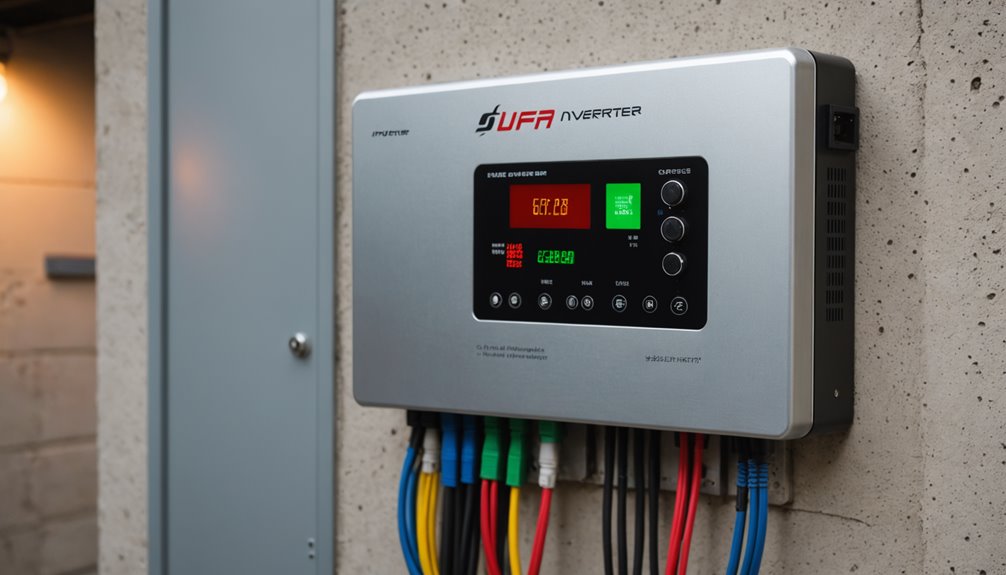
Solar inverters function as the interface between solar panels and a home’s electrical system, converting direct current (DC) electricity generated by the panels into alternating current (AC) electricity required by standard appliances. This conversion relies on semiconductor components such as diodes and transistors, which switch energy direction at a controlled rate to produce AC electricity at 60 Hz, consistent with the US grid standard.
Two primary inverter configurations exist. String inverters process DC power from multiple panels wired in series, treating the array as a single unit. Microinverters, by contrast, are installed on individual panels and optimize each panel’s output independently. The practical difference between these configurations centers on system performance under variable conditions. When one panel in a string inverter system underperforms due to shading or soiling, output from the entire string is affected. Microinverters isolate each panel’s performance, preventing one underperforming unit from reducing overall system output.
The choice between these configurations has measurable consequences for energy yield and long-term system efficiency. Roof layouts with partial shading, multiple orientations, or varying panel conditions generally favor microinverters, while unobstructed arrays with consistent exposure may perform adequately with string inverter setups at a lower equipment cost. Inverter selection, therefore, warrants careful consideration relative to site-specific conditions and performance expectations. Regardless of inverter type selected, residential solar systems in Connecticut are built to last over 25 years and are eligible for a 30% federal tax credit on total system costs.
How String Inverters Work: and Where They Fall Short
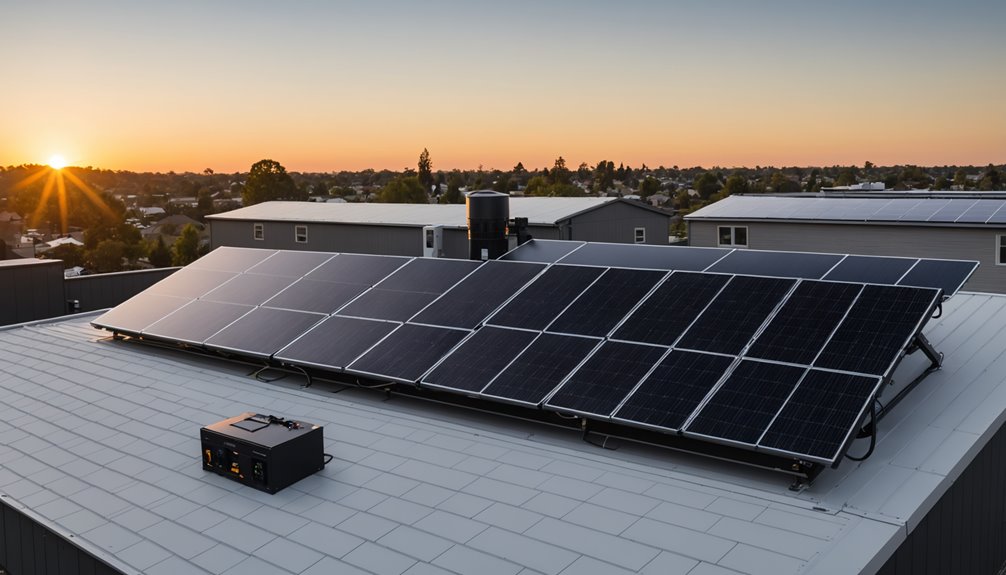
String inverters connect multiple solar panels in series, routing their combined DC electricity to a single central unit that converts it to AC electricity. This configuration has several notable limitations. System performance is tied to the lowest-performing panel — if one panel is affected by shading or damage, output across the entire string is reduced. String inverters also have a typical lifespan of 10 to 15 years, which is shorter than that of the solar panels themselves, meaning replacement costs should be factored into long-term financial planning. Additionally, because all panels depend on a single inverter, any failure results in a complete loss of system output until repairs are completed. For installations on roofs with complex layouts or partial shading, these constraints can meaningfully reduce overall energy yield and return on investment.
How Microinverters Work: and Why They Cost More
Microinverters are installed directly on the back of each solar panel, converting DC to AC electricity at the panel level rather than routing DC current to a central inverter. This configuration allows each panel to operate independently, so reduced output from a shaded or underperforming panel does not proportionally affect the rest of the system. The setup also supports panel-level performance monitoring, providing more granular data than string inverter systems typically offer.
Microinverters generally come with a 25-year warranty, which aligns with the expected lifespan of solar panels themselves. This contrasts with string inverters, which commonly carry 10 to 12-year warranties. The distributed nature of the technology also simplifies system expansion, as additional panels can be integrated without requiring changes to a central inverter.
The primary drawback is cost. Because each panel requires its own microinverter unit, the total hardware and installation expenses are higher compared to a single string inverter setup. This cost difference is a significant factor in determining whether microinverters are the practical choice for a given installation, particularly for larger systems where the per-unit cost multiplies accordingly.
What Happens to Your Output When One Panel Is Shaded?
When one panel in a string inverter system is shaded, the output of the entire string is reduced to match that panel’s diminished production. For example, if shading limits one panel to 60% of its rated output, the full string operates at that same reduced level. Microinverters address this limitation by allowing each panel to function independently, meaning a reduction in one panel’s output does not affect the remaining panels in the array. Panel-level monitoring is also available with microinverter systems, enabling more precise identification of underperforming panels. This independent operation can improve overall system output, particularly in installations where shading from trees, chimneys, or other obstructions affects portions of the roof at different times of day.
How Do String Inverters and Microinverters Compare?
String inverters and microinverters both convert DC power generated by solar panels into AC electricity for household or grid use, but they differ in several practical ways.
String inverters connect multiple panels in a series circuit, making them a cost-effective option for straightforward roof configurations with minimal shading. However, because panels operate as a single unit, reduced output from one panel — due to shading, dirt, or damage — affects the performance of the entire string.
Microinverters are installed on individual panels, allowing each panel to operate independently. This design maintains overall system output when individual panels experience shading or performance issues. The independent operation also enables panel-level monitoring, which provides more granular performance data compared to the system-wide reporting typical of string inverters.
The two technologies also differ in warranty coverage. Microinverters generally come with 25-year warranties, while string inverters typically carry warranties of 10 to 12 years. This difference reflects the longer expected operational lifespan of microinverters and may factor into long-term maintenance and replacement cost considerations.
String inverters tend to have lower upfront installation costs, making them a practical choice for simpler installations. Microinverters carry higher initial costs but may offer advantages in situations involving complex roof layouts, partial shading, or where detailed performance monitoring is a priority.
How to Choose Based on Roof Complexity, Shade, and Budget
Selecting between string inverters and microinverters depends on three primary factors: roof configuration, shading conditions, and available budget.
Roof complexity plays a significant role in this decision. Systems with multiple roof planes or varying panel orientations benefit from microinverters, as each unit optimizes its individual panel’s output independently. String inverters, by contrast, treat all connected panels as a single unit, which can reduce overall efficiency when panels face different directions or angles.
Shading is another practical consideration. When one or more panels on a string inverter system receive reduced sunlight, the output of the entire string is affected. Microinverters isolate each panel’s performance, meaning shading on one panel does not directly reduce the output of adjacent panels.
From a cost perspective, string inverters carry a lower initial installation cost, making them a reasonable choice for straightforward roof layouts with minimal shading. Microinverters involve higher upfront expenditure but offer certain long-term advantages, including panel-level monitoring and more straightforward system expansion. Panel-level monitoring allows homeowners and installers to identify underperforming panels with greater precision than system-level data alone provides.
For systems with simple, unshaded roof layouts and limited budgets, string inverters remain a practical and cost-effective solution. For more complex installations or those requiring detailed performance data, microinverters present measurable functional advantages that may justify the additional cost over time.
What Do Warranties and Repairs Actually Cost Long-Term?
Warranty terms and repair logistics vary considerably between string inverters and microinverters, and these differences carry meaningful long-term financial implications.
String inverters typically come with 10–12 year warranties. Given that solar panel systems commonly operate for 25–30 years, this warranty gap means owners may face one or more full replacement cycles during the system’s lifetime. Each replacement involves both equipment and labor costs, and a string inverter failure disables the entire system, resulting in lost energy production until repairs are completed.
Microinverters generally carry 25-year warranties, more closely aligned with the expected lifespan of the panels themselves. This reduces the likelihood of unplanned replacement costs over the system’s operational period. However, because microinverters are mounted on the roof alongside each panel, any physical service call requires roof access, which increases labor costs compared to ground-level string inverter servicing.
On a per-visit basis, string inverter repairs tend to be less expensive. Over the full lifespan of a solar system, however, the cumulative cost of multiple string inverter replacements, combined with associated labor and potential downtime losses, can exceed the higher upfront and occasional service costs associated with microinverters. A complete cost comparison should account for replacement frequency, labor rates, and the financial impact of system downtime rather than focusing solely on individual service visit costs.
Does Battery Storage Affect Your String Inverter or Microinverter Choice?
When adding battery storage to a solar setup, the choice of inverter type determines which battery configurations are compatible. String inverters are generally compatible with DC-coupled battery systems, whereas microinverters are typically paired with AC-coupled battery storage. For those planning to expand their solar systems over time, microinverters tend to offer more straightforward integration with battery storage additions. Microinverters also provide panel-level monitoring, which can improve energy capture in conditions where partial shading affects system performance. From a cost perspective, string inverters carry lower upfront costs, while microinverters represent a higher initial investment that may be warranted when consistent battery performance is a priority. The appropriate inverter choice depends on factors such as roof configuration, system expansion plans, and specific battery storage requirements.
Conclusion
The choice between string inverters and microinverters depends on several site-specific and financial factors. String inverters are generally the more cost-effective option for installations where roof orientation is straightforward and shading is minimal. In these conditions, the performance limitations of string inverters are unlikely to be a significant concern.
Microinverters are better suited for installations where partial shading is present, roof geometry is complex, or panel-level performance monitoring is a priority. These systems allow each panel to operate independently, which reduces the impact of shading or panel degradation on overall system output. However, this capability comes at a higher upfront cost.
Additional considerations include compatibility with battery storage systems and long-term maintenance expenses. Some string inverter configurations require additional equipment to integrate with battery storage, while microinverter systems may offer more straightforward compatibility depending on the manufacturer. Warranty terms also differ between the two technologies and should be evaluated as part of the total cost of ownership before reaching a final decision.