Solar panels require regular maintenance to operate at peak efficiency and remain under warranty coverage.
Neglecting basic upkeep can lead to measurable reductions in energy output and may invalidate manufacturer warranties.
Understanding and following a structured maintenance routine is straightforward and does not demand significant time or technical expertise.
This guide outlines the key practices homeowners should follow to protect their investment and maintain system performance over time.
Key Takeaways
Solar panels typically require cleaning one to four times per year. This process should involve a soft brush, mild soap, and distilled water, and should be performed during early morning or evening hours to avoid thermal shock to the panels and rapid evaporation of cleaning solutions.
Visual inspections should be conducted every three to six months. These inspections serve to identify structural issues such as cracks and corrosion, accumulated debris, and any new sources of shading that may have developed over time and are reducing system output.
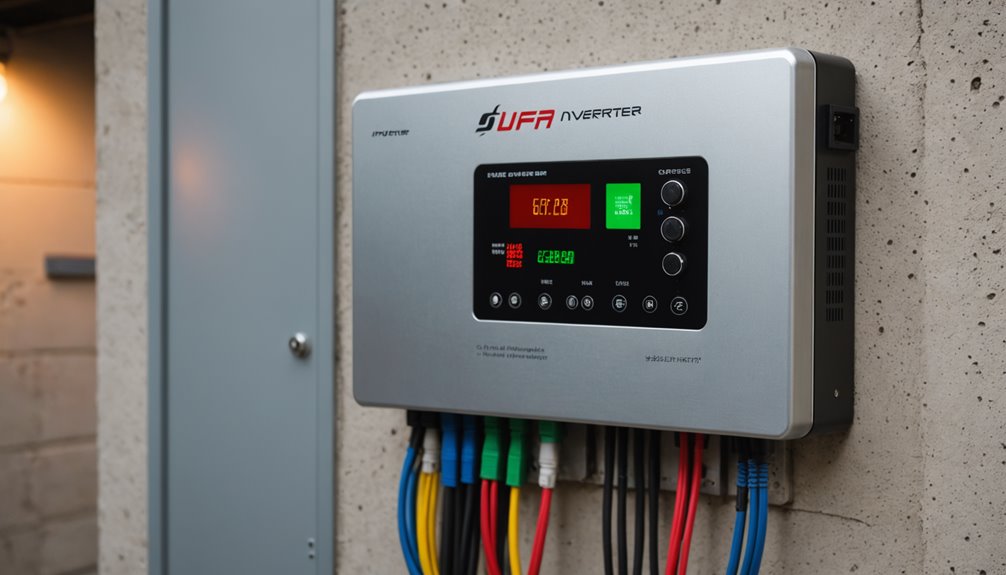
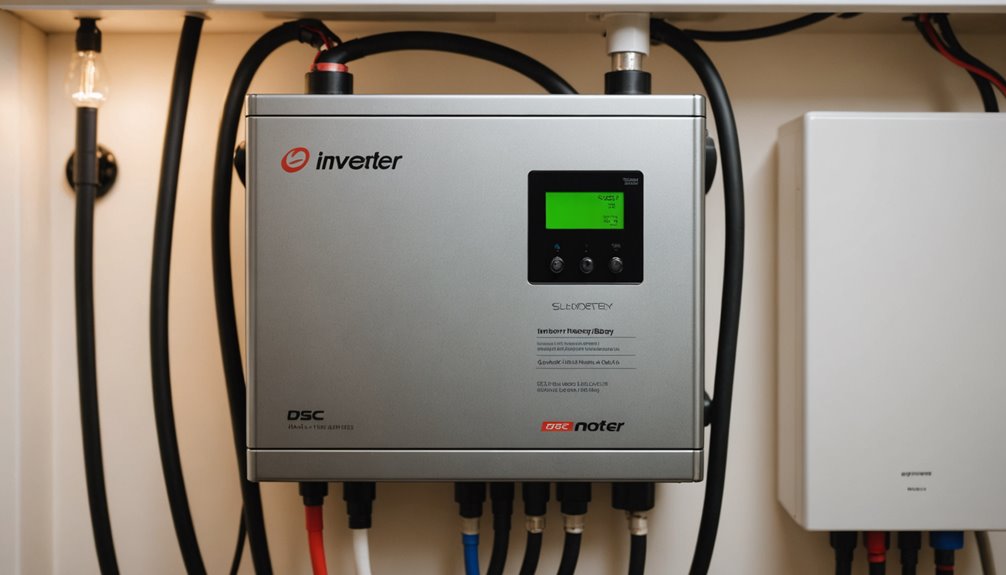
Monthly monitoring of energy production data allows homeowners to identify gradual or sudden declines in performance. Inverter components require professional inspection on a separate schedule, generally every one to two years, as they are subject to wear independent of the panels themselves.
Professional technician involvement is warranted under several specific conditions: a sustained reduction in energy output that cannot be attributed to environmental factors, visible physical damage to panels or mounting hardware, electrical irregularities such as unusual sounds or tripped breakers, and post-severe weather assessments for damage that may not be externally visible.
Annual maintenance expenditures for residential solar systems typically remain below $500. Maintaining thorough and dated records of all maintenance activities, inspections, and repairs is a practical requirement, as many manufacturers condition their warranty coverage on documented evidence of proper and consistent upkeep.
How Often Do Solar Panels Actually Need Maintenance?
Solar panels require minimal maintenance, but periodic attention is necessary to sustain optimal performance. Cleaning should occur one to four times per year, with frequency determined by local environmental conditions such as dust accumulation, pollen levels, and bird activity. Visual inspections every three to six months allow for the identification of debris buildup or shading that may reduce energy output. Monthly monitoring of energy production data through tracking systems enables early detection of performance decline. Professional inspections of inverters and electrical components are recommended every one to two years to verify system integrity. Following severe weather events, a prompt inspection of mounting hardware and panel surfaces is advisable to identify and address any structural or physical damage before it leads to further system degradation. Homeowners should also keep in mind that residential solar systems are built with 25-year performance longevity in mind, meaning consistent minor upkeep is far less costly than the long-term savings and energy production the system delivers.
What Your Solar Monitoring App Is Telling You
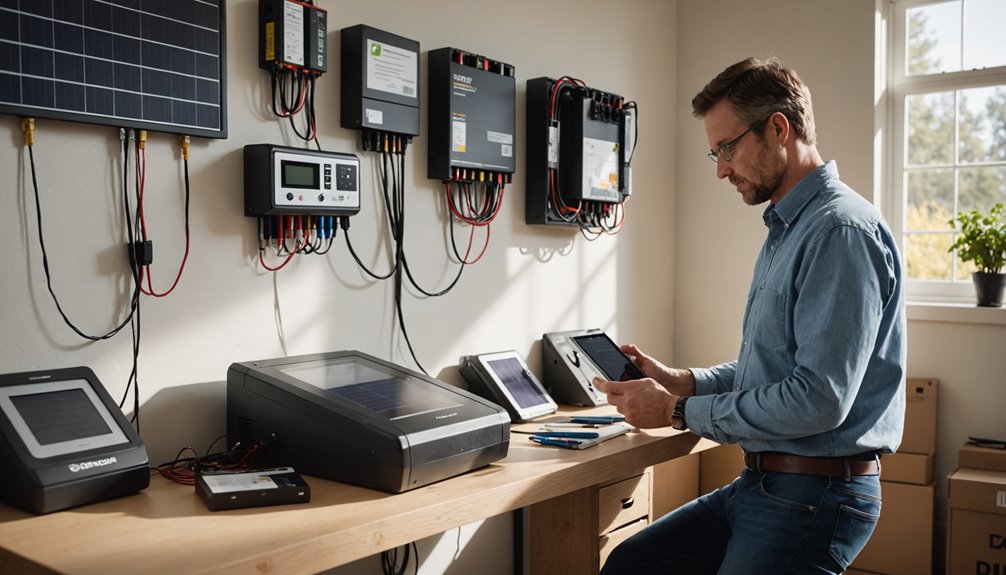
Solar monitoring applications such as Enphase Enlighten and SolarEdge provide real-time data on energy production, allowing system owners to identify performance irregularities as they occur. Sudden drops in output can indicate specific technical issues, including inverter malfunctions, shading obstructions, or wiring faults, and early detection through these platforms can reduce the scope of necessary repairs.
Most monitoring applications include automated alert systems that notify users of detected errors, reducing response delays when problems arise. Historical production data available within these platforms supports the identification of longer-term performance trends, which can inform maintenance scheduling and help assess whether system output aligns with expected benchmarks based on location and panel specifications.
Regular review of the data provided by solar monitoring applications serves as a practical method for tracking system health over time. The metrics these tools generate offer a factual basis for evaluating both short-term operational issues and the gradual changes in panel performance that may occur across a system’s lifespan.
How to Clean Your Solar Panels Without Damaging Them
Cleaning solar panels involves straightforward procedures that, when followed correctly, prevent surface damage and maintain energy output efficiency.
Safety First
Before beginning any cleaning process, shut down the solar system at both the inverter and main disconnect panel. This eliminates electrical hazards during the procedure.
Recommended Tools and Materials
- Soft-bristled brush or microfiber cloth
- Mild biodegradable soap for persistent soiling
- Garden hose with a low-pressure setting
- Distilled water
Cleaning Process
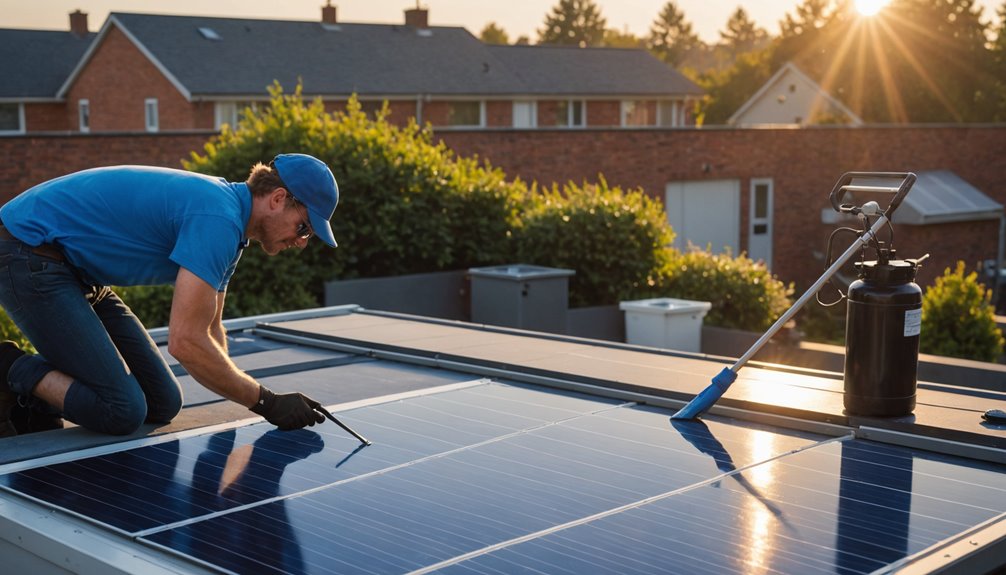
Gently scrub panel surfaces using a soft brush or microfiber cloth. For dirt that does not respond to water alone, apply a small amount of mild biodegradable soap. Rinse thoroughly using a garden hose on a low-pressure setting. High-pressure washing is not recommended, as it can damage panel coatings and seals.
Timing and Water Quality
Clean panels during early morning or evening hours when temperatures are lower. Cleaning during peak heat hours can cause thermal stress when cool water contacts hot glass surfaces. Distilled water is preferable over tap water, as tap water contains minerals that leave deposits upon evaporation, potentially reducing light transmission over time.
When to Seek Professional Service****
Heavily soiled panels, particularly those with hardened residue or biological growth such as lichen, may require professional cleaning. Professionals have access to appropriate equipment and cleaning agents that remove contaminants without compromising panel integrity.
What Do Solar Panel Visual Inspections Actually Cover?
Visual inspections of solar panel systems typically address five primary areas. Panel surfaces are examined for physical damage, including cracks, chips, and discoloration, all of which can indicate underlying performance degradation. Mounting hardware is assessed for signs of corrosion or mechanical looseness that could compromise structural integrity. Debris accumulation—including dirt, dust, and bird droppings—is identified and documented, as surface contamination reduces the amount of sunlight reaching photovoltaic cells. Shading analysis involves noting any new obstructions, such as tree growth or added structures, that may be casting shadows on panels during peak sunlight hours. Inspections are generally recommended on a three-to-six month cycle, with additional assessments following severe weather events. Consistent adherence to this schedule supports stable system output and allows for early detection of conditions that could otherwise develop into more significant technical or structural issues.
What Causes Solar Panel Output to Drop?
Solar panel output can decline due to several identifiable factors. Inverter failures represent a common technical issue, capable of affecting either individual panels or an entire system depending on the configuration. Accumulated debris and animal droppings on panel surfaces obstruct sunlight absorption, directly reducing energy conversion efficiency. Physical damage resulting from severe weather events, such as hail or high winds, can compromise panel integrity and performance. Shading caused by surrounding trees or structures limits the amount of direct sunlight panels receive, which measurably impacts energy production. Additionally, pest-related damage to wiring can interrupt system function entirely.
Routine monitoring and periodic inspections allow for the early detection of these issues, reducing the likelihood of prolonged performance losses or significant repair costs.
When Should You Call a Solar Technician?
Solar panel owners should be aware of specific circumstances that warrant professional technical assistance. A sustained decline in energy output that cannot be attributed to weather conditions or seasonal changes indicates a potential system malfunction requiring diagnostic evaluation by a qualified technician. Visible physical damage, including cracked panels or structurally compromised frames, should not be left unaddressed, as these issues can affect both performance and safety.
Electrical irregularities, particularly evidence of overheating such as discoloration or burning odors near components, require prompt professional assessment to prevent further damage or safety hazards. Unresolved error codes displayed by monitoring systems should be reported to a technician rather than addressed through trial-and-error troubleshooting, which risks compounding the underlying issue.
Following severe weather events, a professional inspection is advisable to identify damage that may not be immediately visible but could affect long-term system performance. Addressing such issues early through scheduled maintenance typically prevents more extensive and costly repairs later.
What Do Solar Warranties Actually Cover?
Solar warranties consist of several distinct components, each covering different aspects of a photovoltaic system. Panel performance warranties typically span 25 years and guarantee that energy output remains above 85% of the rated capacity. Inverter warranties vary between 10 and 25 years, with the duration often depending on whether the system uses string inverters or microinverters. Battery storage warranties generally cover a period of 10 to 15 years. Workmanship warranties, which address installation quality and labor defects, commonly range from 5 to 10 years.
Warranty validity is frequently contingent on documented maintenance records. Failure to perform and record routine maintenance can result in voided coverage, shifting repair and replacement costs to the system owner. This condition is a standard clause across most solar warranty agreements.
Reviewing the specific terms of each warranty before purchase is advisable, as coverage conditions, exclusions, and claims processes differ among manufacturers and installers. Key areas to examine include degradation rate thresholds, transferability in the event of a property sale, and the claims procedure required to access coverage. Understanding these terms in advance allows system owners to accurately assess long-term financial obligations and the true value of their warranty protection.
What Does Solar Panel Maintenance Cost?
Solar panel maintenance costs are generally modest compared to other home energy systems. DIY cleaning typically costs around $50 in supplies, while hiring a professional for inspection and cleaning ranges from $150 to $300 per session. Annual maintenance inspections conducted by a qualified technician typically fall between $200 and $400. These inspections are often a requirement for keeping manufacturer warranties valid, so neglecting them can result in voided coverage. Some service providers offer operations and maintenance packages that bundle multiple services together, with pricing varying based on system size and service scope. Based on these figures, most homeowners can expect to spend under $500 per year on solar panel upkeep, which is a relatively low ongoing cost when considered against the system’s long-term energy output and the potential financial consequences of warranty non-compliance.
Long-Term Habits That Keep Your Solar System Performing
Consistent maintenance practices are a key factor in sustaining solar system performance over time. Monitoring systems should be reviewed weekly or monthly to identify performance drops before they develop into larger issues. Panels should be cleaned twice a year, as accumulated dirt and debris can reduce energy output by up to 15%. Visual inspections conducted every 3 to 6 months allow for early detection of physical damage, loose mounting hardware, or pest intrusion. Professional assessment of electrical connections and inverters every 1 to 2 years helps identify components that may require repair or replacement before failures occur. Following severe weather events, panels should be inspected promptly for any resulting damage. Routine maintenance requires a modest time investment, but adherence to a regular schedule is the primary determinant of long-term system reliability.
Conclusion
Regular solar panel maintenance involves several straightforward practices that contribute to system longevity and consistent energy output. Visual inspections help identify physical damage, debris accumulation, or shading issues before they reduce efficiency. Routine cleaning removes dust, pollen, and bird droppings that can block sunlight absorption. Monitoring monthly energy production allows homeowners to detect output irregularities that may indicate underlying technical problems.
Professional inspections, typically recommended once or twice per year, allow qualified technicians to assess wiring, inverters, and mounting hardware. Homeowners should also review their warranty documentation to understand which components are covered, for how long, and under what conditions coverage may be voided.
Tracking system output over time provides a useful baseline for comparison. A measurable decline in production relative to historical data or manufacturer specifications often signals a need for maintenance or repair. Adhering to these practices supports the operational lifespan of the system and helps ensure that energy cost reductions remain consistent over time.