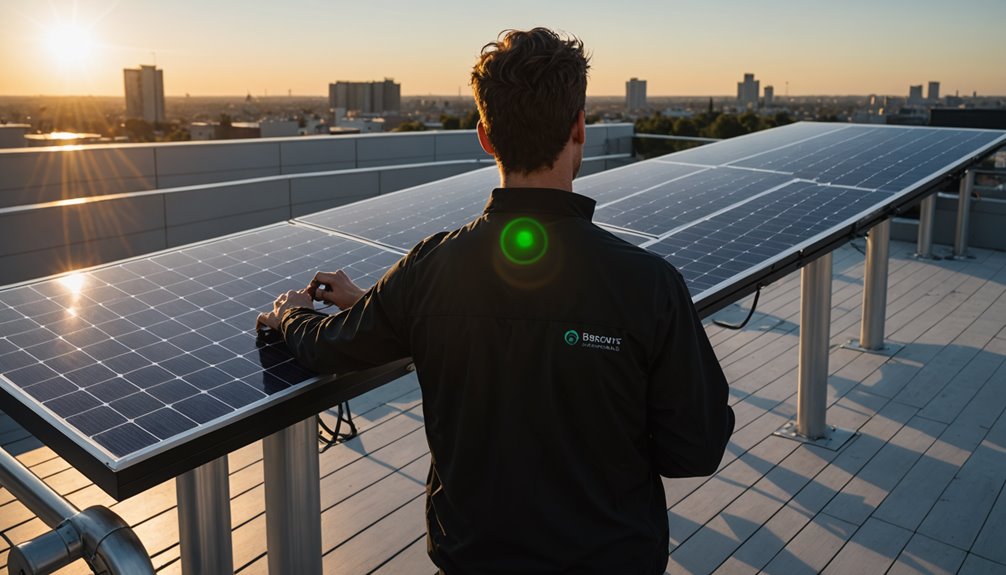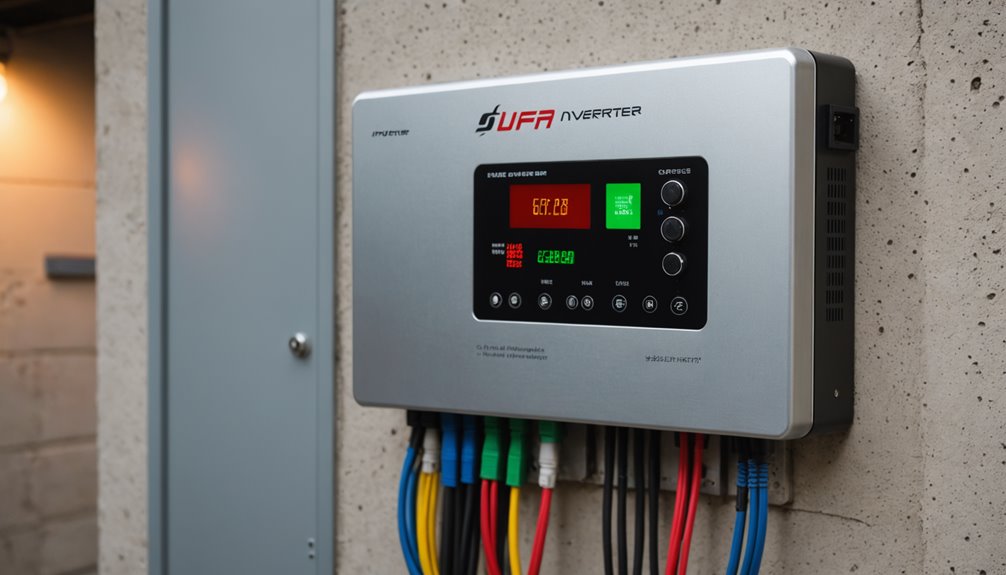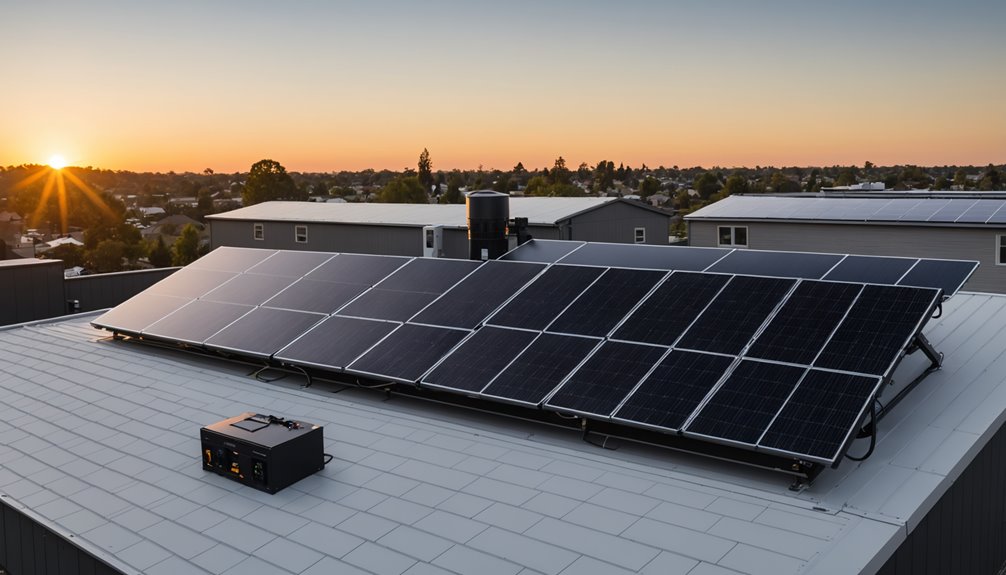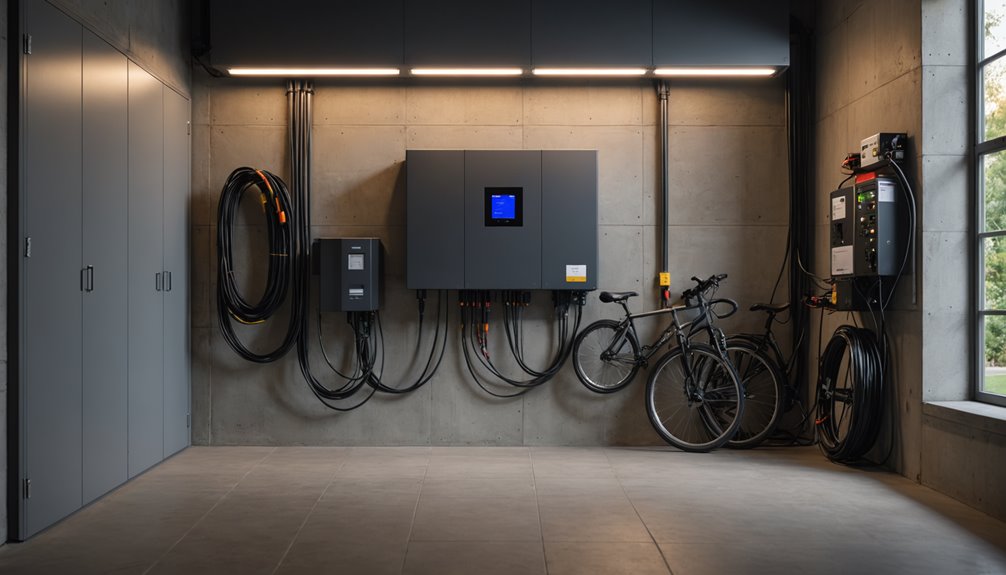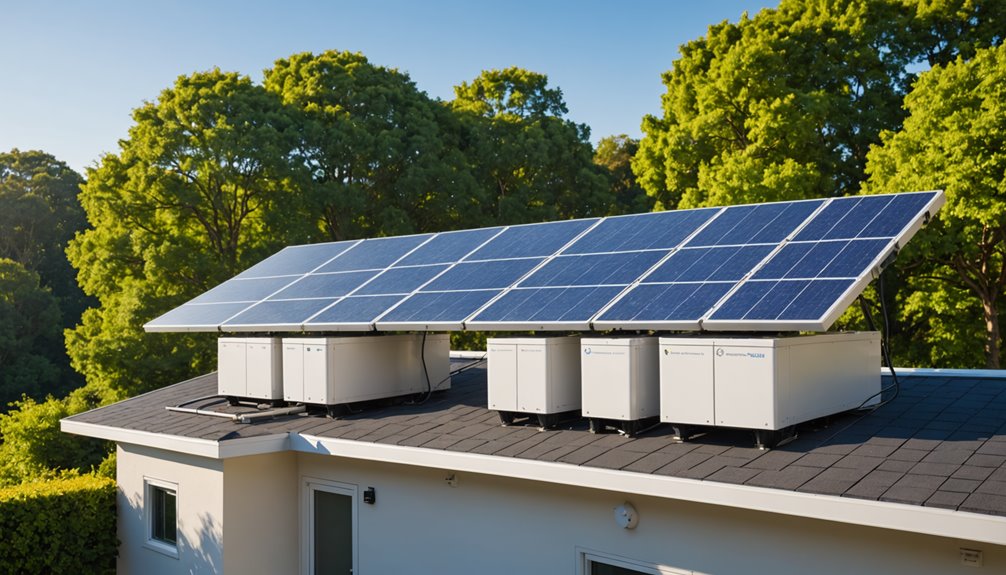
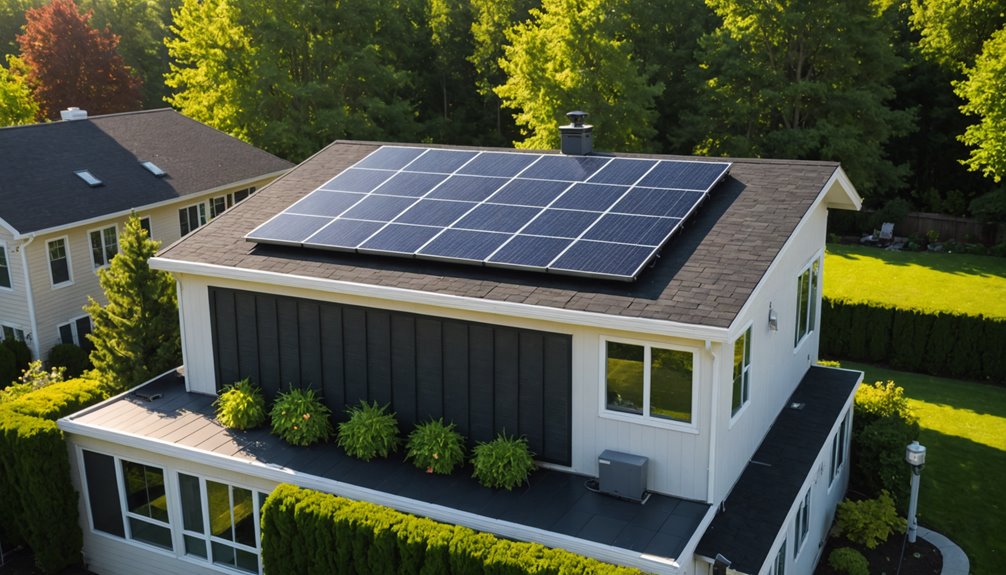
Rooftop solar panels and heat pumps can be integrated as a complementary energy system. Solar panels generate electricity from sunlight, while heat pumps use electricity to transfer heat rather than generate it directly, achieving efficiencies typically three to four times greater than conventional electric resistance heating.
When combined, solar generation can offset a significant portion of the electricity a heat pump consumes, reducing dependence on grid power and lowering energy costs.
The practical savings depend on several variables, including local electricity rates, climate, system sizing, roof orientation, and household energy consumption patterns. In regions with high solar irradiance and favorable net metering policies, homeowners may offset a substantial share of annual heat pump operating costs.
However, a mismatch between peak solar production, which occurs midday in summer, and peak heating demand, which typically occurs in winter mornings and evenings, means the two systems do not always align in real time. Battery storage can address this gap but adds upfront cost.
From a carbon reduction standpoint, the environmental benefit depends largely on the carbon intensity of the local electricity grid. In areas where the grid relies heavily on fossil fuels, displacing grid electricity with solar power yields meaningful emissions reductions.
In grids already supplied largely by low-carbon sources, the marginal benefit is smaller.
Overall, the combination represents a well-documented approach to improving residential energy efficiency, though outcomes vary based on site-specific conditions and local energy market structures.
Key Takeaways
- Pairing solar panels with heat pumps can reduce household energy bills by up to 84% by supplying the system directly with solar-generated electricity.
- Heat pumps operate at 300–400% efficiency, meaning that for each unit of electricity consumed, they produce three to four units of thermal energy, making solar-powered heat pumps a practical combination.
- Combined solar and heat pump systems have the potential to reduce carbon emissions by over 1.4 tonnes annually, contributing to household-level decarbonisation.
- Adding battery storage allows excess solar energy to be retained for use during evening hours, which reduces dependence on grid electricity and can shorten the system’s overall payback period.
- Integrating solar panels with an existing heat pump is technically viable in many cases, though it requires a structural roof assessment and a detailed energy audit to determine compatibility and optimal system sizing.
Why Heat Pumps and Solar Panels Work Better Together
Pairing solar panels with a heat pump can improve overall energy efficiency and reduce household energy costs. Solar panels generate electricity from sunlight, which can be used to power a heat pump. Heat pumps typically operate at a coefficient of performance (COP) of 3 to 4, meaning they produce 300–400% more thermal energy than the electrical energy they consume. When powered by solar-generated electricity, this efficiency is achieved without drawing from the grid during daylight hours.
This combination can significantly reduce dependence on grid electricity, with some estimates suggesting utility bill savings of up to 84%, depending on household energy consumption, system size, and local electricity rates. Incorporating battery storage extends these benefits by allowing excess solar energy generated during the day to power the heat pump during evening and nighttime hours.
From an environmental perspective, replacing conventional heating systems with a solar-powered heat pump can reduce carbon emissions by over 1.4 tonnes annually, though the exact figure varies based on the carbon intensity of the local grid and the household’s previous heating source. In Connecticut, where the average household burns 600 to 800 gallons of heating oil per season, switching to a solar-powered heat pump can reduce annual carbon output by an estimated 6 to 8 tonnes of CO2. Overall, the combination of solar panels and a heat pump represents a practical approach to reducing both energy costs and carbon emissions over the long term.
Can You Add Solar Panels to an Existing Heat Pump?
Adding solar panels to an existing heat pump system is technically feasible in most cases. The majority of heat pump installations are compatible with solar photovoltaic (PV) integration, making it a viable option for homeowners looking to reduce grid dependency and lower operating costs. Energy savings will vary depending on system size, household consumption patterns, and local electricity rates, so specific percentage claims should be evaluated against individual circumstances.
Successful integration requires careful assessment of several factors. The structural condition and orientation of the roof will influence how many panels can be installed and how effectively they generate power. An accurate energy audit is necessary to determine the appropriate system size, ensuring the solar array adequately supports the heat pump’s power demands.
From an environmental standpoint, combining solar generation with a heat pump reduces reliance on fossil fuel-derived grid electricity, which can result in measurable reductions in carbon emissions over time. The extent of this reduction depends on the local energy grid’s existing fuel mix.
How Solar Electricity Cuts the Running Cost of Your Heat Pump
Solar panels can supply electricity during daylight hours, potentially reducing the operating costs of a heat pump by a significant margin. Because heat pumps operate at 300–400% efficiency, meaning they produce three to four units of heat energy for every one unit of electrical energy consumed, using solar-generated electricity in place of grid electricity can meaningfully lower overall energy expenditure. Estimates suggest annual household savings of around £1,200 are achievable under suitable conditions, alongside a reduction in carbon emissions of approximately 1.4 tonnes of CO2 per year.
The financial benefit depends on how much solar output aligns with periods of heat pump use. Where consumption and generation do not align naturally, battery storage systems can capture surplus solar electricity for use during evening or nighttime hours, extending the proportion of heat pump operation covered by renewable generation rather than grid supply.
What a Typical Household Saves by Pairing Heat Pumps With Solar Panels
Savings from pairing solar panels with heat pumps depend largely on the heating system being replaced. Households switching from a gas boiler can expect approximately £260 in annual energy savings, while those replacing electric storage heaters may save around £1,200 per year. Generating electricity on-site can reduce energy bills by up to 84%, lowering long-term costs considerably. Solar panel integration also reduces the overall payback period on the combined investment. Additional benefits include reduced exposure to fluctuating energy prices, improved energy efficiency, and a lower carbon footprint.
How Battery Storage Pushes Those Savings Even Further
Battery storage complements solar and heat pump systems by capturing excess energy produced during daylight hours for use during periods of low generation or high demand. This reduces reliance on grid electricity, which can result in meaningful reductions to electricity costs over time, though actual savings vary depending on energy consumption patterns, local utility rates, and system size.
By storing renewable energy on-site, battery systems allow heat pumps to draw from solar-generated power rather than the grid during evening hours, lowering associated emissions. The extent of emissions reduction depends on factors such as the local energy mix and the proportion of household energy needs met by the stored solar supply.
Battery storage also provides a degree of insulation from fluctuating electricity prices, as households can draw on stored energy during peak-rate periods. This can improve the overall economics of a combined solar and heat pump installation by reducing grid dependency at the times when electricity costs are highest.
From a financial standpoint, adding battery storage to an existing solar and heat pump system can shorten the overall payback period, though this outcome depends on installation costs, available incentives, and individual usage profiles. The technology represents a practical extension of renewable energy systems, offering measurable operational and economic benefits when properly sized and integrated.
How Skygate® Runs Your Solar Panels and Heat Pump Together
Combining battery storage, solar panels, and a heat pump into a single coordinated system requires active energy management. Skygate® performs this function by monitoring and regulating the interaction between these components in real time. The system tracks energy prices and adjusts power consumption based on current rates, drawing from solar generation as the primary source where available. Surplus solar energy that exceeds immediate demand is directed to battery storage for later use, reducing dependence on grid-supplied electricity. This coordinated approach supports consistent energy efficiency across the household while maintaining standard comfort levels.
How to Qualify for Government Grants When Installing Both Systems
Qualifying for government grants when installing both a heat pump and rooftop solar panels requires meeting specific criteria. The Boiler Upgrade Scheme provides grants of up to £7,500 for eligible heat pump installations, though applicants should verify current scheme details, as funding availability and terms can change.
A central requirement for accessing government support is ensuring installations comply with standards set by the Microgeneration Certification Scheme (MCS). This means both the equipment and the installers must hold MCS certification. Applicants will need to retain documentation confirming that certified professionals completed the work, as this is typically required during the application process.
Grant applications generally require supporting information, including projected energy savings and anticipated carbon emissions reductions. Providing accurate, evidence-based figures for these metrics strengthens an application and demonstrates compliance with the environmental objectives underpinning most renewable energy funding schemes.
In addition to national programmes, local authorities and regional bodies may offer supplementary incentives, rebates, or funding schemes. The availability and value of these programmes vary by location, so it is advisable to consult local council resources or energy advice services to identify what regional support may apply.
Meeting all documentation and certification requirements before submitting applications reduces the likelihood of delays or rejections. Consulting an MCS-certified installer or an independent energy adviser can help ensure the installation and application process aligns with current grant conditions.
Conclusion
Pairing solar panels with a heat pump can reduce household energy costs, as the solar system offsets the electricity consumed by the heat pump. This combination also lowers carbon emissions, since the heat pump draws on renewable energy rather than grid power derived from fossil fuels. The degree of grid independence achieved depends on factors such as system size, local solar irradiance, and household energy consumption patterns. Adding battery storage allows excess solar generation to be stored and used during periods of low sunlight, improving overall system efficiency. Government incentive programs exist in various regions that can reduce the upfront capital costs of these installations, though eligibility criteria and available funding vary. Homeowners considering this approach should assess their specific energy needs, roof suitability, and local policy landscape before making a decision.