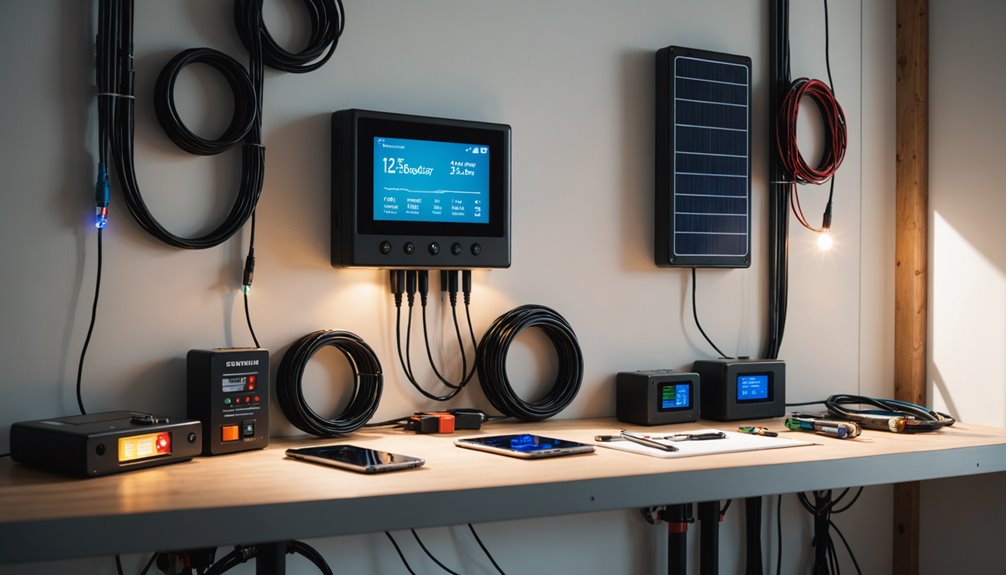

Residential battery storage systems involve costs that extend beyond the initial purchase price of the hardware.
Permitting fees, installation labor, utility interconnection requirements, and ongoing maintenance represent additional financial obligations that homeowners should account for when evaluating the total cost of ownership.
Understanding these expenses in advance allows for a more accurate comparison of quotes and a clearer assessment of the system’s long-term financial viability.
Key Takeaways
Permitting, inspection fees, and fire code compliance are commonly excluded from initial installer quotes. These additional regulatory costs can increase total project expenditures by 25–35%, making it important for consumers to request fully itemized estimates before committing to a contract.
Integrating battery storage into an existing solar or electrical system typically generates higher labor costs than new installations. The additional work involved—such as wiring modifications, electrical panel upgrades, and separate permitting applications—contributes meaningfully to the overall cost differential between retrofit and new-build projects.
Dealer-arranged financing arrangements often embed fees directly into the loan principal. Because interest accrues on the total financed amount, these embedded fees compound over the repayment period, resulting in a total repayment figure that can substantially exceed the system’s original purchase price.
Battery capacity naturally declines over time, with most lithium-ion residential systems retaining approximately 60–70% of original capacity after a decade of use. Homeowners should factor anticipated replacement costs into long-term financial planning, as this degradation timeline generally aligns with or precedes the end of standard warranty coverage.
Recurring software subscription fees for system monitoring, combined with periodic maintenance requirements, represent ongoing costs that extend well beyond the initial installation. While individually modest, these expenses accumulate over the system’s operational lifespan and should be accounted for in any comprehensive cost analysis.
Why Battery Hardware Is Only Part of What You Pay
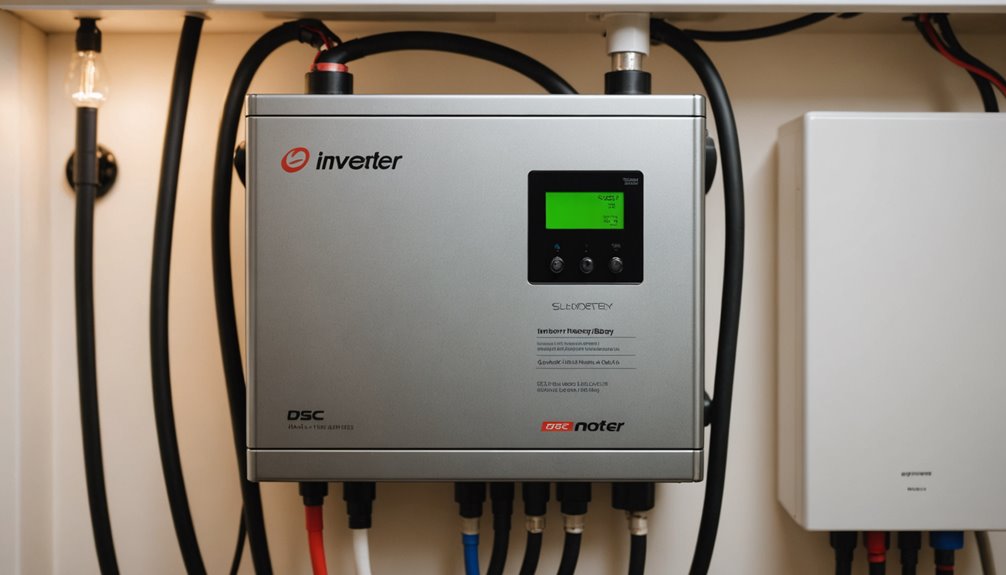
When budgeting for a residential battery storage system, the hardware itself typically represents 33% to 50% of the total project cost. The remaining expenses stem from several distinct categories. Installation labor covers electrical upgrades, panel replacements, and conduit runs, all of which contribute meaningfully to the final figure. Permitting, inspections, and code compliance add further costs that are frequently underrepresented in preliminary quotes. Balance-of-system components, including inverters and monitoring equipment, are required for safe and legal grid interconnection and must be factored into any realistic estimate. Retrofitting an existing electrical system often introduces additional expenses tied to bringing the installation into alignment with current local codes. Understanding the full cost structure from the outset allows for more accurate financial planning, as the non-hardware components collectively represent the majority of what most homeowners will spend. Homeowners should also account for the value of ongoing system monitoring, which can identify performance issues before they escalate into costly repairs or equipment failures.
What Permits, Inspections, and Interconnection Fees Actually Cost You
Permits, inspections, and interconnection requirements represent a meaningful portion of total solar installation costs that are frequently absent from initial project estimates. Permitting and inspection fees differ considerably depending on jurisdiction, with some municipalities charging modest flat fees while others apply tiered structures based on system size or project valuation. Fire code requirements may mandate additional safety components, such as rapid shutdown systems or specific wiring configurations, which carry their own material and labor costs.
Regulatory compliance adds another layer of financial variability. Building code requirements differ by region, and interconnection studies — which utilities use to assess grid impact — can range from straightforward to technically complex, with associated fees reflecting that complexity. Extended approval timelines translate into measurable financial consequences, including accruing interest on financing arrangements, extended insurance coverage periods, and potential expiration of time-sensitive incentives such as rebates or tax credit deadlines.
Beyond the installation phase, ongoing operational costs deserve consideration in any comprehensive budget analysis. These include software subscription fees for system monitoring platforms, periodic maintenance inspections, and potential inverter replacements over the system’s lifespan. While individually these expenses may appear minor, they accumulate over a 20 to 25-year system life and should factor into any return-on-investment calculation. Requesting a fully itemized cost breakdown from installers — one that explicitly addresses permitting, interconnection, and long-term maintenance — provides a more accurate basis for evaluating project economics.
Electrical Upgrades That Quietly Inflate Your Home Battery Storage Price
Electrical upgrades represent a significant cost category in home battery storage installations, often pushing project budgets beyond initial estimates. Several specific components contribute to these expenses.
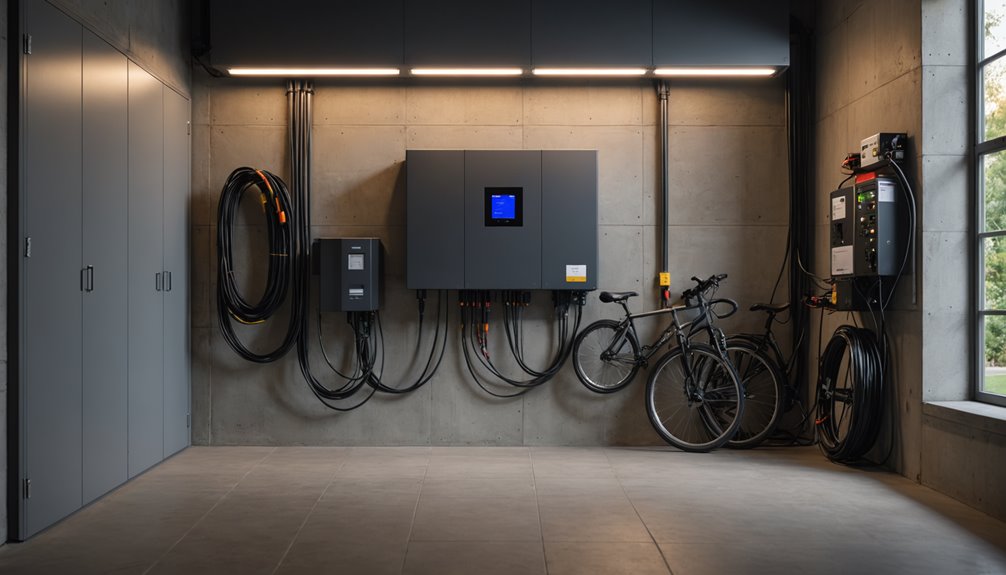
Critical load subpanels, main panel upgrades, and smart electrical panels each carry their own material and labor costs, which accumulate before installation of the battery system itself begins. When battery storage is added to an existing solar system, the retrofit process introduces additional wiring requirements and associated labor expenses.
Physical site conditions also affect total costs. Longer conduit runs, for example, require more materials and installation time, raising overall project expenses in ways that are not always apparent during early project planning.
These electrical upgrades carry a secondary cost consequence as well. Each modification typically triggers permitting and inspection requirements, which according to industry data can increase total project costs by 25–35%. This compliance-related expense is a predictable outcome of the upgrade process, though homeowners frequently underestimate or overlook it when budgeting for battery storage projects.
Understanding these cost drivers before beginning a project allows for more accurate budget planning and reduces the likelihood of unexpected expenditures during installation.
Why Adding a Battery Later Costs More Than Planning It With Solar
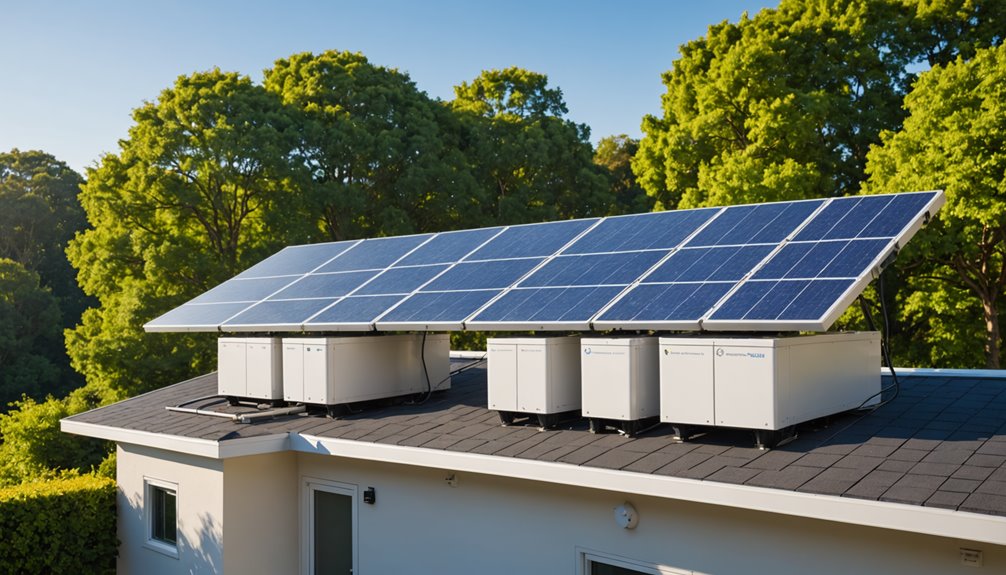
Retrofitting a battery into an existing solar system typically costs more than integrating both components during the initial installation. The additional expense stems from several concrete factors.
Labor costs increase when an installer must work around an already-completed system rather than coordinating both components simultaneously. Wiring configurations that were sufficient for solar-only operation may require modification to accommodate battery storage, and in some cases, the existing equipment may not be compatible with the intended battery system at all.
Electrical infrastructure often requires upgrading during a retrofit. Homeowners may need a critical load panel or electrical panel modifications to support battery operation, each representing a distinct line item in the overall project cost. These requirements exist regardless of whether the battery is added later or installed from the start, but addressing them during a single project eliminates redundant labor and site visits.
Permitting and inspection processes also contribute to higher costs when handled as separate projects. Local jurisdictions typically require permits and inspections for each distinct installation, meaning two separate projects generate two sets of associated fees.
When battery storage is planned alongside solar from the initial design phase, the electrical work, permitting, and labor can be consolidated into a single project scope. This reduces overall soft costs and avoids duplicated effort. The financial difference between the two approaches varies by system size, local labor rates, and specific equipment requirements, but the structural cost advantage of combined planning is well established in the industry.
How Dealer Fees Inside Financing Quietly Inflate Your Repayment Total
When financing a residential battery system, dealer fees are frequently incorporated into the loan principal rather than itemized separately. As a result, interest accrues on those fees throughout the entire repayment term, increasing the total amount paid over time. Depending on the loan terms and fee amounts, this structure can add hundreds or thousands of dollars to the overall repayment total, raising monthly payments beyond what the battery’s listed price would suggest.
Reviewing the full financing agreement before signing allows borrowers to identify how fees are structured and whether they are included in the financed amount. Understanding this distinction provides a more accurate picture of the actual cost of ownership compared to the purchase price alone.
How Battery Degradation Adds a Hidden Long-Term Cost to Your Budget
Battery degradation represents a measurable long-term financial consideration for system owners. Lithium-ion batteries typically retain 60–70% of their original capacity after 10 years, which gradually reduces overall system output and efficiency. This capacity loss has direct cost implications, as battery replacement can add several thousand dollars to the total ownership expense, particularly when manufacturer warranties provide limited coverage for degradation-related issues.
Several factors influence the rate of degradation, including usage frequency, charging habits, and ambient temperature conditions. Systems operating in high-heat environments or subject to frequent deep discharge cycles tend to experience accelerated capacity loss. Understanding these variables allows owners to make more informed decisions about usage practices and replacement timelines.
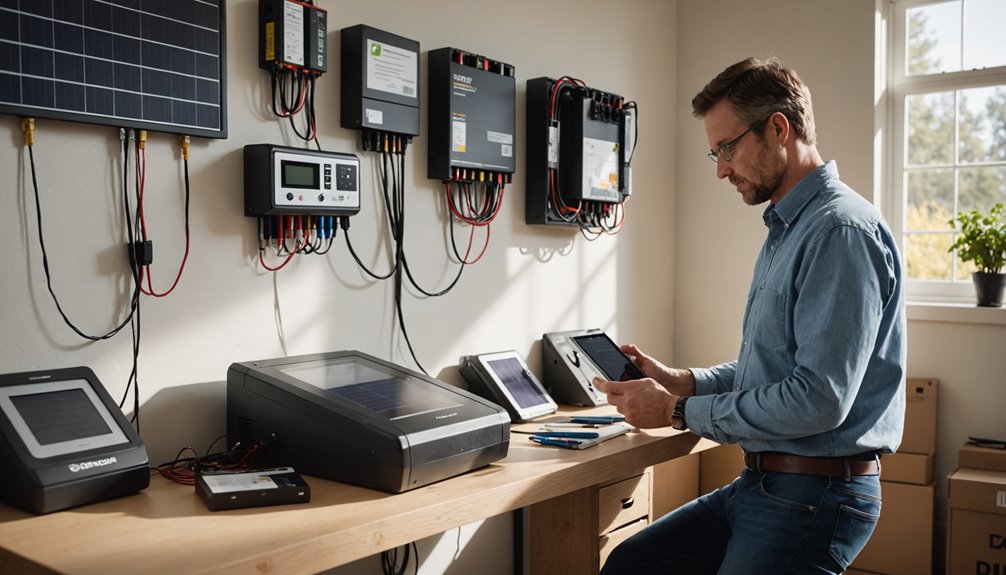
Monitoring battery performance over time can help identify degradation trends before they significantly affect system output. However, this requires access to compatible software tools and periodic maintenance, both of which carry associated costs. These expenses, while relatively modest on their own, contribute to the broader long-term cost structure that owners should account for when evaluating the financial picture of battery-dependent systems.
How Hidden Costs Push Back Your Home Battery Storage Break-Even Date
Hidden costs can extend your break-even date beyond initial projections. Regulatory compliance fees, interconnection studies, and building code requirements contribute to installation costs that may not be apparent during early planning stages. Fire safety equipment and permitting fees add further expenses, sometimes amounting to several thousand dollars. Battery degradation also affects long-term financial outcomes, as cell replacement over time reduces the net savings generated by the system. Ongoing monitoring subscriptions and routine maintenance fees represent recurring costs that accumulate throughout the ownership period. Each of these factors delays the point at which the system generates a net financial return, which underscores the importance of conducting a thorough cost analysis before purchasing a home battery storage system.
How to Compare Home Battery Storage Quotes Without Getting Misled
Comparing home battery storage quotes requires attention to several key factors that directly affect total cost and system performance.
Installation quotes should explicitly state whether they include permitting, inspections, and labor. These components can represent a substantial portion of the final cost and are sometimes excluded from initial estimates to make pricing appear more competitive.
Backup power capability is a distinct feature that not all battery systems provide. Systems configured for backup operation typically cost more than grid-tied-only configurations, and this difference should be reflected transparently in any quote received.
Warranty terms vary across manufacturers and warrant close examination. Standard coverage generally guarantees 60%–70% capacity retention over a period of 10–15 years. Warranties that fall below these thresholds or contain significant exclusions represent higher long-term risk.
Electrical panel upgrades are frequently necessary when installing battery storage systems, particularly in older homes. These upgrades are not always included in initial quotes and can add considerable cost to the project.
To evaluate competing quotes on a consistent basis, calculating cost per usable kilowatt-hour provides a standardized metric. This figure accounts for differences in system size and capacity, allowing for a more accurate comparison than total price alone. Dividing the total installed cost by the system’s usable energy capacity yields this figure and helps identify which option delivers the most value relative to its actual storage output.
Conclusion
Residential battery storage systems involve costs that extend beyond the initial purchase price. Installation permits, necessary electrical upgrades, financing charges, and battery degradation over time all reduce the net financial benefit of these systems. A thorough cost analysis, covering all associated expenses, is necessary before committing to a purchase. Homeowners who achieve favorable financial outcomes from battery storage typically conduct detailed evaluations of all cost components rather than relying solely on equipment specifications or advertised savings figures.