Monitoring and managing a home battery backup system is a necessary part of ownership that directly affects the system’s lifespan and reliability.
Tracking key metrics such as state of charge, cycle count, operating temperature, and charge/discharge rates allows homeowners to identify inefficiencies and address potential issues before they escalate.
Recognizing early warning signs — including unusual voltage fluctuations, unexpected capacity drops, or irregular charging behavior — can prevent minor problems from developing into system failures.
Consistent management practices, such as maintaining appropriate charge levels and avoiding conditions that accelerate battery degradation, contribute meaningfully to long-term performance and return on investment.
Key Takeaways
- A Battery Management System (BMS) monitors key metrics including State of Charge and State of Health to maintain consistent performance and prevent operational issues.
- Monitoring applications and dashboards consolidate real-time data on energy consumption, voltage levels, and battery condition into a single interface for straightforward observation.
- Alert functions deliver notifications via email or SMS when irregularities are detected, allowing homeowners to address potential issues in a timely manner.
- Indicators such as reduced capacity, longer charging cycles, and unexpected shutdowns suggest declining battery performance and warrant further evaluation.
- Routine practices including setting reserve thresholds, maintaining adequate ventilation, and scheduling periodic inspections contribute to prolonging battery lifespan.
Why Home Battery Monitoring Protects Your Investment
Home battery monitoring serves a practical and financial purpose for system owners. A Battery Management System (BMS) tracks key performance metrics, including State of Health (SoH) and State of Charge (SoC), which provide measurable data on battery capacity and cell balance over time. Identifying capacity degradation or cell imbalances early can prevent more significant technical issues and reduce long-term repair costs.
Tracking discharge cycles is also relevant to warranty compliance, as most manufacturers set specific operational thresholds that must be maintained for warranty coverage to remain valid. Staying within these parameters helps ensure the system performs as expected throughout its rated lifespan.
Monitoring consumption patterns provides data that can inform adjustments to system settings, potentially improving energy efficiency and reducing unnecessary load on the battery. This kind of analysis supports more informed decisions about how and when energy is drawn from or stored in the system, which can contribute to measurable cost savings over time. Professional installers often provide ongoing monitoring support to identify potential issues before they affect system performance, adding another layer of protection for homeowners throughout the battery’s operational life.
Key Metrics Your Home Battery System Is Always Tracking
Key metrics tracked by home battery systems include State of Charge (SoC), which measures the current energy level as a percentage of total capacity. State of Health (SoH) indicates the battery’s overall condition relative to its original specifications, providing data relevant to long-term maintenance planning. Temperature monitoring records operating conditions, as performance tends to degrade outside recommended thermal ranges. Voltage readings are continuously measured to detect irregularities that could indicate faults or unsafe operating conditions. Charge cycle counts document how many complete charge and discharge cycles the battery has undergone, which correlates directly with capacity degradation over time. Collectively, these metrics allow system operators to assess performance, identify potential issues, and make informed decisions about battery management and maintenance schedules.
Warning Signs Your Home Battery Is Underperforming
Home batteries exhibit several measurable indicators when operating below expected parameters. A reduction in storage capacity is among the most reliable signs of degradation, often reflected in shorter backup durations despite full charge cycles. Unexpected shutdowns suggest the battery management system is detecting conditions outside safe operating thresholds. Charging times that extend beyond manufacturer specifications typically indicate declining cell efficiency or internal resistance buildup.
Voltage output that falls below rated levels affects the performance of connected devices and signals electrochemical deterioration within the battery cells. Most modern home battery systems include monitoring software that logs discharge rates, temperature fluctuations, and charge cycles. Irregular patterns in this data, particularly thermal anomalies, warrant review as they can precede more significant failures.
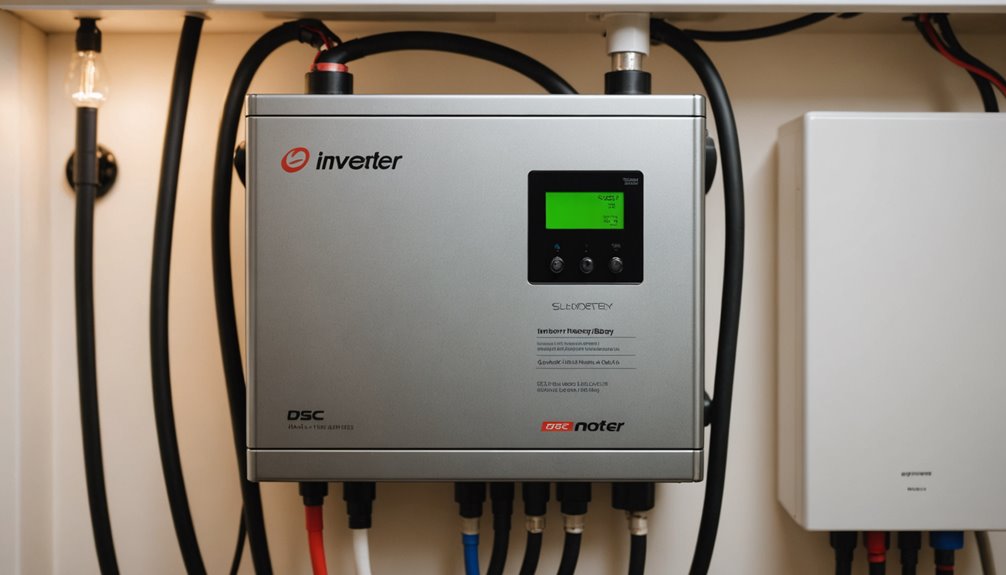
Physical inspection may reveal corrosion or discoloration at terminal connections, which increases electrical resistance and reduces overall system performance. These conditions are generally progressive, meaning early identification allows for corrective action before deeper system damage occurs. Consulting a qualified technician when multiple indicators are present is advisable, as self-diagnosis has limitations and some conditions carry safety implications.
Apps, Dashboards, and Sensors for Home Battery Monitoring
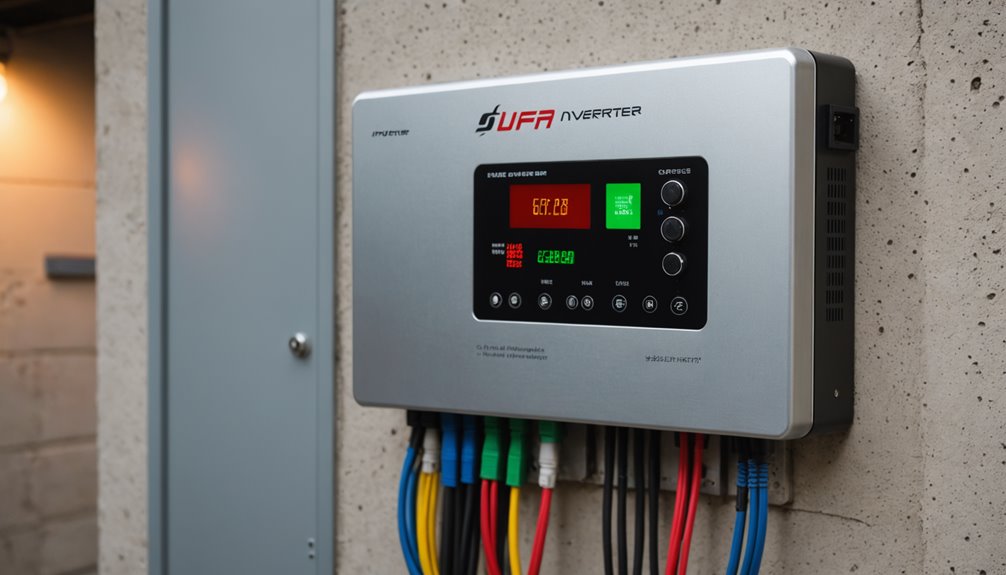
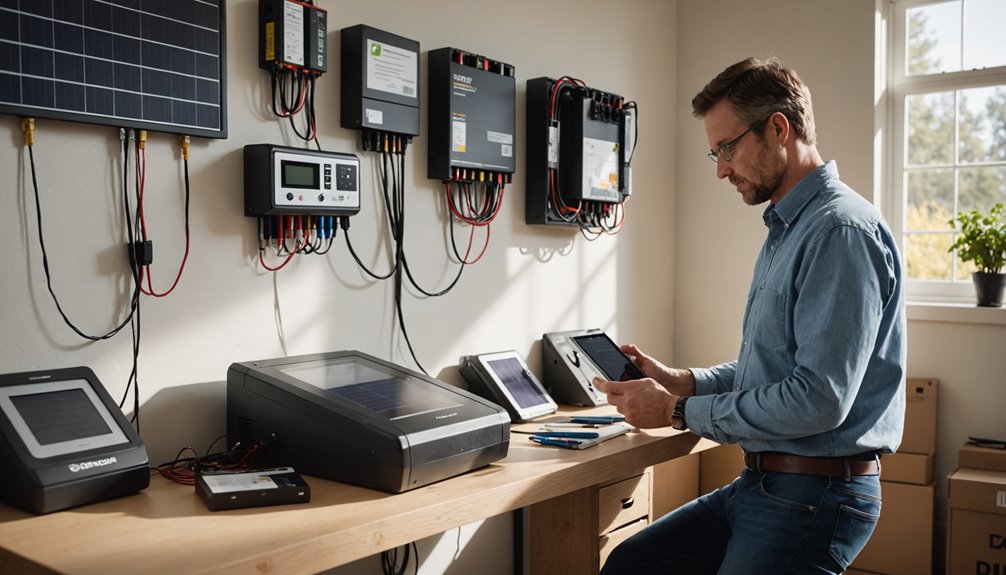
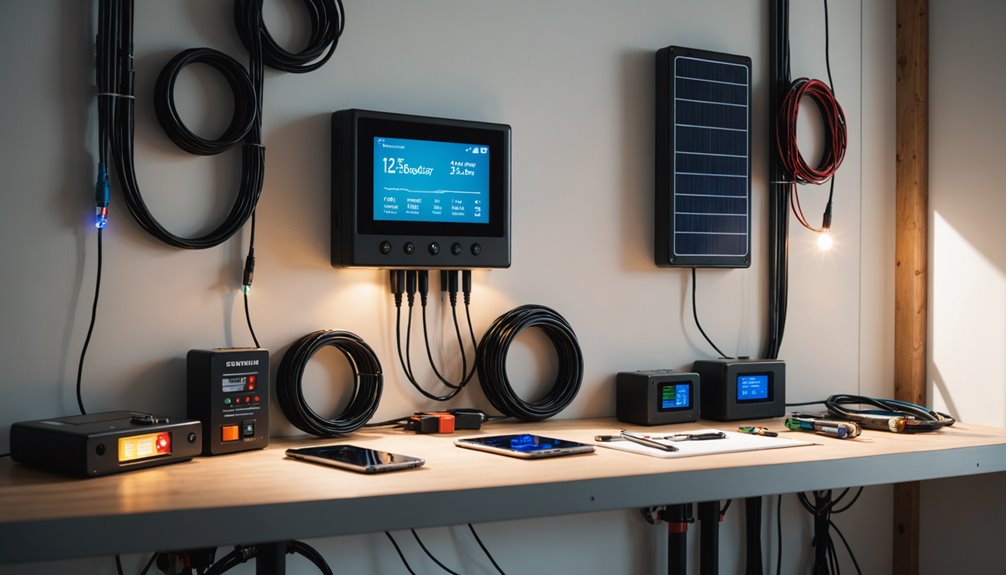
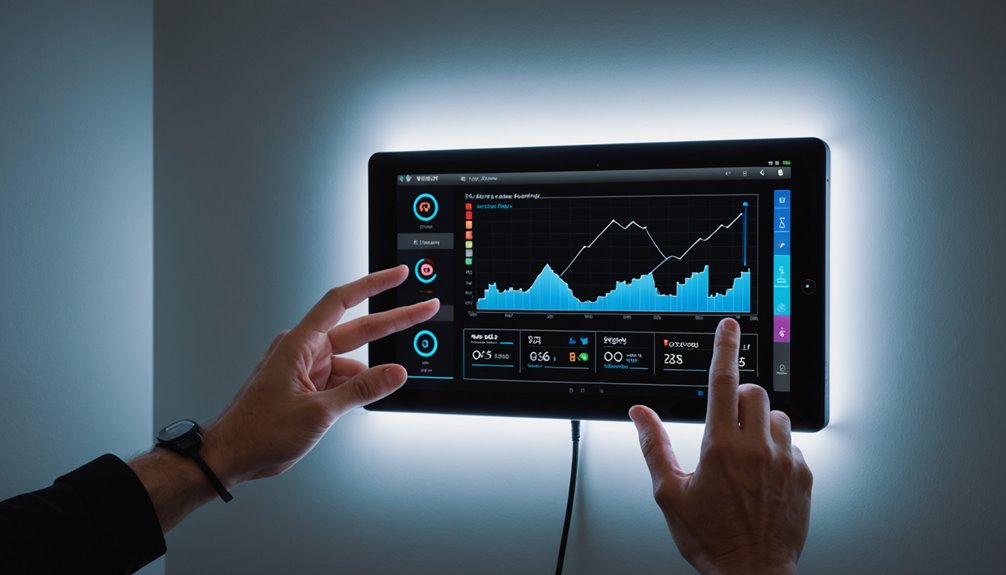
Apps and dashboards provide visibility into battery system performance following installation. Real-time monitoring displays State of Charge (SoC), State of Health (SoH), and energy usage patterns within a single interface. The Battery Management System (BMS) collects data from sensors that measure temperature, humidity, and voltage, supporting safe operational conditions. Alert functions deliver notifications through email or SMS when irregularities are detected. Integration with smart home devices allows settings to be adjusted in response to live electricity rates, which can contribute to reduced energy costs over time.
Daily Habits That Extend Home Battery Life
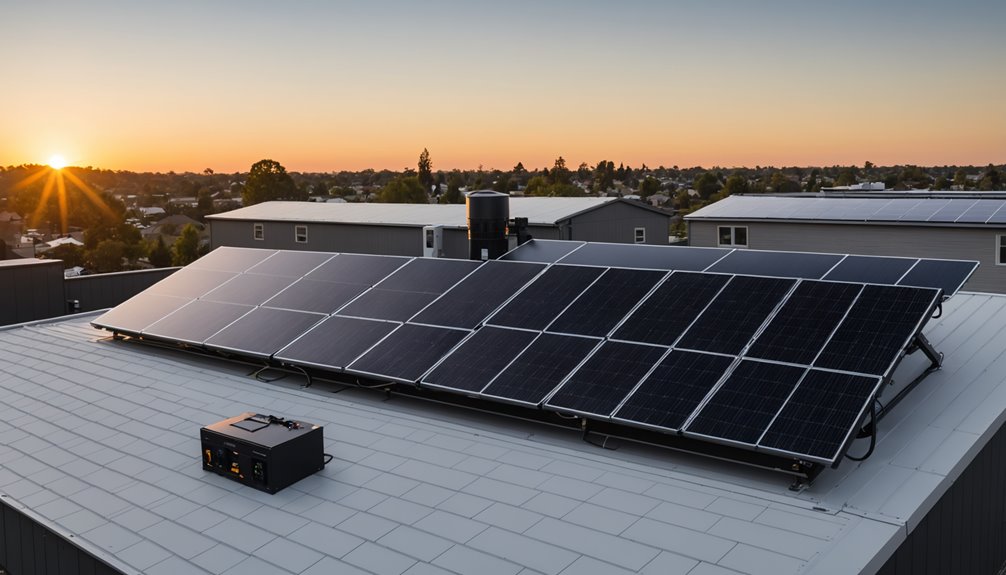
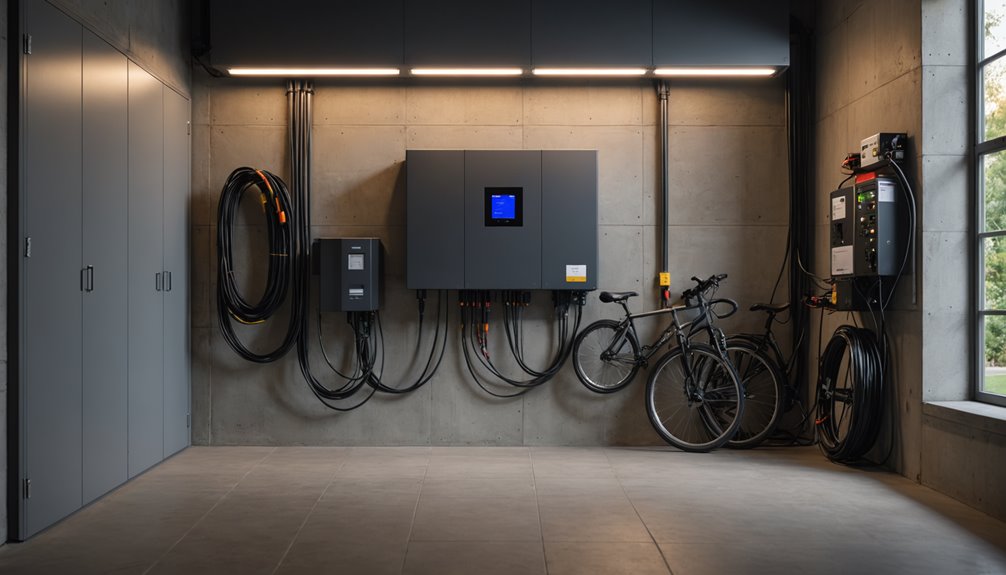
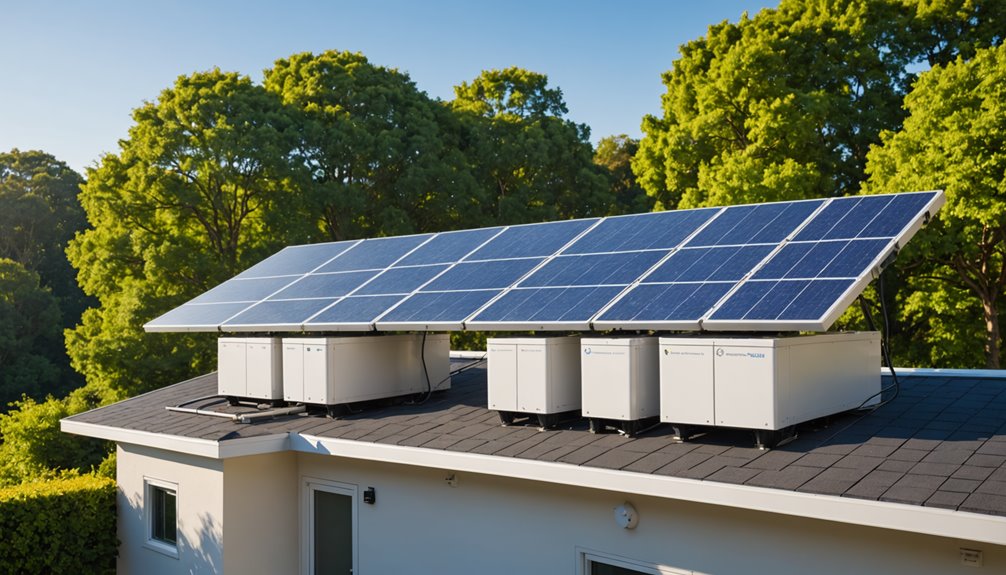
Monitoring apps and dashboards provide measurable data on battery performance, but the operational habits formed around that data have a more direct impact on system longevity. Tracking charge cycles through the Battery Management System (BMS) allows users to identify patterns that contribute to premature degradation. Setting reserve thresholds prevents deep discharges, which are a documented cause of reduced capacity over time. Adequate ventilation around the battery unit helps maintain temperatures within the manufacturer’s recommended operating range, as thermal stress is a known factor in accelerated cell wear. For systems integrated with solar generation, analyzing usage patterns supports more efficient energy distribution and reduces unnecessary cycling. Keeping battery areas accessible facilitates routine maintenance checks and allows for early identification of potential issues. Annual professional inspections provide a structured opportunity to assess system health beyond what standard monitoring tools can detect. Consistently applying these practices supports battery lifespan and reduces the likelihood of unexpected system failures.
Conclusion
Effective management of a home battery backup system requires consistent monitoring of key performance metrics, including state of charge, cycle count, temperature, and voltage levels. Identifying irregularities early—such as unexpected capacity loss or irregular charging patterns—can prevent more significant technical failures over time. Routine use of manufacturer-provided monitoring applications allows homeowners to track system data and receive alerts when values fall outside normal operating ranges. Scheduled professional inspections provide an additional layer of oversight, particularly for components that are not easily assessed through standard consumer interfaces. Maintaining these practices supports system longevity, reduces the likelihood of unexpected failures, and helps ensure the battery operates within its intended performance specifications.