Solar panel performance varies significantly depending on geographic location, and climate zones are a primary factor in determining energy output.
Variables such as solar irradiance, temperature, humidity, and cloud cover differ across regions and directly influence how much electricity a photovoltaic system generates.
Research indicates that these environmental differences can result in measurable output variations between otherwise identical systems installed in different locations.
Understanding the climate characteristics of a specific region is therefore an important consideration when evaluating the feasibility and expected performance of a solar installation.
Key Takeaways
Solar panel output varies by up to 50% depending on regional climate conditions, with sunlight exposure, temperature, humidity, and cloud cover serving as the primary influencing factors.
Panel efficiency decreases by 0.3–0.5% for each degree Celsius above 25°C. Surface temperatures can exceed 65°C under intense solar radiation, which measurably reduces power output and warrants consideration during system design and site selection.
Elevated humidity levels contribute to light scattering and atmospheric diffusion, reducing panel efficiency by 10–25%. Persistent moisture also accelerates corrosion in metallic components, increasing the likelihood of long-term structural and electrical degradation.
Coastal environments present additional challenges, as salt deposits and prolonged moisture exposure reduce light transmission through panel surfaces. These conditions generally increase maintenance frequency and may affect the operational lifespan of solar installations if not addressed through appropriate material selection or protective coatings.
Panel tilt angle and orientation are significant factors in energy production. A south-facing orientation at an optimal tilt angle maximizes exposure to direct sunlight across seasonal variations. Shading caused by nearby structures or vegetation reduces output in proportion to the area and duration of obstruction, and should be assessed carefully during site evaluation.
Why Climate Zone Is the Biggest Variable in Solar Panel Efficiency
Where you live is one of the most significant variables affecting solar panel efficiency. Climate zones directly influence sunlight exposure, temperature ranges, humidity levels, and cloud cover, all of which affect energy conversion rates. Depending on regional climate conditions, solar output can vary by as much as 50% compared to ideal conditions, making location a key consideration when evaluating system performance. A panel’s temperature coefficient determines the rate at which efficiency declines during periods of high heat, while sustained cloud cover reduces the amount of solar irradiance available for conversion. Analyzing how a specific climate zone affects system performance allows for more accurate output projections and more informed decisions regarding solar technology investment. In Connecticut, a thorough assessment of local climate conditions is part of a free home evaluation conducted before any system is designed or installed.
How High Temperatures Reduce Solar Panel Output
Solar panels experience reduced efficiency at elevated temperatures, with output declining at a rate of 0.3% to 0.5% per degree Celsius above 25°C. This relationship is quantified by the temperature coefficient, a value documented in a panel’s technical datasheet. When surface temperatures reach or exceed 65°C, power output decreases measurably, resulting in energy production that falls short of standard projections.
Increased solar irradiance does not offset the performance losses attributed to heat. The two variables operate independently, meaning high irradiance conditions that generate greater heat can, under certain circumstances, produce diminishing returns on output.
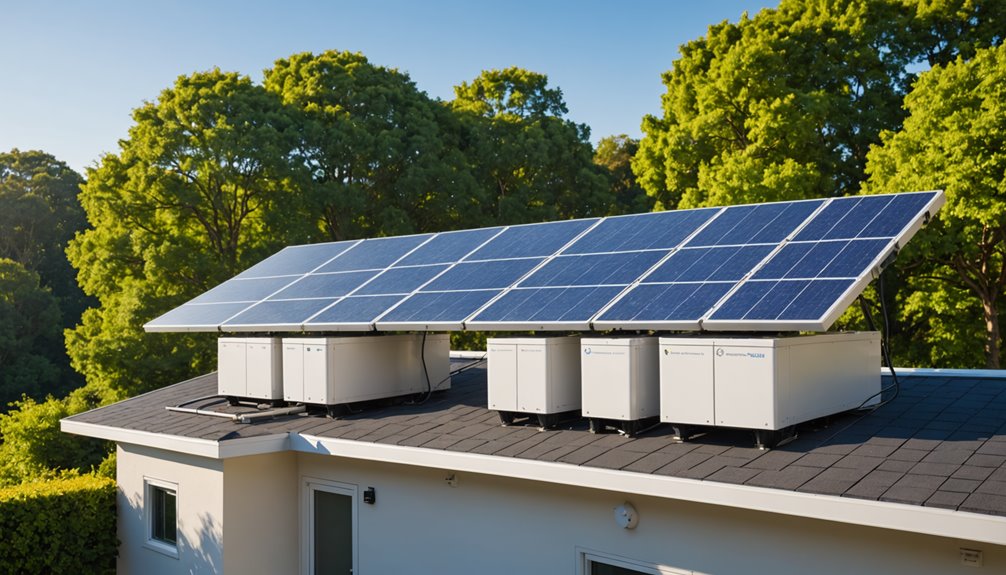
Installation practices that promote airflow beneath the panels can reduce operating temperatures and partially mitigate efficiency losses. Adequate ventilation between the panel surface and the mounting structure allows heat to dissipate more effectively, helping to maintain output levels during periods of sustained high ambient temperatures.
What Humidity, Fog, and Coastal Air Do to Solar Performance
Environmental factors beyond temperature can meaningfully affect solar panel performance and system longevity. Humidity contributes to corrosion in metallic components, which can increase maintenance requirements and reduce long-term reliability. Fog reduces the amount of direct sunlight reaching panels by scattering incoming solar radiation, resulting in lower energy output during overcast periods, particularly in the early morning and late evening hours. In coastal environments, airborne salt particles deposit on panel surfaces, where they obstruct incoming light and accelerate the corrosion of exposed materials over time.
These factors can interact, creating compounding effects on system performance and durability if not accounted for during the planning and installation phases. High-efficiency photovoltaic cells can help offset some generation losses associated with diffuse or reduced light conditions. Anti-reflective glass coatings may also improve light absorption under low-irradiance scenarios. For installations in humid or coastal settings, selecting weatherproof materials and electrical components with appropriate Ingress Protection ratings is a practical measure for maintaining system integrity against moisture and salt exposure.
How Cloud Cover, Rain, and Snow Affect Solar Output
Weather patterns significantly influence solar panel energy output. Cloud cover reduces solar panel efficiency by filtering sunlight before it reaches photovoltaic cells, with reductions ranging from moderate to substantial depending on cloud density and storm intensity. Rain, while temporarily blocking direct sunlight, serves a practical function by clearing accumulated dust and particulate matter from panel surfaces, which can restore baseline efficiency levels. Snow accumulation creates measurable output reductions proportional to coverage area, with complete panel coverage halting electricity generation until the snow melts or is removed. High humidity contributes to light scattering in the atmosphere, adding another variable that reduces the intensity of sunlight reaching panels. These weather-related factors follow seasonal patterns, meaning solar output fluctuates predictably across different times of year. Energy storage systems are a practical consideration for solar installations in regions prone to these conditions, as they allow excess energy generated during optimal periods to offset reduced production during adverse weather.
Hot and Dry Climates: High Solar Output With Hidden Efficiency Risks
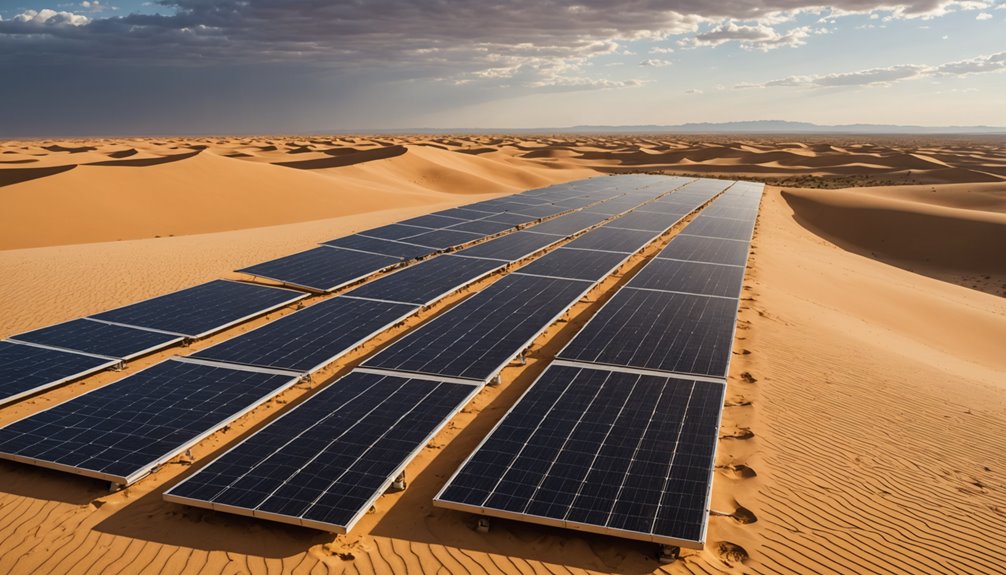
Hot and dry climates generate consistently high solar irradiance, with daily sunlight exposure frequently exceeding nine hours. While this extended exposure supports substantial energy generation potential, thermal conditions introduce measurable efficiency losses. Solar panels operate at peak efficiency at approximately 25°C, and performance degrades progressively as temperatures rise above this threshold. Surface temperatures on panel materials can reach 65°C or higher, increasing electrical resistance and reducing the rate of energy conversion.
Dust and particulate matter, common in arid environments, accumulate on panel surfaces and reduce the transmission of incoming solar radiation. This effect compounds over time without routine maintenance, making periodic cleaning a necessary operational consideration rather than an optional one.
Adjustable tilt systems offer a practical means of compensating for some of these performance limitations. By modifying panel angles in response to seasonal shifts in solar position, these systems improve the consistency of energy capture throughout the year. This mechanical adaptation partially offsets losses attributable to thermal inefficiency, though it does not eliminate them entirely. A comprehensive assessment of solar viability in hot and dry regions therefore requires accounting for both the favorable irradiance conditions and the operational factors that reduce system output.
Cold Climates: Why Cooler Temperatures Can Boost Solar Panel Efficiency
Cold climates offer a measurable performance advantage for solar panels. Lower temperatures reduce electrical resistance within photovoltaic cells, enabling more efficient energy conversion compared to operation under high heat conditions. Solar panels are rated at an optimal operating temperature of 25°C, and cooler ambient conditions help maintain panels closer to this benchmark, resulting in improved electrical output.
While cold regions typically experience fewer daylight hours, clear winter days can still produce meaningful energy generation. The angle of sunlight during winter months, combined with reflective snow cover on surrounding surfaces, can increase the amount of light reaching panel surfaces, contributing to higher energy capture in some conditions.
Snow accumulation on panels does reduce output when panels are covered, though this effect is generally temporary. As snow melts or slides off panel surfaces, it can carry away accumulated dirt and debris. This natural cleaning process helps maintain panel transparency, supporting consistent light absorption over time.
Tropical and Humid Regions: Solar Performance Under Heat and Moisture
Tropical and humid regions present distinct operational challenges for solar photovoltaic systems. Temperatures exceeding 30°C increase electrical resistance in panel components, reducing energy output proportionally to the temperature coefficient of the installed modules. Elevated humidity levels contribute to light scattering and atmospheric diffusion, with studies indicating efficiency reductions of 10–25% during periods of high humidity. Prolonged exposure to moisture accelerates corrosion of metallic components, including frames, connectors, and wiring, necessitating consistent maintenance schedules to preserve system integrity. Condensation accumulation poses a risk of electrical faults, making adequate weatherproofing and sealed junction boxes a functional requirement rather than an optional consideration. Technologies such as TOPCon cells demonstrate improved performance under diffuse and low-light conditions associated with mist, fog, and cloud cover, offering a measurable advantage in tropical environments where such conditions are frequent.
Which Panel Tilt and Orientation Works Best for Your Climate Zone
Panel orientation and tilt angle are key variables that directly affect solar energy output, and their optimal values depend on geographic location and climate conditions.
In the Northern Hemisphere, south-facing panels receive the greatest cumulative sun exposure throughout the year. Deviations toward southeast or southwest orientations result in measurable reductions in annual energy production, typically in the range of 10–20% depending on the degree of deviation.
Tilt angle recommendations are generally tied to the geographic latitude of the installation site. For locations between 30° and 40° latitude, a fixed tilt of 25–35° tends to optimize annual energy collection. At higher latitudes, steeper angles in the range of 35–45° better compensate for the lower solar elevation angle, particularly during winter months. These figures represent averages across seasonal variation and are not absolute values.
Adjustable mounting systems allow tilt angles to be modified seasonally, which can improve output by approximately 10–15% compared to fixed systems, depending on the location. This option is more relevant in regions where the sun’s position shifts substantially between summer and winter.
Shading from nearby structures, vegetation, or terrain features can significantly reduce panel output. Even partial shading of one panel in a series-connected string can reduce the performance of the entire array. Studies indicate that shading affecting a small portion of a panel’s surface can reduce output by 30–40% or more, depending on system configuration.
Site assessment prior to installation should account for all of these variables to establish realistic performance expectations.
How to Reduce Heat Loss and Weather-Related Solar Efficiency Drops
Solar panels are designed to operate across a range of environmental conditions, though certain factors can measurably reduce their efficiency. Output begins to decline when temperatures exceed 25°C, with most panels losing approximately 0.38% of efficiency per degree above that threshold. Proper panel orientation and adequate airflow beneath the panels can help manage heat buildup and limit temperature-related losses.
Particulate accumulation, including dust, pollen, and dirt, presents another source of efficiency reduction. Studies indicate that soiling can decrease output by up to 25% in areas with limited rainfall or high dust exposure. Establishing a regular cleaning schedule based on local environmental conditions can mitigate this effect.
Shading from nearby structures or vegetation is among the more significant factors affecting output, with partial shading potentially reducing performance by 30–40%. A thorough site assessment prior to installation should account for shadow patterns across different times of day and seasons.
Energy storage systems offer a practical means of compensating for output variability caused by weather fluctuations. By storing excess energy produced during periods of high solar irradiance, battery systems allow for continued energy availability during overcast conditions or reduced daylight hours. Sizing the storage capacity appropriately to match local weather patterns and energy consumption is an important consideration in system design.
Choosing the Right Solar Panel Technology for Your Local Climate
Selecting the appropriate solar panel technology for a given climate has a measurable impact on long-term energy output and system durability. In humid regions, panels constructed with corrosion-resistant materials reduce the risk of component deterioration over time. In areas with frequent fog or overcast conditions, panels using TOPCon cell technology tend to perform better under diffuse or low-intensity light. In hot climates, the temperature coefficient of a panel is a relevant specification, as most panels experience reduced output above 25°C, and panels with lower negative temperature coefficients lose less efficiency as temperatures rise. Each of these factors is tied to documented performance data rather than general preference. Aligning panel specifications with local climate conditions supports more accurate energy yield projections and reduces the likelihood of premature system degradation.
Conclusion
Climate zone is a primary determinant of solar system performance, influencing energy output through variables such as temperature, humidity, cloud cover, and atmospheric conditions. Heat reduces panel efficiency, humidity accelerates material degradation, and coastal environments introduce corrosive elements that affect long-term reliability. Selecting appropriate panel technology, optimizing tilt angles, and applying suitable protective measures based on local environmental conditions can meaningfully improve energy yield. A thorough assessment of the specific climate characteristics of an installation site should inform system design decisions to achieve reliable and consistent performance.