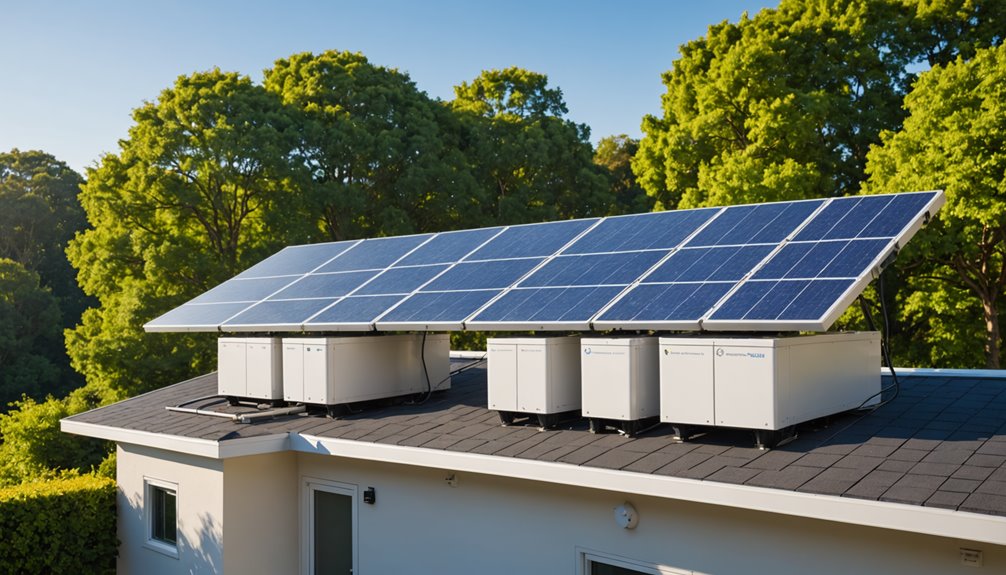
The type of roof on a residential property is a significant factor in determining the feasibility, cost, and long-term performance of a solar installation.
Roof material, structural condition, pitch, orientation, and available surface area all influence the design and scope of a solar project.
Certain roof types are more compatible with standard solar installation methods, while others require specialized mounting solutions or may present structural limitations.
Understanding these variables in advance allows homeowners and installers to assess realistic options, anticipate additional costs, and make informed decisions before committing to a system design.
Key Takeaways
Standing-seam metal roofs are well-suited for solar installations due to their 40–70-year lifespans and compatibility with clamp-on mounting systems that do not require roof penetrations. This reduces the risk of leaks and structural compromise.
Asphalt shingle roofs can support solar installations under the right conditions. Performance and longevity outcomes are generally better when high-quality shingles are in place and the roof is no more than 10–15 years old, reducing the likelihood of needing to remove and reinstall panels for roof replacement.
Tile roofs present additional complexity for solar installations. Specialized mounting hardware is required, and installers must have experience working with tile materials to avoid cracking during the installation process.
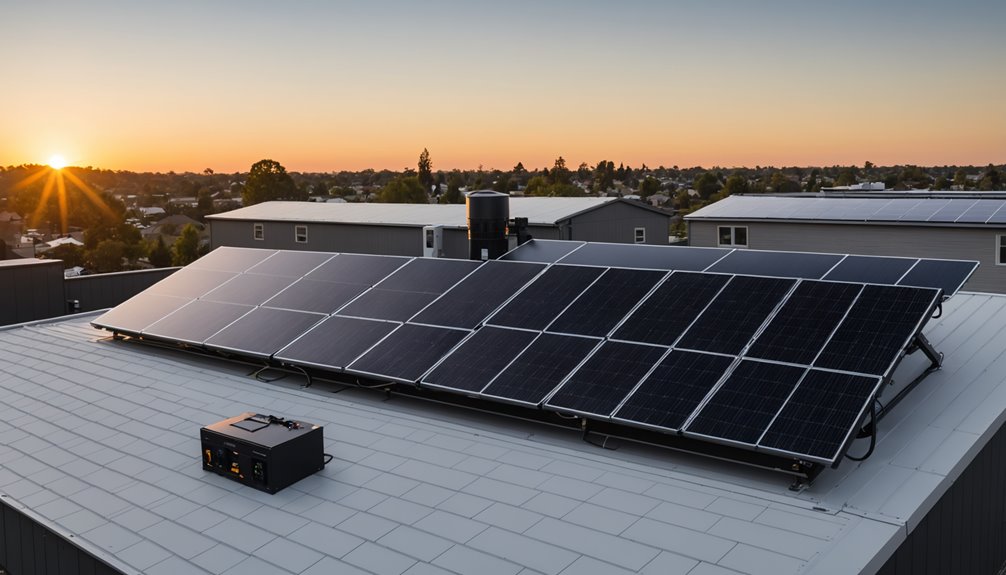
Flat roofs can accommodate solar panels through ballasted or mechanically attached racking systems. Tilt-up mounting configurations are commonly used on flat roofs to improve the angle of sun exposure, which can increase energy output compared to panels installed flush with the surface.
Roof orientation and structural condition are relevant factors across all roof types. South-facing roofs with minimal shading from obstructions and sufficient load-bearing capacity generally provide the most favorable conditions for solar panel installation and sustained energy production.
What Makes a Roof Compatible With Solar Panels
Solar panel compatibility depends on several measurable factors that homeowners should evaluate before proceeding with an installation.
Roofing material plays a functional role in determining compatibility. Metal roofs and asphalt shingles are widely used in solar installations because they provide stable mounting surfaces and have established installation methods. Materials such as wood shake or slate present greater technical challenges and may require specialized hardware.
Structural capacity is a practical concern. Solar panels typically weigh between 33 and 50 pounds each, and a full array adds considerable load to a roof structure. A structural assessment can determine whether the existing framework meets the required load-bearing standards before installation begins.
Roof orientation directly influences energy production. South-facing roof sections in the Northern Hemisphere receive the most consistent sun exposure throughout the day, which generally results in higher energy output. East- and west-facing orientations can still support functional systems, though with reduced efficiency.
Roof penetrations, which are necessary for mounting hardware and wiring, require proper sealing to prevent water infiltration. Industry-standard flashing techniques and waterproof sealants are used to manage this risk during installation.
Finally, the age and current condition of the roof are relevant considerations. Installing solar panels on a roof nearing the end of its service life may result in costly removal and reinstallation when repairs become necessary. Addressing existing structural or material issues before installation reduces long-term complications. A compatible and well-prepared roof also supports the full benefit of a 25-year performance guarantee, which protects the system’s output over its operational lifespan.
Asphalt Shingle Roofs: The Most Solar-Friendly Starting Point
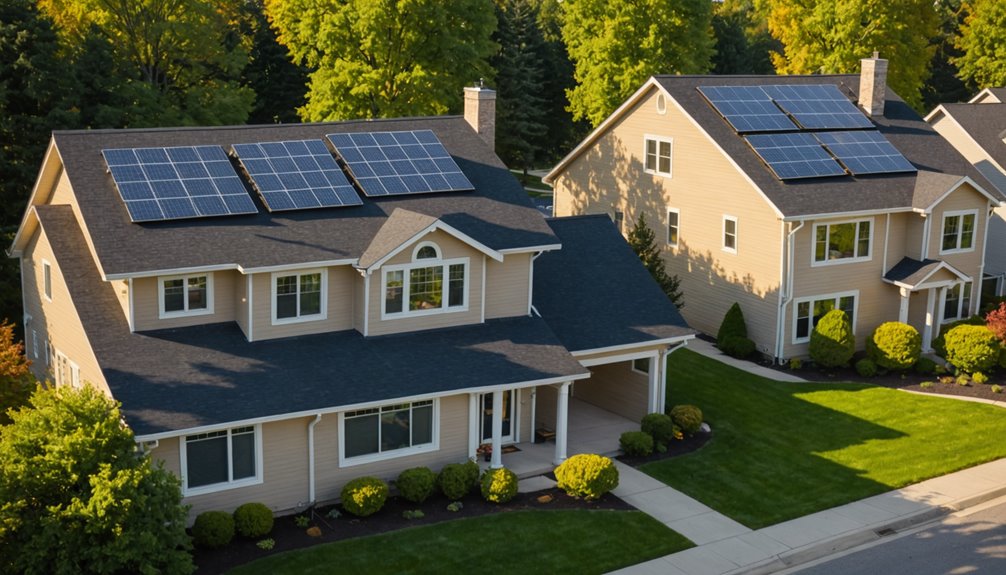
Asphalt shingles are among the most common roofing materials used in solar panel installations. Their weight of 2.5–4 lbs/sq ft is relatively low compared to other roofing materials, which reduces the likelihood of requiring additional structural reinforcement. Using higher-quality shingles is advisable to ensure the roof’s lifespan aligns with that of the solar system, typically 25–30 years, as premature roof replacement would necessitate removing and reinstalling the panels at additional cost.
The installation method for solar panels on asphalt shingles involves drilling mounts directly into the roof structure and applying flashing around the penetration points to prevent water intrusion. Prior to installation, a roof inspection is recommended to identify and address any existing damage, such as cracked or missing shingles. Unresolved structural issues can compromise both the roof’s integrity and the long-term reliability of the solar system. Conducting this maintenance before installation avoids complications that may otherwise require more extensive and costly intervention after the solar system is in place.
Standing-Seam Metal Roofs: The Best Long-Term Solar Investment
Standing-seam metal roofs present notable advantages for solar installations, primarily due to their extended lifespan of 40 to 70 years and their compatibility with clamp-on mounting systems that require no roof penetrations. This mounting approach preserves roof integrity and reduces installation complexity, which can lower both labor time and associated costs. With a weight of approximately 2.5 to 4 lbs per square foot, these roofs generally do not require additional structural reinforcement to support solar panels. The reflective properties of metal roofing also contribute to reduced heat absorption, which may help lower cooling costs over time. For homeowners evaluating long-term solar investments, standing-seam metal roofs offer a structurally and financially practical foundation when paired with solar panel systems.
Tile Roofs Can Work for Solar: But Installation Gets Complicated
Tile roofs are compatible with solar panel installations, though the process involves greater complexity than installations on asphalt or metal roofing. The durability and longevity of tile roofs are well-documented advantages, but the material requires specialized mounting hardware to properly secure solar panels while preventing tile damage. Without correct installation techniques, the risk of cracking tiles increases, which can lead to water infiltration and structural damage over time.
Professional installers with specific experience in tile roof solar projects are necessary to minimize these risks. In some cases, structural assessment may reveal that additional reinforcement is needed to support the combined weight of both the roofing material and the solar system. These technical requirements contribute to higher labor costs relative to installations on more straightforward roofing surfaces.
One practical consideration is that tile roofs typically have a lifespan that can exceed that of the solar panels themselves. This means the roof may not require replacement during the operational life of the solar system, which reduces long-term costs. For homeowners with existing tile roofs, solar installation remains a technically feasible option, provided the upfront investment in skilled labor and appropriate equipment is accounted for in the overall project budget.
Flat Roofs and Solar Panels: What Homeowners Should Expect
Flat roofs can accommodate solar panel installations, though several technical and structural factors must be evaluated beforehand. An engineering review is necessary to determine whether the roof can support the combined load of solar panels, racking systems, and accumulated snow where applicable.
Racking systems for flat roof installations fall into two primary categories: ballasted systems, which use weighted materials to secure panels without roof penetrations, and mechanically attached systems, which are fastened directly to the roof structure. Both approaches are designed to limit the number of roof penetrations and reduce the risk of water infiltration.
Tilt-up racking systems are commonly used on flat roofs to angle panels toward optimal sun exposure, which can improve energy output compared to panels installed flush with the roof surface.
Drainage is a critical consideration. Flat roofs are prone to water pooling, and the addition of solar equipment can further obstruct water flow if not properly planned. Adequate drainage infrastructure should be in place prior to installation.
Maintenance access is generally less complex on flat roofs than on pitched roofs, as technicians can move across the surface more safely. However, this advantage is contingent on the roof being in sound structural condition. Any existing damage, membrane deterioration, or drainage deficiencies should be remediated before installation proceeds to avoid compounding problems after the system is in place.
How Roof Pitch, Direction, and Shade Affect Solar Compatibility
Roof pitch, orientation, and shade exposure are key variables in assessing solar system performance. For residential installations, a roof pitch between 15° and 40° tends to optimize sunlight capture without the need for additional tilt mounting hardware. Roofs oriented toward the south generally yield the highest annual energy output in the northern hemisphere, making directional alignment a meaningful factor in system planning. Shading from trees, chimneys, or neighboring structures can reduce solar output by roughly 10–20%, depending on the extent and duration of obstruction. Unobstructed panel placement is therefore a practical requirement for maintaining consistent energy generation. On multi-faceted roofs, varying pitch angles and orientations across different sections can produce uneven performance among panels, which adds complexity to system design and may reduce overall efficiency.
How Roof Age and Condition Can Delay or Derail Installation
Roof age and condition are critical factors in determining whether a property is ready for solar panel installation. Asphalt shingle roofs older than 10–15 years present a measurable risk, as their remaining lifespan may not align with the 25–30 year operational period typical of solar panel systems. In such cases, roof replacement prior to installation is often the more practical and cost-effective course of action.
Visible deterioration—including curling, cracking, or missing shingles—signals compromised roofing material that may be unable to support the additional load and penetrations required for panel mounting. Moisture infiltration and soft spots are particularly problematic, as they indicate potential structural weakening that can worsen over time and jeopardize both the roof and the solar system above it.
A watertight, structurally sound roof surface is a baseline requirement for a durable solar installation. Any existing vulnerabilities in the roofing system will only become more difficult and expensive to address once panels are mounted, since removal and reinstallation add considerable labor and material costs to what would otherwise be routine repairs.
Conducting and documenting a thorough roof assessment before installation serves multiple practical purposes. It establishes a clear record of pre-existing conditions, reduces the likelihood of disputes between homeowners and contractors, and helps avoid the scenario where panels must be removed shortly after installation to resolve problems that were present from the outset.
Should You Replace Your Roof Before Going Solar?
Deciding whether to replace your roof before installing solar panels depends on several key factors: the roof’s age, material, and current condition. If the roof is nearing the end of its expected lifespan or shows signs of deterioration—such as curling shingles, soft spots, or recurring leaks—replacement prior to solar installation is the more practical course of action. Removing and reinstalling solar panels to accommodate a roof replacement at a later stage typically costs between $1,500 and $6,000 or more, not including additional permitting fees. Addressing roof issues beforehand eliminates these costs.
When selecting roofing materials, it is worth considering their longevity relative to solar panel lifespan. Metal roofing, for example, lasts between 40 and 70 years, which aligns more closely with the 25–30 year operational lifespan of most solar panels compared to standard asphalt shingles. A structurally sound roof provides a stable foundation for the solar system and reduces the likelihood of disruptions or additional costs over the system’s operational life.
Conclusion
The type of roof on a residential property is a significant factor in determining the feasibility and efficiency of a solar installation. Common roof types—asphalt shingles, standing-seam metal, tile, and flat roofs—each present distinct technical considerations regarding installation methods, mounting hardware, and long-term performance.
Prior to installation, several structural and environmental variables warrant evaluation. These include the roof’s age and current condition, its pitch or slope, and the degree of direct sun exposure it receives throughout the day. A roof nearing the end of its service life may require replacement before solar panels are installed, as doing so afterward adds unnecessary labor and cost. Pitch affects panel angle and, consequently, energy output, while shading from nearby structures or vegetation can meaningfully reduce system efficiency.
Selecting a mounting system and panel configuration appropriate for the specific roof type reduces the likelihood of installation complications, minimizes the risk of roof damage, and supports consistent energy production over the system’s operational lifespan, typically 25 to 30 years.