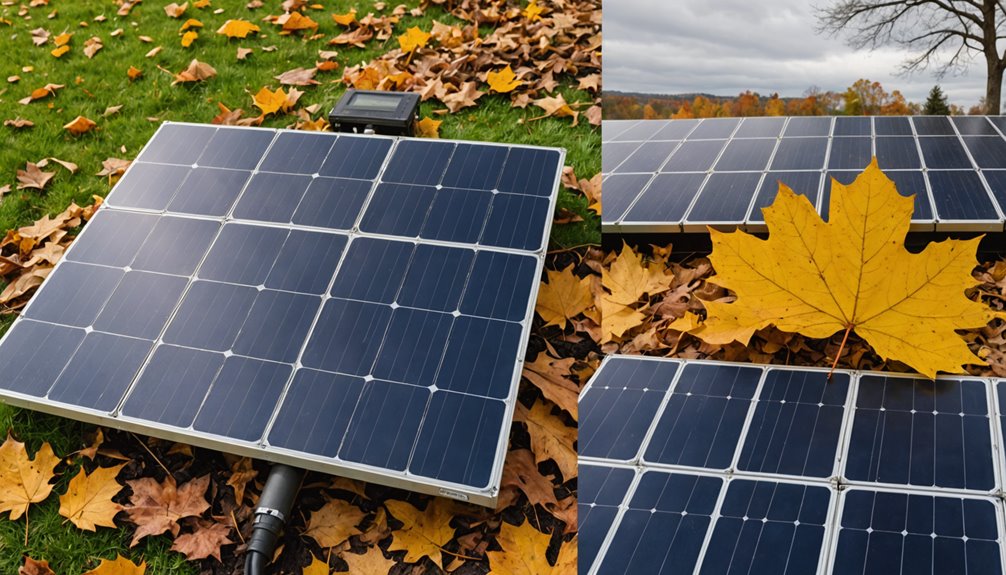
Solar energy output varies throughout the year in response to seasonal weather patterns. Several measurable factors drive this variation, including sun angle, daylight hours, cloud cover, and temperature.
During winter months, the sun sits lower in the sky, which reduces the intensity of solar radiation reaching panel surfaces. Shorter daylight hours further limit the window during which panels can generate power. Cloud cover, more prevalent in winter across many regions, scatters and absorbs incoming sunlight before it reaches the panels.
Summer conditions generally produce higher output due to longer daylight hours and a more direct solar angle. However, high ambient temperatures can reduce panel efficiency. Most photovoltaic panels lose approximately 0.3% to 0.5% of output for each degree Celsius above their standard test temperature, typically rated at 25°C.
Spring and autumn present moderate conditions. Clear skies and cooler temperatures in these seasons can result in relatively efficient energy production despite shorter days compared to summer.
Geographic location plays a significant role in determining the extent of seasonal variation. Systems installed in higher latitudes experience more pronounced differences between summer and winter output than those closer to the equator.
Understanding these patterns allows system owners to make more accurate estimates of seasonal energy production, plan battery storage needs accordingly, and adjust consumption habits during periods of reduced generation.
Reviewing historical output data alongside local weather records provides a practical basis for these assessments.
Key Takeaways
Seasonal weather patterns have a measurable impact on solar energy production, with variations in daylight duration, sun angle, temperature, and precipitation all contributing to fluctuations in output.
During summer months, extended daylight hours and higher sun angles increase the intensity and duration of solar exposure, resulting in peak energy generation. Conversely, winter conditions reduce solar output by approximately 40-60%, primarily due to shorter days and lower sun angles that diminish the energy reaching panel surfaces.
Cloud cover is another significant factor, reducing panel efficiency by 10-25% depending on density and duration. Regions with prolonged overcast or stormy seasons experience more consistent reductions in generation capacity compared to areas with stable, clear conditions.
Snow accumulation presents a more immediate challenge, as it can completely obstruct sunlight from reaching panel surfaces, effectively halting energy production. Panels installed at steeper angles allow lighter snowfall to slide off without manual intervention, though heavy accumulation may still require clearing.
Temperature effects on panel performance are less straightforward. While colder temperatures can marginally improve electrical efficiency by reducing resistance within the panel’s components, this benefit is generally offset by the reduced daylight hours characteristic of winter months, resulting in a net decrease in seasonal output.
To mitigate production losses, operators can adjust panel tilt angles to optimize sun exposure based on seasonal sun position. Pairing solar systems with energy storage solutions allows excess energy generated during high-production periods to compensate for shortfalls during low-sunlight months.
How Seasons Affect Solar Panel Output
Seasonal changes have a measurable effect on solar panel output, influenced by daylight duration, sun angle, weather conditions, and temperature.
During summer months, longer daylight hours and higher sun angles contribute to peak energy generation. In contrast, winter months bring shorter days and lower sun angles, which can reduce solar energy production by 40-60% depending on geographic location and local weather patterns.
Cloud cover is another contributing factor. Overcast conditions can reduce panel efficiency by 10-25%, as diffused light delivers less usable energy than direct sunlight. Regions with frequent cloud coverage will experience this reduction more consistently throughout the year.
Temperature also plays a role in panel performance. While solar panels require sunlight to generate electricity, excessive heat negatively affects their efficiency. Most panels operate optimally at around 77°F, with efficiency declining by approximately 0.3-0.5% for each degree above that threshold. This means that while summer provides more sunlight, high ambient temperatures can partially offset the gains in output.
Given these variations, energy output from solar panels is not consistent across seasons. Battery storage systems and grid-tied configurations are practical solutions for managing periods of reduced production. Proper planning based on regional climate data allows for more accurate projections of seasonal output and helps ensure a reliable energy supply throughout the year. In Connecticut, pairing solar panels with a cold climate heat pump can help offset reduced winter solar output by providing an energy-efficient heating solution even in freezing temperatures.
Winter vs. Summer: The Real Solar Production Gap
Solar energy production varies considerably between summer and winter months. Peak generation occurs in July and August, when daily daylight averages approximately 14 hours. During winter months, production typically declines by 40-60%, corresponding with a reduction in daylight hours to around 9 per day.
Two primary factors contribute to reduced winter output. First, the sun’s lower angle in the sky decreases the direct exposure reaching panel surfaces. Second, increased cloud cover during winter months can reduce solar efficiency by 10-25%, depending on regional weather patterns.
Geographic location plays a measurable role in annual solar output. Regions with moderate climates, such as California, experience less severe seasonal fluctuations compared to areas with harsher winter conditions. This results in more consistent energy generation across the calendar year.
Awareness of these seasonal variables allows solar system owners to make informed decisions regarding energy consumption, storage capacity, and supplemental power needs throughout the year.
Does Cold Weather Actually Make Solar Panels More Efficient?
Cold weather can improve solar panel efficiency, contrary to what many people might assume. Lower temperatures reduce electrical resistance in photovoltaic cells, which increases their ability to generate electricity. The optimal operating temperature for most solar panels is approximately 77°F (25°C). For every degree above this threshold, efficiency decreases by roughly 0.3%–0.5%. Shifting global temperature patterns may influence solar energy output, though the precise effects remain difficult to predict consistently.
Despite the efficiency gains from cooler temperatures, winter months present other performance challenges. Reduced daylight hours and increased cloud cover are the primary factors limiting solar production during winter, with output potentially declining by 40%–60% compared to summer months. Snowfall, by contrast, has a relatively limited impact on overall performance, as most panels are installed at angles that allow light accumulation to slide off naturally.
How Cloud Cover, Snow, and Rain Reduce Solar Output
Cloud cover reduces solar panel output by 10%–25% on overcast days. During winter months, reduced daylight hours and lower sun angles can cause a 40%–60% decline in energy generation compared to summer months.
Snow accumulation on panels blocks incoming sunlight and can halt energy production entirely. Light snow typically melts or slides off panel surfaces relatively quickly due to their smooth, angled design. Heavy rainfall reduces solar output by limiting sunlight transmission, though it also removes dirt and debris from panel surfaces, which can modestly improve efficiency once conditions clear.
These weather-related variables have measurable effects on solar system performance and should be factored into energy output projections when assessing solar viability across different seasons and climates.
How to Maximize Solar Panel Output Year-Round
Seasonal weather variations can affect solar system performance, but several technical strategies help maintain consistent output throughout the year. Adjusting panel angle seasonally accounts for the Sun’s shifting position relative to the Earth’s axis, which directly influences the angle at which sunlight strikes the panels. Energy storage systems, such as lithium-ion battery banks, provide a reliable buffer during periods of reduced solar generation, including cloudy days or shorter winter daylight hours. Monitoring weather forecasts allows for informed decisions about energy consumption during anticipated low-production periods. In regions with frequent overcast conditions, bifacial solar panels offer a practical advantage, as they are designed to absorb diffused light from multiple angles rather than relying solely on direct sunlight. Routine maintenance, including removing debris and cleaning panel surfaces following storms, is necessary to prevent efficiency losses caused by physical obstructions on the panel surface.
Conclusion
Seasonal weather patterns have a measurable impact on solar panel output throughout the year. Summer months typically yield higher energy production due to longer daylight hours and more direct sun angles, while winter months result in reduced generation caused by shorter days, lower sun angles, and increased cloud cover. Snow accumulation on panels further limits output during colder months, though panels can be cleared or angled to minimize this effect.
Adjusting panel tilt angles seasonally can improve energy capture, as the optimal angle varies with the sun’s position relative to the Earth’s axis. Cloud cover reduces the intensity of solar irradiance reaching panels, which directly lowers electricity generation, though diffuse light still contributes to some output under overcast conditions.
Understanding these seasonal variables allows solar system owners to set realistic production expectations and implement practical measures, such as panel cleaning, tilt adjustments, and energy storage strategies, to maintain consistent performance across all seasons.