Residential solar panels typically last between 25 and 30 years, though this varies based on several measurable factors. Degradation rates play a central role — most panels lose approximately 0.5% to 1% of their efficiency annually, meaning a panel rated at 100% output at installation may operate at around 75% to 80% capacity by the end of its expected lifespan. Higher-quality panels from established manufacturers tend to fall toward the lower end of this degradation range.
Climate conditions also affect longevity. Panels installed in regions with extreme temperature fluctuations, high humidity, or frequent hailstorms generally experience accelerated wear compared to those in more moderate environments. UV exposure, while necessary for power generation, contributes to gradual material breakdown over time.
Installation quality is another determining factor. Improper mounting, inadequate ventilation, or poor electrical connections can shorten panel life and reduce performance independent of the panel’s inherent quality. Choosing a certified installer following industry standards reduces these risks.
Routine maintenance, including periodic cleaning and inspection for physical damage or wiring issues, helps preserve performance throughout the panel’s operational life.
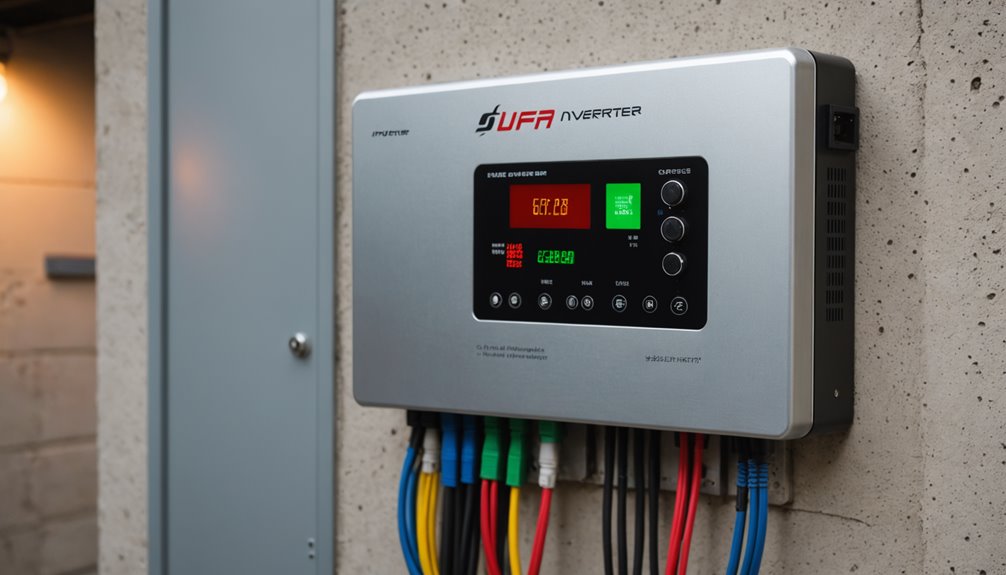
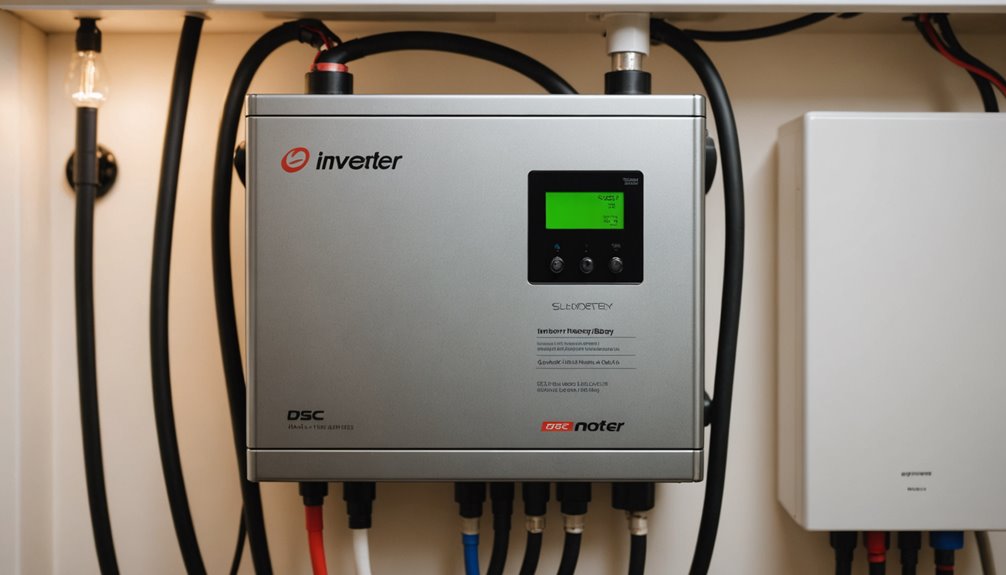
Inverters, which convert solar energy into usable electricity, typically require replacement after 10 to 15 years and represent a separate maintenance consideration.
Most manufacturers provide performance warranties guaranteeing a minimum output level — commonly 80% — after 25 years. Reviewing these warranty terms alongside degradation data offers a more accurate projection of long-term value than lifespan estimates alone.
Key Takeaways
Residential solar panels have an operational lifespan of 25 to 30 years, with most systems being decommissioned around the 30-year mark. Performance declines gradually over time, with standard panels degrading at approximately 0.5% annually. Higher-efficiency models, such as Maxeon panels, exhibit a slower degradation rate of 0.25% per year, making them a more durable option over the long term.
Manufacturer warranties for solar panels typically guarantee that output will remain between 80% and 85% of original capacity after 25 years of use, providing a measurable benchmark for expected performance. These warranties reflect industry-standard expectations for panel longevity and reliability.
Climate conditions play a measurable role in determining how quickly panels degrade. Systems installed in hotter regions experience an average annual degradation rate of 0.88%, compared to 0.48% in cooler climates. This difference underscores the importance of accounting for geographic and environmental factors when assessing long-term panel performance.
Regular maintenance, proper installation by qualified technicians, and consistent monitoring of energy output are established factors that can extend a panel’s functional lifespan beyond its standard rating. These practices help identify performance issues early and preserve system efficiency over time.
How Long Do Residential Solar Panels Actually Last?
Residential solar panels typically have an operational lifespan of 25 to 30 years, with most systems being decommissioned near the 30-year mark. A critical factor in determining long-term performance is the degradation rate, which measures how much efficiency a panel loses each year.
Standard solar panels degrade at approximately 0.5% per year. At this rate, a panel will retain roughly 81.25% of its original output capacity after 25 years of operation. Higher-efficiency products, such as Maxeon panels, carry a lower degradation rate of approximately 0.25% per year, preserving around 93% of their original output over the same period.
Manufacturer warranties generally reflect these performance expectations. Most panels come with a 25-year warranty that guarantees a minimum of 80% to 85% of rated power output throughout the coverage period. This warranty structure provides a measurable baseline for evaluating long-term energy production and return on investment.
When assessing the economic value of a solar installation, the degradation rate and warranty terms serve as practical indicators of how a system will perform over its lifetime. Panels with lower degradation rates tend to deliver more consistent energy output over time, which can be a relevant consideration when comparing products at different price points. In Connecticut, residential solar installations are also eligible for a 30% federal tax credit on system costs, which further strengthens the financial case for investing in higher-quality, lower-degradation panels from the outset.
Why Solar Panels Degrade and Lose Power Over Time
Solar panels are designed to operate for several decades, but their efficiency decreases incrementally over time. This degradation is primarily driven by UV exposure and thermal cycling, both of which contribute to microcracks and gradual material breakdown within the panel components.
Degradation rates are influenced by climate conditions. Panels in hotter regions experience an average annual efficiency loss of approximately 0.88%, while those in cooler climates typically degrade at around 0.48% per year. Additional environmental factors, including humidity, moisture infiltration, and exposure to extreme weather events, further accelerate this process.
Over a 25-year period, most standard solar panels retain between 75% and 85% of their original power output. Higher-grade panels, manufactured with more durable materials and stricter quality controls, can maintain up to 93% of their initial output over the same timeframe.
These figures are relevant when evaluating the long-term energy yield of a solar installation. Accounting for expected degradation allows for more accurate projections of system output and return on investment across the operational lifespan of the panels.
How Climate, Mounting, and Installer Choices Shorten Panel Life
Climate, mounting configuration, and installation quality are key factors that influence the rate of solar panel degradation beyond natural wear. Panels installed in hotter climates degrade at approximately 0.88% annually, compared to 0.48% in cooler regions, a difference that compounds meaningfully over a system’s lifespan. Mounting systems that restrict airflow beneath panels allow heat to accumulate, which can widen this performance gap further.
Installation quality directly affects long-term panel integrity. Improper installation can introduce microcracks in solar cells, which expand and contract with repeated thermal cycling over time, gradually reducing power output. These defects are not always visible during initial inspection, making their long-term impact difficult to detect without periodic monitoring.
Certain mitigation measures can reduce the rate of performance decline. Light-colored mounting surfaces absorb less heat than darker alternatives, helping to moderate panel operating temperatures. Routine inspections allow for early identification of developing issues, including cracking, delamination, or connection degradation, before they progress to more significant losses in output. Selecting qualified installers and appropriate mounting hardware suited to local climate conditions remains a practical factor in preserving system performance over its operational life.
How to Tell When Your Solar Panels Are Failing
Solar panels typically degrade at a rate of 0.5% to 0.8% per year, meaning measurable performance decline is expected over time. A reduction in energy output exceeding 20% relative to original specifications, particularly after 25 years of operation, indicates significant cell degradation and may warrant professional evaluation or replacement.
Physical signs of panel deterioration include discoloration such as browning or yellowing of cells, which reduces light absorption efficiency. Delamination, microcracks, and hot spots are additional structural indicators that cell integrity has been compromised. These conditions are often identifiable through visual inspection or thermal imaging analysis.
Repeated system malfunctions occurring within short intervals suggest components are approaching the end of their operational lifespan. Inverter errors, circuit interruptions, and inconsistent output readings are common technical indicators worth monitoring.
Moisture ingress presents a particular concern, as water penetration can corrode internal wiring and electrical contacts without producing immediate visible symptoms. This type of damage tends to progress gradually and may not affect measurable output until deterioration has become substantial. Regular performance monitoring using data logging systems allows for the early detection of output anomalies that precede visible or functional failure, enabling more informed maintenance and replacement decisions.
What Panel Warranties Tell You About Expected Lifespan
Panel warranties serve as a useful reference point for estimating the operational lifespan of a solar installation. Most manufacturers offer warranty periods ranging from 20 to 25 years, typically guaranteeing that panels will retain at least 80% of their original output capacity by the end of that term. Some manufacturers, such as Maxeon, provide extended warranties of up to 40 years, which reflects a higher stated confidence in the long-term durability of their products.
These warranties generally cover two distinct areas: performance degradation and manufacturing defects. Performance warranties address the gradual decline in energy output over time, while product warranties cover physical or structural failures unrelated to normal wear. Monitoring actual output against the terms outlined in a performance warranty provides a practical method for identifying when panels are underperforming relative to manufacturer specifications.
It is worth noting that warranty length alone does not determine panel quality, as the financial stability of the manufacturer is also a relevant factor in whether warranty claims can be honored over a multi-decade period. Panels may continue to function beyond their warranty terms, though output levels and reliability become less predictable after that point. Using warranty timelines as a baseline for planning potential upgrades or replacements allows for more informed long-term decisions regarding a solar installation.
How to Extend Your Solar Panels’ Lifespan
Solar panels require minimal maintenance, but certain practices can extend their operational lifespan. Periodic inspections help identify structural issues such as loose racking components or exposed wiring before they develop into more serious problems. Removing debris and addressing pest activity reduces the risk of physical damage to panels and mounting systems.
Adequate airflow around panels during installation is a technical consideration that limits heat accumulation, which contributes to gradual material degradation over time. Panel selection also affects long-term performance. Higher-grade panels generally exhibit lower annual degradation rates — some premium models degrade at approximately 0.25% per year, compared to industry averages that typically range from 0.5% to 0.8% annually.
Consistent output monitoring allows system owners to detect performance decline and respond before minor issues compound. Collectively, these maintenance measures support reliable energy production over the panel’s intended service life, which manufacturers typically rate at 25 to 30 years.
Conclusion
Residential solar panels typically have a lifespan of 25 to 30 years, though this range depends on several factors. Panel longevity is influenced by the quality of materials used in manufacturing, the competency of the installation process, and the consistency of routine maintenance. Most panels experience a gradual decline in efficiency over time, commonly referred to as degradation, at an average rate of 0.5% to 1% per year.
Monitoring system output on a regular basis allows homeowners to identify performance issues at an early stage. Adhering to warranty conditions is also relevant, as manufacturers often require specific maintenance practices to keep coverage valid. Addressing technical problems promptly can prevent minor issues from developing into more significant failures that may shorten the system’s operational life.
Selecting panels with verified quality certifications and working with qualified installers reduces the likelihood of premature system degradation. While external factors such as weather conditions and geographic location play a role in overall performance, proper upkeep remains one of the more controllable variables in determining how long a solar panel system functions within acceptable efficiency parameters.