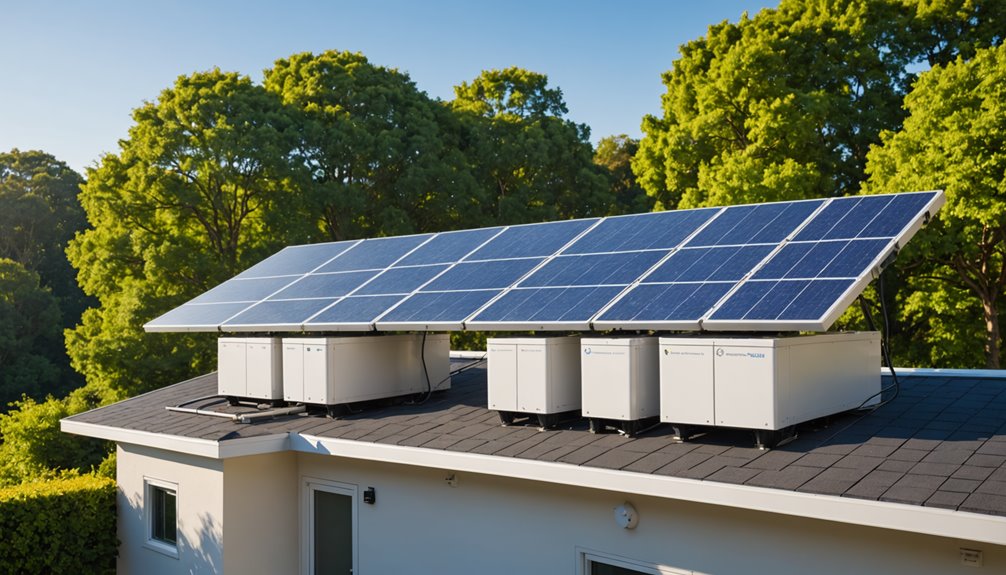
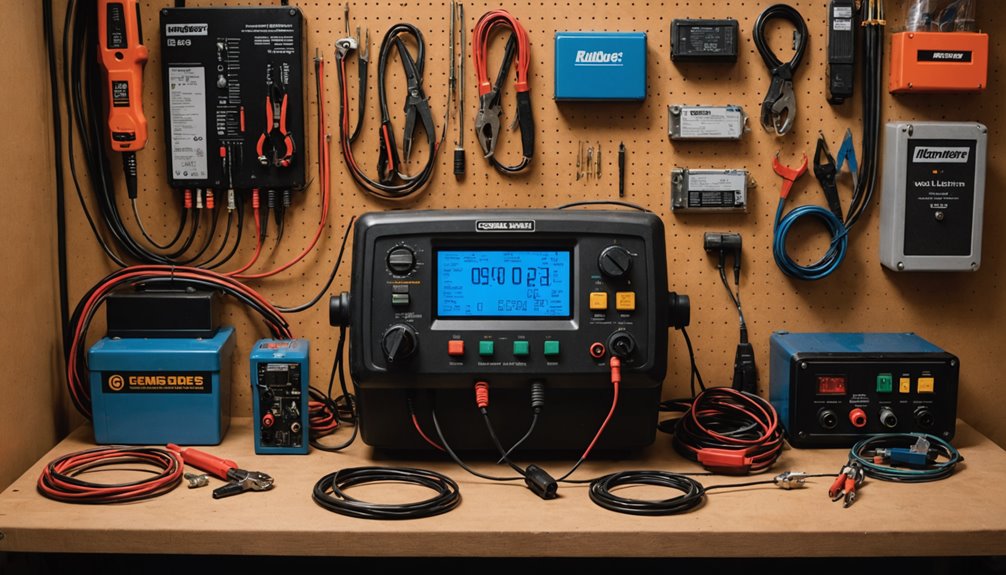
A battery backup system provides an alternative power source when the electrical grid experiences an outage.
Installing one requires selecting appropriate components, calculating your energy needs accurately, and following a structured installation process.
The following information outlines the key considerations involved in planning and building a residential battery backup system.
Key Takeaways
A home battery backup system consists of three fundamental components: batteries, inverters, and chargers. Lithium Iron Phosphate (LiFePO4) batteries are commonly selected for their extended cycle life and thermal stability compared to other lithium chemistries.
To determine the appropriate system capacity, calculate total watt-hours by summing the wattage of all intended appliances multiplied by their expected hours of use. Add a 20-30% buffer to account for inefficiencies and unexpected demand. For appliances with motors or compressors, factor in surge power requirements, which can be two to three times the rated running wattage during startup.
Inverter sizing should exceed anticipated peak load by 10-20% to maintain stable operation during high-demand periods and reduce stress on the unit over time.
Safe installation depends on adequate ventilation to prevent heat accumulation, which accelerates battery degradation. Protective components, including appropriately rated fuses and circuit breakers, are necessary to mitigate risks associated with overcurrent and electrical faults.
Component compatibility requires attention to voltage and current ratings across all parts of the system. Mismatched specifications can reduce efficiency or cause equipment damage. Given the regulatory and safety implications of integrating a backup system with household wiring, consultation with a licensed electrician is advisable to confirm local code compliance and proper installation.
What a Home Battery Backup System Actually Does
A home battery backup system stores energy sourced from the grid or solar panels, providing a reserve that can be drawn upon during power outages or periods of elevated electricity pricing. As grid instability and outage frequency have grown in certain regions, energy storage systems have gained traction among homeowners seeking greater reliability. The majority of residential systems rely on lithium-ion battery technology, which offers a reasonable balance of storage capacity, efficiency, and lifespan. When integrated with solar panels, these systems can reduce dependence on grid electricity and lower utility costs over time. Most modern units include monitoring software that allows users to track energy input, output, and overall system performance. While the upfront cost of installation can be substantial, the long-term financial and practical benefits depend largely on local electricity rates, outage frequency, and available solar incentives. For solar-equipped homes, battery storage can increase self-consumption rates from around 30% to over 80%, significantly reducing the amount of unused energy sent back to the grid.
Batteries, Inverters, and Chargers: What You Actually Need
Batteries, Inverters, and Chargers: Core Components for Backup Power Systems
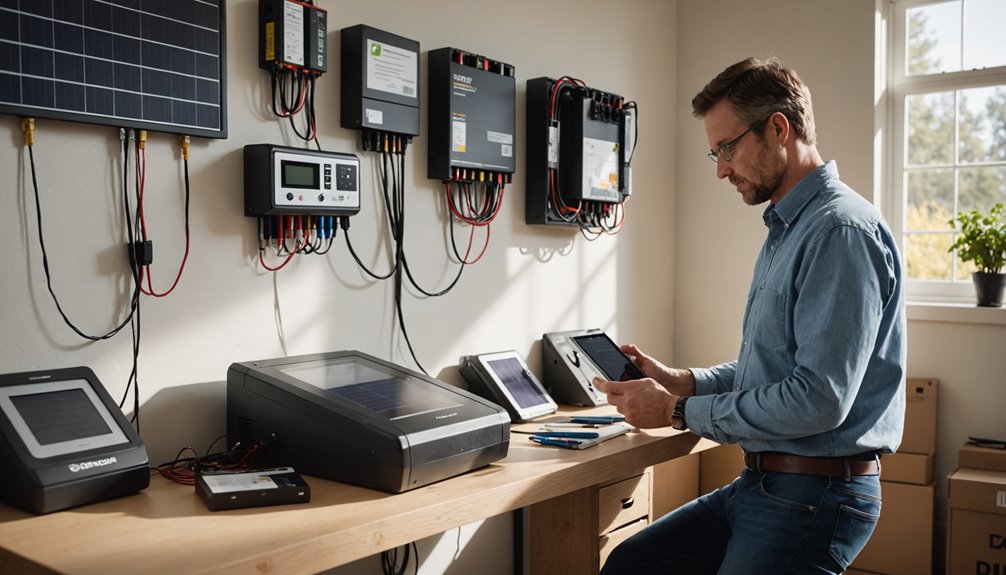
A reliable battery backup system requires three primary components: batteries, inverters, and chargers. Each component must be selected based on specific technical requirements and compatibility with the others.
Battery capacity should be determined by your actual energy consumption. A 10 kWh Lithium Iron Phosphate battery can sustain essential loads for approximately 72 hours, though this figure varies depending on the devices being powered and their consumption rates. Lithium Iron Phosphate chemistry is commonly used in these applications due to its stable discharge characteristics and cycle longevity.
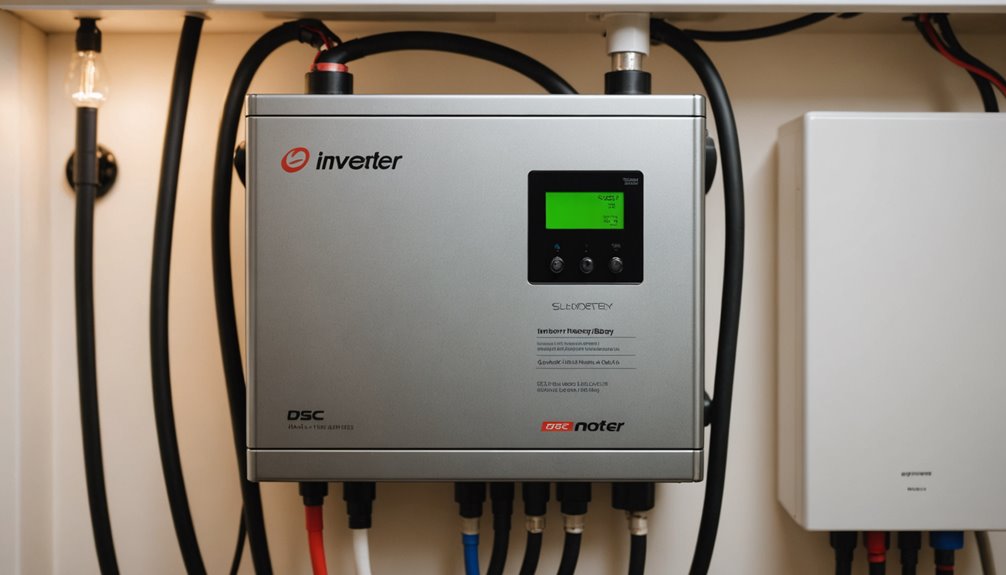
Inverter selection depends on both continuous load requirements and startup surge capacity. A pure sine wave inverter is the appropriate choice for most applications, as it produces output compatible with sensitive electronics and motor-driven appliances. The inverter’s rated wattage should account for peak startup draws, which can be two to three times the running wattage of certain devices.
Charger selection affects both system performance and battery lifespan. A smart charger with built-in thermal and overcharge protection regulates the charging process to prevent battery degradation. Charging rates should align with the battery manufacturer’s specifications.
Fuses and circuit breakers are necessary safety components that protect against overcurrent conditions. Component compatibility across voltage ratings, communication protocols, and load capacity is a critical factor in system reliability and should be verified before installation.
How to Calculate Your Power Needs Before You Buy
Calculating power needs before purchasing backup components requires a systematic approach. Begin by listing every appliance intended for use during an outage, noting the wattage of each. Multiply the total wattage by the expected hours of use to arrive at the total watt-hours required. As a reference point, a 2,000-watt load running for five hours produces a demand of 10,000 Wh of battery capacity.
Surge power is a practical consideration that warrants attention. Certain appliances, particularly those with motors, draw substantially more power at startup than during normal operation. Failing to account for this can result in an undersized system that trips or fails under load.
To account for inefficiencies and protect battery longevity, incorporate a safety margin of 20 to 30 percent above the calculated total. Batteries operated consistently near full capacity tend to degrade more rapidly, so the added buffer serves both a functional and a protective purpose.
Inverter sizing should reflect peak load demands rather than average usage. Selecting an inverter rated 10 to 20 percent above the anticipated peak load provides sufficient headroom to manage both surge and continuous power requirements without operating the unit at its maximum threshold.
Choose the Right Battery, Inverter, and Charger for Your Home
Selecting appropriate components requires careful evaluation of several technical factors. Lithium Iron Phosphate batteries are a practical choice due to their stable chemistry, approximately 10-year operational lifespan, and lower thermal runaway risk compared to other lithium-based chemistries. Battery capacity should align with calculated energy demands, with a 20–30% buffer to account for inefficiencies and unexpected load increases.
Inverter sizing must account for both continuous power draw and startup surge requirements of connected appliances. A minimum capacity of 10 kW is generally adequate for essential household loads, though individual needs may vary based on specific appliance configurations.
Charger selection should prioritize smart charging technology, which regulates voltage and current to prevent overcharging and excessive heat buildup, both of which degrade battery performance over time.
Component compatibility is a necessary consideration before finalizing any system. Key technical parameters to verify include maximum discharge rate, cycle life ratings, and compliance with relevant safety certifications. Mismatched components can reduce system efficiency and create operational or safety issues, so cross-referencing manufacturer specifications across all components is a standard step in the selection process.
Does Your Battery Charge From Solar, the Grid, or Both?
Home battery backup systems can receive power from solar panels, the grid, or a combination of both sources. Solar charging captures excess energy produced during daylight hours and stores it for later use, reducing dependence on the grid during evening hours. Grid charging draws power during off-peak periods when electricity rates are lower, which can offset costs during high-demand periods when rates increase. Many current battery storage systems are designed to support both charging methods simultaneously. Operating with dual charging sources allows homeowners to adjust energy consumption based on solar availability, grid pricing, and overall demand, which can contribute to more consistent cost management over time.
How to Connect Your Battery Backup System Without Mistakes
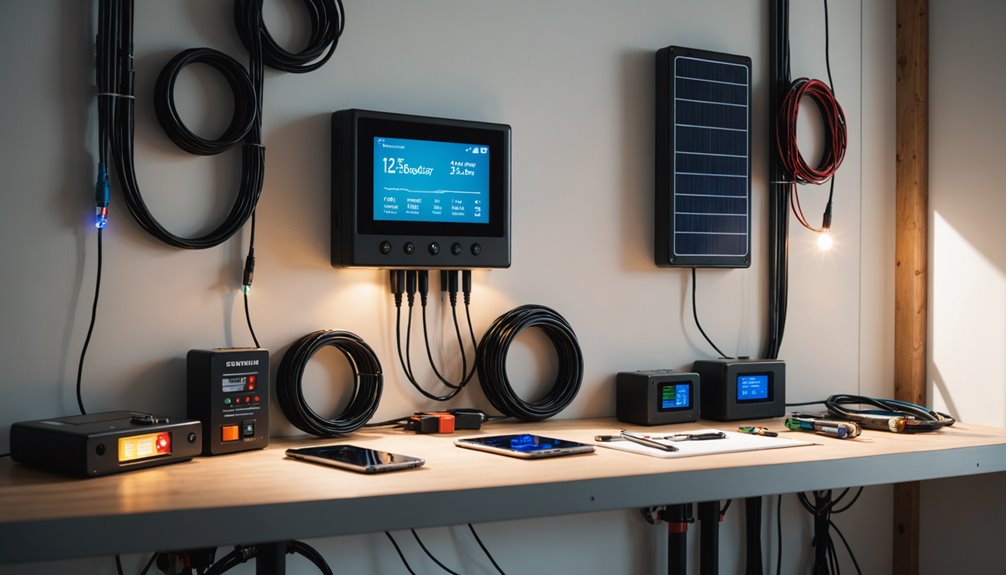
Connecting a battery backup system requires careful attention to wiring procedures, as errors can result in short circuits, overheating, or system failure. Proper polarity must be maintained between the battery and inverter, and cables should be rated appropriately for the load to reduce voltage drop. Circuit breakers installed between components serve as protection against overloads and are a standard requirement in most installations.
Adequate ventilation is a practical necessity rather than an optional consideration. Insufficient airflow degrades battery chemistry over time and introduces safety hazards, particularly in sealed or confined spaces. Before connecting devices to the system, testing under light loads allows for identification of wiring faults or performance issues without risking damage to connected equipment.
Given the technical and safety implications of battery backup wiring, review by a licensed electrician is a practical measure that reduces the likelihood of installation errors and ensures compliance with local electrical codes.
Battery Backup Mistakes That Cost Homeowners the Most
Installation errors in battery backup systems carry measurable financial and safety consequences. Incorrect system sizing results in insufficient power capacity during outages, leaving essential appliances non-operational when they are most needed. Omitting required safety components, including fuses and circuit breakers, removes critical protection against electrical faults. Undersized wiring creates resistance that generates excess heat, increasing the risk of fire and component failure.
Inadequate ventilation accelerates battery degradation, reducing operational lifespan and increasing replacement frequency. Using components that are not rated for compatibility with one another introduces performance inefficiencies and can cause damage across the broader system. These individual errors are not isolated in their impact; each can amplify the consequences of others, leading to cumulative repair and replacement costs that exceed the original investment.
Proper system installation requires accurate load calculations to determine appropriate battery capacity, selection of components with compatible voltage and current ratings, and adherence to manufacturer specifications for wiring gauge and safety hardware. Following established electrical codes and guidelines reduces the likelihood of system failure and associated costs.
Conclusion
Building a battery backup system requires careful attention to several technical factors. Accurate load calculations determine the appropriate system capacity, while component compatibility ensures safe and efficient operation. The installation process involves sequential steps, including load assessment, component selection, and proper electrical connections. Systems can be configured to operate with solar input, grid power, or a combination of both. A correctly sized and properly installed system provides power continuity during outages, can reduce electricity costs through load shifting or solar integration, and decreases dependence on grid power. Each phase of the installation process carries functional significance and should be completed methodically.