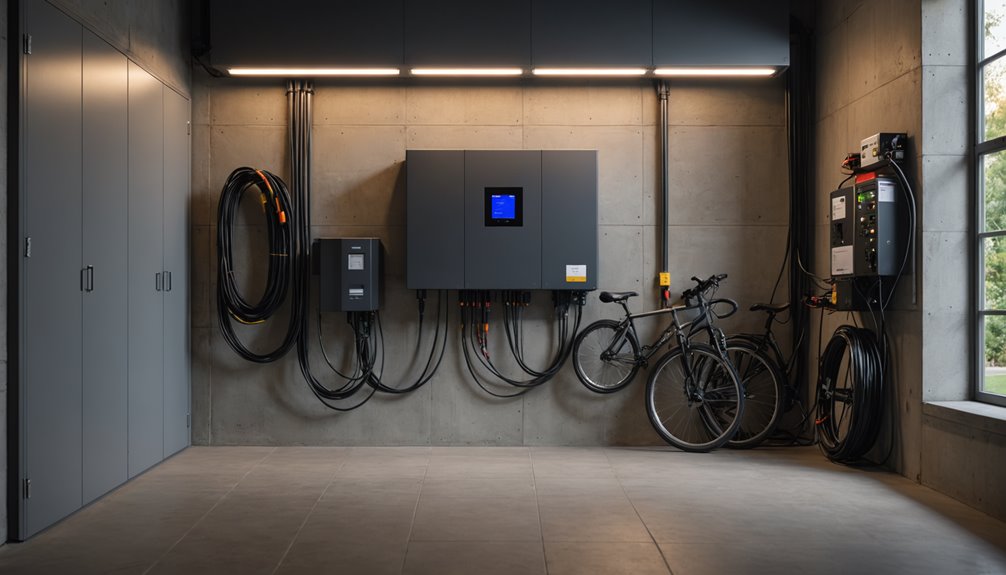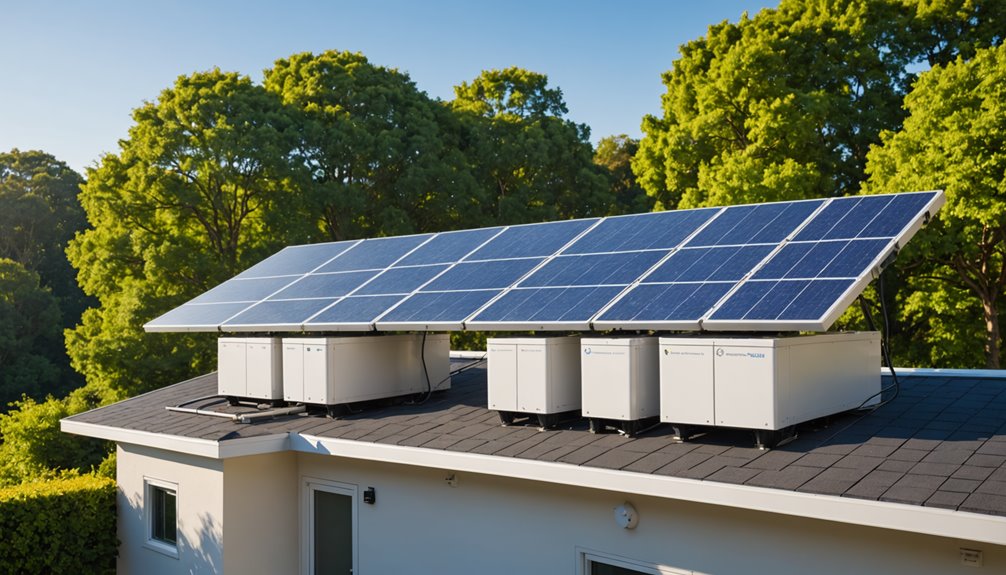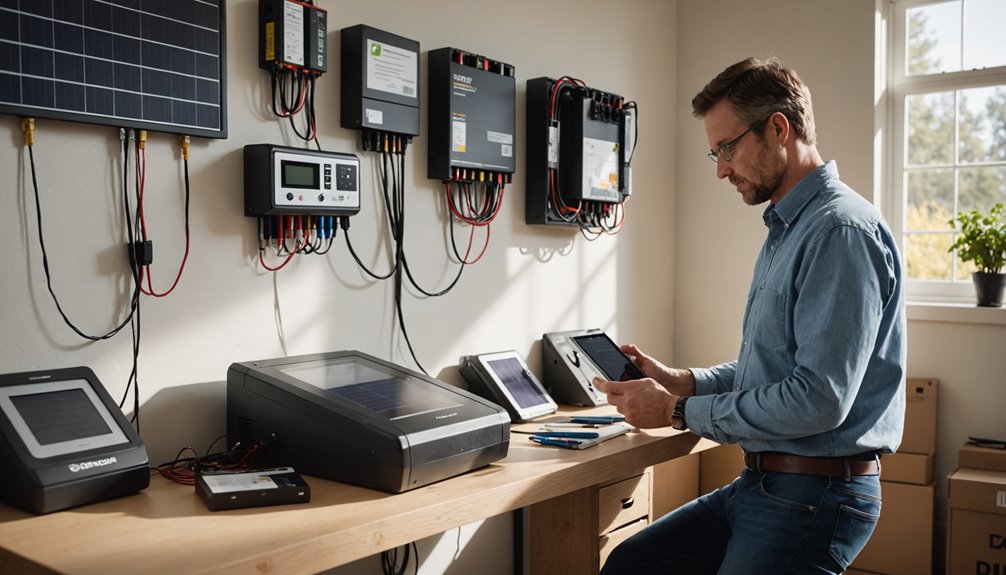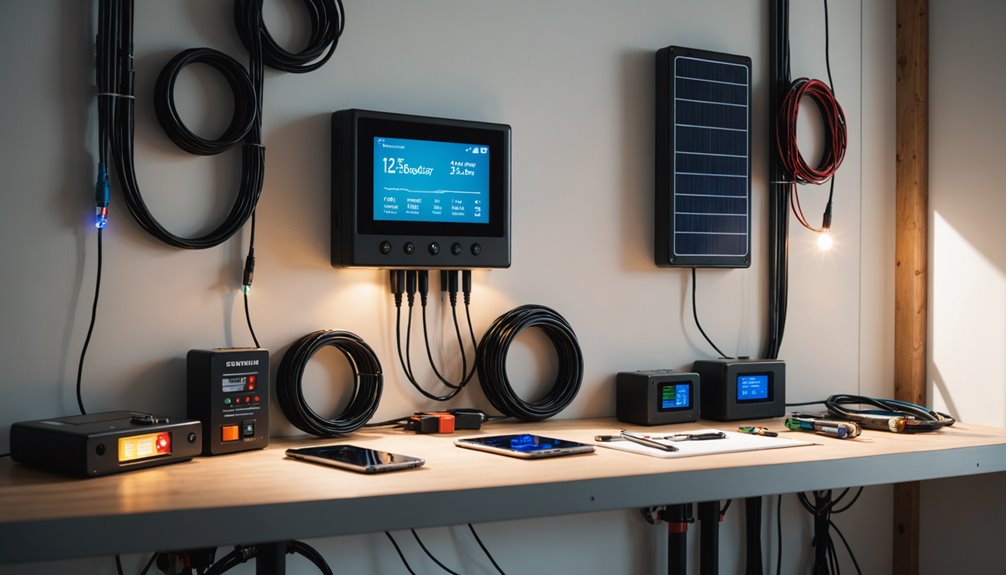
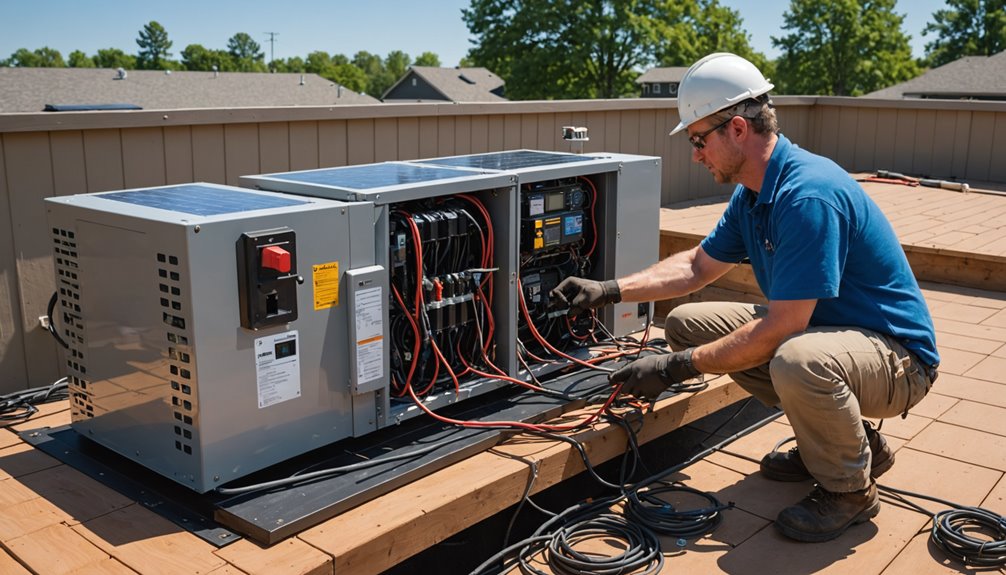
A standard grid-tied solar system is designed to operate in conjunction with the utility grid, feeding excess power back while drawing from the grid when solar production is insufficient. A built-in safety mechanism, known as anti-islanding protection, automatically shuts the system down during grid outages to prevent backfeed that could endanger utility workers. This means the system produces no usable power during an outage, regardless of available sunlight.
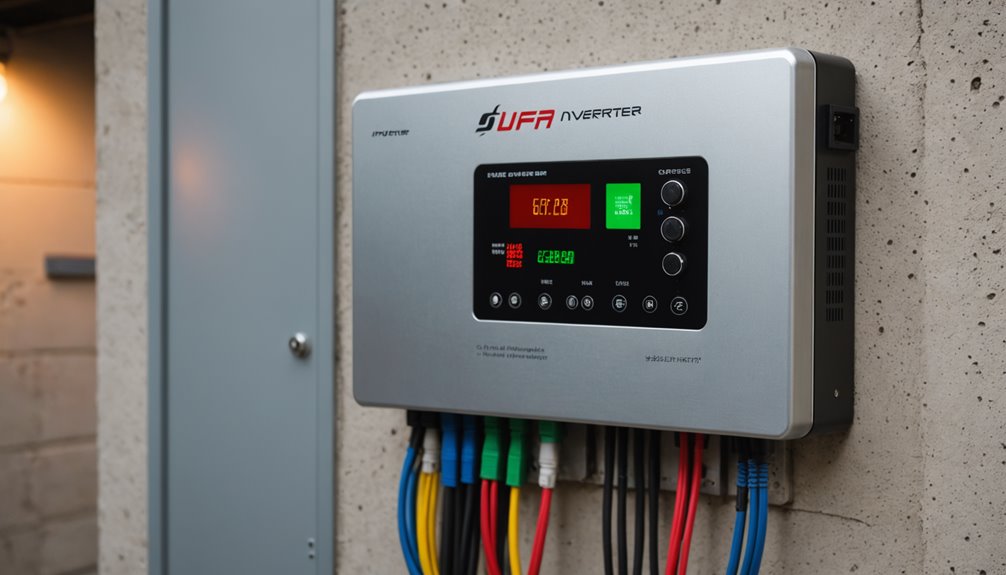
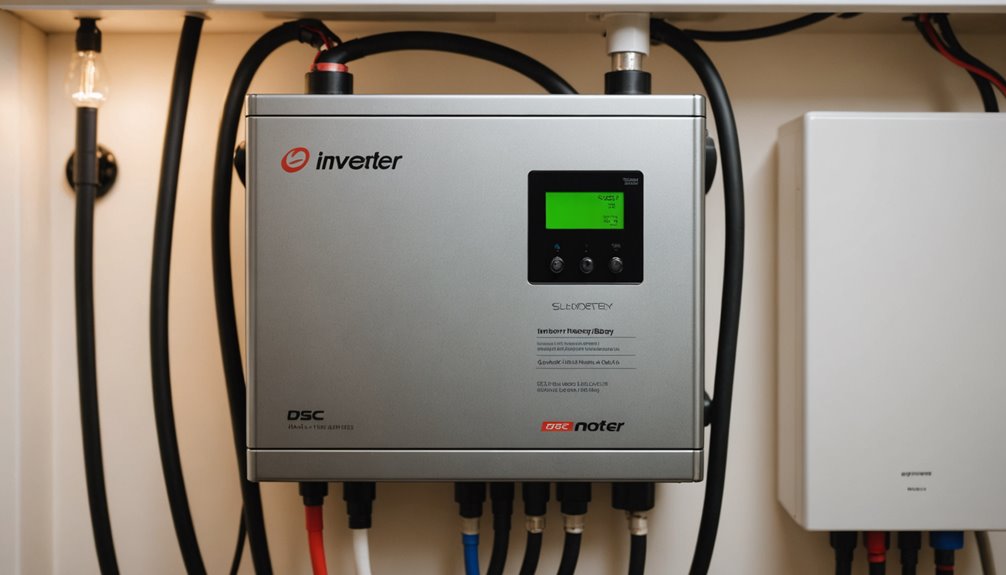
Converting to a hybrid setup requires specific hardware additions. A hybrid inverter or a separate battery inverter must replace or supplement the existing grid-tied inverter, as most standard grid-tied inverters cannot manage battery storage. The new inverter must be capable of managing power flow between the solar panels, battery bank, grid, and home loads simultaneously.
Battery selection involves evaluating capacity, chemistry, depth of discharge, and cycle life. Lithium iron phosphate batteries are commonly used in residential hybrid systems due to their stability, longer cycle life compared to lead-acid alternatives, and higher usable capacity.
The electrical configuration also requires a critical loads panel, which isolates essential circuits to be powered during outages. This separates high-demand appliances from circuits that will receive backup power, keeping the battery bank within its operational limits.
Permitting requirements vary by jurisdiction, and utility interconnection agreements may need to be updated.
Professional installation is typically necessary to meet electrical codes and ensure safe, compliant operation of the modified system.
Key Takeaways
Converting an on-grid solar system into a hybrid setup involves several technical and regulatory considerations.
A standard grid-tied inverter typically lacks the capability to manage battery storage, which makes replacing it with a hybrid inverter a necessary step in most conversion projects. Hybrid inverters are designed to handle both grid interaction and battery charging simultaneously.
Battery bank capacity should be calculated based on measured daily energy consumption and the intended duration of backup power. Undersizing the battery bank will result in insufficient backup coverage, while oversizing increases costs without proportional benefit.
Two primary integration methods exist for adding battery storage: AC coupling and DC coupling. AC coupling connects the battery system on the alternating current side of the existing setup, which can reduce installation complexity but may introduce efficiency losses. DC coupling connects batteries directly to the solar array on the direct current side, generally offering higher efficiency but requiring more significant system modifications.
LiFePO4 (lithium iron phosphate) batteries are commonly used in hybrid systems. Their characteristics include a longer cycle life compared to lead-acid alternatives, thermal stability, and compatibility with standard 48V inverter configurations.
Regulatory requirements for battery integration vary by jurisdiction, but permits are required in most regions. Engaging a licensed electrician helps ensure the installation meets local electrical codes, satisfies utility interconnection requirements, and reduces the risk of safety issues arising from improper wiring or component installation.
What Makes a Grid-Tied System Convertible to Hybrid
Converting a grid-tied solar system to a hybrid configuration requires meeting several technical prerequisites. The first consideration is inverter compatibility. Many standard grid-tied inverters lack the hardware and software architecture needed to manage battery storage alongside grid interaction. In these cases, replacement with a hybrid inverter becomes necessary. Hybrid inverters are designed to regulate power flow between solar panels, battery banks, the grid, and household loads simultaneously.
Battery bank sizing is another determining factor. An undersized battery bank will fail to meet demand during outages or periods of high consumption, while an oversized system results in unnecessary capital expenditure. Proper sizing is calculated based on daily energy consumption, the desired backup duration, and the output capacity of the solar array.
Maintaining net metering eligibility during and after conversion is also a practical concern. Many utility agreements permit hybrid systems to continue receiving net metering credits, provided the system meets specific interconnection requirements and the battery storage does not discharge power back to the grid in ways that conflict with the utility’s terms.
Existing wiring, breaker panels, and safety disconnect mechanisms may also require evaluation and possible upgrades to meet current electrical codes applicable to hybrid systems. Not all grid-tied installations are configured in ways that accommodate these additions without additional infrastructure changes. A home energy assessment can help identify these gaps before conversion work begins, ensuring the existing setup is properly evaluated against the demands of a hybrid configuration.
Why Homeowners Are Adding Batteries to Grid-Tied Solar
The decision to add battery storage to an existing grid-tied solar system reflects several practical considerations. Battery backup provides continued power access during grid outages, which can be particularly relevant in areas prone to weather-related disruptions or aging grid infrastructure. Storing excess solar generation for later use increases self-consumption rates, reducing the amount of electricity drawn from the grid during evening hours or periods of low solar output.
Grid electricity costs have risen steadily in many regions, making greater energy independence a financially rational consideration for some homeowners. Hybrid solar systems may also qualify for financial incentives, such as the federal Investment Tax Credit, which can reduce the net cost of adding battery storage. Battery technology costs have declined considerably over the past decade, improving the overall economics of upgrading an existing grid-tied system. However, the financial viability of such an upgrade depends on individual factors, including local electricity rates, utility net metering policies, available incentives, and household energy consumption patterns.
How Batteries Store and Discharge Solar Energy in Hybrid Systems
When solar panels produce more electricity than a home requires, the hybrid inverter redirects the surplus energy to a battery bank for storage. This charging process typically occurs in DC format through DC coupling, which reduces the number of energy conversions and maintains overall system efficiency. When stored energy is needed, the inverter converts it from DC to AC power for use by standard household appliances and systems.
In a hybrid solar configuration, this charge-discharge cycle allows a home to draw on solar-generated power during periods of low or no sunlight, reducing dependence on grid-supplied electricity. During a grid outage, the system switches to battery power to maintain operation of designated circuits or appliances, depending on the battery capacity and system design.
Lithium-ion batteries are commonly used in these applications due to their higher cycle counts, greater depth of discharge, and lower maintenance requirements relative to lead-acid batteries. Lead-acid batteries, while generally less expensive upfront, tend to have shorter operational lifespans and require more frequent monitoring. The choice between battery chemistries involves trade-offs in cost, performance, and longevity that depend on the specific energy demands and budget of the installation.
Permits, Equipment, and Specs You Need Before Converting
Before converting a standard solar setup to a hybrid system, several technical and regulatory requirements must be addressed.
Regulatory compliance is the first consideration. Local authorities typically require permits for battery integration and any modifications to grid connection infrastructure. Requirements vary by jurisdiction, so consulting with the relevant utility provider or permitting office is necessary before proceeding.
On the equipment side, the existing inverter must be evaluated for compatibility. Most standard grid-tied inverters are not designed to manage battery storage and will require replacement or upgrading to a hybrid inverter. A hybrid inverter must be selected based on the system’s power output demands and its ability to regulate the flow of energy between solar panels, batteries, and the grid.
A charge controller is also a required component. It regulates the voltage and current delivered to the battery bank, preventing overcharging, which reduces battery degradation over time. Some hybrid inverters include built-in charge control functionality, which should be confirmed during equipment selection.
Battery selection should be based on performance specifications and long-term reliability data. Lithium iron phosphate (LiFePO4) batteries offer a stable chemistry with a lower risk of thermal runaway compared to standard lithium-ion alternatives. Both options outperform lead-acid batteries in cycle life and energy density, making them the more practical choice for residential hybrid systems.
Verifying that all components meet manufacturer compatibility requirements and local electrical codes is essential before installation begins.
AC Coupling vs DC Coupling: Which Approach Fits Your Setup?
Selecting between AC coupling and DC coupling depends on existing infrastructure and system requirements. AC coupling integrates an off-grid inverter with a grid-tied system, enabling battery storage during grid outages. However, it requires adherence to specific sizing guidelines to prevent backfeeding issues. DC coupling connects solar panels directly to batteries via a charge controller, offering greater compatibility across different battery capacities and configurations.
From a cost standpoint, AC coupling typically carries lower initial expenses, particularly when retrofitting an existing grid-tied system. DC coupling, by contrast, provides a more straightforward integration path for hybrid solar systems, reducing the number of conversion stages and associated efficiency losses. Each approach carries distinct technical trade-offs, and the appropriate choice is determined by factors such as existing equipment compatibility, budget constraints, and the desired level of system complexity.
The Solar Buffer Battery: The Cheapest Hybridization Method
The solar buffer battery is a hybridization method positioned between solar panels and grid-tied inverters. It stores excess energy in DC form, eliminating the need for AC/DC conversion steps required in other coupling approaches. This design typically results in lower upfront costs and fewer modifications to existing inverter infrastructure, making it a practical consideration for those retrofitting an existing solar installation.
During grid outages, the stored DC energy can supply power to designated essential loads, providing a degree of operational continuity. However, the compatibility of this configuration is not universal. Not all grid-tied inverters support buffer battery integration, so a thorough assessment of existing equipment is necessary before implementation.
Compared to AC and DC coupling methods, the solar buffer battery represents a more straightforward technical approach, though it may involve trade-offs in flexibility or capacity depending on the specific system requirements. Its cost advantages are contingent on the existing setup and the scale of energy storage needed.
How to Convert Your Grid-Tied System to Hybrid, Step by Step
Converting a grid-tied solar system to a hybrid configuration requires a structured approach and careful evaluation of existing components.
The first step involves assessing whether the current inverter supports battery integration. Many standard grid-tied inverters do not natively support battery storage and may require replacement or supplemental hardware.
Battery selection is a critical consideration. Lithium-ion batteries are generally preferred for hybrid systems due to their higher cycle durability, energy density, and relatively stable discharge characteristics compared to lead-acid alternatives.
AC coupling is a common method used to integrate a battery-based inverter or inverter-charger with an existing grid-tied inverter. This approach allows the two inverters to operate together, enabling energy storage and backup power during grid outages without fully replacing the original system.
A charge controller should be installed to regulate the flow of energy from the solar array to the battery bank. This component prevents overcharging, which can reduce battery lifespan and create safety risks.
Additional considerations include load management, proper system sizing based on energy consumption data, and compliance with local electrical codes and utility interconnection requirements. Bypassing critical safety standards during this process can result in equipment damage, grid instability, or code violations.
Given the technical and regulatory complexity involved, engagement with a licensed electrical contractor or certified solar installer is advisable to ensure the system is configured correctly and operates within established safety parameters.
How to Choose the Right Battery for Your Hybrid Setup
Battery selection is a critical technical decision in any hybrid solar setup. LiFePO4 (lithium iron phosphate) batteries are generally preferred over lead-acid alternatives due to their higher cycle life, greater depth of discharge, and more stable thermal performance. Lead-acid batteries, while less expensive upfront, typically require more maintenance and degrade faster under regular cycling conditions.
Voltage compatibility is a fundamental requirement. Most hybrid inverters operate at 48V, so the battery bank must align with this specification to ensure proper system integration. Mismatched voltage configurations can result in inefficient operation or hardware incompatibility.
Determining appropriate storage capacity requires calculating your average daily energy consumption and the number of backup hours required during grid outages or low solar production periods. Oversizing or undersizing the battery bank relative to actual load demand affects both cost-efficiency and system reliability.
Cycle rating is another measurable factor to consider. Batteries rated for higher charge and discharge cycles tend to offer more consistent performance over time, reducing replacement frequency and long-term costs.
Regarding installation conditions, battery performance and lifespan are directly affected by ambient temperature. Elevated temperatures accelerate chemical degradation within battery cells, reducing capacity and overall service life. Installing batteries in a well-ventilated, temperature-controlled environment is therefore a practical measure for maintaining long-term reliability. Manufacturers typically specify an optimal operating temperature range, which should be referenced during installation planning.
Scaling Your Hybrid System as Your Energy Needs Grow
Hybrid energy systems can be designed to accommodate increasing household energy demands through incremental expansion. Selecting a hybrid inverter with sufficient capacity from the outset reduces the need for full system replacement as requirements change. Solar generation can be scaled by adding panel strings, typically in increments of approximately 3 kW, provided new components remain compatible with existing inverter and wiring specifications.
Battery storage expansion is most practical with lithium-based technologies, particularly lithium iron phosphate (LiFePO4), which offers a longer cycle life and stable performance compared to other chemistries. This makes it a suitable option for gradual capacity additions over time.
Tracking energy consumption data through system monitoring tools helps identify when additional capacity becomes necessary, allowing upgrades to be based on actual usage trends rather than estimates. Before making any changes, consulting a qualified electrical engineer or accredited installer is advisable to ensure that expanded components meet safety standards, comply with local regulations, and integrate efficiently with the existing system. Poorly planned expansions can result in inefficiencies, component incompatibilities, or safety risks that offset the financial and operational benefits of scaling.
Conclusion
Converting an on-grid solar system into a hybrid setup involves adding battery storage and, in some cases, upgrading inverter infrastructure to enable energy storage and backup capability. This transition can reduce dependence on grid-supplied electricity during peak pricing periods and provide continuity of power during outages. The scope of the conversion depends on factors such as existing system size, inverter compatibility, local grid regulations, and budget. Options range from adding a simple AC-coupled battery buffer to a full DC-coupled hybrid inverter replacement. Each approach carries different cost implications, installation requirements, and efficiency outcomes. Evaluating your current system specifications and energy consumption patterns is a practical starting point for determining which configuration aligns with your technical and financial parameters.