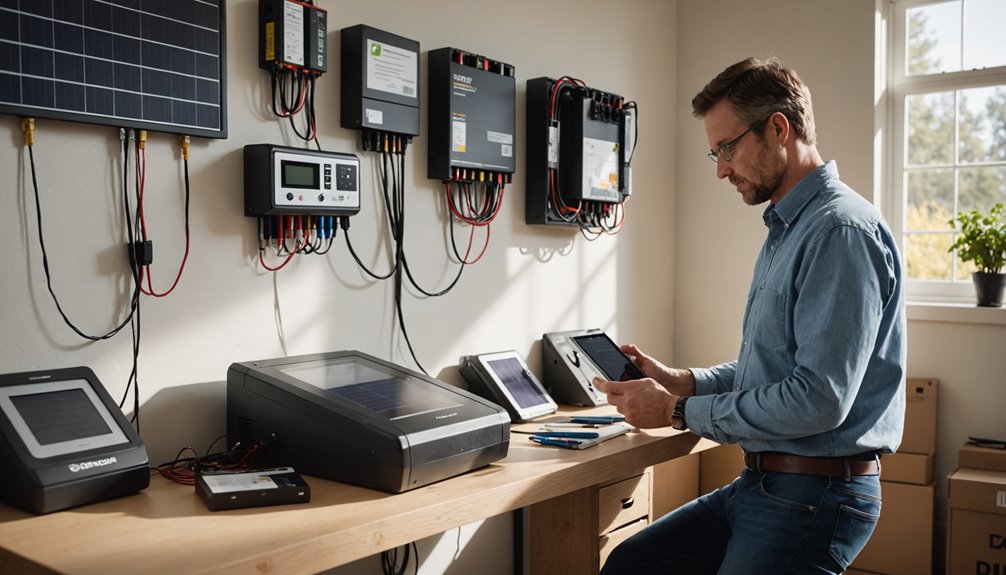
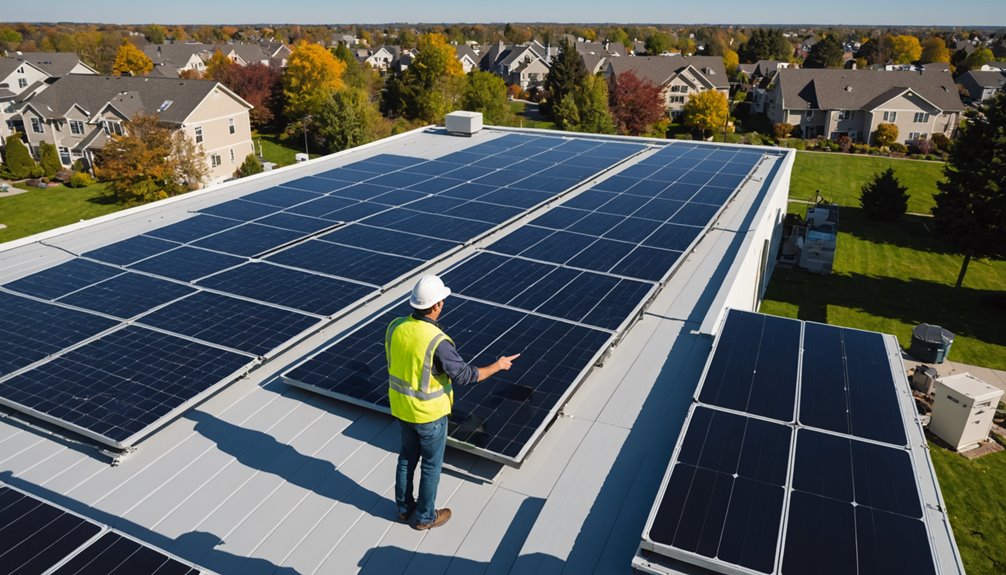
Installing a rooftop solar system requires careful evaluation of several key factors to determine whether it is a practical and cost-effective option for your home.
Before committing to a system, assess your roof’s condition, orientation, and sun exposure. A south-facing roof with minimal shading typically yields the highest energy output. The structural integrity of the roof should also be confirmed, as solar panels have a lifespan of 25 to 30 years and require a stable surface.
Your household’s average energy consumption, measured in kilowatt-hours, will determine the appropriate system size. Reviewing 12 months of electricity bills provides a reliable baseline for this calculation.
Installer selection matters considerably. Verifiable credentials, such as NABCEP certification, along with documented reviews and transparent warranty terms, are practical indicators of a reputable provider. Obtaining multiple quotes allows for meaningful price and service comparisons.
Financing options include direct purchase, solar loans, leases, and power purchase agreements. Outright ownership generally yields the greatest long-term financial return, while leases and PPAs reduce upfront costs but limit ownership benefits and potential property value gains.
Available incentives, including the federal Investment Tax Credit and applicable state or utility rebates, can meaningfully reduce the net cost of installation. These programs vary by location and are subject to change, so confirming current eligibility before signing any agreement is advisable.
Key Takeaways
- Evaluate your roof’s age, condition, orientation, and shading patterns before installation. South-facing roofs with a slope between 15 and 40 degrees generally produce the highest solar output.
- Analyze 12 months of utility bills to establish an accurate baseline for energy consumption. The average U.S. household consumes approximately 875 kWh per month, though individual usage varies.
- Monocrystalline panels convert 20-23% of sunlight into electricity, making them the most efficient commercially available option. Polycrystalline and thin-film panels carry lower upfront costs but operate at reduced efficiency levels.
- Select installers who hold NABCEP certification, as this credential indicates verified technical competency. Obtain at least three quotes and compare financing structures, including direct loans, leases, and government-backed programs.
- The federal solar Investment Tax Credit (ITC) currently allows eligible homeowners to deduct a percentage of installation costs from federal taxes. Additional state and local incentives can be identified through the Database of State Incentives for Renewables and Efficiency (DSIRE).
Is Your Roof Ready for a Rooftop Solar System?
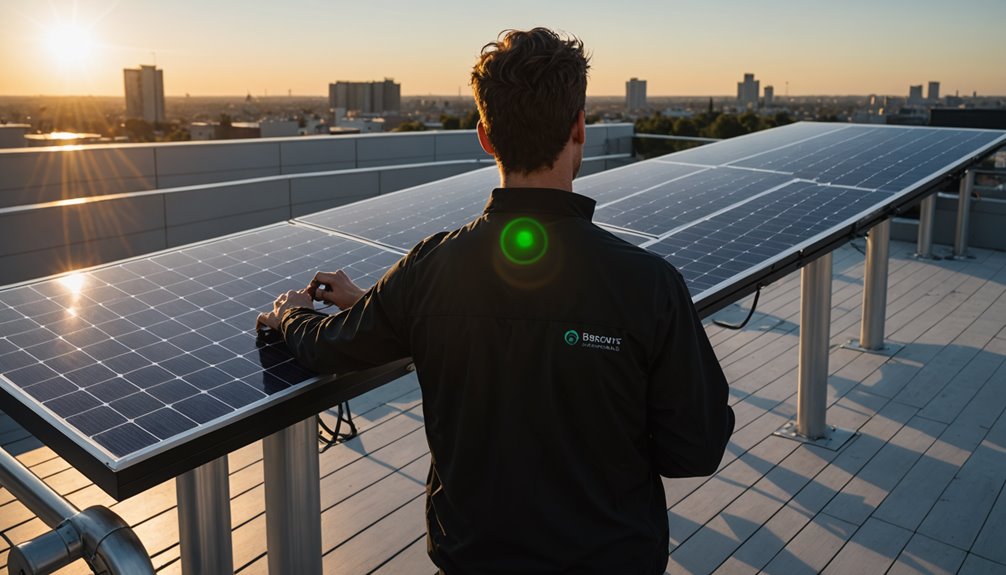
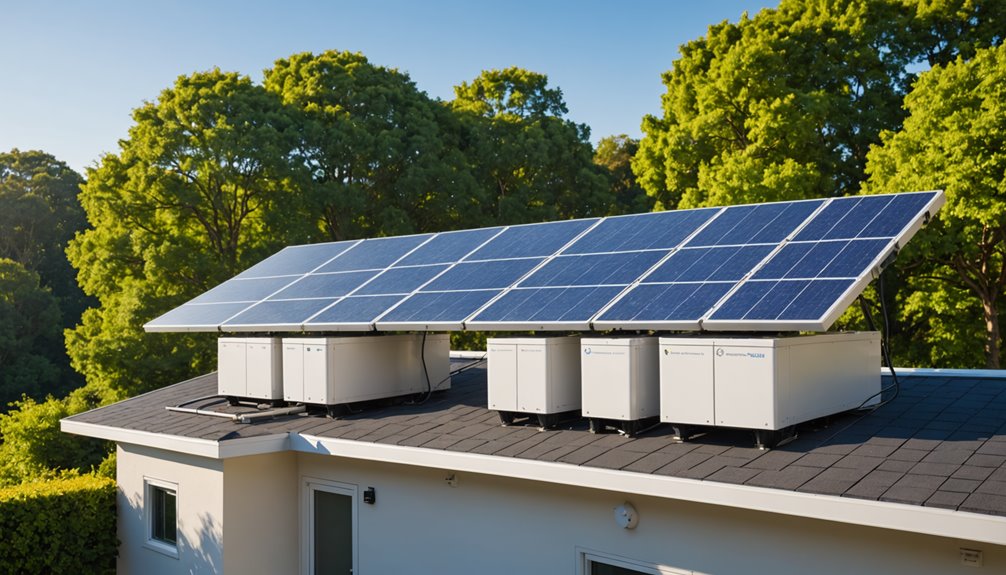
Before installing a rooftop solar system, several factors warrant careful assessment. The age and remaining lifespan of the roof are primary considerations, as installing panels on a roof nearing the end of its service life may require costly removal and reinstallation when repairs or replacement become necessary. Nearby trees or structures that cast shadows on the roof can reduce energy output and should be evaluated during the planning stage.
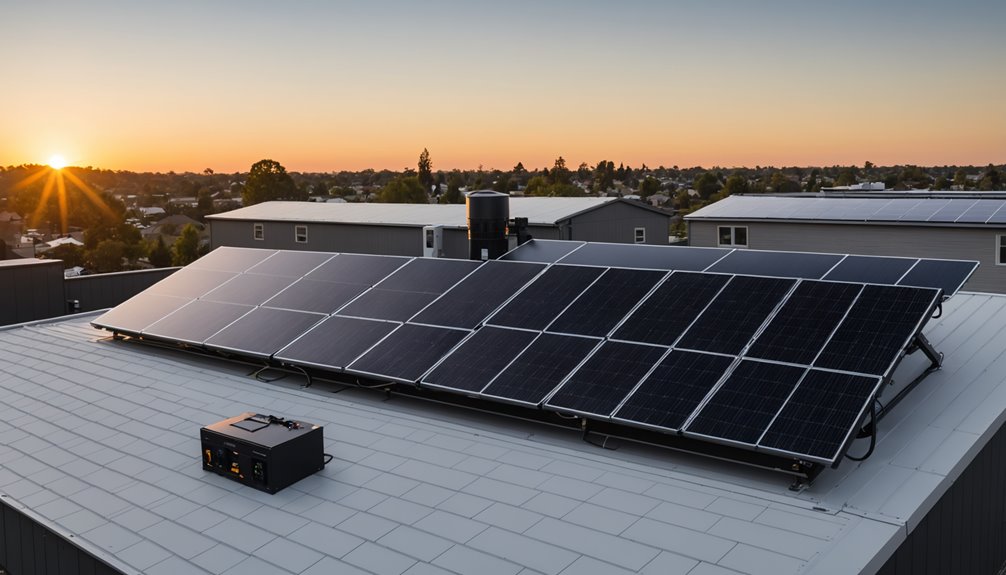
Roof characteristics such as available surface area, shape, and orientation directly affect system performance. South-facing roof sections with a slope between 15 and 40 degrees tend to capture the most solar energy in the Northern Hemisphere. For properties where visual impact is a concern, building-integrated photovoltaics offer an alternative to traditional panel installations by incorporating solar technology directly into roofing materials.
Homeowners subject to HOA regulations should be aware that many jurisdictions have enacted solar access laws that limit the extent to which associations can restrict solar installations. Reviewing local statutes before beginning the process can clarify what restrictions, if any, are legally enforceable. Conducting a thorough evaluation of these factors prior to installation supports more accurate cost projections and reduces the likelihood of complications during or after the project. A professional home evaluation can also assess roof suitability and energy usage to determine whether the property qualifies for a 30% federal tax credit on total system costs.
How Much Power Does Your Home Actually Need?
Determining how much power your home requires is a necessary step before sizing a solar system. Examining past utility bills provides an accurate baseline for household energy consumption. The average American household uses approximately 875 kWh per month, which corresponds to a daily energy demand of roughly 29 kWh. Dividing this figure by the average number of peak sunlight hours per day, typically around five hours, yields the required system capacity. Based on these calculations, a household with average consumption would need approximately 19 to 20 solar panels rated at 300 watts each to meet its energy needs. It is also practical to account for anticipated increases in electricity consumption, such as the addition of an electric vehicle, when determining system size, as this reduces the likelihood of needing costly upgrades later.
Monocrystalline, Polycrystalline, or Thin-Film: Which Panel Fits Your Roof?
Selecting the appropriate solar panel type depends on several technical and practical factors specific to your installation site. Monocrystalline panels operate at 20–23% efficiency, making them a suitable option when roof space is limited. Polycrystalline panels deliver 15–20% efficiency and generally carry lower upfront costs, representing a reasonable trade-off between performance and budget. Thin-film panels, with efficiency ratings of 10–12%, require considerably more roof surface area to produce equivalent output, which restricts their use to installations where space is not a constraint and surface conditions are irregular or unconventional.
Panel format is another variable to consider. 72-cell panels produce higher power output per unit but occupy more surface area than standard 60-cell configurations. The choice between the two should be based on available roof space and target energy output rather than preference alone.
Visual appearance may also factor into the decision. Monocrystalline panels have a uniform dark appearance that tends to integrate more discreetly with standard roofing materials. Polycrystalline panels have a distinct blue, fragmented crystal appearance that is more visually prominent. For installations subject to aesthetic or architectural considerations, this difference is worth noting during the selection process.
Efficiency Ratings, Temperature Coefficients, and Degradation Rates Explained
Three performance metrics determine how a solar panel functions over its operational lifespan: efficiency ratings, temperature coefficients, and degradation rates. Solar panel efficiency typically ranges from 17% to over 23%, with higher efficiency levels allowing for greater energy output within a given installation area. Temperature coefficients measure the rate at which power output declines as panel temperature increases — standard figures for quality panels fall between -0.3% and -0.4% per degree Celsius above the reference temperature of 25°C. Degradation rates, averaging between 0.5% and 1% annually, reflect the gradual reduction in panel output over time and are a reliable indicator of long-term performance. Performance warranties generally span 25 to 30 years, providing documented output guarantees that serve as a measurable basis for evaluating the financial and operational viability of a solar installation over its service life.
What Warranties and Certifications Actually Protect You
Warranties and certifications function as contractual and regulatory mechanisms that define the scope of protection for rooftop solar system owners. Performance warranties typically span 25 to 30 years, establishing minimum output thresholds that manufacturers are obligated to maintain. Product warranties address manufacturing defects and generally range from 10 to 25 years in duration. Certifications issued by the International Electrotechnical Commission and Underwriters Laboratories indicate that panels have passed standardized safety and performance testing. NABCEP certification applies to installers and signals adherence to established industry standards. A manufacturer’s financial condition is a relevant factor to assess before entering a contract, as the practical value of any warranty depends on the issuing company remaining solvent and operational throughout the coverage period.
How to Vet a Solar Installer Before You Sign Anything
Selecting a qualified solar installer requires due diligence before committing to any contract. NABCEP certification is a reliable baseline indicator of professional competency, as it reflects standardized training and adherence to industry practices. Customer reviews, particularly patterns of complaints rather than isolated incidents, can reveal consistent issues with installation quality or post-installation support.
Obtaining multiple detailed quotes allows for an objective comparison of pricing structures, warranty terms, and included services. Significant price variation between quotes often warrants closer examination of what each proposal includes or excludes. Relevant questions to address with any prospective installer include their experience with your specific system configuration, available financing arrangements, applicable local incentives, and federal or state tax credits.
Installer transparency and willingness to provide straightforward answers are practical indicators of reliability. Pressure tactics or evasiveness around contract terms are observable warning signs. A warranty has limited practical value if the issuing company lacks the operational stability to honor it, making the installer’s business history and financial standing relevant factors in the evaluation process.
Buy, Lease, or Loan: Which Option Actually Saves More?
The method of financing a solar system significantly influences the overall cost and available financial benefits. Purchasing outright qualifies the homeowner for the federal Investment Tax Credit and full access to net metering programs, which together produce the greatest long-term financial return. Financing through a loan preserves eligibility for those same tax benefits while reducing the initial capital required. A lease arrangement eliminates upfront costs but transfers ownership to the provider, meaning the homeowner does not qualify for federal tax credits. Government-backed programs through FHA and Fannie Mae offer additional pathways by allowing solar installation costs to be incorporated into a mortgage. The most suitable option depends on individual factors including electricity consumption patterns, the appropriate system size for the property, and the prevailing local utility rates.
Federal and State Incentives You Can’t Afford to Skip
Federal and State Incentives Worth Considering
The federal solar Investment Tax Credit currently provides a 26% tax credit for qualifying solar installations, which can represent a meaningful reduction in overall system costs. State and local incentives vary considerably by location, and the DSIRE database allows homeowners to search available programs by zip code. Several states have enacted renewable energy property tax exemptions, which prevent an increase in property tax assessments following solar installation. Net metering policies, where available, allow solar system owners to receive bill credits for surplus electricity sent back to the utility grid, reducing ongoing electricity costs. Researching and applying for applicable incentives at the federal, state, and local levels is a practical step in accurately calculating the net cost of a solar installation.
Solar Batteries: What Storage Costs and When It’s Worth It
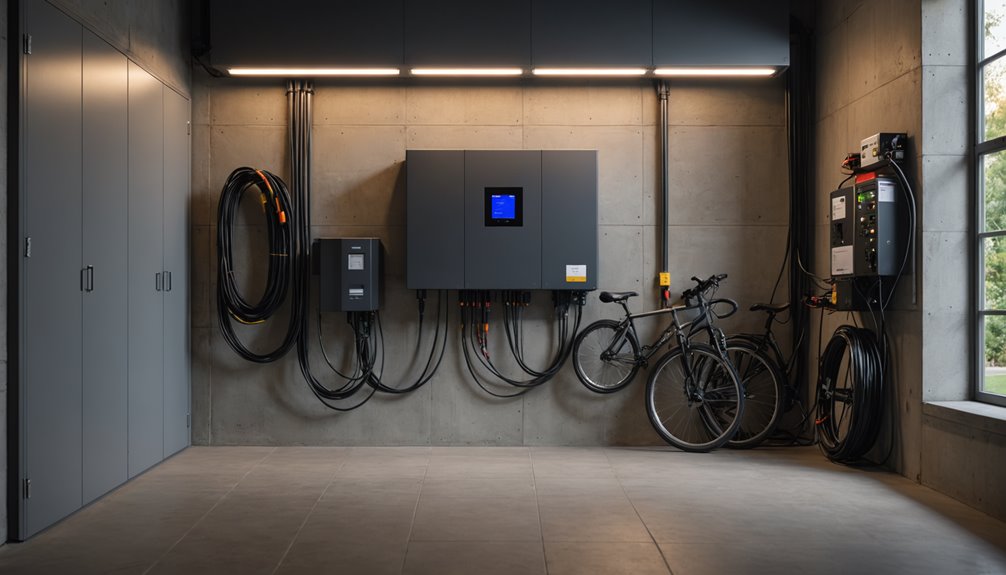
Solar batteries typically cost between $5,000 and $15,000, representing a substantial addition to the overall expense of a solar installation. These systems store surplus energy generated during daylight hours, which can then be drawn upon during grid outages or periods of peak electricity demand when utility rates are higher.
The payback period for battery storage generally falls between 5 and 10 years, though this timeline varies based on local electricity rates, the frequency of grid outages, and net metering policies in a given area. In regions where utilities charge time-of-use rates or where net metering compensation is limited, storage systems tend to deliver stronger financial returns.
Federal investment tax credits can apply to battery installations under certain conditions, reducing the net cost and shortening the payback period. Most battery systems carry warranties ranging from 5 to 15 years, which provides a reasonable basis for evaluating long-term reliability and performance expectations.
Battery storage is most financially justifiable in specific circumstances: areas with frequent or prolonged power outages, markets with high or variable electricity rates, and locations where utilities have reduced or eliminated net metering credits. In areas with stable grid service, low electricity costs, and favorable net metering policies, the financial case for adding storage is comparatively weaker. Homeowners should evaluate their local utility structure and outage history before determining whether battery storage aligns with their energy and financial priorities.
Conclusion
Making an informed solar decision requires evaluating several key factors. Start by assessing your roof’s condition, orientation, and available surface area, as these directly affect system performance. Calculate your household’s energy consumption to determine the appropriate system size. When selecting panels, compare efficiency ratings, warranties, and costs relative to your budget.
Research available financial incentives, including federal tax credits, state rebates, and utility programs, as these can meaningfully reduce overall costs. When selecting an installer, verify credentials, review past work, and obtain multiple quotes. Evaluate financing options — including loans, leases, and power purchase agreements — based on their long-term financial implications for your specific situation. Finally, assess whether battery storage is practical given your local grid reliability, utility rate structure, and energy independence goals.
A rooftop solar installation represents a long-term financial and property-related decision that warrants careful, methodical consideration of each of these factors.