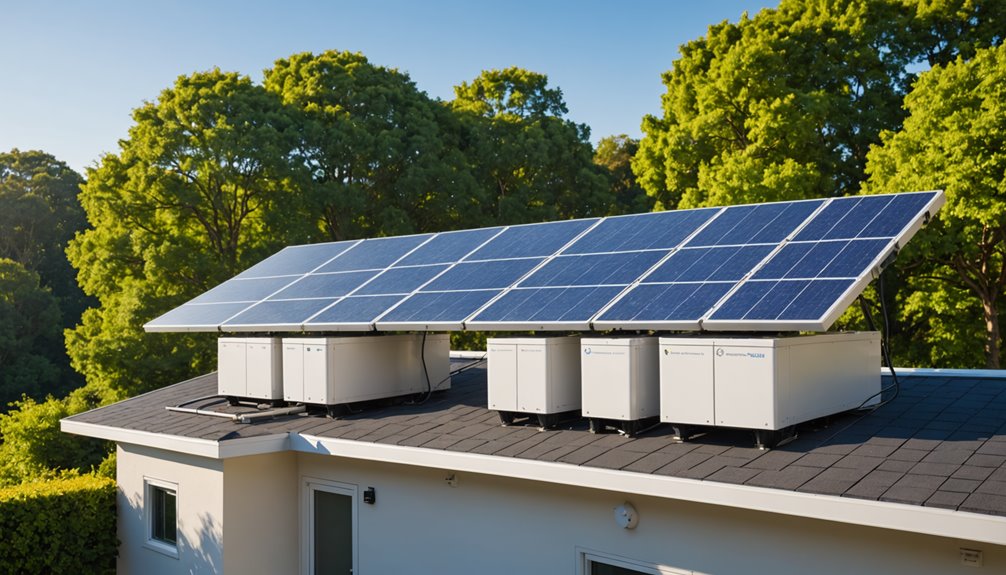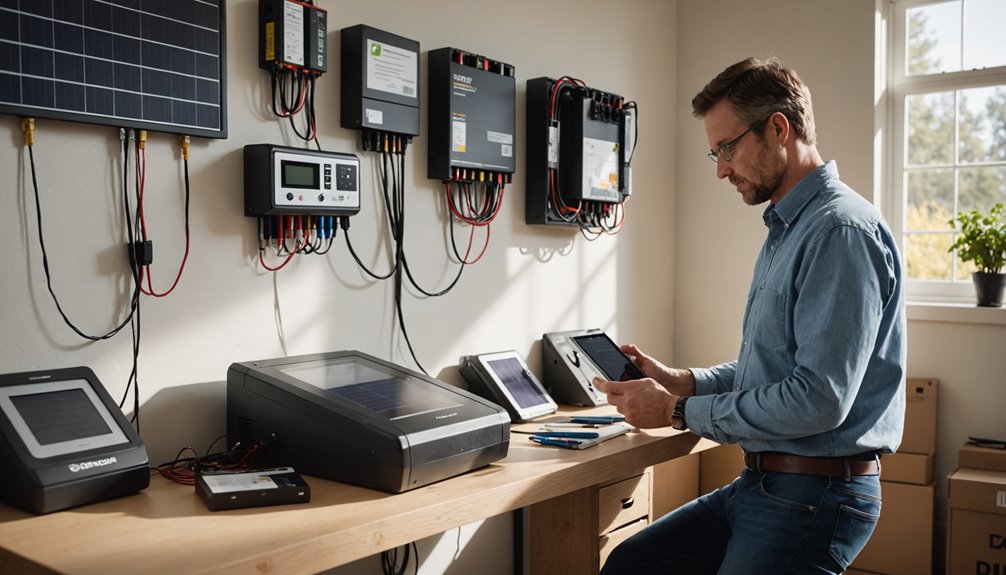
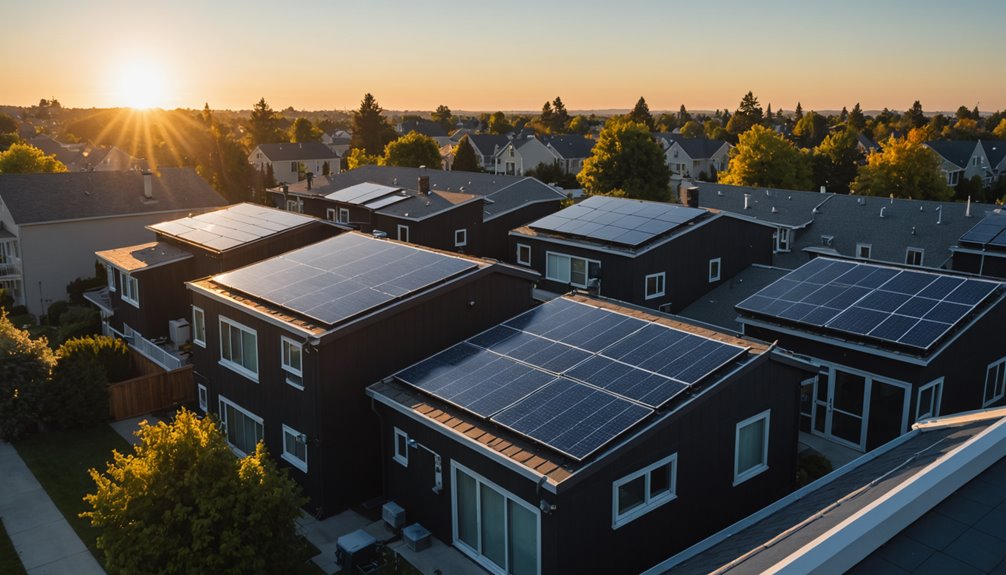
Solar panels alone do not provide power during a grid outage in most standard installations. Grid-tied solar systems are designed to shut down automatically when the grid fails, a safety mechanism required by electrical codes to protect utility workers from back-fed electricity while performing repairs on power lines.
This automatic shutdown occurs because conventional grid-tied inverters rely on the grid’s voltage and frequency as a reference signal to operate. Without that signal, the inverter ceases to function, rendering the solar panels unable to deliver power to the home regardless of sunlight availability.
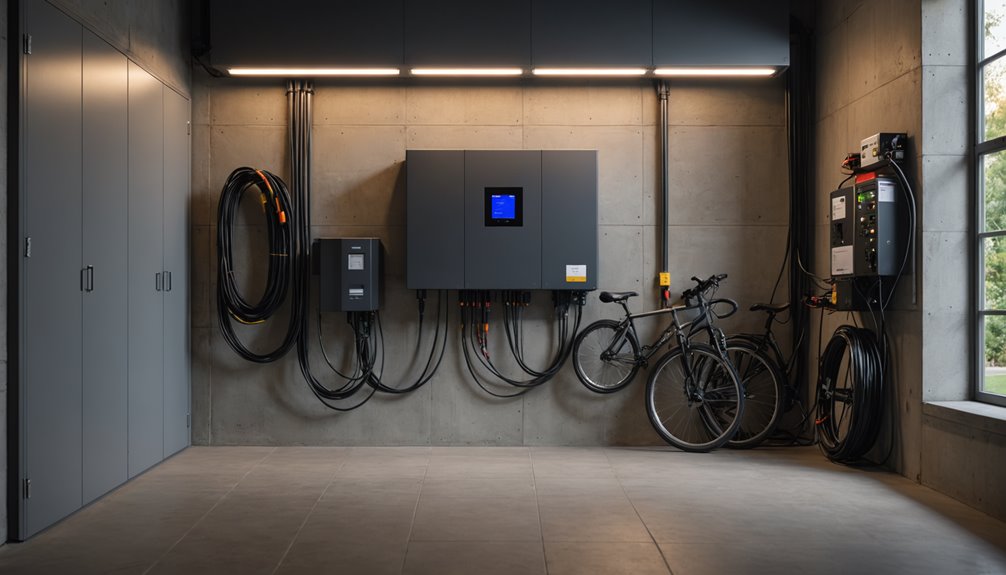
There are two primary configurations that allow solar panels to supply power during an outage. The first involves a battery storage system paired with a hybrid inverter, which can isolate the home from the grid and use stored energy or direct solar input to maintain power.
The second is an off-grid system, which operates independently of the utility grid entirely.
Some modern inverters include a limited “sunlight backup” feature that provides a small amount of power during daylight hours without battery storage, though this capability is restricted to specific circuits and lower power output levels.
The cost of adding battery storage to an existing solar installation is significant, typically ranging from several thousand to over ten thousand dollars depending on capacity and equipment.
Homeowners evaluating backup power options should assess their energy needs, local utility policies, and available incentives before selecting a configuration.
Key Takeaways
Standard grid-tied solar systems shut down automatically during power outages due to anti-islanding protection protocols, a safety requirement that prevents electricity from feeding back into utility lines where it could endanger repair workers. This means that even in direct sunlight, most residential solar installations will not supply power during a grid failure.
The technical limitation stems from how inverters function. Solar panels produce DC electricity, and inverters require a stable grid reference signal to convert it into usable AC power. Without that signal, the inverter cannot operate, rendering the solar array effectively inactive during an outage.
Homeowners can address this limitation by adding battery storage to their solar systems. Battery backup configurations allow a home to operate in island mode, disconnected from the grid while drawing power from stored energy. Most residential battery systems provide sufficient capacity to sustain a household for one to two days, depending on energy consumption patterns.
The financial consideration is substantial. Solar battery backup systems typically range from $6,000 to $25,000, depending on capacity and installation complexity. By comparison, gas-powered generators represent a lower upfront cost, averaging around $1,400, though they carry ongoing fuel expenses and require manual operation.
Off-grid solar systems offer a third option, functioning entirely independent of the utility grid. These systems require larger solar arrays and battery banks to ensure reliable power across varying weather conditions and seasonal changes in sunlight availability, making them more complex and costly to design and maintain.
Why Solar Panels Shut Down the Moment a Blackout Starts
Grid-tied solar systems are designed to shut down automatically when the utility grid loses power, even when panels are actively generating electricity. This occurs because the system’s inverter continuously monitors grid voltage and frequency. Upon detecting an outage, it disconnects within milliseconds.
The primary reason for this design is anti-islanding protection. When utility workers respond to an outage, they must be able to work on power lines without the risk of encountering live voltage introduced by distributed generation sources. If solar systems continued operating during a blackout, they could feed electricity back into the grid, creating dangerous conditions for maintenance personnel.
Regulatory frameworks reinforce this requirement. The National Electrical Code‘s rapid shutdown provisions mandate that solar systems reduce electrical output in defined timeframes under specific conditions. Utility interconnection agreements similarly require anti-islanding compliance as a condition of grid connection.
From a functional standpoint, the inverter’s role is to synchronize solar output with the grid’s AC waveform. Without a reference signal from the grid, standard grid-tied inverters cannot produce usable AC power. This is a technical limitation in addition to a regulatory one.
Homeowners who require power during outages have two primary options. Battery storage systems paired with hybrid inverters can provide backup power while maintaining grid isolation. Alternatively, systems with islanding capability can partition a portion of the home’s circuits to operate independently during outages. Standard grid-tied installations without these additions provide no accessible power when the grid fails, regardless of solar irradiance levels. For solar households that add battery storage, self-consumption rates can increase from approximately 30% to over 80%, making the addition both a resilience upgrade and an energy efficiency improvement.
The Grid-Safety Rule That Disconnects Your Solar System First
Grid-tied solar installations operate under a safety requirement that causes automatic disconnection when grid instability is detected. This mechanism, governed by the National Electrical Code, exists to prevent backfeeding electricity onto lines where utility workers may be performing repairs or maintenance. The disconnection protects personnel from electrocution risks that would arise if power were inadvertently restored to lines presumed to be de-energized.
During a grid outage, solar panels continue producing DC electricity, but inverters are designed to shut down automatically under these conditions, as there is no stable grid reference signal to synchronize with. This means the generated electricity has no viable path into the home’s electrical system and is effectively unused.
This regulatory requirement has a direct consequence for homeowners: a grid-tied solar system without battery storage provides no power during an outage, regardless of available sunlight. The distinction between grid-tied and battery-backed systems is therefore significant for anyone evaluating energy resilience. Systems equipped with approved battery storage and hybrid inverters can detect grid loss, isolate from the utility, and continue supplying power to designated circuits. This configuration satisfies safety requirements while maintaining partial functionality during outages. Homeowners seeking uninterrupted power during grid failures need to incorporate energy storage into their system design, as panels alone do not provide this capability under current electrical codes.
Can Solar Panels Power Your Home During an Outage?
Whether solar panels can power a home during an outage depends on the system configuration. A standard grid-tied system is designed to shut down automatically when the grid goes offline, a safety measure intended to protect utility workers from back-fed electricity. As a result, these systems provide no backup power during an outage.
Systems equipped with battery storage or hybrid inverters are capable of switching to island mode, disconnecting from the grid while continuing to power selected circuits. Battery capacity generally supports 6 to 24 hours of runtime, depending on the size of the battery bank and the energy demands of the household.
Off-grid solar systems operate independently of the utility grid entirely and are not subject to outage disruptions. These systems require larger battery banks and more extensive solar arrays to meet consistent energy demands, which translates to higher upfront costs.
The ability of a solar installation to maintain power during an outage is therefore not an inherent feature of solar panels themselves, but rather a function of the additional components and design choices incorporated into the system.
How a Solar Battery Keeps Your Power On When the Grid Goes Down
A solar battery backup stores excess energy generated by solar panels during daylight hours, providing an alternative power source during grid outages. When integrated with a solar panel system, the home operates in “island mode,” drawing power from the battery rather than the grid. Standard residential battery storage systems typically have a capacity of 10–15 kWh, which can sustain essential household appliances for approximately one to two days under normal usage conditions. During daylight hours, solar panels continue to recharge the battery, reducing dependence on grid restoration timelines. The addition of battery storage to a solar system does carry higher initial installation costs, but it provides a measurable degree of energy independence and a consistent power supply during outages.
What a Solar Battery Can Actually Run During an Outage
What a solar battery can power during a grid outage depends on the loads connected to the backup circuit. Common essential loads include refrigeration, lighting, Wi-Fi routers, and medical equipment. A 10 kWh battery can sustain these critical circuits for approximately 6 to 24 hours, depending on total consumption and how efficiently the loads are managed.
In hybrid solar systems, daily recharging through solar production can extend this runtime beyond a single cycle, provided generation is sufficient to offset usage. The actual duration varies based on panel capacity, sunlight availability, and the energy demands of connected devices.
When the grid fails, a properly configured system transitions to island mode, allowing the battery to operate independently of the utility grid. This separation enables continued power delivery to designated circuits without relying on external grid infrastructure. The reliability of this setup is directly tied to system sizing, battery state of charge at the time of the outage, and ongoing solar input during the outage period.
What Solar Battery Backup Costs and What Affects the Price
Solar battery backup systems typically cost between $6,000 and $25,000, with several variables accounting for this price range. Key cost determinants include the desired backup capacity, the battery system brand, and the overall size of the existing or planned solar installation. Incorporating battery storage into a solar system increases upfront expenditure while providing a reliable power source during grid outages. Certain states offer financial incentives, such as tax credits or rebates, that can meaningfully offset installation costs. A professional solar evaluation can provide a more precise cost estimate based on specific household energy needs and local pricing conditions. Weighing these factors carefully allows homeowners to assess whether adding battery storage to a solar installation is a financially sound decision.
How Backup Gas Generators Compare to Solar Battery Systems
Backup gas generators and solar battery systems represent two distinct approaches to home energy resilience. Generators typically cost around $1,400 upfront, but require ongoing expenditures for fuel, routine maintenance, and repairs. They also produce emissions and require safe fuel storage, which introduces logistical and safety considerations.
Solar battery systems carry a significantly higher initial cost, ranging from $6,000 to $25,000 depending on system size and configuration. However, they can offset some of that cost over time through reduced electricity bills, particularly in areas where net metering programs allow homeowners to sell excess energy back to the grid.
From a technical standpoint, solar battery systems support islanding, meaning they can disconnect from the grid automatically during an outage without interruption. Generators require manual setup in most residential configurations and cannot seamlessly integrate with a home’s existing electrical system in the same way. Solar battery systems also operate quietly and eliminate the risks associated with fuel storage.
The practical value of either option depends on factors such as local grid reliability, electricity rates, fuel availability, and individual energy consumption. Generators may be a cost-effective solution for households that experience infrequent, short-term outages. Solar battery systems are generally better suited for those seeking a long-term, lower-maintenance backup solution that also functions as part of a broader energy management strategy.
Special Inverters That Let Solar Panels Supply Limited Outage Power
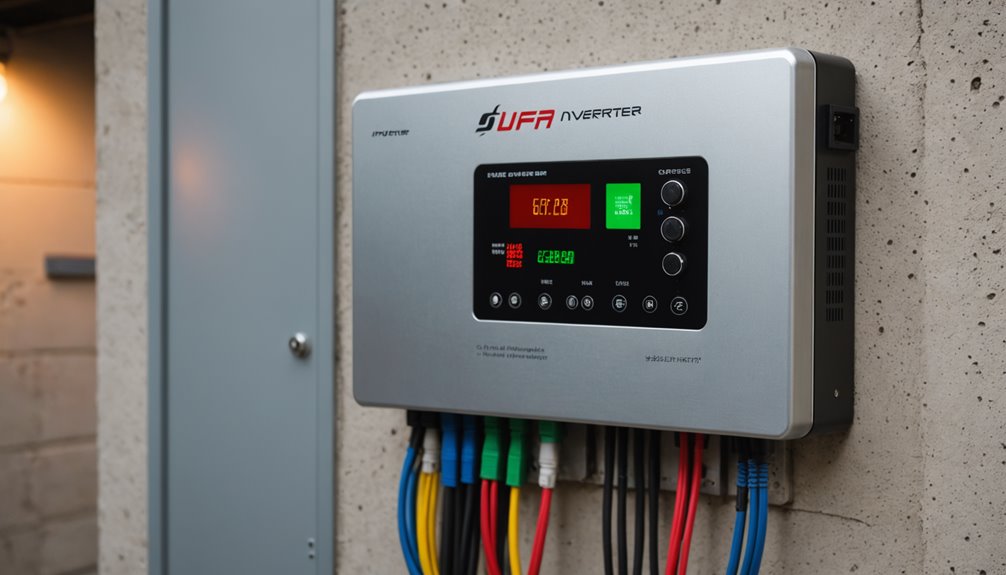
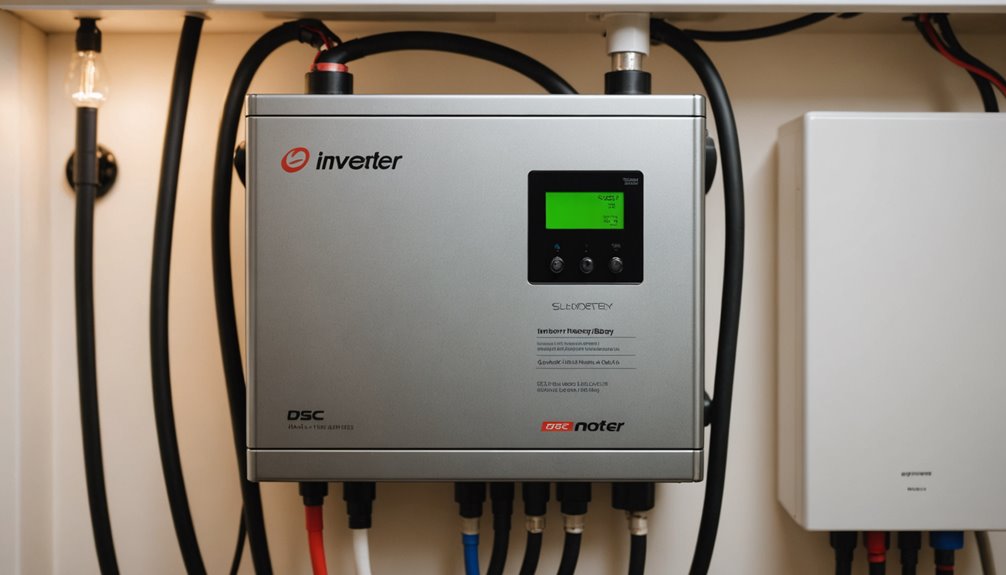
Not all inverters offer the same functionality during grid outages. Hybrid inverters are designed to isolate a home from the grid, allowing solar panels to continue generating power in conjunction with battery storage. The Enphase Ensemble system integrates solar generation and battery storage to form a localized energy setup capable of maintaining power to essential loads during an outage. SMA Sunny Boy inverters can deliver approximately 2,000 watts of backup power under certain conditions, though this capability does not require full battery integration. Microinverters can also support limited loads when connected to compatible battery systems. The selection of an appropriate inverter is a determining factor in how a solar energy system performs during grid interruptions.
Why Most Solar Homeowners Skip Batteries and Still Cut Their Bills
Battery storage remains an optional component for most residential solar installations. Under net metering arrangements, surplus electricity generated by solar panels is exported to the grid in exchange for bill credits, typically calculated at retail electricity rates. A standard grid-tied solar system can reduce household electricity costs by 20% to 100%, depending on system size, local utility rates, and consumption patterns.
The primary trade-off of operating without battery storage is the loss of backup power during grid outages, as grid-tied systems are required to shut down automatically when the grid fails, a safety measure to protect utility workers. However, this limitation does not diminish the day-to-day financial returns of a solar installation.
Battery storage systems currently carry a significant upfront cost, ranging from approximately $6,000 to $25,000 depending on capacity and installation requirements. Given that owned solar systems generally produce strong returns on investment through reduced electricity bills and available incentives, adding battery storage represents an additional capital expense that many homeowners determine is not essential to achieving their financial objectives.
For homeowners whose primary goal is reducing electricity costs rather than achieving energy independence or backup power capability, a grid-tied system without battery storage is a financially practical choice. Battery systems may be more relevant for households in areas with frequent outages, time-of-use utility pricing structures, or limited net metering compensation rates.
When Does Going Off-Grid Make More Sense Than Battery Backup?
Battery backup systems serve as a practical option for homeowners seeking outage protection while maintaining grid connectivity. However, certain conditions make a fully off-grid configuration the more suitable choice. Rural locations with a documented history of frequent outages or inconsistent utility service are strong candidates for off-grid systems, as they reduce dependence on infrastructure that may be unreliable. A properly sized solar array, combined with adequate battery storage, can meet household energy demands independently and eliminate ongoing utility costs. That said, off-grid systems require careful energy consumption monitoring, higher initial capital investment, and consistent maintenance to ensure long-term performance and reliability.
Conclusion
Standard grid-tied solar panel systems are designed to shut down automatically during a power outage. This is a safety requirement to prevent energy from feeding back into the grid and endangering utility workers. As a result, solar panels alone cannot provide power during an outage, even when sunlight is available.
To maintain power during an outage, homeowners need either a battery storage system or a hybrid inverter capable of islanding—operating independently from the grid. Battery systems store excess solar energy for use when the grid is unavailable. Hybrid inverters allow a portion of solar generation to power designated circuits directly during an outage.
These additions come with increased upfront costs. Battery systems, such as lithium-ion units, vary in price depending on storage capacity and brand. A hybrid inverter similarly adds to the overall system cost. However, these costs should be evaluated against the frequency and duration of outages in a given area, as well as the specific power requirements of essential household systems.
Homeowners considering backup power capacity should assess several practical factors: which appliances or systems are considered essential during an outage, the average length of outages in their region, and their overall budget for the solar installation. For areas with infrequent, short outages, the added expense may not be justified. For areas with unreliable grid service, battery backup or hybrid systems may represent a practical investment.