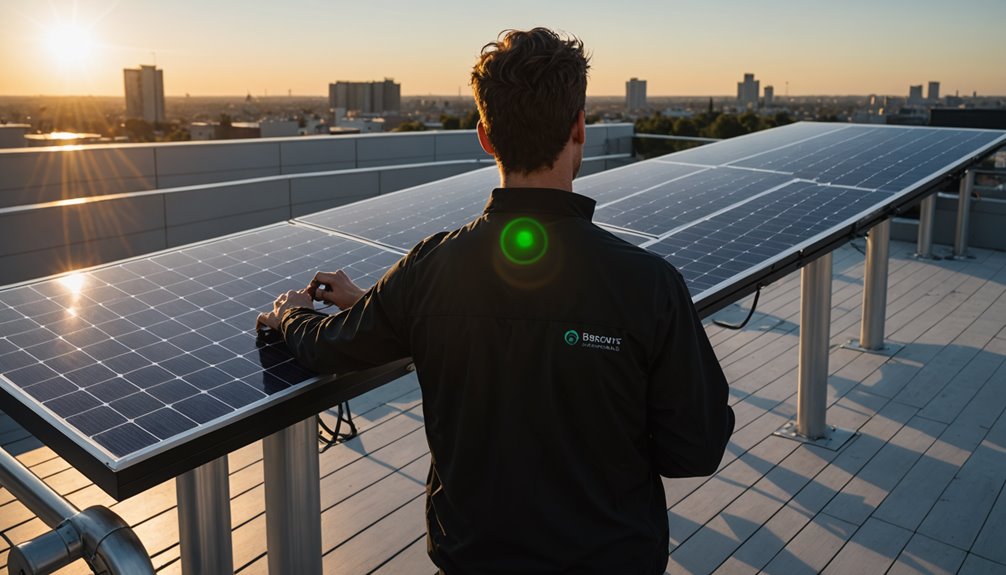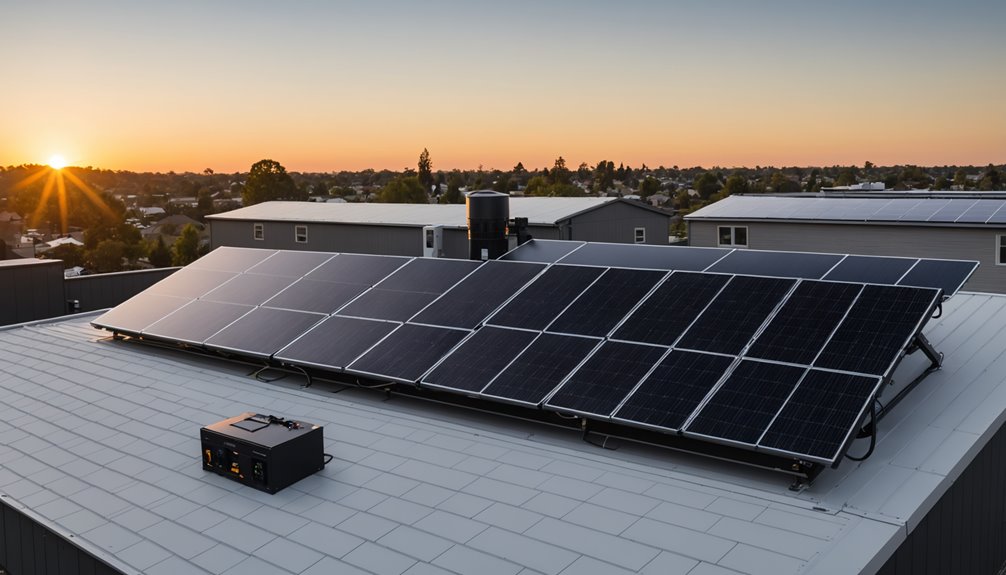
Moving solar panels to a new home is technically possible, but the process involves practical, financial, and contractual considerations that often make relocation less straightforward than it might appear.
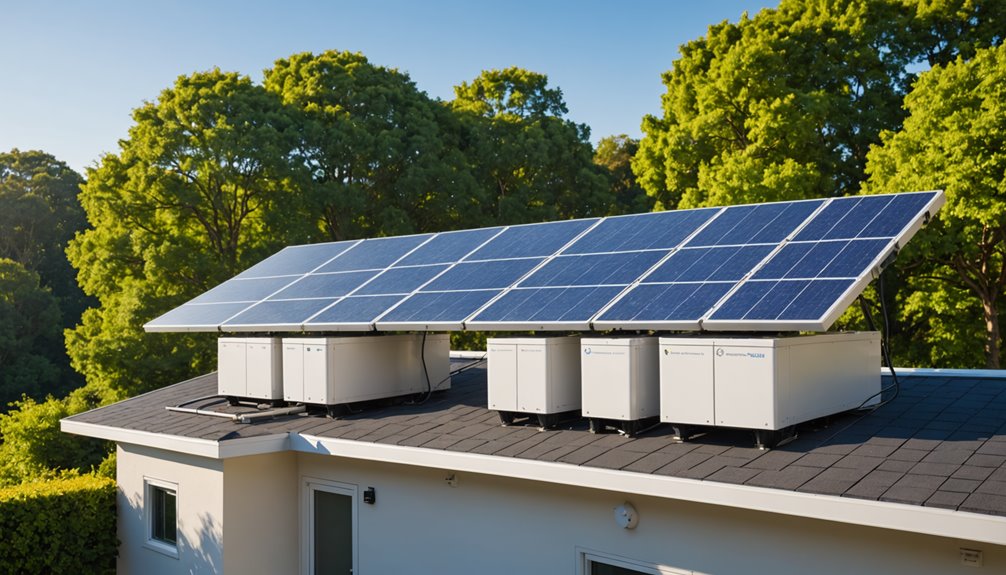
From a technical standpoint, solar panels can be uninstalled and reinstalled at a new location. However, this requires professional labor for both removal and reinstallation, as well as potential system reconfiguration depending on the new roof’s orientation, pitch, and structural capacity.
The process is not simply a matter of detaching and reattaching the panels.
Financially, the costs of moving a solar system can be substantial. Removal, transportation, and reinstallation expenses can range from several thousand dollars, and there is no guarantee the existing system will be optimally sized or compatible with the energy needs of the new property.
Contractually, the situation becomes more complex for those with leased systems or solar loans tied to the property. Many lease agreements require the system to remain with the home, and loans may be structured as liens on the property.
Homeowners who own their systems outright have more flexibility, though they should still review any relevant permits or warranties before proceeding.
In many cases, leaving the panels with the home and negotiating their value into the sale price is a more practical option.
Solar installations typically increase property value, which can offset the cost of purchasing or financing a new system at the next residence.
Key Takeaways
Moving solar panels to a new home is possible when the system is owned outright, but the process carries considerable financial and logistical burdens. Professional removal and reinstallation typically costs between $5,000 and $15,000, a range that can approach the cost of purchasing and installing an entirely new system. This cost factor alone warrants careful evaluation before proceeding.
Leased solar panels present a different situation entirely. Relocation is generally not permitted under lease agreements. Instead, the standard course of action is to transfer the existing lease to the buyer of the home, which introduces its own set of negotiations and legal considerations.
For owned systems, relocation requires coordination across multiple parties and compliance with several regulatory requirements. Licensed professionals must handle both the removal and reinstallation. Utility provider approval is necessary, as is securing local permits and passing inspections. The work must also conform to applicable building and electrical codes, which may differ between jurisdictions, adding further complexity to the process.
The age and efficiency of the panels are also relevant factors. Older panels that have experienced meaningful degradation in output may not justify the expense of relocation. In contrast, newer systems with higher energy output are more likely to provide a return that makes the move financially reasonable.
In summary, while relocating solar panels is technically feasible, the decision should be based on a straightforward cost-benefit analysis that accounts for system age, efficiency, installation costs, and regulatory requirements at both the origin and destination properties.
Can Solar Panels Be Moved to a New Home?
Moving solar panels to a new home is possible under specific conditions. If you own your solar system outright, relocation is an option, though it involves professional removal and reinstallation, which typically costs between $5,000 and $15,000. This expense, combined with the logistical complexity of the process, leads many homeowners to leave their panels in place. Doing so can increase the property’s resale value and streamline the sale process.
For homeowners with a solar lease rather than an owned system, relocation is generally not an option. In these cases, the lease agreement must be transferred to the incoming buyer, subject to the leasing company’s approval and terms.
From a financial standpoint, relocating older panels is not always the most practical decision. Advances in solar technology mean that newer systems often offer greater energy efficiency, and installing new panels at a different residence may provide better long-term returns than transporting an aging system. Available incentives for new installations may further support this alternative approach. For example, new installations in Connecticut may qualify for a federal 30% tax credit on total system costs, making a fresh setup financially attractive.
Ultimately, the decision depends on several factors, including the age and condition of the existing panels, the cost of relocation versus new installation, the terms of any financing or lease agreements, and the potential impact on the current property’s market value. A thorough cost-benefit analysis, ideally with input from a solar energy professional, is advisable before making a final determination.
Why It Matters Whether You Own or Lease Your Solar Panels
Whether you own or lease your solar panels has practical implications for relocation and home resale. Owned solar systems give homeowners the option to either remove the panels or leave them in place, with research suggesting owned systems can increase home resale value by approximately 4.1%. Leased systems involve more complexity, as the lease agreement must be transferred to the incoming buyer, who is subject to approval by the leasing company. If the transfer is not approved, the departing homeowner may be required to pay out the remaining lease balance. These distinctions carry financial and logistical consequences that can affect the sale timeline, the pool of potential buyers, and the overall cost of relocating.
What Happens to Solar Panels When You Sell Your House?
Selling a house with solar panels requires understanding how the system’s ownership structure affects the transaction. Owned solar systems transfer directly to the new homeowner and have been shown to increase property resale value by approximately 4.1%, according to available research. Leased systems involve a more complex process, as the buyer must meet the leasing company’s qualification requirements before the lease can be transferred.
Regardless of ownership type, sellers should prepare relevant documentation, including installation contracts, warranty information, and maintenance records, to facilitate a smooth transfer and give buyers a clear understanding of the system.
Removing solar panels prior to sale is generally not a financially practical decision, as professional removal costs typically exceed any potential benefit. Keeping the system intact preserves the added value it brings to the property.
Buyers with an interest in energy efficiency or reduced utility costs may view solar-equipped homes more favorably, which can be a relevant factor in certain market segments. However, buyer interest will vary depending on location, energy costs, and individual preferences.
How Much Does It Cost to Move Solar Panels?
Moving solar panels to a new property is a practical consideration for some homeowners, though the associated costs require careful examination. The total cost of relocating solar panels typically falls between $5,000 and $15,000, depending on system size and complexity. Professional removal is generally priced at $200 to $500 per panel. Additional expenses include local permitting fees, required inspections, and potential roof repairs at the original property, all of which can increase the overall cost beyond initial estimates.
In some cases, relocation costs approach or exceed the price of a new installation, which typically ranges from $10,000 to $25,000. This cost overlap makes it financially reasonable to compare both options before proceeding. Factors such as panel age, system compatibility with the new roof, and available incentives for new installations are relevant variables in this comparison. A cost-benefit analysis that accounts for these factors will generally produce a more informed decision than defaulting to either option without evaluation.
How Solar Panel Removal and Reinstallation Actually Works
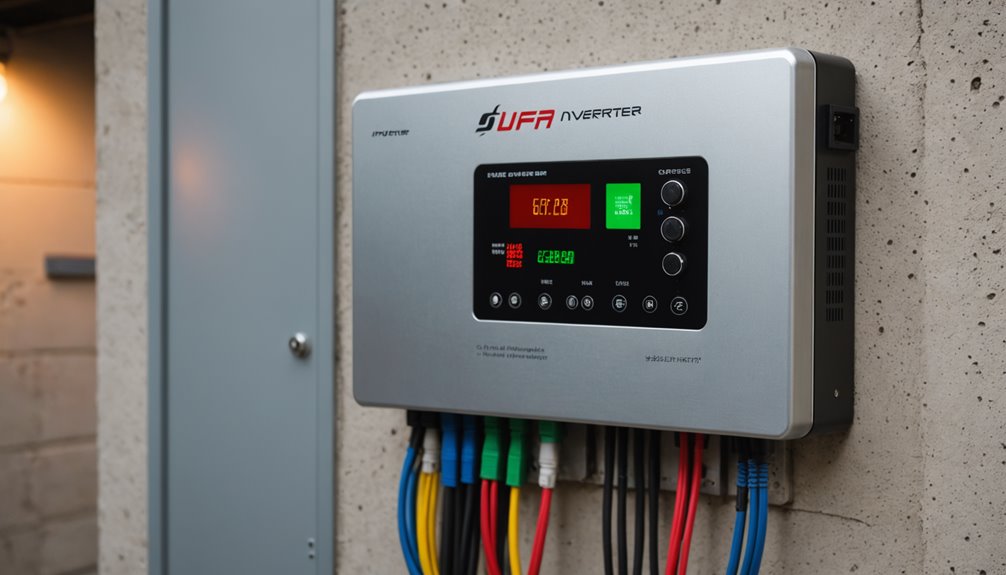
Relocating solar panels involves several distinct phases, each requiring licensed professionals. The process begins with system shutdown, which typically requires prior approval from the utility provider before any electrical disconnections can be made. Panel removal must be carried out carefully to avoid damage to both the panels themselves and the underlying roof structure.
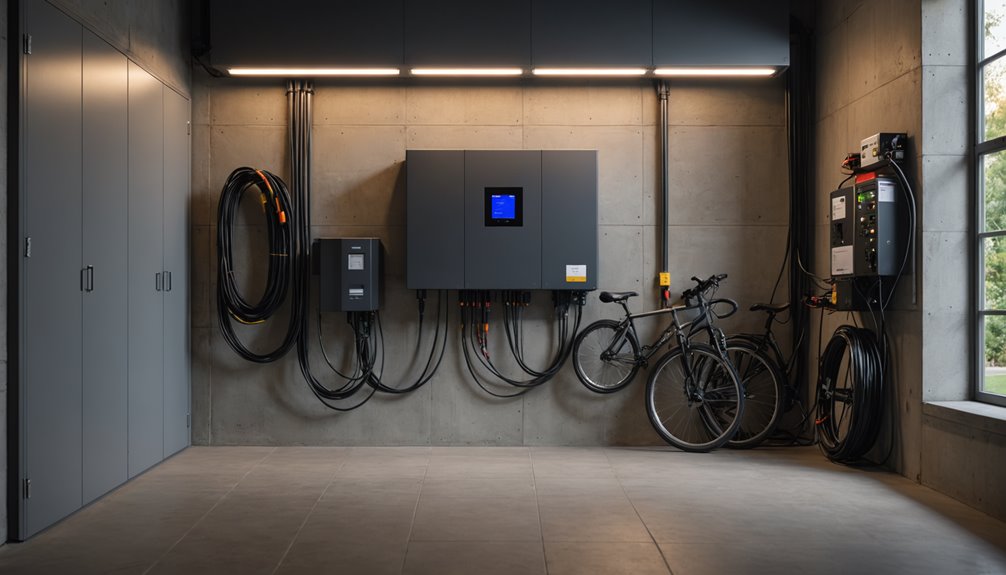
The financial scope of relocation extends beyond labor costs. Permits and inspections are required at both the original and destination sites, and these fees vary by jurisdiction. At the new location, the existing system design may not translate directly. Differences in roof pitch, orientation, and sun exposure often necessitate a redesigned layout to maintain optimal energy output.
Once the new configuration is determined, the installation must meet local building and electrical codes before reconnection can proceed. A final inspection is required to verify compliance and authorize the system to return to operation. Each of these steps adds time and cost to the overall process, which should be factored into any decision to relocate a solar installation.
Moving Solar Panels vs. Installing a New System
When deciding between relocating solar panels and installing a new system, the cost comparison is a primary consideration. Relocating panels typically costs between $5,000 and $15,000, while purchasing and installing a new system ranges from $10,000 to $25,000 before applicable incentives. Labor accounts for approximately 75% of relocation costs, which narrows the financial gap between the two options when incentives are factored into new installation pricing.
New installations carry practical advantages worth considering. A system designed specifically for a new property can account for the home’s orientation, roof condition, and local sun exposure, which may result in improved energy output compared to repurposing a system built for different conditions. New systems also incorporate more recent technology, which can affect long-term performance and efficiency.
Leaving panels at the original property is another option with measurable financial implications. Research suggests solar panels increase home resale value by approximately 4.1%, which may offset some or all of the cost of a new installation at the next property.
The decision depends on several factors: the age and condition of existing panels, the compatibility of those panels with the new property’s roof and energy needs, available incentives in the new location, and the timeline for each option. A straightforward cost comparison between relocation expenses and the net cost of a new system after incentives provides a reasonable starting point for making an informed decision.
Is It Worth Moving Solar Panels to a New House?
Moving solar panels to a new house involves several practical and financial considerations. Relocation costs typically range from $5,000 to $15,000, covering labor, reinstallation, and potential system modifications. By comparison, a new installation generally costs between $10,000 and $25,000 before applicable incentives, such as federal tax credits or state rebates, which can substantially reduce out-of-pocket expenses.
The age and condition of your current system is a relevant factor. Older panels with reduced efficiency may not justify relocation costs, whereas newer systems operating at higher output levels may make the move more economically reasonable. Additionally, compatibility between your existing system and your new home’s roof structure, orientation, and energy requirements should be assessed before making a decision.
For leased systems, the process involves coordination with the leasing company, which may have specific contractual terms governing relocation or early termination. This can add administrative complexity and potential additional costs.
Leaving panels at your current property may also be worth considering, as solar installations generally increase home resale value. In some markets, this can offset the cost of purchasing a new system at your next residence.
Ultimately, the decision rests on a straightforward cost-benefit analysis: compare relocation expenses against new installation costs after incentives, account for system performance and compatibility, and factor in any contractual obligations tied to your existing setup.
What to Do Instead of Moving Your Solar Panels
Rather than relocating solar panels, several alternatives exist that may be more practical depending on individual circumstances.
Leaving panels with the property can increase resale value by approximately 4.1%, which may offset the cost of purchasing a new system. This approach also eliminates the risk of roof damage during removal and avoids the permit requirements that typically accompany relocation.
Installing a new solar system at the next residence generally costs between $10,000 and $25,000, depending on system size and local installation rates. This option allows for a system designed specifically to the new property’s energy requirements and roof configuration, and may incorporate more current technology than an older relocated system.
For homeowners with leased panels, transferring a lease agreement to a buyer can introduce complications in the sale process. Leaving the leased system with the property tends to simplify the transaction for all parties involved.
When comparing costs, relocation expenses typically range from $5,000 to $15,000, and that figure does not account for potential roof repairs or permitting fees. A new installation, while carrying a higher upfront cost, may represent a more financially sound decision when considering long-term performance, warranty coverage, and system compatibility with the new property.
Conclusion
Moving solar panels to a new home is technically possible but not always practical. The decision depends on several key factors, including ownership status, system compatibility, relocation costs, and potential equipment damage during the process.
Homeowners who own their systems outright have the option to relocate panels, but the process involves dismantling, transporting, and reinstalling the equipment, which can be costly and may void existing warranties. In contrast, those with leased systems or power purchase agreements are generally not permitted to move the panels, as the equipment belongs to the financing company.
Additional considerations include whether the new home’s roof is compatible with the existing system in terms of size, orientation, and structural capacity. Local permitting requirements and utility interconnection processes at the new location will also apply, adding time and expense to the transition.
In many cases, leaving the panels behind and negotiating their value into the home’s sale price is a more financially sound approach. Alternatively, purchasing a new system at the new residence may be more cost-effective, particularly given declining solar equipment costs and available tax incentives.
A thorough cost-benefit analysis comparing relocation expenses against these alternatives is advisable before making a final decision.