
Connecticut homeowners face power outages with increasing frequency due to aging electrical infrastructure and storm activity, particularly from nor’easters and tropical weather systems.
These outages carry practical and financial consequences, including food spoilage, loss of heating or cooling, and disruption to medical equipment.
Battery backup systems offer a reliable means of maintaining power during outages, though selecting an appropriate solution requires evaluating several key factors, including household energy needs, budget, and the expected duration of outages in a given area.
Key Takeaways
- Connecticut state rebates offset between 22% and 50% of battery system costs, and the federal investment tax credit reduces installation expenses by an additional 30%.
- A 7.4 kWh battery typically supports approximately eight hours of backup power, while a 13.5 kWh unit extends that capacity to roughly twelve hours under standard household consumption conditions.
- Integrating solar panels with a battery storage system can increase self-consumption rates from approximately 30% to above 80%, reducing dependence on grid-supplied electricity.
- Home battery systems operate without noise or emissions and are compatible with solar installations, whereas generators depend on a continuous fuel supply to function.
- Enrollment in Connecticut’s Utility Dispatch Program allows homeowners to earn more than $1,000 per year by contributing stored energy to the grid during peak demand periods, which can help recover a portion of initial installation costs over time.
Connecticut’s Worsening Outages and What They’re Costing Homeowners
Connecticut homeowners face a growing challenge with power outages, driven by aging grid infrastructure—portions of which date to the 1960s—and increasingly frequent extreme weather events. According to NOAA, 2024 saw 27 weather-related disasters each exceeding $1 billion in damages, a trend that places additional strain on regional power systems.
Repeated outages carry measurable financial consequences for households, including appliance damage and lost productivity, though the actual costs vary depending on individual circumstances and outage frequency.
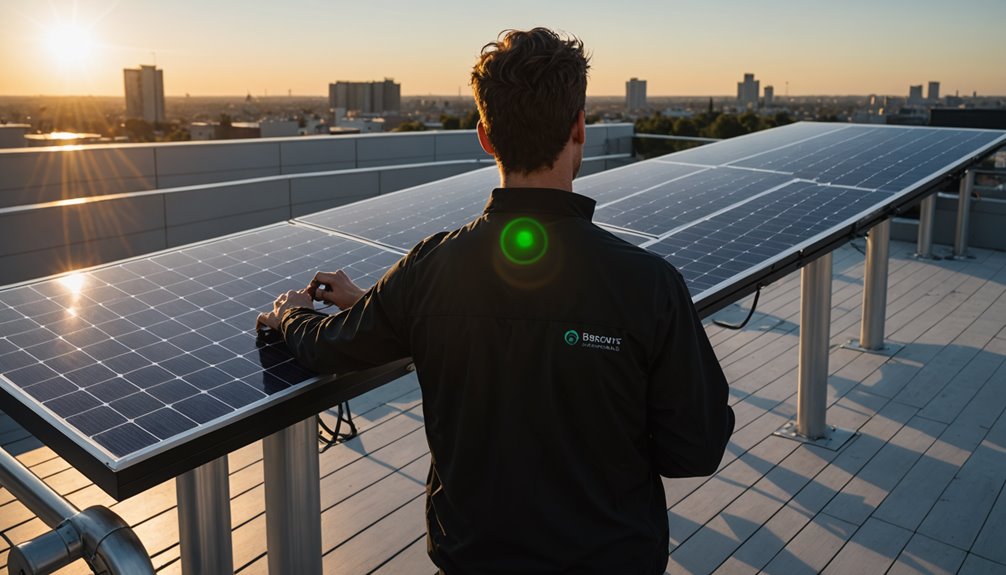
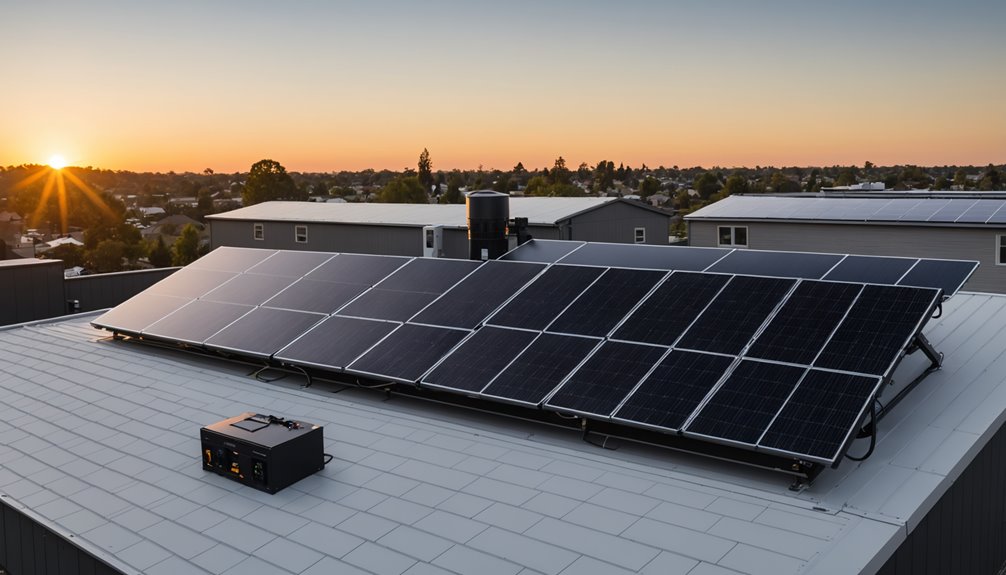
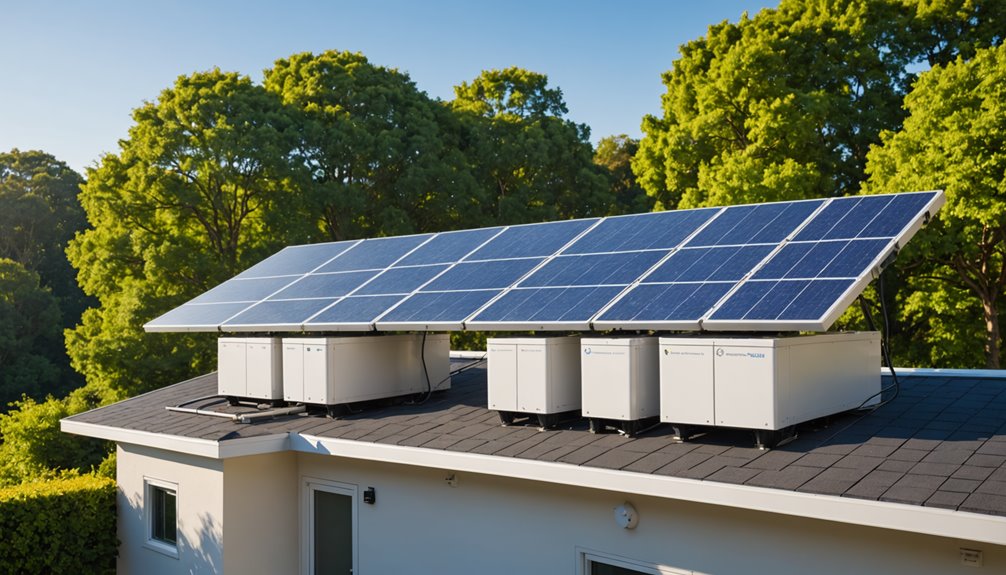
Battery storage and solar energy systems represent one practical approach to reducing dependence on the grid during outages. Connecticut’s 10MW battery incentive program currently has capacity remaining, with approximately 36% already allocated. Homeowners considering these systems may benefit from reviewing available incentives sooner rather than later, as program availability is finite and subject to change. For solar households, pairing panels with a battery system can raise solar self-consumption rates from around 30% to over 80%, significantly reducing how much energy is drawn from the grid during an outage.
How Much Battery Capacity Does Your Connecticut Home Need?
Determining the appropriate battery capacity for a Connecticut home requires calculating total wattage of essential appliances multiplied by the desired hours of backup power. Essential appliances in a typical Connecticut home draw approximately 1.3 kW continuously, with peak power demand reaching 3.6 kW during appliance startup. A 7.4 kWh battery system can power critical circuits for roughly eight hours, while a 13.5 kWh unit extends coverage to approximately twelve hours. Homeowners whose backup power requirements exceed these durations should consider multi-unit energy storage configurations to meet their needs.
Home Battery vs. Generator: Which Is Right for Connecticut Homes?
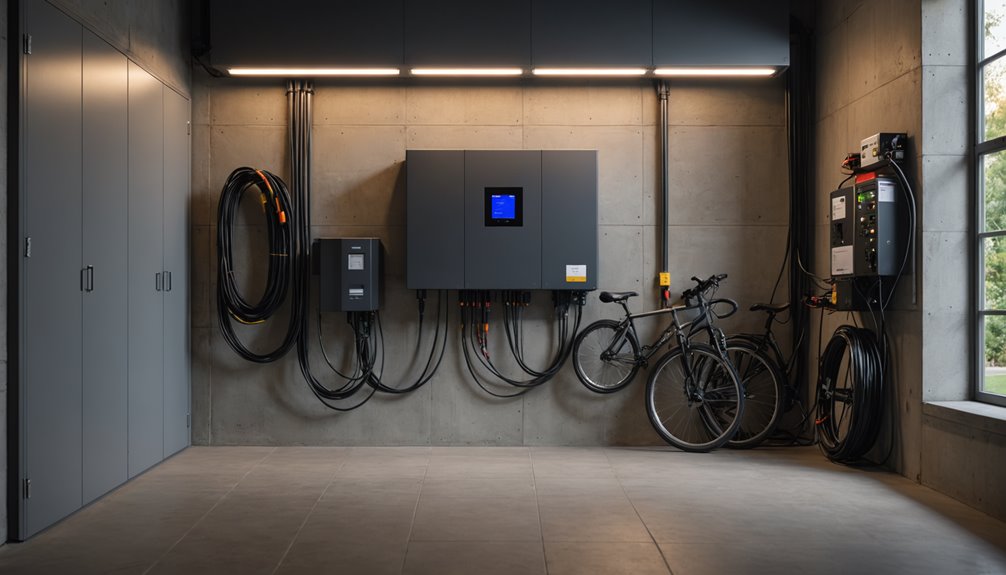
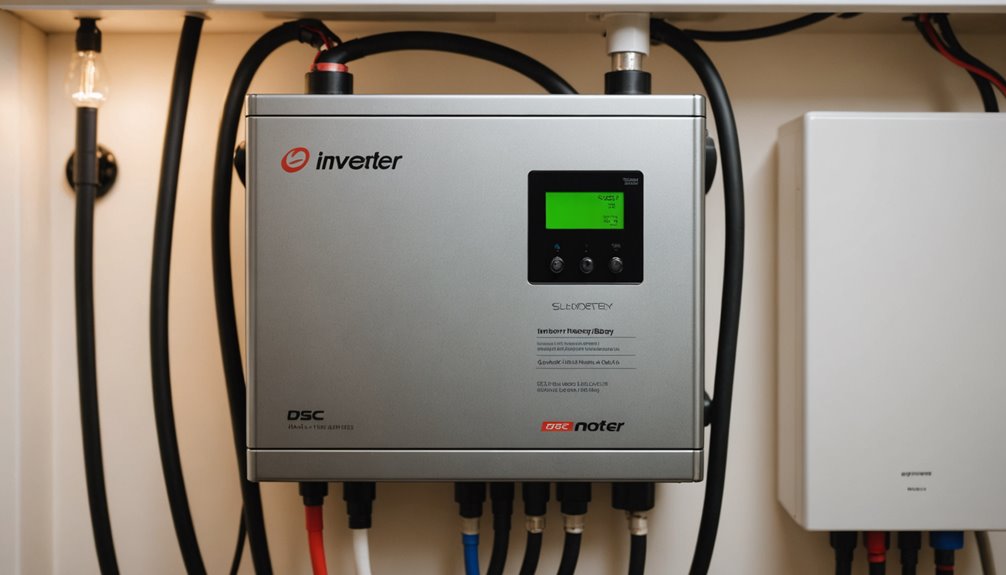
After determining your home’s backup power requirements, you can evaluate whether a battery system or a generator better suits your needs. Home batteries, such as the Tesla Powerwall, operate without emissions or noise and can integrate with solar panels for renewable energy charging. Connecticut residents may qualify for a 30% federal tax credit and state rebates, which can reduce the upfront cost of battery installation. That said, batteries are generally limited to powering essential circuits for approximately 8–12 hours per charge cycle, whereas generators can power a broader load continuously as long as fuel remains available. Each option carries trade-offs related to capacity, operating costs, fuel dependency, and environmental impact, and the appropriate choice depends on your household’s specific power demands and priorities.
Best Home Battery Systems for Connecticut Outages
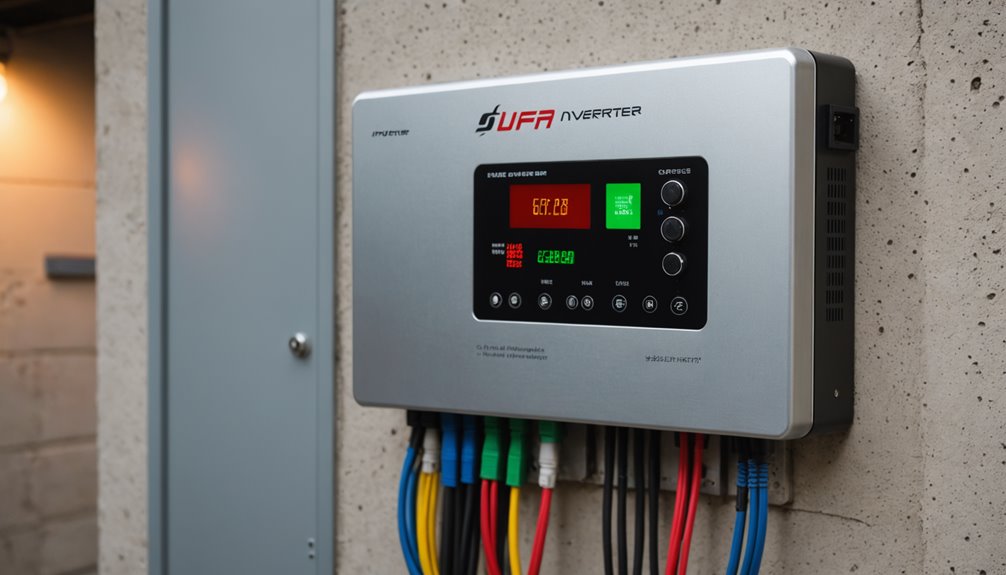
Home battery systems worth considering for Connecticut residents include the Tesla Powerwall 3 and the FranklinWH. Both are designed to provide backup power during outages and can be integrated with solar panel installations. These systems are capable of storing solar energy and powering essential household appliances, with typical backup durations varying based on household energy consumption and battery capacity.
Regarding financial incentives, Connecticut residents may be eligible for a 30% federal tax credit on qualifying home battery installations. State-level rebates may also be available, though the specific terms and amounts should be verified directly with Connecticut’s relevant energy programs, as eligibility requirements and funding availability can change.
Connecticut’s utility programs may offer opportunities for homeowners to participate in demand response initiatives, where stored battery energy can be discharged during periods of peak grid demand in exchange for compensation. The specific financial returns from such programs depend on participation terms, usage patterns, and program availability at the time of enrollment.
Prospective buyers are advised to consult with licensed installers and review current program guidelines from Connecticut’s energy authorities before making purchasing decisions, as incentive structures, program funding levels, and eligibility criteria are subject to change.
Connecticut Incentives That Cut Your Battery Costs
Connecticut offers several incentive programs that can reduce the upfront cost of battery backup systems. The state provides a rebate covering 22–50% of system costs, with higher rebate percentages available to low- and moderate-income households. A federal tax credit of 30% applies to qualifying battery storage installations, which can be combined with the state rebate to lower overall expenditure.
Participation in the Utility Dispatch Program provides an additional financial consideration. Enrolled households can receive compensation exceeding $1,000 per year by allowing the utility to draw on stored battery power during periods of peak grid demand. This arrangement converts the battery system into an ongoing source of income rather than a one-time investment.
It is worth noting that 36% of available Connecticut incentives have already been allocated, which may affect future availability. Homeowners considering battery storage should verify current program status and eligibility requirements directly with the relevant state agencies or utility providers, as incentive terms and availability are subject to change.
Finding a Qualified Battery Installer in Connecticut
Selecting a qualified installer is a critical step in deploying a home battery storage system in Connecticut. The Connecticut Green Bank maintains a list of approved installers who meet established state quality standards, making it a reliable starting point for identifying vetted professionals. A qualified installer should be capable of handling system design, installation, and ongoing maintenance.
Reviewing customer feedback can provide useful data points regarding an installer’s track record and reliability. It is also advisable to confirm that the installer has working knowledge of available financial incentives, including the Connecticut Upfront State Rebate and the Federal Investment Tax Credit, as proper guidance on these programs directly affects the total cost of the system.
A thorough energy assessment conducted by the installer is necessary to determine appropriate system sizing. An undersized system will not meet a household’s backup power requirements, while an oversized system represents unnecessary capital expenditure. Ensuring the installer performs this evaluation based on the specific energy consumption and backup priorities of the home is an important factor in selecting the right professional for the project.
Conclusion
Connecticut homeowners seeking backup power solutions have several battery storage options available, ranging from smaller 7.4 kWh units to larger 13.5 kWh systems, each suited to different household energy demands. The state’s electrical infrastructure has experienced reliability challenges, making battery backup a practical consideration for many residents.
From a financial standpoint, Connecticut offers incentive programs that can offset a portion of installation costs, and federal tax credits may apply depending on system configuration and eligibility. Prospective buyers should verify current program terms directly with the Connecticut Green Bank or relevant state agencies, as incentive structures and availability can change.
When evaluating a battery storage system, key factors to consider include total storage capacity, power output ratings, compatibility with existing electrical systems, and whether the unit supports solar integration. Installation should be performed by a licensed electrician familiar with local building codes and utility interconnection requirements.
Consulting with multiple qualified installers allows homeowners to compare pricing, system options, and warranty terms before making a decision.