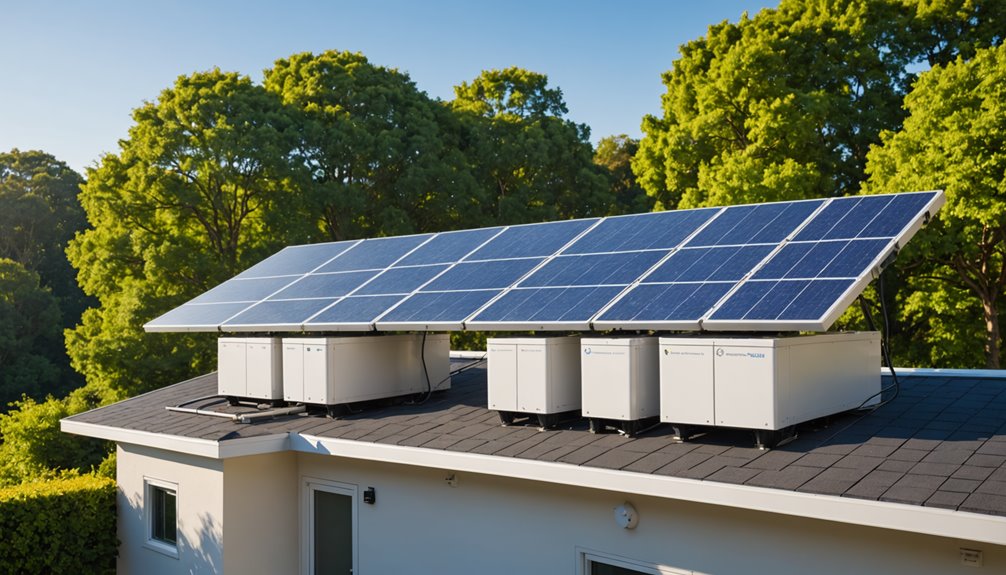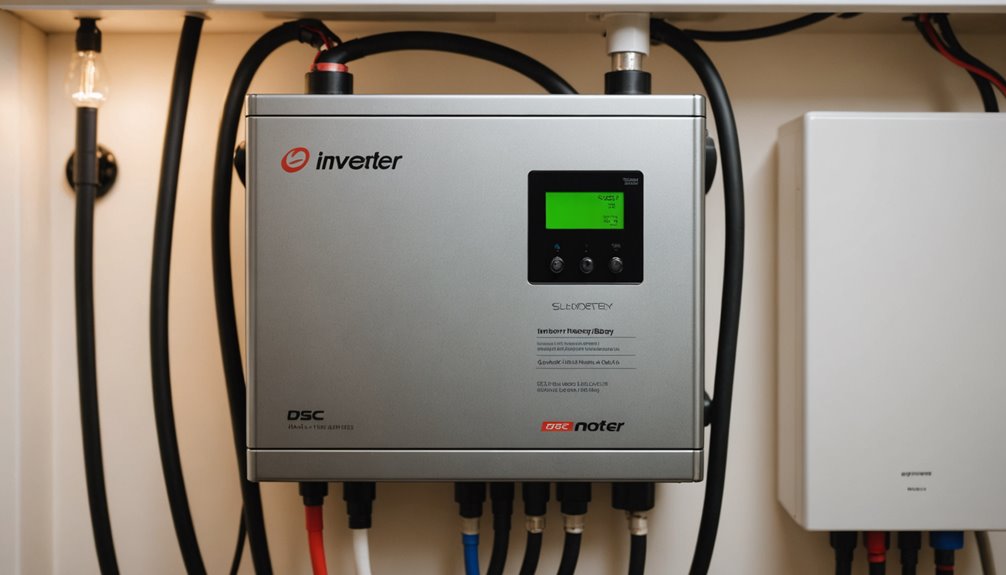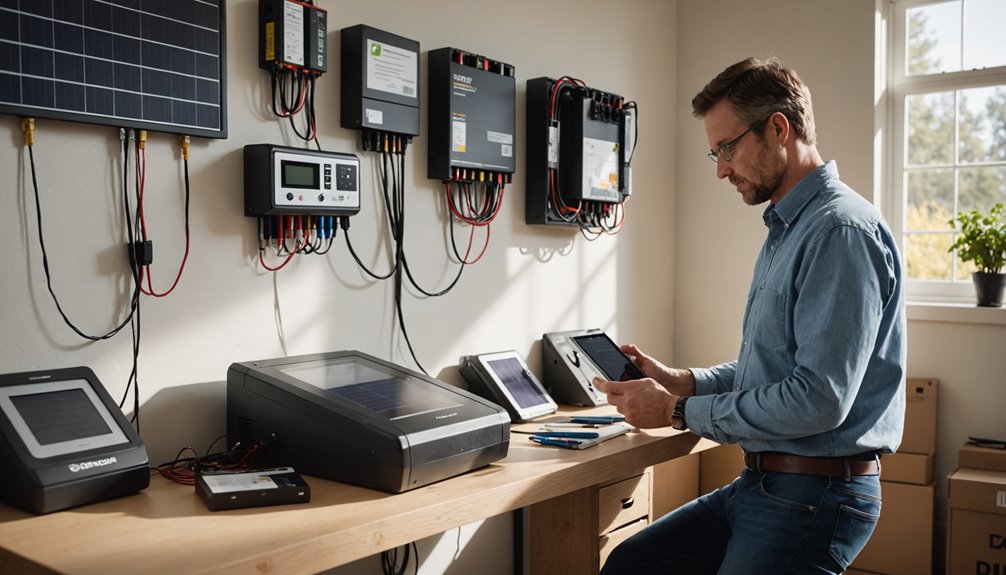
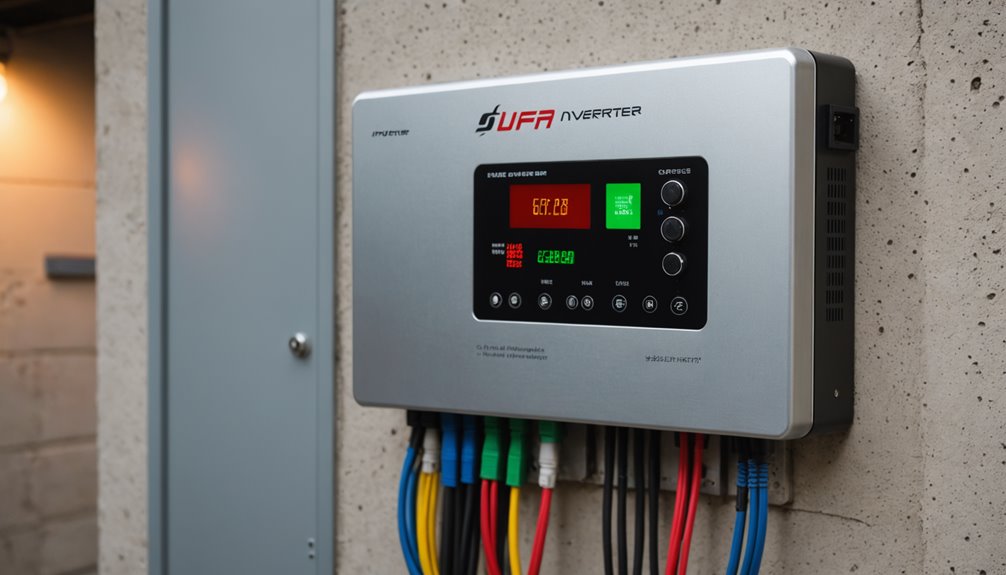
Hybrid inverter technology integrates solar power generation, battery storage, and grid connectivity into a single system. Unlike standard solar inverters, which only convert DC power from solar panels into AC power for household use, hybrid inverters manage multiple energy sources simultaneously and determine the most efficient way to distribute or store electricity based on current conditions.
The core function of a hybrid inverter involves regulating the flow of energy between solar panels, battery storage, the electrical grid, and household loads. When solar generation exceeds household demand, the surplus energy is directed to charge batteries rather than being exported to the grid. When solar output is insufficient, the system draws from battery reserves before defaulting to grid power.
Most hybrid inverters include a built-in charge controller, which manages the charging and discharging cycles of connected batteries. This extends battery lifespan and improves overall system efficiency. Many models also support time-of-use programming, allowing households to draw from stored energy during peak-rate periods and charge batteries when grid electricity rates are lower.
Grid-tied hybrid systems maintain a connection to the utility grid, which serves as a backup when both solar generation and battery capacity are insufficient. Some systems also offer islanding capability, meaning they can operate independently during grid outages by isolating from the network and relying solely on solar and battery resources.
System compatibility is an important consideration. Hybrid inverters must be matched to the voltage and capacity specifications of both the solar array and the battery bank.
Communication protocols between components also vary across manufacturers, which can affect monitoring capabilities and system integration.
Key Takeaways
Hybrid inverters integrate the functions of solar and battery inverters into a single unit, converting DC electricity generated by solar panels into AC electricity suitable for household use. Unlike conventional inverters, hybrid models incorporate battery management capabilities, allowing excess solar energy to be stored rather than exported to the grid.
These systems continuously monitor several variables, including solar input, battery charge levels, grid status, and household energy demand, to regulate the distribution of electricity across available sources. DC-coupled configurations connect solar panels directly to the inverter, which reduces the number of energy conversion stages and results in lower efficiency losses compared to AC-coupled systems.
From an economic standpoint, hybrid inverters can raise self-consumption rates to approximately 80%, which reduces reliance on grid-supplied electricity and lowers energy costs over time. This benefit, however, must be weighed against an upfront cost that is typically 6-10% higher than that of standard inverter systems. Whether this investment is financially justified depends on factors such as local electricity tariffs, household consumption patterns, and available solar generation capacity.
What Is a Hybrid Inverter?
A hybrid inverter is a device that combines the functions of a solar inverter and a battery inverter into a single unit. It converts DC electricity generated by solar panels into AC electricity for household use. The system also manages the charging and discharging of battery storage, allowing excess solar energy to be stored and used when solar generation is insufficient or during grid outages. A hybrid inverter regulates the flow of both AC and DC power within a solar energy system, coordinating energy sources such as solar panels, battery storage, and the utility grid. This integration reduces the need for separate components and can contribute to lower grid energy consumption depending on system size, usage patterns, and local conditions.
How Hybrid Inverters Differ From Traditional Solar Inverters
Hybrid inverters differ from traditional solar inverters in several key ways. Traditional solar inverters perform a single function: converting DC electricity generated by solar panels into AC electricity for household use. Hybrid inverters expand on this by incorporating battery storage management within the same unit, allowing excess energy to be stored rather than exported to the grid.
This distinction has practical implications for energy consumption. When surplus solar energy is directed to battery storage instead of the grid, households can draw on those reserves during periods of low solar generation, such as evenings or overcast days. This increases self-consumption of generated electricity and reduces reliance on grid-supplied power.
Another functional difference is backup power capability. Traditional solar inverters typically shut down during grid outages as a safety measure. Hybrid inverters, depending on the model and configuration, can continue supplying power from battery storage during an outage, maintaining electricity access when the grid is unavailable.
From a system management perspective, hybrid inverters coordinate multiple energy sources, including solar generation, battery storage, and grid input or export, through a single integrated system. Traditional inverters handle only the solar-to-grid conversion process. This broader control capability allows hybrid systems to optimize when energy is stored, used, or drawn from the grid, which can contribute to improved overall energy efficiency and reduced electricity costs over time.
How Does a Hybrid Inverter Work?
A hybrid inverter functions by converting DC electricity generated by solar panels into AC electricity for household use. This conversion process relies on pulse width modulation (PWM), a method that regulates the switching of electrical signals to produce a stable AC output while managing energy flow efficiently.
In addition to power conversion, a hybrid inverter integrates battery storage and grid connectivity within a single unit. When solar generation exceeds household demand, the inverter directs surplus energy to a connected battery system or exports it to the grid, depending on system configuration and local regulations. When solar output is insufficient or demand increases, the inverter draws power from the battery or the grid to meet consumption needs.
During grid outages, a hybrid inverter can operate in backup mode, supplying power from the battery to designated circuits. The transition between operating modes is managed automatically by the inverter’s control system, which continuously monitors solar input, battery state of charge, grid status, and household load. This multi-source management distinguishes hybrid inverters from standard string inverters, which are limited to grid-tied operation without battery integration. Homeowners who export surplus electricity to the grid may also benefit from net metering credits, which offset the cost of electricity drawn from the grid during periods of low solar production.
Why Hybrid Inverters Are Worth the Investment
Hybrid inverters offer several practical advantages that justify their cost relative to standard solar inverters. By storing excess solar energy in connected battery systems, they can increase self-consumption rates to approximately 80%, reducing dependence on grid-supplied electricity. During power outages, the backup functionality maintains power to essential loads without significant interruption.
The upfront cost of a hybrid inverter typically represents 6-10% of total system expenditure, which is higher than conventional inverters. However, this difference can be offset over time through reduced electricity bills resulting from higher self-consumption and decreased grid reliance.
Integrated monitoring systems provide real-time data on energy production and consumption, allowing users to make informed decisions about their energy usage patterns. Additionally, hybrid inverters are designed to manage input from multiple energy sources while maintaining compliance with grid connection standards.
These characteristics make hybrid inverters a technically viable option for both residential and commercial installations where energy storage, backup capability, and consumption optimization are priorities.
AC-Coupled vs DC-Coupled: Which Setup Is Right for You?
AC-coupled and DC-coupled systems each serve distinct purposes depending on installation requirements and existing infrastructure.
AC-coupled systems integrate with existing solar panels through a separate inverter, converting DC power to AC before storage. This makes them a practical option for retrofitting battery storage into already-operational solar installations. The trade-off is a measurable efficiency loss due to multiple energy conversion stages.
DC-coupled systems connect solar panels directly to a hybrid inverter, which manages both solar input and battery charging within a single conversion process. This reduces conversion losses, as energy passes through fewer stages before reaching storage. The result is a more efficient overall system, particularly relevant in new installations where the full system can be designed with this configuration in mind.
From an efficiency standpoint, DC-coupled systems generally perform better in purpose-built renewable energy setups. AC-coupled systems, while less efficient in terms of energy conversion, provide greater flexibility for existing installations where replacing the entire system would be costly or impractical.
The decision between the two configurations should be based on several concrete factors: whether an existing solar system is already in place, the cost implications of partial versus full system replacement, and the long-term performance targets of the installation. Neither configuration is universally superior; the appropriate choice depends on the specific technical and financial parameters of each project.
Specs That Matter Most When Buying a Hybrid Inverter
Selecting a hybrid inverter requires evaluating key specifications that influence system performance and overall value. Efficiency ratings typically range from 97.0% to 98.5% for PV-to-AC conversion, while MPPT efficiency falls between 99.0% and 99.9%, determining how effectively the system harvests energy from solar panels. Battery compatibility is another relevant factor, as inverters should support both lithium-ion and lead-acid chemistries and include BMS communication to maintain stable energy storage operation. Power capacity should align with household load requirements, accounting for daily consumption and storage thresholds. Certifications such as UL 1741 and IEC 62109-1/-2 serve as indicators that the inverter meets established safety and grid-connection standards.
Can a Hybrid Inverter Support Off-Grid Living?
A hybrid inverter is capable of supporting off-grid living under the right conditions. Unlike standard grid-tied inverters, hybrid inverters are designed to operate in both grid-connected and off-grid modes, making them a functional option for those seeking energy independence.
In off-grid mode, the inverter manages the flow of electricity between solar panels, battery storage, and household loads. During daylight hours, solar energy is used to power connected devices and charge batteries simultaneously. When solar generation is insufficient, stored battery energy compensates for the shortfall. In grid-connected configurations, the inverter can also draw from the grid to charge batteries, providing an additional layer of energy security.
The viability of off-grid living with a hybrid inverter depends largely on system sizing. Battery capacity, solar panel output, and local solar irradiance levels all influence whether a system can meet daily energy demands consistently. In regions with limited sunlight or during extended periods of low generation, undersized battery banks may not sustain adequate power supply.
For those partially connected to the grid, a hybrid inverter reduces grid dependence without eliminating it entirely, which can serve as an intermediate step toward full energy independence. For complete off-grid applications, careful assessment of energy consumption patterns and appropriate system design are necessary to ensure reliable performance.
Conclusion
A hybrid inverter is a practical solution for those seeking to reduce energy costs, maintain backup power, or transition toward off-grid energy use. It integrates solar energy management and battery storage into a single unit, allowing for more efficient energy distribution and usage. The system adjusts to varying energy demands and works to optimize the output from solar panels. For many households and businesses, this represents a functional and cost-effective long-term approach to managing energy consumption and reducing dependence on the grid.