Power outages caused by storms or grid failures can disrupt daily routines and, in some cases, pose safety risks. Home battery backup systems are one practical response to this vulnerability. These systems store electrical energy, typically drawn from the grid or solar panels, and release it when primary power is unavailable or when doing so offers a cost advantage.
Beyond emergency use, battery systems can serve additional functions. In regions where electricity rates vary by time of day, stored energy can be discharged during peak-rate periods, potentially reducing utility costs. When paired with solar panels, batteries allow homeowners to retain excess generated power rather than returning it to the grid, increasing energy self-sufficiency.
From an environmental standpoint, the impact depends largely on the energy source used for charging. A battery charged primarily from renewable sources results in lower carbon emissions compared to one charged from a fossil-fuel-dependent grid.
These systems involve meaningful upfront costs and require periodic maintenance and eventual battery replacement. Their financial and practical value varies depending on local electricity rates, the frequency and duration of outages in a given area, and whether renewable energy generation is part of the setup.
A thorough assessment of these factors is advisable before making a purchasing decision.
Key Takeaways
- Home battery backup systems store electricity sourced from solar panels, the grid, or generators, and are designed to supply power during outages through near-instantaneous switching between power sources.
- Unlike gas-powered generators, these systems operate without combustion, producing no direct emissions during use, which reduces their environmental impact in residential settings.
- Installation costs typically fall between $10,000 and $20,000, though a federal tax credit of 30% is available and can meaningfully reduce out-of-pocket expenses for eligible homeowners.
- System capacity, expressed in kilowatt-hours, directly determines how long backup power can be sustained, with most residential systems rated to provide between 8 and 24 hours of supply under average consumption conditions.
- Selecting an appropriate system requires evaluating battery chemistry, compatibility with existing home electrical infrastructure, and local electricity rate structures, as these factors influence both performance and long-term cost-effectiveness.
What Is a Home Battery Backup System?
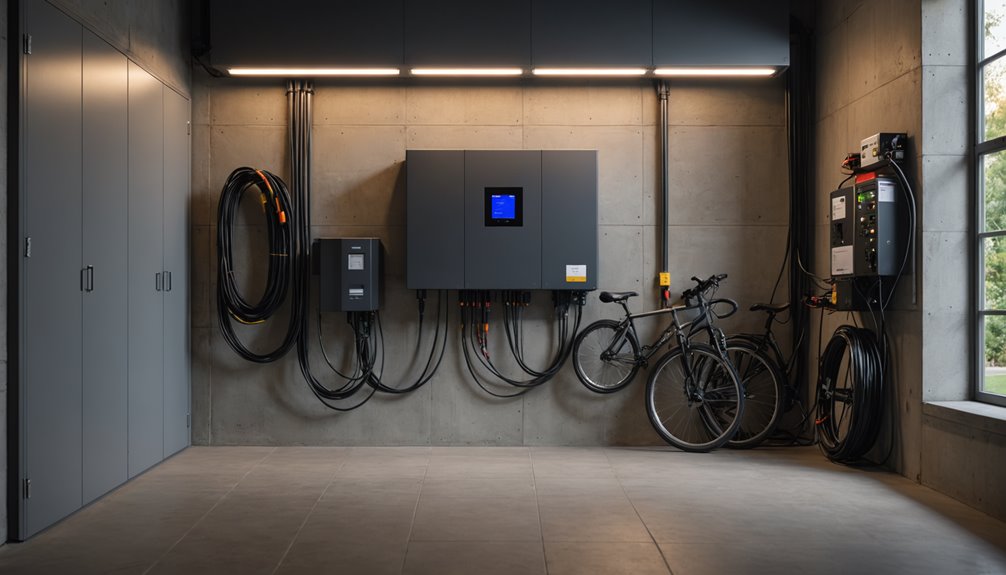
A home battery backup system consists of high-capacity batteries connected to a home’s electrical panel, designed to store electricity for use during power outages or periods of high energy demand. These systems are capable of switching from utility power to stored energy with minimal or no interruption to household electricity supply.
The batteries can be charged through multiple sources, including solar panels, utility grid power during off-peak rate periods, or conventional generators. Storage capacity varies across available models, allowing homeowners to power either select essential appliances or, in higher-capacity configurations, an entire home’s electrical load.
Many systems include monitoring software or applications that provide real-time data on energy usage and storage levels. Professional installation is generally recommended to ensure proper integration with existing electrical infrastructure and to meet local safety and building code requirements. For solar-powered homes, adding a battery system can increase self-consumption rates from around 30% to over 80%, significantly reducing dependence on grid-supplied electricity.
How Does a Home Battery Backup System Work?
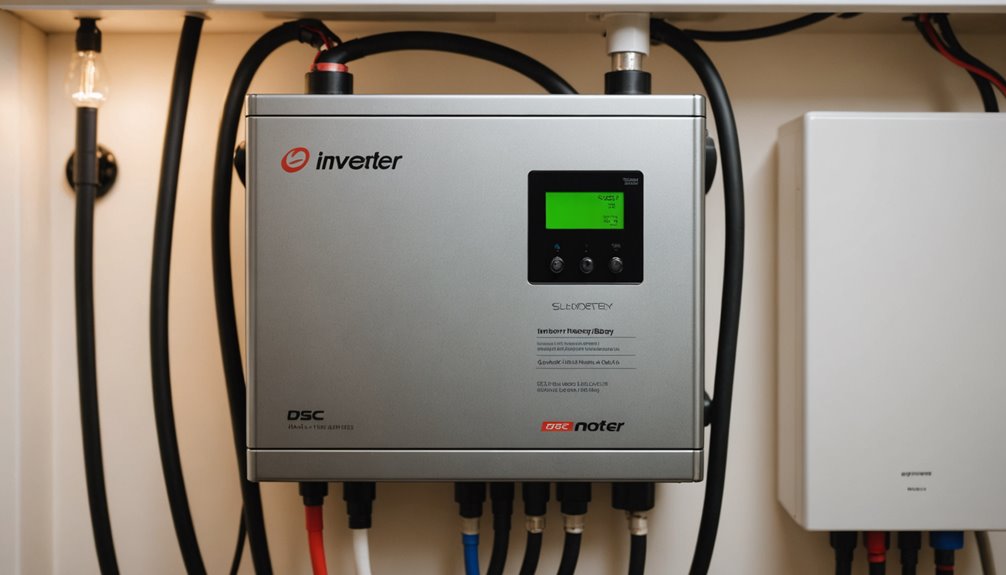
A home battery backup system uses an inverter to detect power interruptions from the utility grid. Upon detecting an outage, the inverter switches to stored battery power within milliseconds, maintaining electricity supply to connected appliances. Unlike backup generators, battery systems operate without combustion, producing no direct carbon emissions during use.
When utility power is restored, the system automatically initiates a recharge cycle. Battery systems can also be recharged through solar panels or a generator, providing multiple energy sourcing options. Runtime varies based on two primary factors: the battery’s total storage capacity, measured in kilowatt-hours, and the combined power draw of connected appliances. Under typical conditions, home battery backup systems can sustain essential appliances for approximately 8 to 24 hours, though actual performance depends on specific usage patterns and system configuration.
Why Homeowners Are Switching to Home Battery Backup
Homeowners are increasingly choosing battery backup systems over traditional gas generators. Gas generators produce emissions and noise, while battery systems provide power during outages without startup delays, switching to backup power almost immediately.
When connected to solar panels, battery systems can store excess energy generated during the day for use when solar production is low or during grid outages. This reduces reliance on the electrical grid and can lower utility costs over time.
Battery backup systems also carry a lower environmental impact than gas generators, as they produce no direct emissions during operation. From a financial standpoint, qualifying battery systems are currently eligible for a 30% federal tax credit under the Inflation Reduction Act, which can offset the upfront installation cost.
While the initial investment is higher than a gas generator, battery systems require less maintenance and have lower operating costs, making them a practical option for homeowners evaluating long-term energy reliability and cost management.
Battery Backup vs. Gas Generators: Cost, Noise, and Runtime Compared
Selecting between a battery backup system and a gas generator involves evaluating several practical factors, including upfront cost, ongoing expenses, runtime capacity, and noise levels.
Battery backup systems generally carry higher initial purchase and installation costs. However, they operate without fuel expenses and require minimal maintenance compared to gas generators. Gas generators are typically less expensive to purchase initially, but ongoing costs include fuel, oil changes, and periodic servicing, which can accumulate significantly over time.
In terms of runtime, gas generators hold an advantage as long as fuel remains available. Battery backup systems are limited by their storage capacity, though pairing them with solar panels can extend functional runtime by allowing the batteries to recharge during daylight hours.
Noise output differs considerably between the two options. Gas generators produce substantial noise during operation, which may be disruptive in residential settings or areas with noise ordinances. Battery backup systems operate silently, presenting no noise-related concerns.
From an emissions standpoint, gas generators release exhaust byproducts during operation, making them unsuitable for indoor use and contributing to local air quality concerns. Battery systems produce no direct emissions during operation.
Power restoration is another distinguishing factor. Battery backup systems typically switch to stored power automatically and nearly instantaneously during an outage. Gas generators generally require manual starting and a brief delay before power is delivered, though some models offer automatic transfer switches.
The appropriate choice depends on individual priorities, including budget constraints, expected frequency of use, available space, and tolerance for noise and maintenance requirements.
How Much Power Can a Home Battery Backup System Actually Provide?
Battery backup systems vary in capacity and output, and understanding these specifications is essential when evaluating whether a system meets a household’s power requirements. Capacity, measured in kilowatt-hours (kWh), determines how long a system can sustain connected loads during an outage.
A 7.4 kWh unit can typically power essential circuits for approximately eight hours, depending on the combined draw of connected appliances. A larger 13.5 kWh system extends that window to roughly twelve hours under similar conditions. These figures assume consistent load management and do not account for variable consumption patterns, which can reduce runtime considerably.
To calculate the appropriate capacity for a given household, total the hourly energy consumption of all critical circuits and multiply that figure by the intended backup duration. This provides a baseline estimate for the minimum capacity required.
For households with higher energy demands, multi-unit configurations allow for expanded storage capacity. When evaluating peak power output, it is important to consider motor startup loads, which can temporarily draw two to three times the running wattage of an appliance. Units rated at approximately 3.6 kW continuous output are generally sufficient to handle these transient spikes without interruption.
Selecting a system based on both sustained capacity and peak output rating ensures more reliable performance across a range of outage scenarios.
The Real Cost of a Home Battery Backup System
The upfront cost of a home battery backup system is a primary consideration for most homeowners. Equipment and installation typically place the total expenditure between $10,000 and $20,000. This cost can be partially offset through several financial mechanisms. Homeowners on Time-of-Use (TOU) rate structures may reduce electricity bills by drawing on stored energy during peak pricing periods rather than pulling from the grid. A 30% federal tax credit is currently available through 2032 for qualifying installations, which can meaningfully reduce the net cost. Ongoing maintenance requirements are generally low, and most systems carry an operational lifespan of 5 to 15 years, depending on the battery chemistry, usage patterns, and manufacturer specifications. Whether the investment produces a net financial benefit depends on local electricity rates, usage habits, available incentives, and the specific system installed.
Can a Home Battery Backup System Save You Money?
The financial impact of a home battery backup system depends largely on usage patterns and local energy policies. When paired with solar panels, a battery system can reduce electricity costs by storing energy during off-peak hours when rates are lower and drawing from that stored energy during peak pricing periods. Some utility programs allow homeowners to export excess stored energy back to the grid through Net Billing Tariffs, which can offset energy costs further.
A battery system also provides a degree of insulation from fluctuating energy prices, as reliance on grid power is reduced during high-rate periods. During power outages, having a backup power source can prevent financial losses associated with disruptions, such as spoiled food or interrupted work.
From an investment standpoint, the federal Investment Tax Credit currently offers a 30% credit on qualifying battery storage installations, which reduces the initial cost. However, the overall return on investment varies depending on factors such as local electricity rates, available incentive programs, installation costs, and how consistently the system is utilized.
While a battery backup system has the potential to generate long-term savings, the timeline for recouping the upfront cost can span several years. Homeowners should evaluate their specific energy consumption, regional utility rates, and applicable incentives before concluding whether the financial benefits justify the investment.
Capacity, Chemistry, and Compatibility: How to Choose the Right System
Selecting a home battery backup system requires evaluating three primary factors: capacity, chemistry, and compatibility.
Capacity is determined by calculating the kilowatt-hour requirements of essential household loads. This calculation establishes how long a battery system can sustain those loads during a power outage or period of low solar generation.
Battery chemistry affects both safety and operational lifespan. Lithium Iron Phosphate is a well-documented chemistry in this category, rated for up to 10,000 charge cycles, which generally translates to a longer usable life compared to other lithium-based chemistries.
Compatibility involves matching the battery system’s voltage specifications to existing home electrical infrastructure and, where applicable, to solar panel systems. A mismatch in voltage requirements can reduce system efficiency or prevent proper integration altogether.
Real-time monitoring tools allow homeowners to track energy consumption and generation data, which supports informed decisions about usage patterns and system adjustments over time.
Evaluating these three factors with accurate load data and verified system specifications increases the likelihood that the battery system will perform reliably when called upon to power critical appliances.
How a Home Battery Backup System Maximizes Your Solar Investment
A home battery backup system serves several practical functions when integrated with a solar installation. During daylight hours, excess solar energy that exceeds household consumption is stored in the battery rather than being sent back to the grid or wasted. This stored energy can then be used during evening and nighttime hours when solar panels are not generating power, reducing dependence on grid electricity.
For households in areas with Time-of-Use (TOU) electricity pricing, a battery system can provide measurable cost savings. Grid electricity typically costs more during peak demand periods, and drawing from stored battery power during these hours reduces exposure to higher rates.
In the event of a grid outage, a battery backup system can continue supplying power to designated appliances and circuits, depending on the system’s capacity and the load requirements of the home. The duration and extent of this backup capability vary based on battery size and energy consumption patterns.
Some utilities and energy companies offer Virtual Power Plant (VPP) programs, which allow homeowners to export stored battery energy back to the grid during periods of high demand. Participation in these programs can provide financial compensation, though terms, eligibility, and compensation rates differ by region and provider.
The overall financial and practical value of a home battery system depends on factors including local electricity rates, grid reliability, available incentive programs, and household energy consumption patterns.
Permits, Timelines, and Costs: What Installation Actually Involves
Installing a home battery backup system requires navigating several procedural and financial considerations before the system becomes operational.
Permits and Regulatory Requirements
Most jurisdictions require permits before installation can begin. Processing times vary by location, but applicants should generally expect a wait of several weeks. Some municipalities have streamlined this process, while others involve more extensive review periods. Contacting the local permitting authority in advance can help establish a realistic timeline.
Installation Timeline
From initial assessment to completed installation, the process typically spans a few weeks to a couple of months. This accounts for permit approval, equipment procurement, site preparation, and the installation itself. Delays can occur due to permit backlogs, equipment availability, or the complexity of required electrical upgrades.
Cost Breakdown
Total costs generally fall between $10,000 and $20,000, encompassing the battery unit, labor, and any necessary electrical system modifications. The specific figure depends on the capacity of the system selected, the condition of existing electrical infrastructure, and regional labor rates.
Site Assessment
Prior to installation, a qualified installer will evaluate the site and existing electrical systems to confirm safety compliance and determine the appropriate configuration for the household’s energy needs.
Tax Incentives
Homeowners who pair battery storage with a qualifying solar energy system may be eligible for the federal Investment Tax Credit, which currently covers 30% of eligible installation costs. Consulting a tax professional is advisable to confirm eligibility under current regulations.
Conclusion
Home battery backup systems offer homeowners a means of managing power during outages, reducing energy costs, and improving the efficiency of solar installations. Understanding how these systems function, their associated costs, and their actual capacity limitations allows for a more informed purchasing decision. Each household’s circumstances, including local utility rates, frequency of outages, and existing solar infrastructure, will determine whether the investment is financially and practically justified.