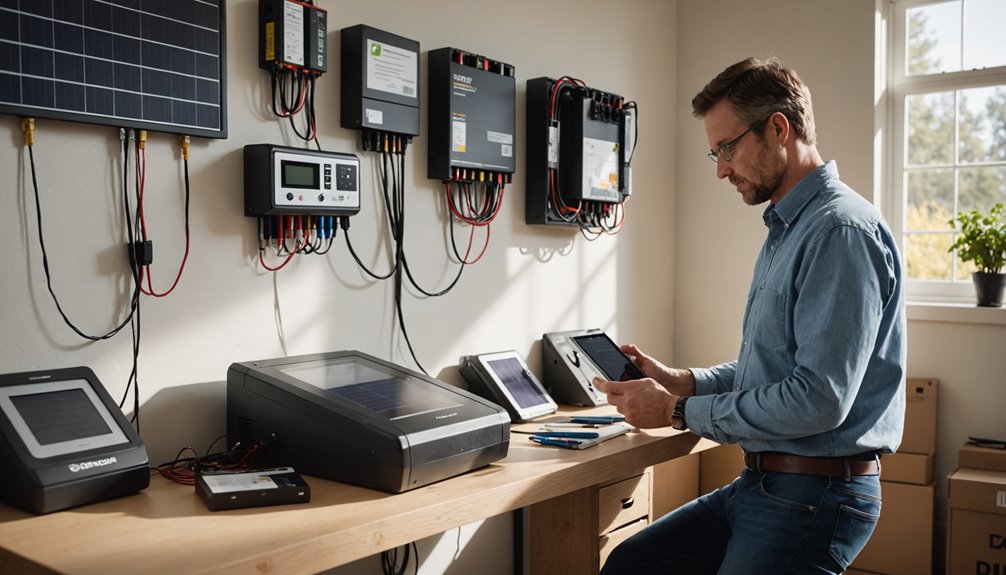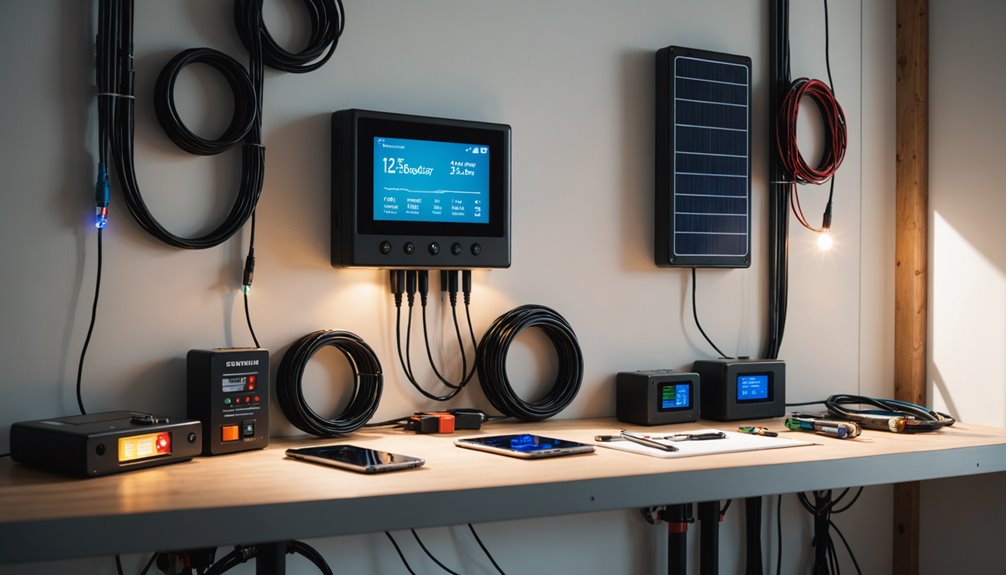
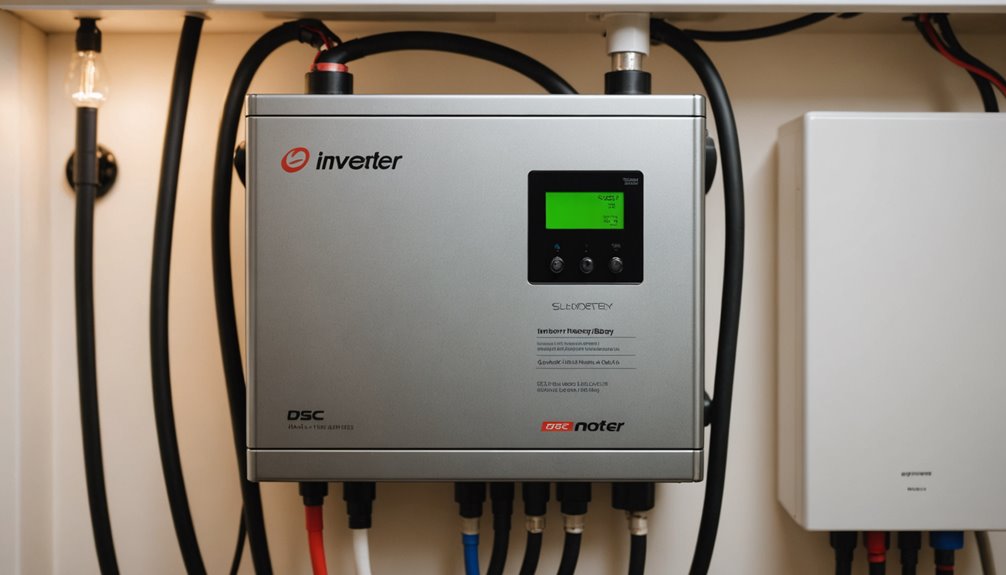
Selecting the correct inverter battery for a residential setup requires careful consideration of several technical factors.
Battery type, capacity sizing, and system compatibility each directly influence how well the battery performs and how long it lasts.
An incorrect choice in any of these areas can result in reduced efficiency, insufficient backup duration, or a shortened battery lifespan.
Key Takeaways
Inverter systems are designed to supply several hours of backup power to household appliances, whereas UPS systems are typically limited to 20–30 minutes of runtime, making them more suitable for sensitive electronics that require protection against sudden power interruptions rather than extended outages.
Battery capacity requirements can be calculated using the formula: Ah = (total load in watts × backup hours) ÷ voltage. An additional buffer of 10–20% is recommended to account for inefficiencies and variations in actual power consumption.
Lithium-ion batteries support 2,000–3,000 charge cycles and allow a discharge depth of 80–90%, which generally results in lower long-term costs compared to lead-acid batteries, despite a higher initial purchase price. Lead-acid batteries, by contrast, have shorter cycle lives and shallower recommended discharge depths, which affects their overall cost-efficiency over time.
When selecting a battery, several factors warrant careful evaluation: voltage compatibility with the existing inverter system, rated cycle life, warranty terms and conditions, applicable safety certifications, and the manufacturer’s documented reliability and service history.
Ongoing monitoring of voltage levels, operating temperature, and state of charge is a practical measure for preventing premature battery degradation. Maintaining these parameters within recommended ranges supports longer service life and reduces the risk of safety-related incidents in residential installations.
Inverter or UPS Battery: Which Setup Does Your Home Actually Need?
Choosing between an inverter and a UPS battery system depends on your household’s power requirements and the nature of outages in your area.
Inverter battery systems are designed for extended power outages, providing backup electricity for several hours depending on battery capacity. They are suited for running household appliances such as fans, lights, and refrigerators over longer periods.
UPS systems, by contrast, are designed primarily to protect electronics from sudden power interruptions, offering a short backup window of approximately 20 to 30 minutes. This limited duration is generally sufficient to save ongoing work or allow for a controlled shutdown of sensitive equipment, but it is not practical for extended outages.
From a cost perspective, UPS systems typically have a lower upfront price. However, frequent battery cycling can reduce performance over time, leading to increased replacement and maintenance costs. Inverter systems carry a higher initial investment but tend to offer more predictable long-term costs when managed properly.
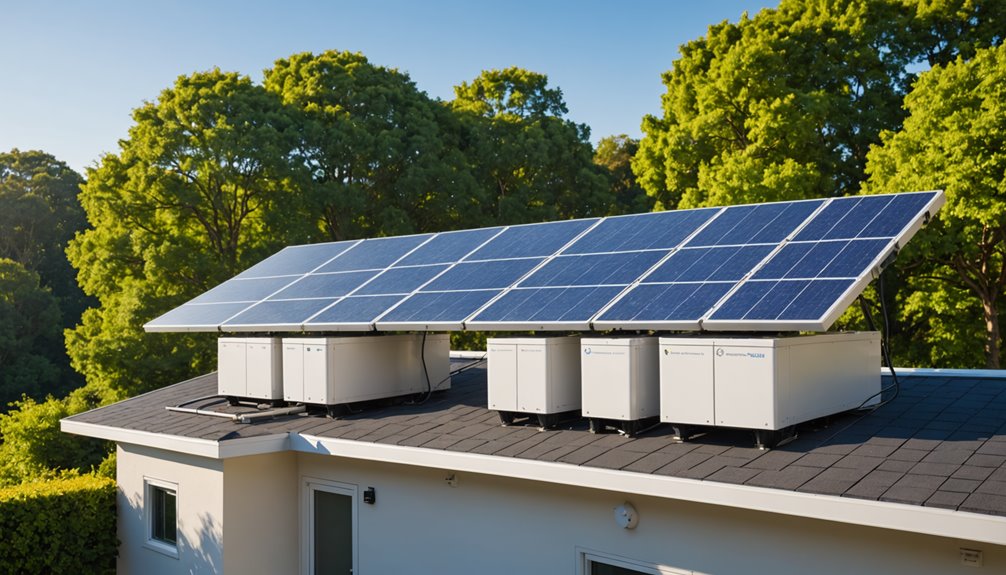
The appropriate choice depends on two primary factors: the frequency and duration of power outages in your location, and the types of devices you need to keep operational. For areas with prolonged or recurring outages, an inverter battery system is generally the more practical and cost-effective option. For environments where outages are brief and infrequent, a UPS system may be sufficient. For homeowners with solar panels, pairing an inverter battery with your existing setup can increase solar self-consumption rates from around 30 percent to over 80 percent, significantly reducing dependence on grid power.
Lead-Acid, Tubular, or Lithium-Ion: Which Inverter Battery Type Wins?
Choosing the right battery type for an inverter system involves evaluating trade-offs across cost, maintenance requirements, lifespan, and performance under specific usage conditions.
Lead-acid batteries carry the lowest upfront cost but have a relatively short lifespan, typically ranging from 3 to 5 years, and require regular maintenance such as water top-ups and terminal cleaning. Their depth of discharge is limited, generally around 50%, which reduces the amount of usable energy available per charge cycle.
Tubular batteries are a variant of lead-acid technology designed with reinforced positive plates, which improves their durability and cycle life compared to standard flat-plate lead-acid models. They perform more reliably under conditions involving frequent and deep discharge, making them a more practical option in areas with regular power outages. Their lifespan typically falls between 5 and 8 years with proper maintenance.
Lithium-ion batteries offer a depth of discharge of up to 80–90%, a longer cycle life often exceeding 2,000 to 3,000 cycles, and require no routine maintenance. These characteristics result in a lower cost per cycle over the battery’s operational life, despite the higher initial purchase price. They also charge faster and maintain more consistent performance across varying temperature conditions.
The appropriate choice depends on the user’s budget constraints, frequency of power outages, available maintenance capacity, and expected system lifespan. Lithium-ion batteries present a stronger long-term value proposition, while tubular batteries remain a practical option where upfront cost is a limiting factor.
What Size Inverter Battery Does Your Home Actually Need?
Determining the appropriate inverter battery size requires calculating the combined wattage of all appliances intended to run simultaneously. This total should include an additional 20–25% buffer to accommodate potential increases in energy consumption. The inverter capacity must then align with the battery’s ampere-hour rating.
A 24V, 100Ah battery holds 2.4 kWh of stored energy, though actual usable capacity depends on the battery chemistry. Lithium-ion batteries support a deeper depth of discharge compared to lead-acid batteries, meaning a greater proportion of their stored energy can be drawn without reducing battery lifespan. Lead-acid batteries, by contrast, typically require users to limit discharge to around 50% of total capacity to maintain long-term performance.
Confirming compatibility between the inverter’s specifications and the battery’s Ah rating is necessary to maintain system efficiency and prevent equipment damage. Mismatched components can result in energy losses, reduced battery life, or hardware failure over time.
What Ah Rating Do You Need for Your Target Backup Hours?
Determining the required Ah rating begins with calculating the expected load and desired backup duration. The standard formula is: Ah = (total load in watts × backup hours) ÷ battery voltage. A 400W load requiring five hours of backup on a 12V system, for instance, yields a minimum requirement of approximately 167Ah.
This figure, however, represents an ideal baseline. A 10–20% buffer should be added to account for real-world inefficiencies such as heat loss, wiring resistance, and inverter draw.
Battery chemistry further influences how that rated capacity translates into usable power. Lithium-ion batteries support deeper discharge depths, often 80–90% of their rated capacity, meaning a 167Ah lithium battery delivers closer to its stated value under load. Lead-acid batteries, by contrast, are typically limited to 50% depth of discharge to avoid accelerated degradation. Consequently, achieving the same effective backup hours with lead-acid chemistry requires a substantially higher Ah rating — roughly double in comparable scenarios.
Selecting the appropriate Ah rating therefore depends on three variables working in combination: the total system load, the required backup duration, and the discharge characteristics of the chosen battery type.
Warranty, Compatibility, and Quality Checks Before You Buy
When purchasing a battery, several technical and commercial factors warrant careful evaluation. Voltage compatibility between the battery and inverter specifications is a necessary consideration, as mismatches can reduce system efficiency. Cycle life ratings provide a measurable indicator of longevity, with ratings above 2,000 cycles generally associated with longer operational durability. Manufacturer track record is relevant when assessing the reliability of battery management systems and the availability of post-sale support. Warranty terms of five years or more reflect a degree of manufacturer confidence in product durability, though warranty conditions should be reviewed carefully for coverage limitations. Third-party certifications such as UL or IEC indicate that a product has been tested against established safety and performance standards, offering an objective basis for evaluating product quality beyond manufacturer claims.
Charging Habits and Placement That Protect Your Inverter Battery
Proper placement and charging practices are key factors in determining inverter battery lifespan. Batteries should be stored in cool, dry, and well-ventilated spaces, as inadequate airflow and elevated temperatures contribute to overheating and acid leakage over time.
Lead-acid batteries require periodic inspection of distilled water levels, since insufficient maintenance leads to measurable declines in capacity and output. Adhering to manufacturer-specified charging cycles is necessary to prevent overcharging, which degrades battery cells, and deep discharging, which can cause permanent damage to internal components.
A battery management system serves a functional role in monitoring voltage, temperature, and charge levels. By tracking these variables continuously, the system enables early identification of irregularities, allowing for corrective action before conditions deteriorate into more significant failures.
Conclusion
Selecting an appropriate inverter battery requires evaluating several technical factors, including power consumption requirements, battery chemistry, capacity ratings measured in ampere-hours, and compatibility with the existing inverter system. Proper installation conditions, such as adequate ventilation and correct charging parameters, directly affect battery performance and service life. Verifying relevant safety certifications ensures the product meets established standards for electrical and chemical safety. Applying these considerations systematically leads to a more informed purchasing decision and supports consistent backup power performance over the battery’s operational lifespan.