Selecting a home energy storage system requires evaluating several technical and financial factors. Key considerations include storage capacity, safety certifications, round-trip efficiency ratings, and warranty terms.
Each of these variables directly affects system performance and long-term value. A systematic approach to assessing these criteria helps avoid both unnecessary expenditure and underperformance during periods of high energy demand.
Key Takeaways
- Daily energy consumption should be measured and reviewed before selecting a battery capacity. Systems typically range from 3 kWh, suitable for powering essential loads only, to 20 kWh for households with higher overall demand.
- Safety certifications including UL, IEC, and CE indicate that a system has been tested against defined reliability and performance benchmarks. Confirming the presence of these certifications is a standard step in evaluating product quality.
- Round-trip efficiency measures the ratio of energy retrieved from storage relative to the energy originally stored. Systems with higher efficiency ratings result in less energy lost during charge and discharge cycles, which has a direct effect on operational cost over time.
- Inverter capacity must be sufficient to manage the combined peak startup load of appliances operating simultaneously. Inrush current, which occurs briefly when motors and compressors start, can exceed normal operating draw and should be factored into inverter sizing.
- Warranty documentation should be reviewed carefully, with attention given to the number of guaranteed charge cycles, capacity retention thresholds over time, and the availability of manufacturer support. These terms directly affect the long-term reliability and financial value of the system.
What Is a Home Energy Storage System?
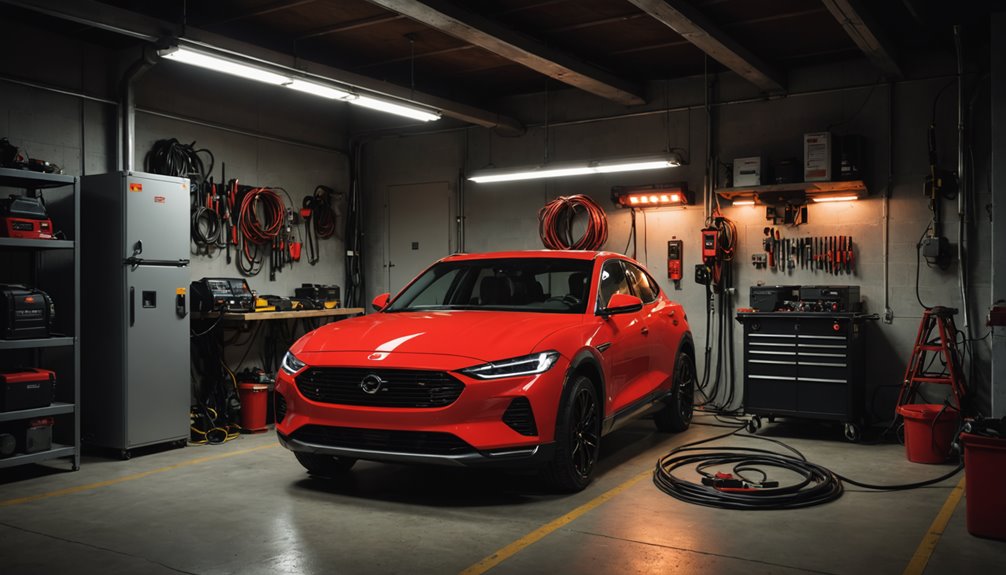
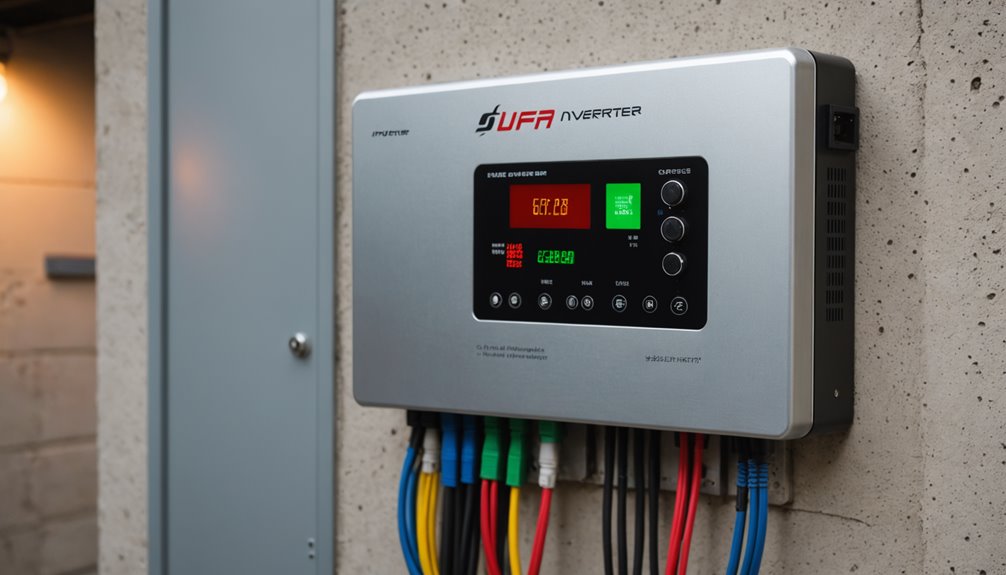
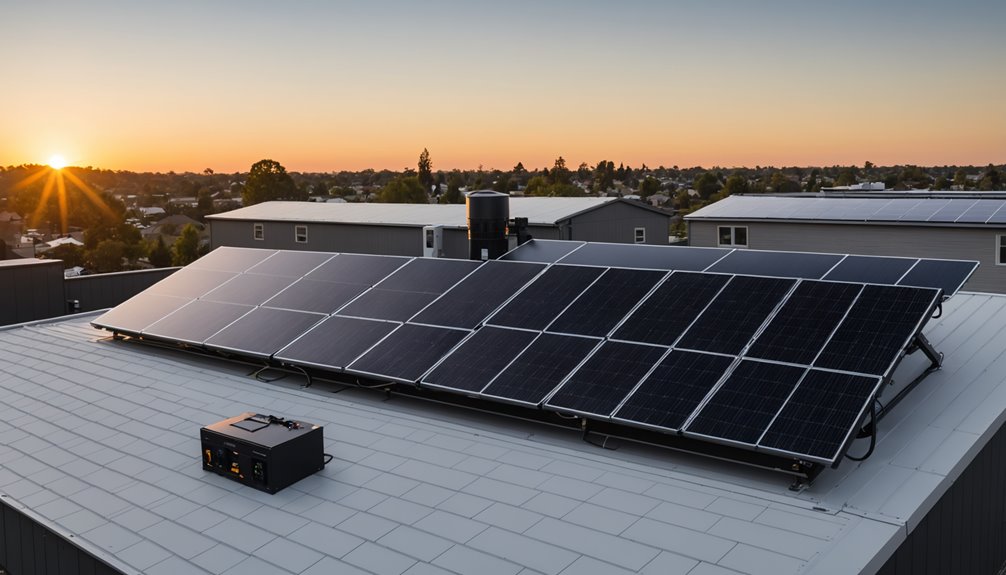
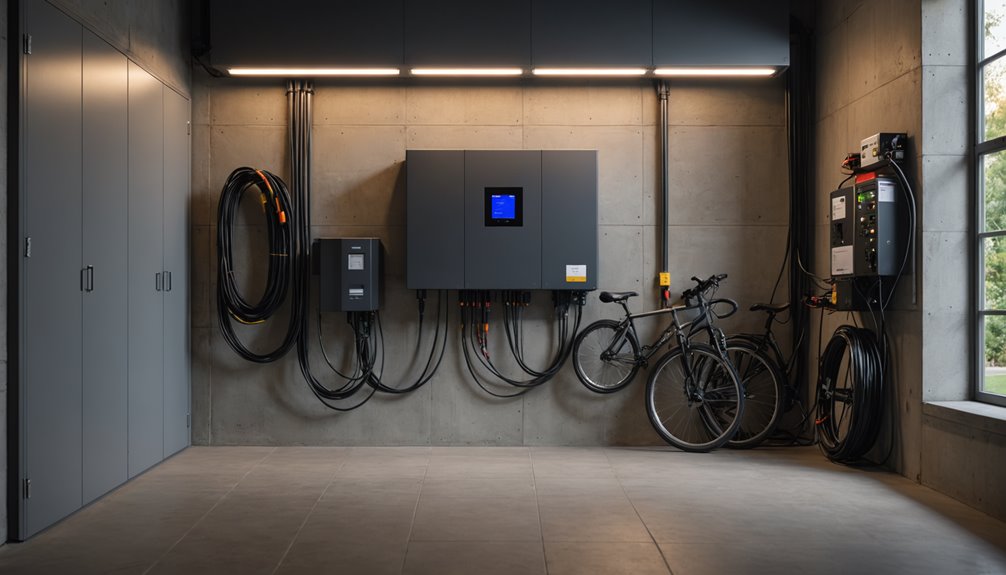
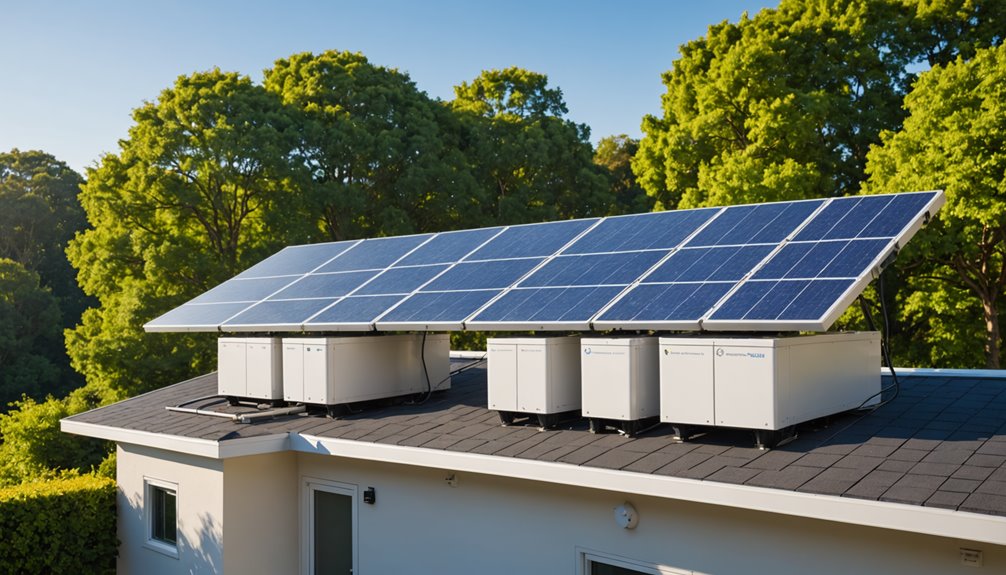
A home energy storage system (HESS) is a configuration that integrates photovoltaic (PV) panels, a hybrid inverter, and a battery system to store and manage electricity within a residential setting. The system captures surplus solar energy generated during daylight hours and stores it for use during nighttime or periods of elevated electricity pricing, contributing to improved energy efficiency. Lithium iron phosphate (LFP) batteries are commonly used in these systems due to their established safety profile and operational lifespan. HESS configurations are compatible with both grid-connected and off-grid setups, and most systems are designed to provide backup power within milliseconds in the event of a grid outage. An integrated energy management system allows homeowners to monitor and regulate solar power consumption, which can result in reduced electricity costs and a greater degree of energy independence. For solar-equipped homes, pairing a battery system can increase self-consumption rates from approximately 30% to over 80%, significantly reducing dependence on grid-supplied electricity.
Why More Homeowners Are Investing in Battery Storage
Battery storage adoption among homeowners has grown steadily in recent years, driven by several practical and economic factors. Time-of-use electricity pricing, which charges higher rates during peak demand periods, creates a financial incentive for households to store energy when rates are low and draw from reserves when rates are high. This can result in measurable reductions in monthly electricity costs, though the degree of savings depends on local utility rate structures and individual consumption patterns.
Grid reliability is another factor influencing adoption. Power outages, whether caused by severe weather or infrastructure limitations, can disrupt essential household functions. Battery systems provide a backup power source that maintains operation of critical appliances during these interruptions, reducing dependence on the utility grid in periods of instability.
For homeowners with solar panels, battery storage addresses a common limitation of standard grid-tied systems. Without storage, excess solar generation is typically exported to the grid, often at compensation rates lower than the retail price of electricity. Storing that surplus energy for later use increases the proportion of self-generated power consumed on-site, which can improve the overall return on a solar investment over time.
Integration with energy management systems allows homeowners to monitor and adjust consumption based on real-time data, further optimizing how stored energy is used. While battery storage does require a significant upfront investment, declining equipment costs and available incentive programs in many regions have made the economics more accessible for a broader range of households.
Which Type of Home Energy Storage System Is Right for You?
Selecting a home energy storage system requires evaluating several household-specific factors. Daily energy consumption should be measured first, as battery capacity options typically range from 3 kWh to 20 kWh or more, and matching capacity to actual usage prevents both underperformance and unnecessary expenditure.
Lithium-ion batteries generally demonstrate longer operational lifespans and higher charge-discharge efficiency compared to lead-acid alternatives, making them a more practical option for most residential applications. For households incorporating solar panels, DC-coupled systems offer greater energy efficiency by minimizing conversion losses, while AC-coupled systems are better suited for retrofitting into existing installations.
Unlike conventional backup generators, battery storage systems with smart management capabilities allow users to program charging cycles during off-peak electricity rate periods, which can reduce long-term energy costs. Remote monitoring and control functions add operational flexibility.
Safety certifications, specifically UL or IEC standards, should be verified before purchase. These certifications indicate that the system has been tested against risks such as thermal runaway, which can result from battery overheating or electrical faults. Certified systems provide a more reliable basis for long-term residential use.
How Much Battery Capacity Does Your Home Actually Need?
Determining the appropriate battery capacity for a residential energy storage system requires an assessment of actual household energy consumption. A reliable starting point is dividing the kilowatt-hours (kWh) used during your highest monthly billing period by 30, which yields an average daily consumption figure.
Capacity requirements generally fall into three ranges. Households seeking to power only essential loads during brief outages — such as lighting, a refrigerator, and basic electronics — typically require between 3 and 5 kWh. A mid-range system of 6 to 10 kWh can support multiple appliances over several hours. Homes with higher demand loads, including HVAC systems or electric vehicle charging, generally require 10 to 20 kWh or more to maintain normal operation.
Beyond daily consumption, outage duration is a critical planning variable. A storage system sized for 3 to 5 days of autonomy provides a reasonable buffer for sustaining critical functions during extended grid disruptions. This figure accounts for variability in solar generation, if applicable, and fluctuating household demand. Undersizing a system may leave critical loads unsupported, while oversizing increases upfront costs without a proportional benefit. Accurate load assessments, conducted through utility billing data or energy monitoring tools, produce the most reliable basis for capacity decisions.
How to Match Your Battery to Your Appliances
Matching a battery to household appliances requires evaluating two primary electrical measurements: continuous power draw and peak startup demand. Motor-driven appliances such as refrigerators and HVAC systems produce an inrush current during startup that can temporarily double or triple their rated wattage. A properly sized battery system must account for both the sustained operational load and these transient surge requirements.
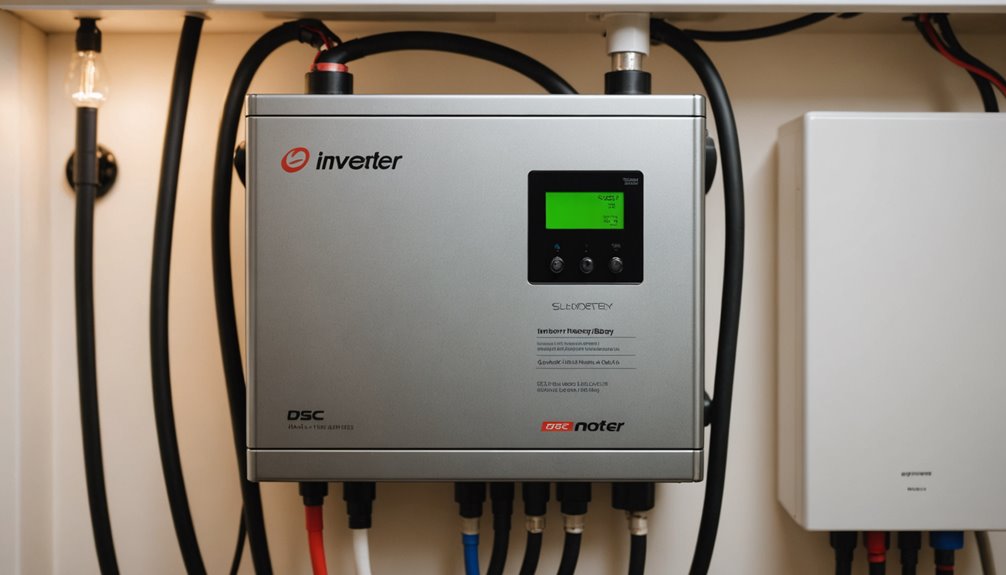
Battery capacity is calculated by multiplying average daily energy consumption, measured in watt-hours, by the number of hours of backup power needed. The battery’s inverter must also be rated to handle the combined peak load of all appliances that may run simultaneously.
Round-trip efficiency, which measures how much stored energy is recovered during discharge, directly affects usable capacity. Lithium-based batteries generally offer higher round-trip efficiency compared to lead-acid alternatives, meaning less energy is lost between storage and use.
Battery management systems monitor voltage, current, and temperature in real time to prevent overloading and protect battery longevity. These systems regulate discharge rates and can prioritize power distribution across connected appliances during periods of limited capacity. Proper system sizing based on measured load data, rather than estimates, reduces the risk of underperformance during grid outages.
Key Features, Safety Certifications, and Specs That Actually Matter
Selecting a battery storage system requires careful evaluation of technical specifications and third-party certifications, as marketing language on product sheets does not always correspond to real-world performance.
Battery capacity, measured in kilowatt-hours, and power output, measured in kilowatts, are the foundational specifications to assess. Capacity determines how long a system can sustain a load, while power output determines which appliances can operate simultaneously. Both figures should be cross-referenced against actual household or facility consumption data rather than estimated averages.
Safety certifications from recognized bodies—including UL (Underwriters Laboratories), IEC (International Electrotechnical Commission), and CE (Conformité Européenne)—indicate that a product has been tested against defined safety and performance standards. These certifications also confirm the presence of a functional battery management system, which regulates charge cycles, temperature, and fault conditions. Absence of these certifications warrants closer scrutiny.
Round-trip efficiency ratings, which describe the percentage of stored energy available for use after accounting for conversion losses, directly affect the economic performance of a system over time. Higher efficiency reduces waste and improves cost recovery.
Monitoring and control features—such as energy management applications, scheduled charging functions, and remote access—affect the practical usability of a system and can support more informed consumption decisions.
Warranty terms and manufacturer support infrastructure provide some indication of product reliability expectations and the level of recourse available if performance falls below specifications.
What Should You Check Before Buying a Home Battery System?
When purchasing a home battery system, several key factors warrant careful evaluation.
Begin by assessing your average daily energy consumption in kilowatt-hours, as this figure determines the appropriate battery capacity for your household’s essential loads. Undersizing a battery system leads to insufficient backup power, while oversizing results in unnecessary expenditure.
Battery chemistry is a technical consideration with practical implications. Lithium iron phosphate (LFP) batteries generally offer longer cycle life and lower thermal runaway risk compared to other lithium-ion variants, making them a commonly recommended option for residential use.
System compatibility requires verification on two fronts. Confirm whether the battery integrates with your existing solar installation and whether it supports AC-coupled or DC-coupled configurations, as this affects installation complexity and overall system efficiency.
Power output, measured in kilowatts, determines how many appliances the system can operate simultaneously. This figure should be compared against the combined wattage of the devices you intend to run during an outage or off-grid operation.
Manufacturer credibility can be partially assessed through third-party safety certifications such as UL 9540, IEC 62619, or CE marking, which indicate the product has undergone standardized testing. Warranty terms, including the number of guaranteed charge cycles and capacity retention thresholds, provide additional insight into the manufacturer’s confidence in long-term product performance.
Conclusion
Selecting the right home energy storage solution requires a systematic evaluation of several key factors. Battery capacity should align with actual household energy consumption, which can be determined by reviewing utility bills and identifying peak usage periods. Compatibility with existing appliances and electrical systems is a technical consideration that warrants professional assessment before purchase.
Safety certifications from recognized bodies such as UL or IEC provide measurable assurance that a system meets established performance and safety standards. Warranty terms vary significantly across manufacturers and should be examined carefully, with particular attention to coverage duration, capacity retention guarantees, and the conditions under which claims are valid.
A thorough comparison of available systems should account for upfront costs, installation requirements, expected cycle life, and long-term maintenance needs. These variables directly influence the total cost of ownership and the overall return on investment over the system’s lifespan. Making an informed decision based on documented energy needs and verified product specifications is the most reliable approach to selecting a storage solution suited to a specific household’s requirements.