Home battery systems require active management to operate at peak efficiency.
Without proper oversight, factors such as temperature fluctuations, suboptimal charging cycles, and incorrect depth-of-discharge settings can gradually reduce both storage capacity and overall system lifespan.
Understanding these variables and addressing them systematically is the most reliable approach to improving long-term performance.
Key Takeaways
- Maintaining a Depth of Discharge between 20–80% reduces electrochemical stress on battery cells, which contributes to a longer overall cycle life.
- Storing and operating batteries in temperature-controlled environments at 20°C–25°C helps sustain performance levels and limits capacity degradation associated with thermal fluctuations.
- A Battery Management System serves a functional role in monitoring cell voltages, maintaining cell balance, and enforcing operational limits during both charging and discharging phases.
- Scheduling charging cycles to coincide with peak solar production periods, combined with demand-side management practices, can reduce dependence on grid power and lower associated energy costs.
- Regular inspections for corrosion and loose connections, alongside consistent monitoring of Round Trip Efficiency, allow for early identification of performance issues before they escalate.
Why Most Home Batteries Underperform Their Potential
Home batteries frequently operate below their rated capacity due to a combination of technical and operational factors. Improper system sizing is a common issue—undersized batteries undergo deeper discharge cycles, which accelerates capacity degradation over time. Regular maintenance, including terminal inspection for corrosion and temperature monitoring, plays a measurable role in sustaining performance levels.
The absence of smart energy management systems, such as hybrid inverters, can result in inefficient charge and discharge cycles, reducing the overall effectiveness of stored energy. Temperature is another significant variable; research indicates that operating outside optimal temperature ranges can reduce battery output by a substantial margin. Additionally, without demand-side management strategies, households may draw from the grid during peak tariff periods even when battery storage is available, increasing costs and reducing the practical value of the system.
These performance gaps are largely addressable through proper system design, routine maintenance, and informed energy management practices. For solar-equipped households, optimizing battery operation can increase self-consumption rates from 30% to over 80%, significantly reducing dependence on grid-supplied electricity.
The Efficiency Metrics That Actually Predict Performance
Evaluating a home battery system requires attention to several technical metrics that reflect real-world performance more accurately than manufacturer specifications.
Round Trip Efficiency measures the ratio of energy recovered from storage relative to energy input. High-quality LiFePO₄ batteries typically achieve efficiency ratings above 92%, meaning a measurable portion of stored energy is lost in each charge-discharge cycle.
Depth of Discharge refers to the percentage of total capacity used during operation. Operating a battery at approximately 80% depth of discharge, rather than full capacity, reduces stress on cells and extends overall cycle life.
The Battery Management System (BMS) is a control mechanism that regulates multiple operational parameters, including temperature, charge and discharge rates (C-rates), and self-discharge behavior. These functions are important for maintaining consistent performance over the system’s lifespan.
Self-discharge is a relevant consideration for lithium-ion chemistries, which lose approximately 2–5% of stored charge per month during idle periods. BMS controls help minimize losses beyond this baseline rate.
Operating temperature has a documented effect on battery performance and longevity. Maintaining temperatures within the 20°C–25°C range supports stable electrochemical activity and reduces degradation over time. Operating outside this range, particularly at temperature extremes, can measurably reduce both capacity and cycle life.
How Temperature Damages Home Battery Performance
Temperature is a significant factor influencing home battery performance, with effects observed at both high and low extremes. In cold conditions below 0°C, lithium-ion batteries typically experience a 20–30% reduction in usable capacity. At more severe temperatures, battery management systems may activate protection protocols that suspend charging and discharging functions entirely. Elevated temperatures present a separate concern: heat accelerates internal electrochemical reactions, which increases internal resistance and leads to measurable, permanent capacity loss over time. Optimal operating conditions for most lithium-ion home batteries fall within the 20°C to 25°C range, where electrochemical efficiency is highest and degradation rates are lowest. To mitigate temperature-related performance losses, batteries should be installed or stored in insulated environments, and supplemental measures such as thermal insulation wraps may be considered in climates with prolonged cold periods.
How a Battery Management System Protects Capacity and Lifespan
A Battery Management System (BMS) monitors individual cell voltages to maintain them within defined operational limits. It prevents overcharging and deep discharging, both of which contribute to capacity degradation and reduced battery lifespan. By regulating Depth of Discharge and maintaining it above 20%, the BMS limits accelerated electrochemical aging. Cell balancing functions distribute charge levels evenly across all cells, reducing the likelihood of premature failure caused by imbalances. Real-time diagnostics track State of Charge and Round Trip Efficiency, providing data that supports scheduled maintenance decisions. These functions collectively contribute to consistent battery performance and extended operational life compared to unmanaged battery systems.
Charge Smarter: Home Battery DoD and C-Rate Explained
Depth of Discharge (DoD) and C-rate are two technical parameters that significantly influence the performance and longevity of home battery systems.
DoD refers to the percentage of a battery’s total capacity that has been used. Research and manufacturer data consistently indicate that limiting DoD to a range of approximately 20–80% reduces electrochemical stress on battery cells, slowing capacity degradation over time. Regularly discharging below this threshold accelerates wear, resulting in a measurably shorter usable lifespan.
The C-rate describes the speed at which a battery is charged or discharged relative to its total capacity. A C-rate of 1C means the battery completes a full charge or discharge cycle in one hour. Higher C-rates increase thermal output and internal stress on battery components. Sustained operation at elevated C-rates is associated with faster capacity loss and, in some chemistries, elevated safety risks.
Managing both parameters within recommended ranges is a practical approach to maintaining battery efficiency and extending operational lifespan. Most modern home battery systems include built-in battery management systems (BMS) that enforce these limits automatically, though users operating hybrid or custom setups may need to configure these boundaries manually. Consulting manufacturer specifications for DoD and C-rate tolerances is advisable, as acceptable ranges vary across battery chemistries, including lithium iron phosphate (LFP) and nickel manganese cobalt (NMC).
How Hybrid Inverters Maximize Home Battery Output
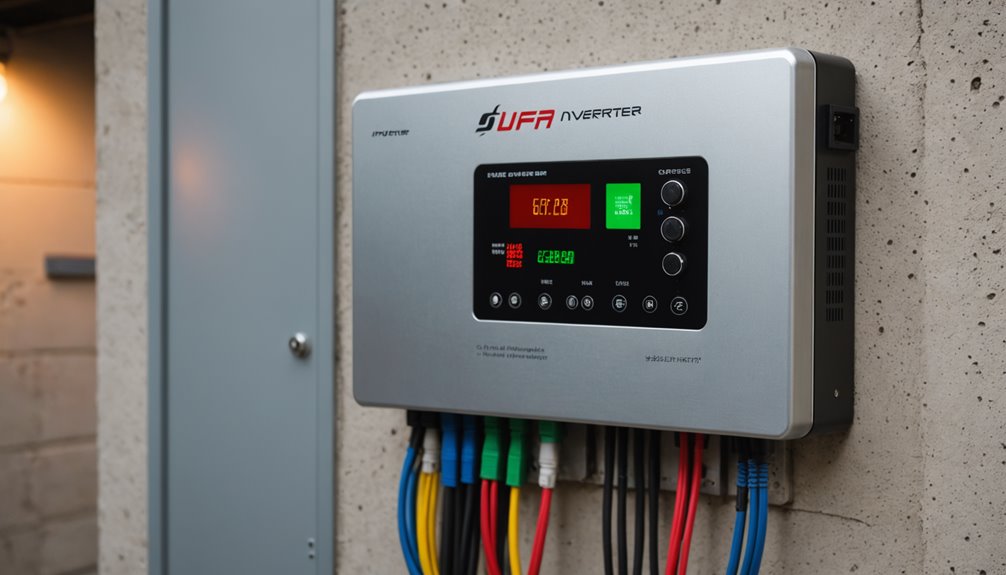
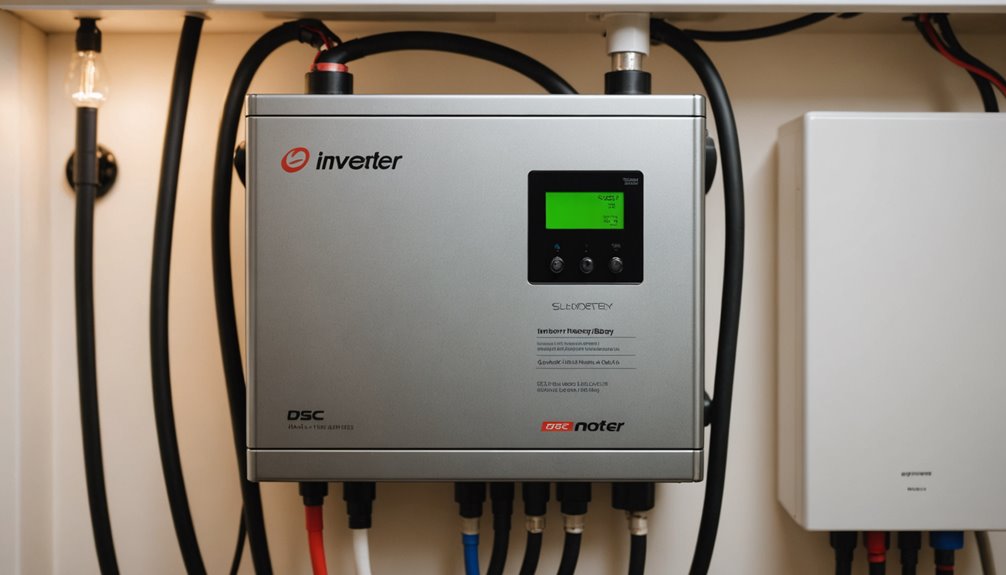
Managing DoD and C-rate effectively depends not just on the battery itself, but on the system controlling how energy flows in and out of it. Hybrid inverters serve that function by coordinating power between solar panels, batteries, and the grid in real time. They determine when to charge or discharge based on measured production and consumption data, which supports consistent battery performance and reduces operational stress. This approach to energy management keeps the battery within its specified operating parameters, contributes to longer cycle life, and maintains reliable output across the home energy system.
Pairing Solar With Your Home Battery for Peak Efficiency
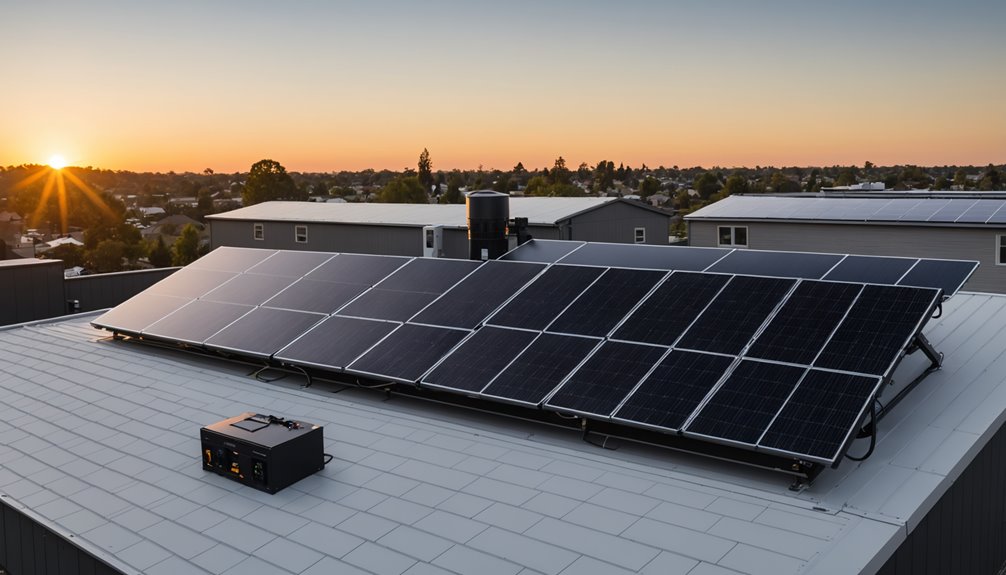
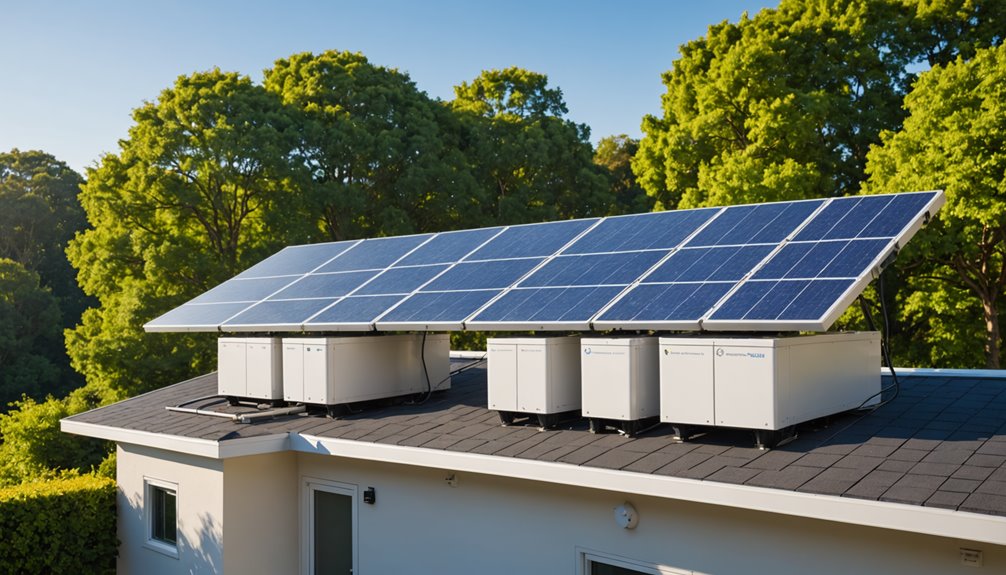
Pairing solar panels with a home battery allows excess energy generated during daylight hours to be stored for use during peak evening demand or power outages, rather than exported to the grid. Depending on system configuration and consumption patterns, a home battery can retain a substantial portion of daily solar production, reducing dependence on grid-supplied electricity.
Hybrid inverters play a functional role in this setup by directing surplus energy to storage before drawing from the grid, which helps minimize unnecessary charge and discharge cycles. Reducing these cycles is relevant to battery longevity, as frequent or irregular cycling can contribute to capacity degradation over time.
Panel orientation also influences system performance. Adjusting tilt angles, typically within a range suited to the installation’s latitude, can improve solar yield during winter months when the sun sits lower in the sky. This adjustment helps maintain more consistent battery charge levels during periods of reduced solar irradiance.
The overall effectiveness of a solar-plus-storage system depends on several interacting variables, including local climate, household energy consumption, battery chemistry, and inverter specifications. When these factors are properly accounted for during system design, the combination of solar generation and battery storage can provide a more stable and efficient energy supply throughout the year.
Charging Habits That Extend Your Home Battery’s Lifespan
Charging practices have a measurable effect on home battery longevity. Maintaining a Depth of Discharge within the 20-80% range reduces the electrochemical stress placed on battery cells during charge and discharge cycles. Frequent deep discharges accelerate capacity degradation over time, which shortens the functional lifespan of the battery.
Delaying full charges to 100% through optimized charging settings is a documented method for reducing cell strain, as lithium-based batteries experience increased stress at maximum charge states. Aligning charging schedules with peak solar production hours reduces reliance on grid power and can lower energy costs, depending on local utility rate structures.
Battery temperature has a direct influence on performance and degradation rates. Operating within the 20°C to 25°C range supports efficient electrochemical activity and limits thermal stress. Sustained exposure to temperatures outside this range can accelerate capacity loss and reduce overall battery health.
Smart energy management systems offer automated control over charging schedules by integrating data on household energy demand and solar output. This removes the need for manual adjustments and helps maintain consistent adherence to recommended charging parameters. The practical benefit is a more predictable charging cycle that supports longer battery service life.
Monitor Your System Before Problems Cost You Money
Regular monitoring of a battery system’s state of charge allows for early identification of performance issues before they result in significant costs. Dedicated software can be used to track key performance metrics, including Round Trip Efficiency, which provides measurable data on energy loss within the system. Sudden drops in these metrics typically indicate underlying issues that require prompt attention.
Tracking energy consumption patterns enables more effective storage of excess solar energy and can reduce reliance on grid power during peak demand periods. Maintaining operating temperatures within the 20°C to 25°C range is documented to help preserve battery capacity over time, as temperatures outside this range contribute to accelerated degradation.
Routine physical inspections should include checking terminals for corrosion and verifying that all connections are secure. Both corrosion and loose connections reduce system efficiency incrementally and may go undetected without scheduled checks. Consistent maintenance practices lower the likelihood of costly repairs and reduce the risk of unplanned system failures.
How Grid Programs Turn Your Battery Into a Revenue Source
Home battery systems can serve a dual purpose: reducing electricity costs and generating income through participation in grid programs. Demand response programs allow homeowners to receive financial compensation from utilities in exchange for discharging stored energy back to the grid during periods of peak demand. Compensation structures vary by region and utility provider, typically taking the form of monthly bill credits or direct payments.
Virtual power plant (VPP) programs represent another available option in select markets, where individual home batteries are aggregated into a coordinated network to help utilities manage grid stability and balance supply with demand. Participation requirements and payment structures differ across programs and locations.
Automated energy management software is commonly used to coordinate battery participation in these programs, scheduling discharge cycles to align with grid needs while maintaining sufficient energy reserves for household consumption. The financial returns from these programs depend on factors including local utility policies, regional energy markets, participation frequency, and battery capacity. Homeowners considering enrollment should review program terms carefully to understand obligations, compensation rates, and any potential limitations on battery availability for personal use.
Conclusion
Implementing the strategies outlined above can meaningfully improve the performance and longevity of a home battery system. Monitoring key metrics, maintaining appropriate temperature conditions, managing depth of discharge, and aligning charging cycles with solar production are all practices supported by battery management research. Each of these measures contributes to reducing degradation over time and can lower overall energy costs. Grid participation programs, where available, offer an additional mechanism through which homeowners may offset system costs or generate modest returns. The extent of these benefits will vary depending on system specifications, local utility programs, and usage patterns.