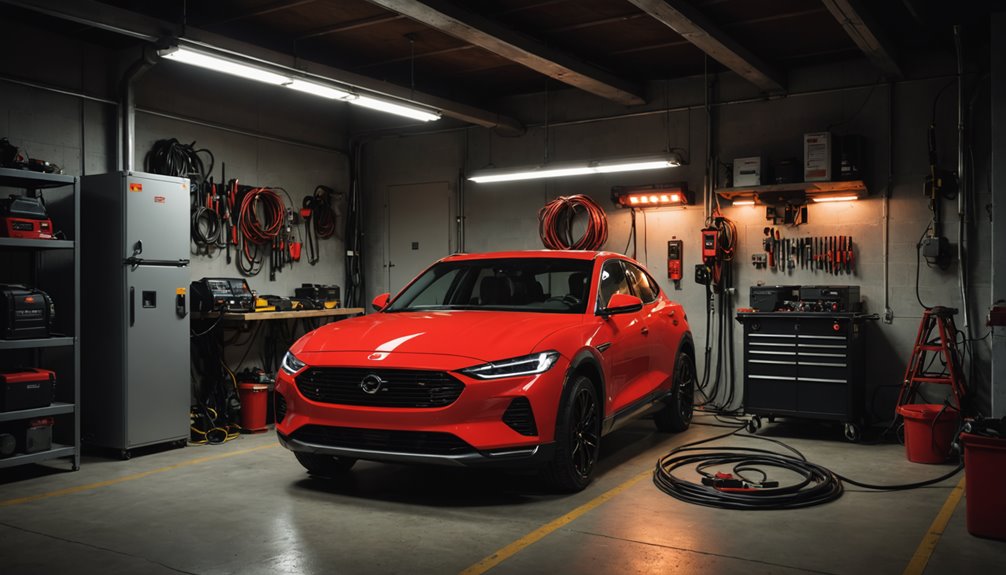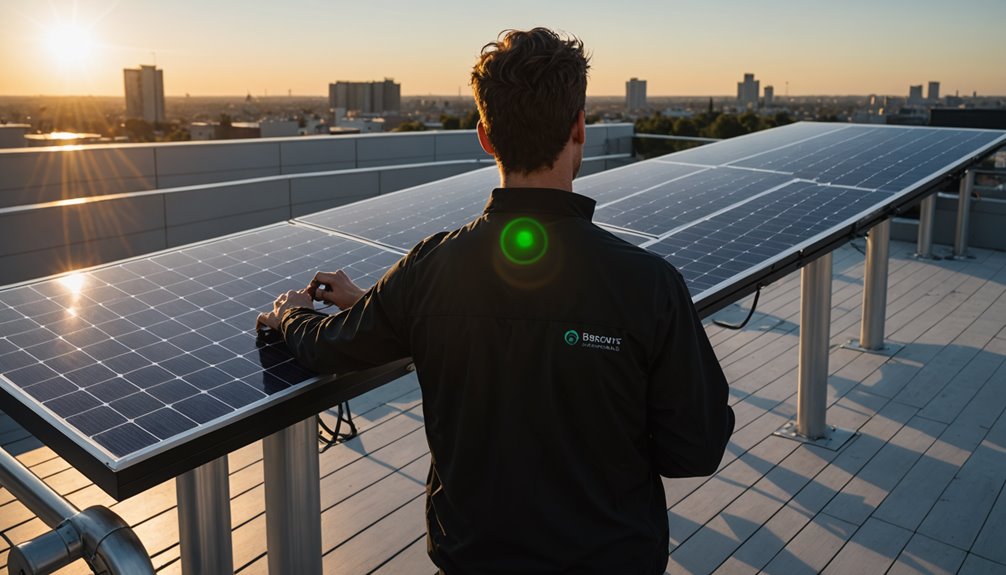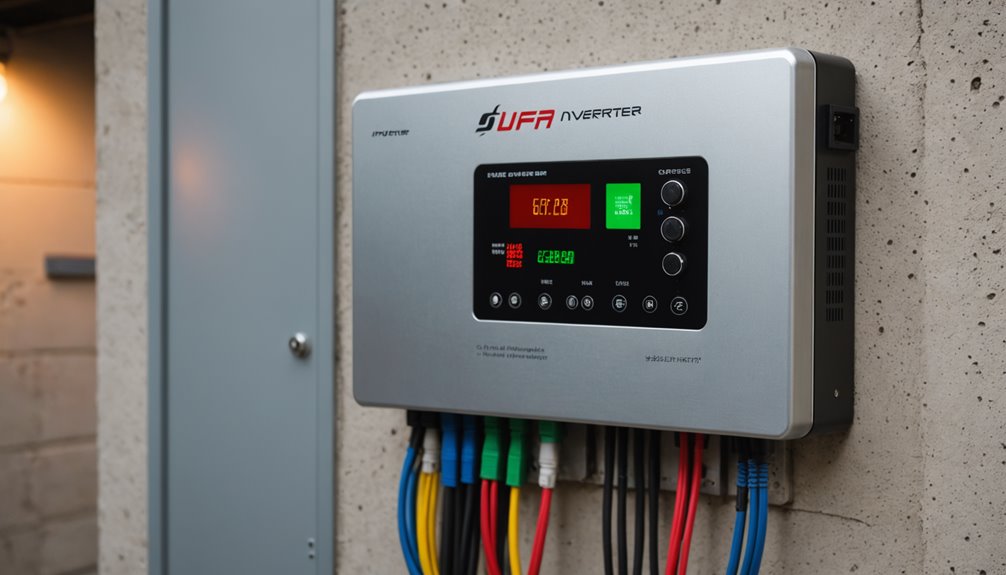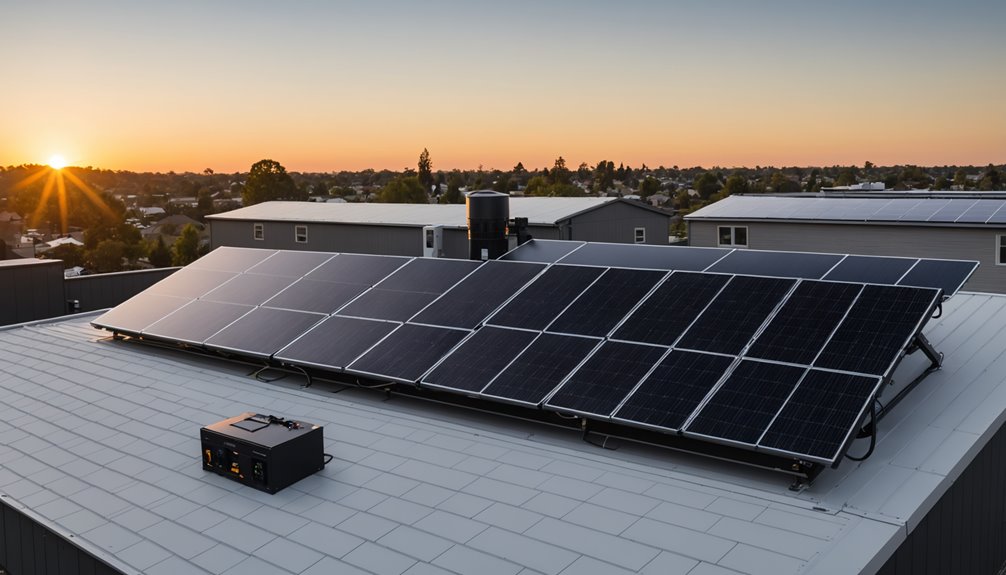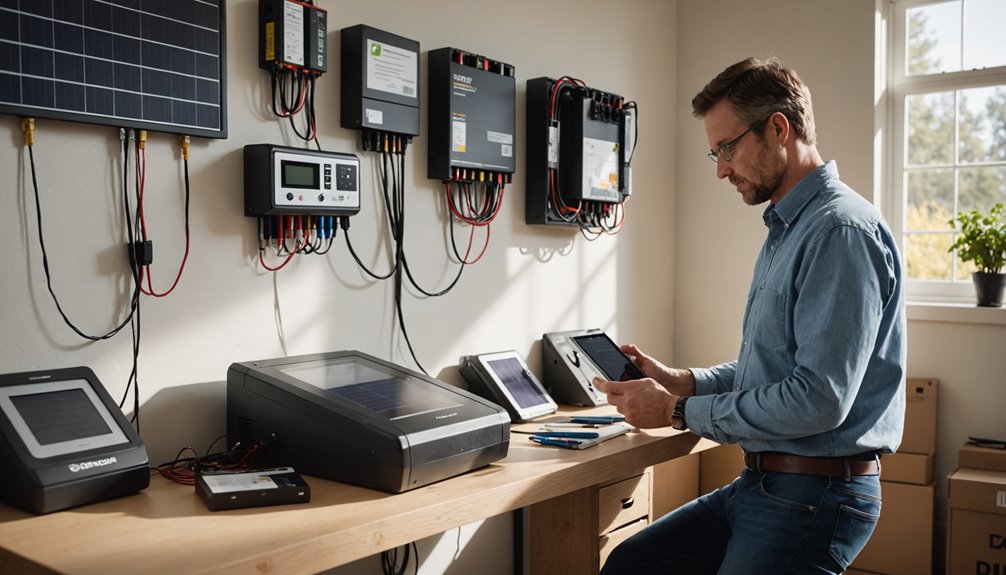
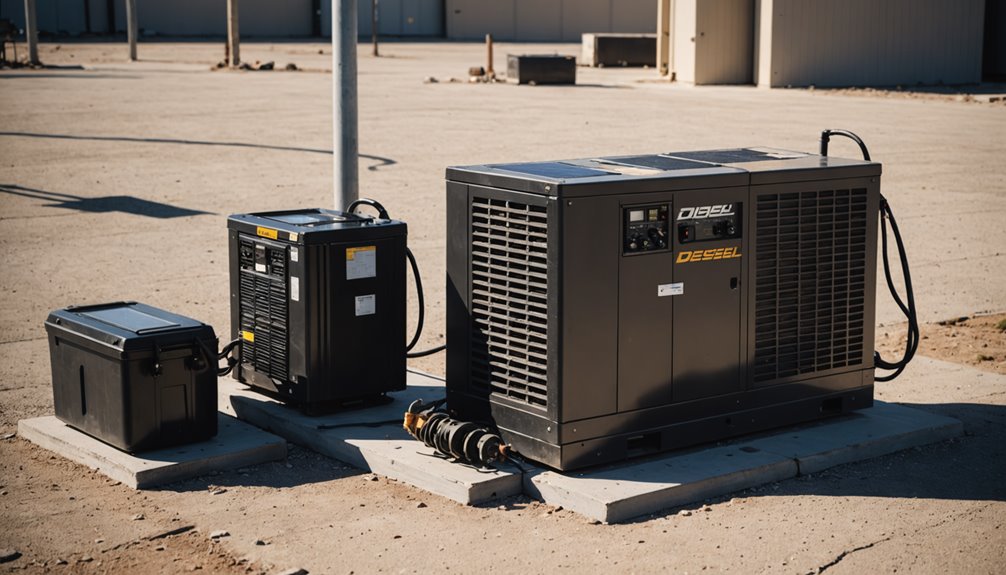
When the power goes out, two primary backup options exist: traditional fuel-powered generators and solar battery storage systems.
Each operates on a distinct mechanism, carries different cost structures, and suits different household requirements.
Selecting the wrong option can result in unnecessary expenditure or operational limitations.
Understanding the core differences between the two is essential before making a purchasing decision.
Key Takeaways
Backup generators typically require an upfront investment of $3,000–$5,000, though total costs over a 10-year period can surpass $12,000 when accounting for ongoing fuel and maintenance expenses. Solar battery storage systems carry higher initial costs, but federal tax credits can reduce the net expenditure to approximately $7,000–$10,500.
In terms of performance during power outages, solar battery systems restore power within milliseconds, while generators require a startup period that results in brief interruptions to power supply. Generators are generally better suited to handling high-demand loads such as central air conditioning and well pumps, whereas solar battery systems are more appropriately matched to moderate energy consumption needs.
From an environmental and operational standpoint, generators produce CO2 emissions and generate noise levels ranging from 50–80 decibels during operation. Solar battery systems produce no direct emissions and operate silently, which may be a relevant consideration depending on local regulations or residential proximity to neighbors.
The practical choice between these two systems depends on several factors, including energy consumption requirements, budget constraints, local utility incentives, and environmental priorities. Each option presents measurable trade-offs in cost structure, operational capability, and environmental impact that warrant careful evaluation before a purchasing decision is made.
Generator vs. Solar Battery: How Each System Actually Works
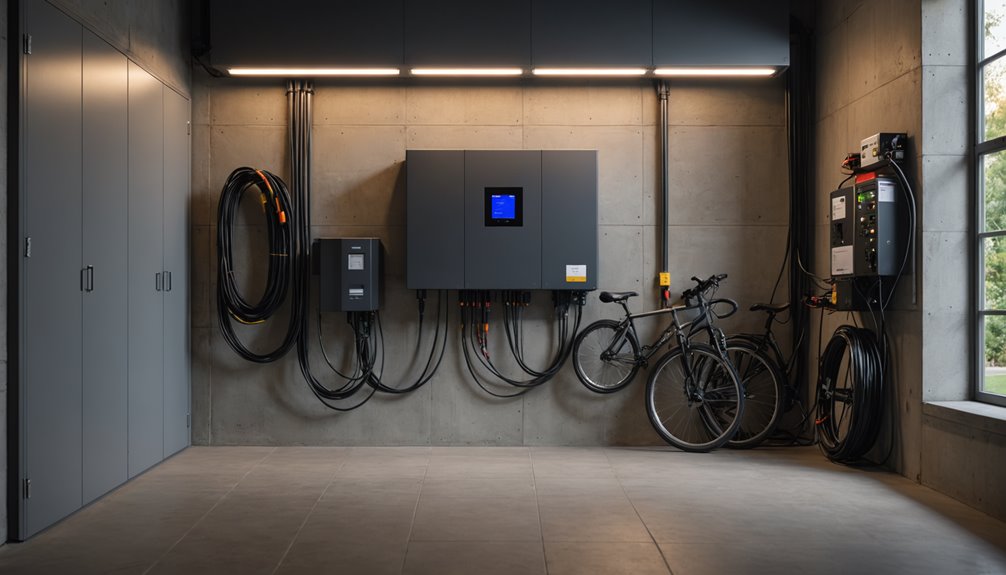
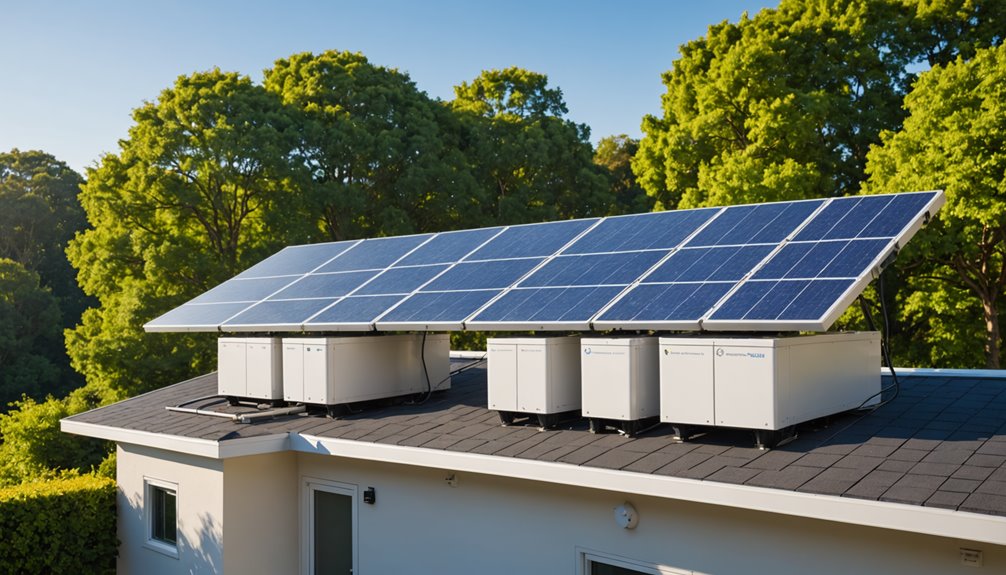
When the power goes out, the method by which a backup system restores electricity depends on its underlying technology. Backup generators combust fossil fuels to produce electricity, which requires a consistent fuel supply and routine maintenance to remain functional. Solar battery storage systems collect and store energy from solar panels, drawing on those reserves during power outages. Generators typically take several seconds to minutes to reach full operational output and produce exhaust emissions as a byproduct of combustion. Solar battery systems generally transition to backup power within milliseconds to seconds, operate without noise or emissions, and require comparatively less ongoing maintenance. Solar battery storage can increase a home’s solar self-consumption rate from around 30% to over 80%, significantly reducing dependence on the grid. Each system carries distinct operational characteristics, costs, and environmental considerations that are worth evaluating when selecting a backup power solution suited to a household’s specific requirements.
How Generators and Solar Batteries Respond When the Grid Goes Down
During a power outage, backup systems differ in how quickly they respond and how effectively they sustain power. Solar battery storage typically switches to backup power within milliseconds to a few seconds, providing a seamless transition for connected appliances. Generators generally require a startup period of several seconds to minutes, depending on whether they are manually or automatically activated, resulting in a brief interruption to power supply.
In terms of capacity, battery systems can power essential loads such as lighting, refrigeration, and medical devices for hours, with duration depending on battery size and energy consumption. When paired with functioning solar panels, the system can recharge during daylight hours, potentially extending backup power across multiple days. Generators can operate continuously as long as fuel is available, though fuel supply may become a limiting factor during prolonged outages.
From an environmental and operational standpoint, battery storage systems produce no direct emissions and operate quietly. Generators running on gasoline, diesel, or propane emit exhaust fumes and produce significant noise, which may be a consideration in residential settings or areas with local ordinances.
The most suitable backup option depends on several factors, including the duration and frequency of local outages, household energy demands, available budget, and environmental priorities. Both systems have practical applications, and in some cases, a combined approach may offer greater resilience than either solution alone.
When a Backup Generator Makes More Sense
For some homeowners, a backup generator may be the more practical choice depending on their specific circumstances. In regions with extended outages or limited winter sunlight, generators provide a consistent power source that does not rely on solar recharge cycles. Their upfront cost, typically ranging from $3,000 to $5,000, is generally lower than comparable solar battery systems, making emergency power more accessible in the short term. Generators are also capable of producing 10 to 24 kW of power output, which is sufficient to run large appliances and HVAC systems during prolonged grid outages. However, ongoing fuel and maintenance costs should be factored into the long-term expense of ownership. For households that require sustained, high-demand power during extended outages, a backup generator represents a functional and established option worth considering.
When Solar Battery Storage Makes More Financial Sense
Solar battery storage systems tend to offer stronger long-term financial value compared to backup generators, despite higher upfront costs. Federal tax credits can reduce initial expenses to approximately $7,000–$10,500, and ongoing savings accumulate through reduced electric bills and lower maintenance requirements. Generators that rely on fossil fuels carry recurring fuel costs and more frequent maintenance needs, which affect their long-term cost-effectiveness. Solar battery systems also support energy management strategies such as load shifting and time-of-use optimization, which can further reduce electricity expenses. Some utilities and programs allow battery owners to participate in virtual power plant arrangements, providing an additional potential revenue stream. Across a typical lifespan of 10–20 years, solar battery storage systems can present a more financially sound option depending on local electricity rates, available incentives, and individual energy consumption patterns.
Generator vs. Solar Battery: Upfront Cost Comparison
When comparing upfront costs, generators and solar battery systems occupy different price ranges. Whole-home generator installation costs typically run $7,000–$15,000, while a 13.5 kWh solar battery system costs around $15,200 before financial incentives. Solar systems carry a higher initial price point, though they eliminate the ongoing fuel costs associated with generators. Solar batteries draw from renewable sources, which reduces long-term operating expenses. Factoring in available tax credits, reduced maintenance requirements, and total cost of ownership over 20 years, solar battery systems can represent a more cost-effective option despite the higher initial investment.
The Real 10-Year Cost of Each System
Upfront costs represent only one component of total expenditure. Over a 10-year period, a standby generator’s total cost of ownership can exceed $12,000 when accounting for fuel and maintenance expenses. Solar battery systems, by contrast, carry relatively low ongoing costs following installation. Available tax credits can reduce the effective upfront cost to between $7,000 and $10,500, making the initial investment more comparable to generator costs. When solar battery systems are paired with solar energy production, fuel costs are eliminated, which contributes to lower long-term expenditure. For those prioritizing energy independence, solar battery systems may offer stronger financial value over a 10-year horizon, though this outcome depends on individual energy usage, local utility rates, and applicable incentives.
Solar Battery Tax Credits and Rebates Worth Claiming
Federal tax incentives can offset a portion of the cost of a solar battery system. The federal Investment Tax Credit allows homeowners to claim 30% of solar battery storage system installation costs. State-level rebates and utility programs, such as those available in Colorado, provide additional financial reductions. Virtual Power Plant programs offer another option, allowing participants to earn income by selling stored energy back to the grid during periods of peak demand. When combined, solar battery tax credits, rebates, and reduced electricity bills can produce measurable long-term savings for homeowners considering renewable energy storage systems.
Generator and Battery Ownership: Noise, Maintenance, and Emissions
Generator and battery ownership experiences differ across several practical categories worth examining. Noise output is one measurable distinction: conventional generators typically operate at 50–80 decibels, a range that can cause disruption in residential settings, while battery storage systems produce no operational noise. This difference may be relevant for users in noise-sensitive environments or areas with local ordinances restricting sound levels.
Maintenance requirements also differ between the two technologies. Generators require periodic servicing, including oil changes and spark plug replacements, which contribute to ongoing operational costs and demand a consistent maintenance schedule. Battery systems generally require less routine maintenance, though they are not entirely without upkeep considerations, as battery capacity can degrade over time and components may require eventual replacement.
Emissions represent a further point of distinction. Internal combustion generators produce CO2 and other byproducts during operation, which affects local air quality and restricts their safe use to outdoor or well-ventilated spaces. Battery systems produce no direct emissions during operation. However, the overall environmental impact of a battery system depends on the energy source used to charge it — systems charged from renewable sources carry a lower emissions profile than those drawing from fossil fuel-dependent grids.
Each system involves trade-offs across noise, maintenance burden, and environmental impact, and the appropriate choice depends on a user’s specific circumstances, priorities, and available infrastructure.
Which System Fits Your Climate, Load Size, and Outage Risk?
Selecting between a backup generator and a solar battery system requires evaluating several practical factors, including geographic location, power consumption needs, and the frequency and duration of local outages.
Climate plays a direct role in this decision. Regions with limited sunlight or extended overcast periods reduce the charging efficiency of solar battery systems, making them less reliable for prolonged outages. In contrast, backup generators operate independently of weather conditions and can sustain output as long as fuel remains available. Sunnier regions with shorter, less frequent outages present more favorable conditions for solar battery systems.
Load size is another determining factor. Generators, particularly those running on natural gas or propane, can support higher electrical loads, including central air conditioning, well pumps, and large appliances. Solar battery systems, while improving in capacity, are generally better suited to moderate load demands and may require multiple battery units to match generator output.
Cost analysis should account for initial installation expenses, ongoing maintenance, fuel costs for generators, and local electricity rates that affect solar battery payback periods. Generators tend to have lower upfront costs but incur recurring fuel and maintenance expenses. Solar battery systems carry higher installation costs but lower operational costs over time.
Environmental considerations are also relevant. Generators produce emissions and require fossil fuel consumption, while solar battery systems produce no direct emissions during operation.
Ultimately, the appropriate choice depends on a structured assessment of outage frequency, available sunlight, household power requirements, and long-term cost tolerance.
How to Match the Right System to Your Home and Budget
Selecting a backup power system requires evaluating several practical factors, including upfront costs, long-term expenses, and household energy requirements. Generators generally carry lower initial purchase and installation costs, making them a straightforward option for those with limited budgets or infrequent power outages. However, they require ongoing expenditures for fuel and routine maintenance.
Home battery systems, particularly those paired with solar panels, tend to involve higher upfront costs but reduce or eliminate recurring fuel and maintenance expenses over time. Available federal and state tax incentives can offset a portion of the initial investment, depending on eligibility. These systems also allow for grid-independent operation during outages and can reduce overall electricity costs when integrated with solar generation.
The appropriate choice depends on a household’s specific circumstances, including local outage frequency, available budget, energy consumption patterns, and whether long-term cost reduction is a priority. A thorough assessment of these variables provides a more reliable basis for decision-making than focusing on any single factor alone.
Conclusion
When evaluating backup power options, the most appropriate choice depends on several measurable factors: outage frequency and duration, energy consumption requirements, available budget, and local climate conditions. Backup generators generally perform better in situations involving prolonged outages or high energy demands, as they can produce continuous power as long as fuel is available. Solar battery storage systems, by contrast, offer lower ongoing operational costs and produce no direct emissions, though their effectiveness is influenced by local solar irradiance levels and battery capacity limitations. A thorough assessment of household energy load, geographic location, and financial considerations will help determine which system aligns more closely with practical requirements.