
Determining whether a residential solar battery is a worthwhile investment requires evaluating several key factors, including geographic location, household energy consumption, local utility rates, and available financial incentives.
The upfront cost of a solar battery system typically ranges from $10,000 to $20,000, depending on capacity and installation complexity. This cost must be weighed against measurable financial benefits and practical utility over the system’s lifespan, which generally spans 10 to 15 years.
Key Takeaways
- Residential solar battery installations typically cost between $12,000 and $20,000. The federal 30% tax credit, along with applicable state incentives, can reduce this upfront cost, though the extent varies by location and individual tax circumstances.
- Return on investment is influenced by multiple variables, including local electricity rates, solar energy output, household consumption patterns, and available incentives. A personalized financial assessment is necessary to generate accurate projections, as generalized estimates may not reflect individual outcomes.
- Beyond direct financial considerations, solar batteries offer functional benefits such as energy independence, backup power during grid outages, and reduced carbon emissions. These factors may carry different weight depending on individual priorities.
- Households with high electricity consumption or those subject to time-of-use utility pricing tend to realize greater financial benefit from solar battery systems, as these conditions increase the value of stored solar energy.
- Lithium iron phosphate batteries, which are standard in modern installations, generally carry warranties of 10 to 15 years. Long-term planning should account for gradual performance degradation over time and the potential cost of battery replacement once the warranty period expires.
How Much Do Solar Batteries Cost in 2025?
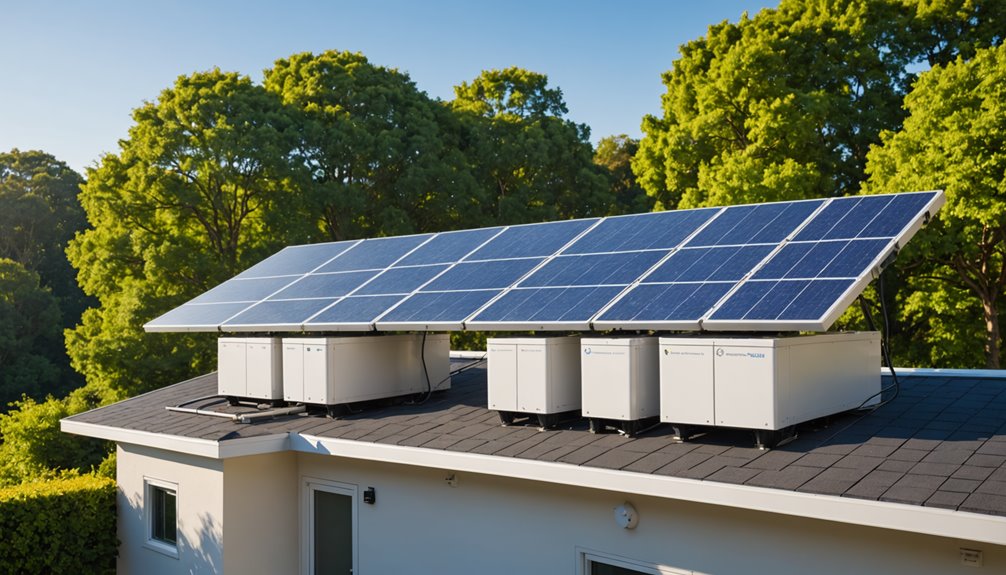
In 2025, residential solar battery installation costs typically range from $12,000 to $20,000 per unit. The battery itself generally accounts for $5,000 to $7,000 of that total, with installation labor and associated equipment making up the remainder. Costs vary by region, with per-kWh pricing ranging from $706 to $1,730. The median usable capacity among most residential energy storage systems is 13.5 kWh, which serves as a useful baseline for cost comparisons across products. The federal Investment Tax Credit currently offers a 30% deduction on eligible solar and battery installations, which reduces the net cost and affects return on investment timelines. These figures should be considered alongside local utility rates, usage patterns, and available state-level incentives when evaluating the overall financial case for residential battery storage. For solar households, battery storage can increase self-consumption rates from around 30% to over 80%, meaningfully improving the return on an existing solar investment.
What Drives the Price of a Solar Battery?
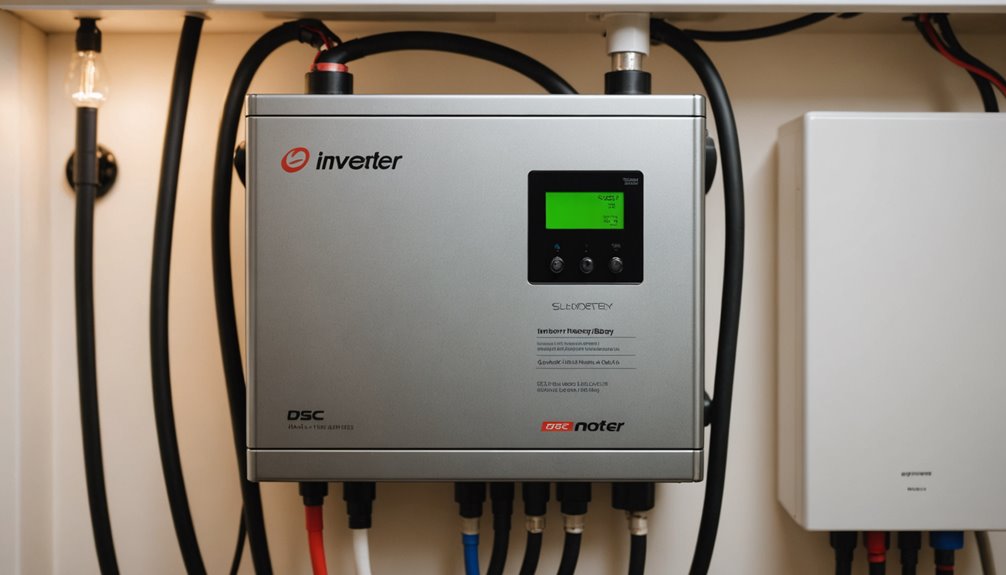
The price of a solar battery is determined by several key factors. Storage capacity plays a primary role, as larger capacity systems require more materials and command higher prices. Battery chemistry is another significant variable — lithium-ion batteries carry a higher upfront cost than lead-acid alternatives, but they offer greater efficiency and longer operational lifespans, which affects the long-term cost calculation. Installation circumstances also affect total expenditure, with retrofitting an existing solar system typically generating higher labor costs than new installations. Additional cost considerations include the number of battery units required to meet energy demands and whether the chosen battery is compatible with an existing inverter, which may necessitate additional equipment. On the financial side, incentives such as the federal solar investment tax credit, currently set at 30%, can reduce the net cost of a solar battery system, though eligibility requirements and future policy changes should be factored into any financial assessment.
How Solar Battery Costs Vary by State
Solar battery installation costs vary considerably across the United States, with the national average ranging from $12,000 to $20,000. However, state-level costs can differ substantially from this benchmark. Arkansas represents one of the lower-cost markets at approximately $777/kWh, while Delaware reaches around $1,730/kWh for comparable systems. These differences stem from several measurable factors, including local permitting requirements, the density of qualified installers in a given market, and regional demand levels.
Total installation costs also reflect geographic and logistical conditions. Hawaii and North Dakota report average costs of $24,840 and $33,696, respectively, driven by factors such as supply chain constraints, remote installation conditions, and limited local competition among installers.
State incentive programs can reduce the net cost of installation in certain markets. California’s Self-Generation Incentive Program, for example, provides rebates that can exceed $1,000/kWh, which meaningfully reduces the overall expenditure for eligible residential installations. The availability and scale of such programs vary by state and are subject to funding limitations and eligibility criteria.
Consumers benefit from researching both the baseline installation costs in their state and any available incentive programs before making purchasing decisions. This approach allows for a more accurate projection of actual out-of-pocket expenses rather than relying solely on national averages.
Which Incentives Can Lower Your Solar Battery Cost?
Federal, state, and utility-level incentives can reduce out-of-pocket costs for solar battery systems. The Federal Investment Tax Credit provides a 30% tax credit on solar battery installations, lowering upfront expenses. State incentives differ by location—Minnesota offers rebates up to $15,000 based on system size and income eligibility. California’s Self-Generation Incentive Program provides compensation exceeding $1,000 per kilowatt-hour, reducing the overall cost of battery storage. Utility companies may also offer compensation for energy exported to the grid during peak demand periods. Because available incentives depend on geographic location and individual circumstances, consulting a professional installer can help identify applicable programs.
How Much Can a Solar Battery Save on Your Energy Bills?
Solar batteries can reduce energy bills by storing excess solar power for use during peak utility rate periods, potentially saving households over $1,000 per year, depending on local electricity prices and consumption patterns. Net energy metering programs allow homeowners to earn credits for surplus energy exported to the grid, which can further offset costs.
The return on investment varies based on several factors, including local utility rates, the size of the battery system, and the homeowner’s energy independence goals. When combined with available financial incentives such as the federal tax credit and applicable state rebates, the payback period for a solar battery system generally ranges from five to ten years. This timeline positions solar batteries as a viable long-term investment for reducing energy costs, provided the system is appropriately sized for the household’s specific energy needs.
What Non-Financial Benefits Do Solar Batteries Offer?
Solar batteries offer several practical and environmental benefits that extend beyond financial considerations. During power outages, they provide backup power, allowing essential appliances to continue operating. They also enable energy independence by storing surplus solar energy for use during periods of low solar generation, reducing reliance on the grid.
From an environmental standpoint, solar batteries support more efficient use of renewable energy by minimizing waste and reducing dependence on fossil fuel-based grid power, which lowers overall carbon emissions. For electric vehicle owners, stored solar energy can serve as a clean charging source.
In terms of durability, modern lithium iron phosphate (LFP) batteries are typically backed by warranties of 10 to 15 years, reflecting their long operational lifespan and offering a degree of reliability for those investing in solar energy systems.
When Does a Solar Battery Actually Make Financial Sense?
Solar batteries present a financial case that varies depending on individual circumstances and local conditions. Higher utility rates increase the value of stored energy, as homeowners can draw on battery reserves rather than purchasing power from the grid during peak pricing periods. The federal investment tax credit, currently at 30%, reduces the upfront cost and affects the overall return on investment. In areas where power outages occur with regularity, the cost of backup power capability may be offset by avoided losses from disruptions. Certain state-level incentive programs, such as California’s Self-Generation Incentive Program, provide rebates that can reach up to $16,000, which materially changes the financial calculation for eligible homeowners. Additionally, when utilities compensate solar owners at rates below full retail value for excess energy exported to the grid, retaining that energy in a battery for self-consumption can represent a more economically sound option than exporting it.
Is a Solar Battery Worth It for Your Home?
Adding a solar battery to your home energy system involves trade-offs that depend on several measurable factors. Households with high electricity consumption and time-of-use utility pricing tend to see the most financial benefit, as stored energy can offset costs during peak-rate periods. The upfront installation cost is substantial, though the current federal tax credit reduces the total investment by 30%. In practical terms, reducing reliance on grid electricity through stored solar power can result in annual savings that vary based on local utility rates and household usage patterns. Solar batteries typically have an operational lifespan of 10 to 15 years, which is the relevant timeframe for calculating return on investment. Whether the system recoups its cost depends on local electricity rates, available incentives, solar panel output, and individual consumption habits. A careful review of these variables, ideally with input from a qualified energy assessor, provides the most reliable basis for making this decision.
Conclusion
Whether a residential solar battery is a sound investment depends on several measurable factors. The financial case rests on comparing upfront installation costs, typically ranging from $10,000 to $20,000, against long-term savings on electricity bills and available tax incentives such as the federal Investment Tax Credit (ITC).
Key considerations include local electricity rates, frequency of grid outages, and net metering policies in your area. Households in regions with high utility rates or unreliable grid infrastructure tend to see stronger returns on the investment. Conversely, those in areas with favorable net metering programs may find less financial benefit, as excess solar energy can already be credited back to their utility bill without storage.
Battery lifespan, typically 10 to 15 years, and degradation rates are also relevant to calculating long-term value. Most manufacturers offer warranties guaranteeing a certain percentage of capacity retention over this period, which should factor into any cost-benefit analysis.
State and local incentives vary considerably and can meaningfully reduce the payback period. Researching programs specific to your location is an important step before making a purchase decision.
Ultimately, the decision warrants a careful review of your household energy consumption data, local utility pricing structures, applicable incentives, and backup power requirements. Consulting with a licensed solar installer and obtaining multiple quotes will provide the most accurate basis for evaluating whether the investment aligns with your financial and energy goals.