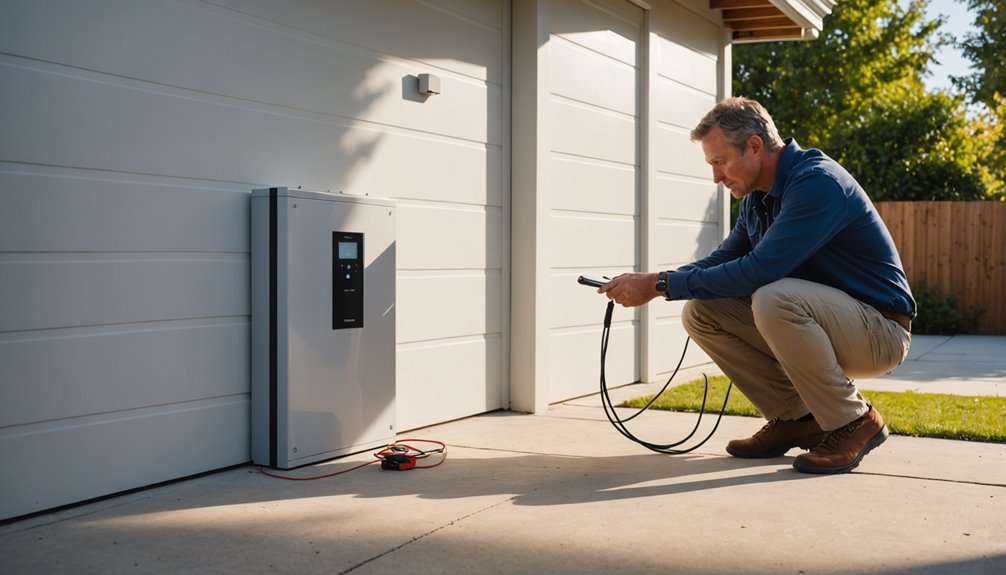
Installing a home battery backup system requires careful evaluation before committing to a purchase. Several key questions should guide the decision-making process to ensure the system meets your specific needs and represents a sound financial investment.
Understanding your household’s power consumption is a necessary first step. A battery system sized incorrectly will either fail to cover essential loads during an outage or represent unnecessary expenditure on excess capacity.
Reviewing past utility bills and identifying which appliances require backup power will establish a baseline for calculating the appropriate storage capacity.
The technical specifications of available systems warrant close examination. Battery chemistry, measured capacity in kilowatt-hours, continuous and peak power output ratings, and round-trip efficiency all affect real-world performance.
Lithium iron phosphate batteries, for instance, generally offer longer cycle life compared to other lithium-ion chemistries, which influences long-term value.
Installation costs, permitting requirements, and compatibility with your existing electrical panel are practical considerations that affect total project cost and timeline. Some systems require panel upgrades or additional components that are not always reflected in initial price quotes.
Warranty terms, specifically the number of guaranteed cycles and capacity retention over time, provide measurable benchmarks for comparing products.
Manufacturer support and the installer’s licensing credentials and track record are also relevant factors.
Finally, understanding how the system interacts with net metering policies in your utility territory will determine whether the investment generates any ongoing financial return.
Key Takeaways
Before installing a home battery backup system, several technical and financial factors warrant careful evaluation.
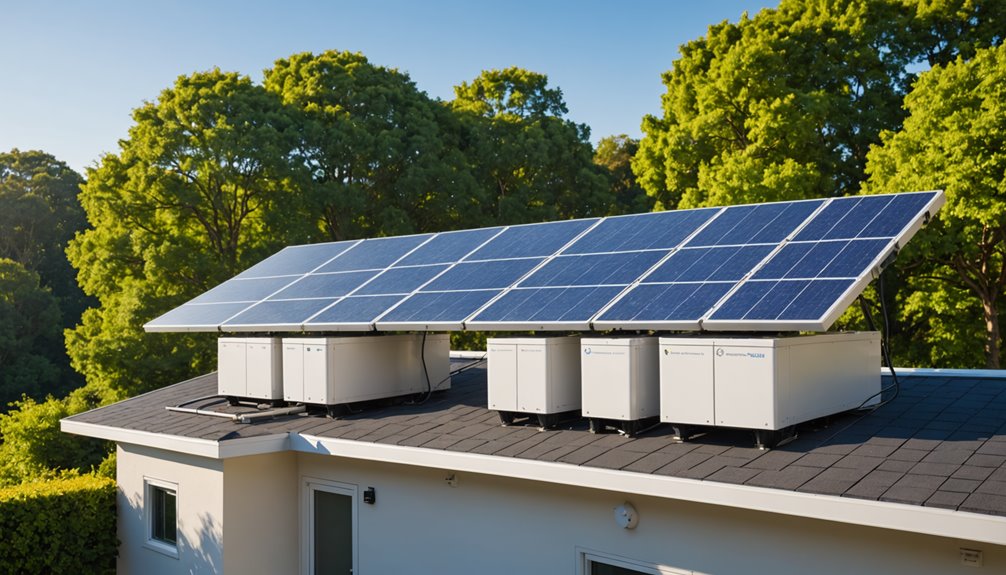
The first consideration involves your existing solar infrastructure. Determine whether your current system is AC-coupled or DC-coupled, as this distinction directly affects retrofit compatibility and overall installation complexity. Verify that your inverter is compatible with the intended battery system, and confirm that the battery’s voltage and capacity specifications align with your existing solar panels.
Energy consumption analysis is equally important. Calculate your household’s average daily electricity use, accounting for high-draw devices such as electric vehicles and essential appliances. This data provides a reliable baseline for determining the appropriate battery storage capacity to meet your specific needs.
Load management decisions also require attention. Identify which circuits will be supported during a grid outage and establish a clear priority list for critical loads. Refrigerators, medical equipment, and lighting systems are commonly designated as essential, while non-critical loads may be excluded to extend backup duration.
Finally, a thorough financial review is advisable. Examine warranty terms, estimated payback periods, and applicable incentives. The federal Investment Tax Credit currently offers a 30% credit on qualifying battery storage installations, which can meaningfully reduce upfront costs. Factoring in local utility rates and potential rate structures will provide a more accurate projection of long-term financial returns.
Will a Home Battery Actually Cut Your Power Bills?
Home batteries can reduce reliance on the grid when paired with a solar energy system, with some systems achieving reductions of up to 70% depending on household energy consumption and system capacity. For households subject to time-of-use pricing, stored solar energy can be discharged during peak pricing periods to offset higher electricity costs. Additionally, home batteries provide a degree of energy security during grid outages.
The payback period for a home battery system typically ranges from five to seven years, though available government incentives and rebates can reduce this timeframe. The actual payback period will vary based on local electricity rates, system size, usage patterns, and upfront installation costs. Regular monitoring of energy usage allows homeowners to optimize system performance and ensure efficient use of stored energy. For solar-powered homes, pairing a battery storage system can increase self-consumption rates from around 30% to over 80%, significantly reducing the amount of unused energy sent back to the grid.
Does Your Existing Solar System Work With a Home Battery?
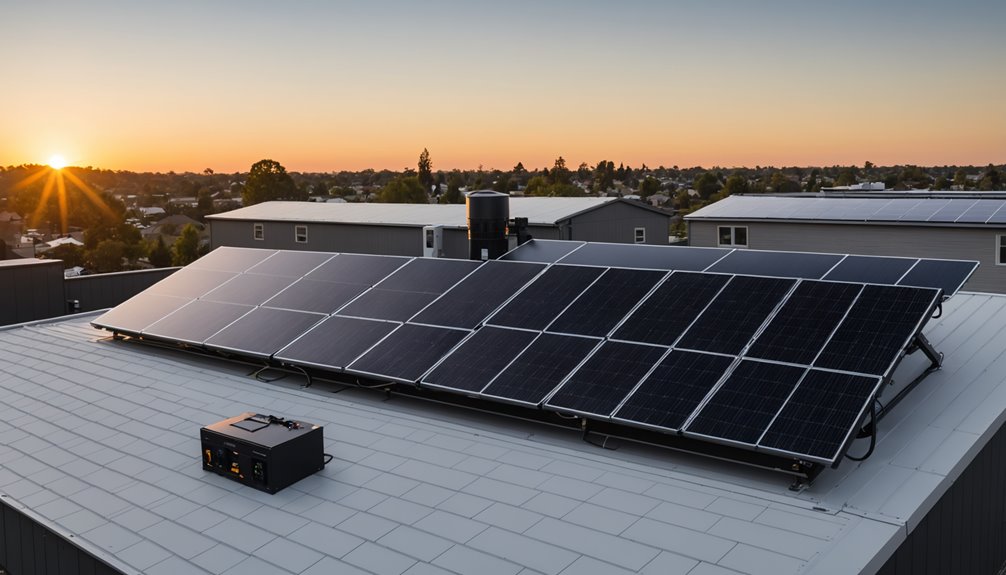
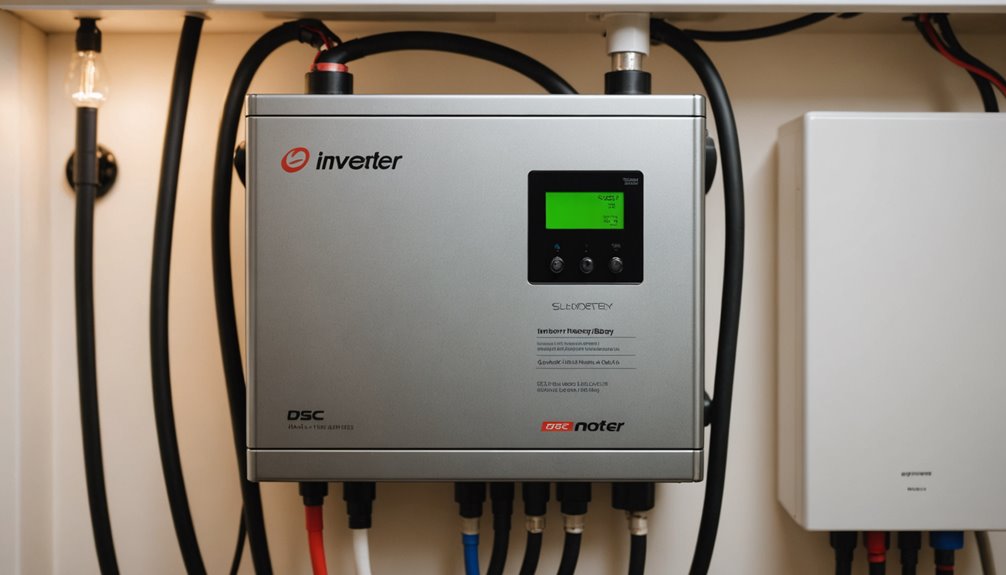
Integrating a home battery with an existing solar system depends on the system’s configuration. AC-coupled and DC-coupled systems have distinct compatibility requirements. AC-coupled systems are generally more straightforward to retrofit with battery storage, while DC-coupled systems may require additional modifications. Before committing to a battery storage solution, it is necessary to verify that your inverter supports battery integration. Systems using Enphase micro-inverters, for example, have specific compatibility requirements that must be confirmed with the battery manufacturer. Additionally, the battery’s voltage and capacity should align with the output specifications of the existing solar panels to ensure efficient energy storage and retrieval. Consulting a qualified installer is advisable to assess the technical requirements of your specific system and determine the most suitable storage solution.
How Much Home Battery Storage Do You Really Need?
Determining the appropriate amount of battery storage requires a careful assessment of your household’s daily energy consumption and usage patterns. The average Australian home consumes approximately 16 kWh per day, while most residential battery systems offer between 3 and 12 kWh of storage capacity. This gap means that a single battery unit may not fully cover overnight energy needs for many households.
Key factors to evaluate include peak consumption periods when solar generation is unavailable, the energy demands of essential appliances, and the number of occupants in the home. Households that require backup power during grid outages will need to account for this in their storage calculations, as sustained outages place greater demands on battery reserves.
For households with electric vehicles, or those planning to add one, charging requirements can significantly increase daily energy consumption and should be incorporated into storage planning from the outset. A standard EV charge can consume between 7 and 20 kWh depending on the vehicle and driving habits, which materially affects the size of battery system required.
A practical approach involves reviewing at least 12 months of electricity bills to understand seasonal variation in consumption, then sizing battery storage to cover the most consistent portion of nightly energy use rather than peak demand, which may be more economically managed through grid connection.
What Will the Numbers Look Like? Payback, ROI, and Incentives
Payback periods for battery storage systems generally range from five to seven years, depending on system size, local electricity rates, and usage patterns. Households that pair battery storage with solar energy and time their consumption to avoid peak pricing periods may reduce energy costs by a meaningful margin, though actual savings vary based on regional utility structures and individual consumption habits.
Federal incentives, including the 30% Investment Tax Credit, reduce the initial capital outlay and can improve the overall return on investment when factored into long-term financial projections. Certain utility programs, such as Virtual Power Plants, allow battery owners to receive compensation for contributing stored energy to the grid during periods of high demand, providing an additional revenue stream in participating regions.
When calculating long-term returns, it is important to account for battery degradation over time, as capacity typically declines gradually across the system’s lifespan. Warranty terms, which commonly cover ten years, should be reviewed carefully to understand what performance thresholds are guaranteed and under what conditions replacements or compensation apply. Incorporating these variables into financial projections produces a more accurate and reliable assessment of the investment’s long-term value.
Which Circuits Does Your Home Battery Keep Powered in a Blackout?
During a power outage, only circuits designated as “Alternative Supply” circuits will remain energized through a home battery system. The range of circuits supported depends on the battery system’s capacity, which varies based on system type and size.
Higher-priority loads, such as refrigerators or medical equipment, are typically designated for backup power. Devices with high energy demands may exceed the system’s operational limits and are generally excluded from backup coverage.
Homeowners should consult their installer to confirm which circuits are designated for backup operation and verify that these circuits are properly labeled within the electrical panel. Understanding the system’s capacity constraints allows for informed decisions about power usage during an outage and reduces the risk of overloading the system when reliable power is most needed.
What Does the Home Battery Warranty Actually Cover?
Home battery warranties typically span 10 years and include a guaranteed energy retention threshold of at least 70%, provided the system is operated within the manufacturer’s specified parameters. Coverage generally extends to defects in materials and workmanship, with provisions for repair or replacement of components that fail under normal operating conditions.
Performance-based terms are also common, often specifying acceptable charge and discharge cycle counts. For lithium-ion batteries, this range typically falls between 2,000 and 10,000 cycles, depending on the manufacturer and battery chemistry. Degradation clauses outline the rate at which performance decline is considered acceptable, giving owners a measurable benchmark for determining whether a warranty claim is valid.
It is worth noting that inverters frequently carry separate warranty terms and should be reviewed independently from the battery unit itself. Warranty conditions vary considerably across manufacturers, making direct comparison necessary before purchase. Failure to follow operational guidelines, such as maintaining recommended temperature ranges or avoiding deep discharge cycles, can void coverage, so adherence to documented usage requirements is relevant to long-term warranty validity.
How Do You Monitor Your Home Battery and Shut It Down Safely?
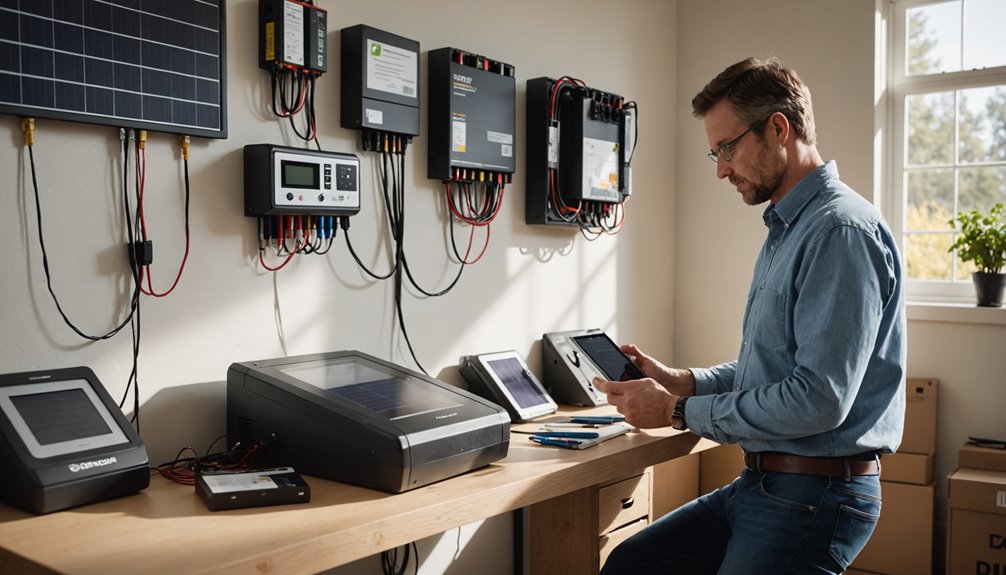
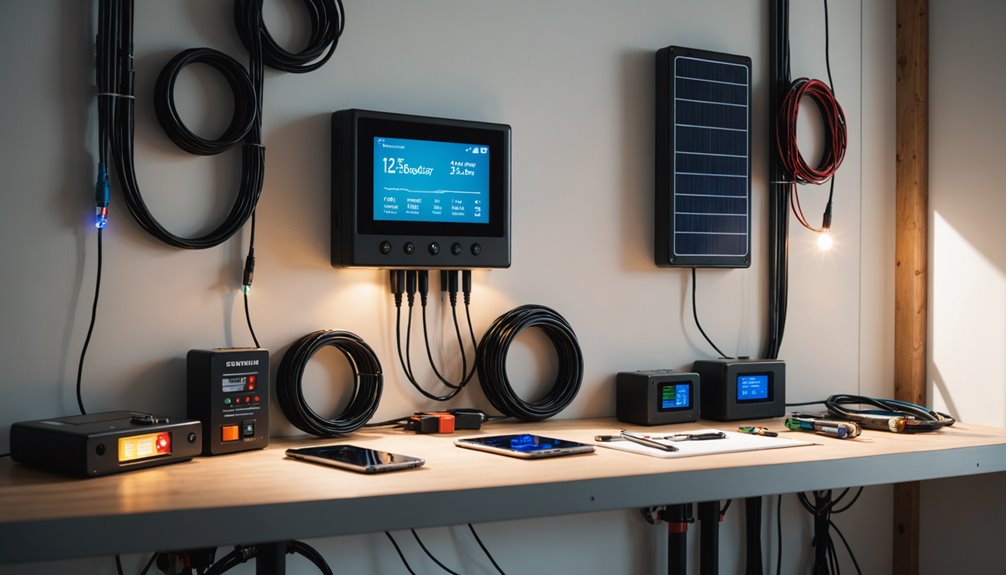
Monitoring a home battery system typically involves using a manufacturer-provided app or online portal, which displays real-time data including charge levels, energy consumption, and overall system performance. These platforms often include alert functions that notify users of irregularities or performance issues.
Most systems are equipped with physical indicator lights that signal operational status, charge levels, and fault conditions. Familiarizing yourself with these indicators allows for early identification of potential problems before they escalate.
Safe shutdown procedures vary by manufacturer and system configuration. Consulting the installer during setup to walk through the correct shutdown sequence is advisable, as improper shutdowns can affect battery health or create safety risks. Key steps generally include isolating the battery from solar inputs, disabling the inverter, and switching off the main battery disconnect.
During power outages, identifying which circuits are connected to battery backup is necessary for managing load distribution and ensuring critical appliances remain operational within the system’s capacity limits.
The manufacturer’s manual remains the primary reference for system-specific monitoring protocols, safety thresholds, and maintenance schedules. Relying on third-party advice without cross-referencing official documentation can lead to incorrect procedures that may void warranties or compromise system integrity.
Conclusion
Selecting a home battery backup system requires careful evaluation of several key factors. Compatibility with an existing solar setup, sufficient energy storage capacity, and overall cost-effectiveness are among the primary considerations. Additional factors worth examining include warranty terms, which circuits the system will cover, and what monitoring capabilities are available. A thorough assessment of these elements supports a more informed purchasing decision and helps ensure the system meets both practical energy needs and long-term financial expectations.