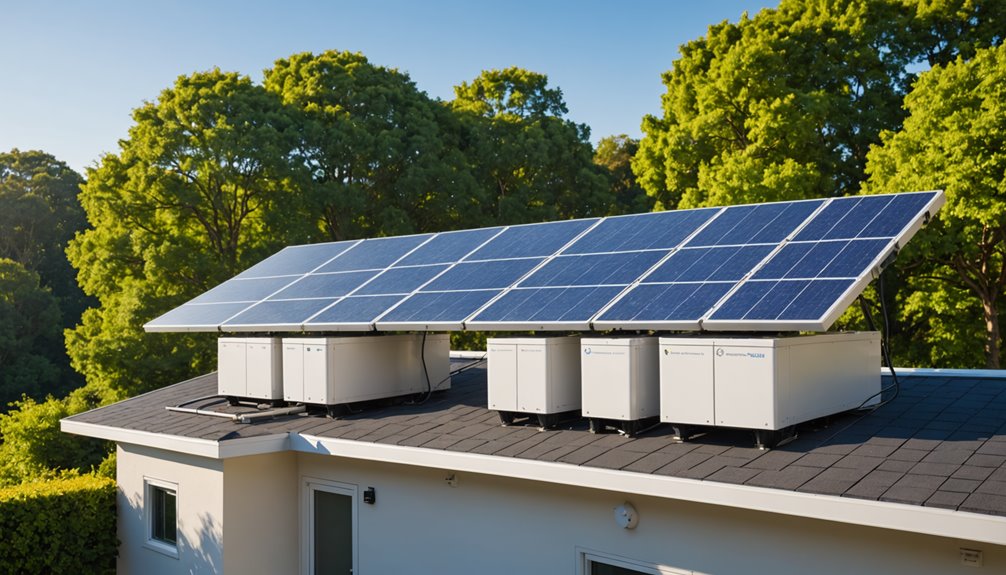
Evaluating your roof’s condition, orientation, and surrounding environment is a necessary step before installing solar panels.
These factors directly influence system performance, installation feasibility, and long-term maintenance costs.
A thorough assessment helps identify potential issues that could affect the return on your solar investment.
Key Takeaways
Before installing solar panels, homeowners should evaluate several key roof characteristics to ensure compatibility and long-term performance.
Roof age and remaining lifespan are primary considerations. A roof with fewer than 10–15 years of remaining service life will likely require panel removal and reinstallation when replacement becomes necessary, adding significant labor and logistical costs to the overall investment.
Roofing material also affects installation feasibility and expense. Asphalt shingles and metal roofs present the fewest complications during installation, while tile and wood shake materials introduce additional complexity that typically increases both labor time and overall project costs.
Roof orientation and pitch directly influence energy output. A south-facing roof with a pitch between 15 and 40 degrees generally captures the greatest amount of direct sunlight throughout the day, supporting more consistent and efficient energy generation over time.
Shade assessment is a necessary step before committing to solar installation. When shading covers more than 20–25% of panel surface area during peak sunlight hours, system output decreases measurably. A professional shade analysis helps determine whether the location is suitable or whether mitigation strategies are warranted.
Finally, structural integrity must be verified before installation proceeds. A full solar panel system can add approximately 770 pounds of load to an existing roof structure. A qualified structural inspection confirms whether the roof framing can safely support this additional weight without modification.
Is Your Roof Too Old for Solar Panels?
Before installing solar panels, evaluating your roof’s current condition and remaining lifespan is a practical and necessary step. Solar panels add weight and require secure mounting, which means the underlying roof structure must be sound enough to support them over the long term—typically 25 to 30 years, which aligns with the average lifespan of a solar panel system.
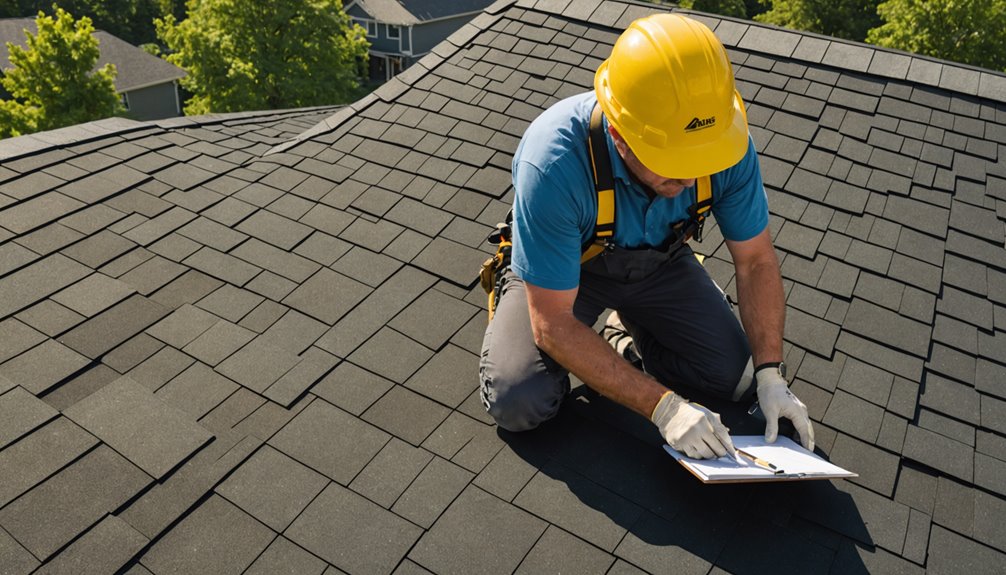
Roofing professionals generally recommend that a roof have at least 10 to 15 years of serviceable life remaining before solar installation proceeds. Asphalt shingle roofs, which are among the most common in residential settings, typically last 20 to 30 years depending on material quality, climate, and maintenance history. A roof approaching or exceeding the 20-year mark warrants a thorough inspection to identify signs of wear, weakened decking, or compromised structural support.
If significant deterioration is found, replacing the roof prior to installation is the more cost-effective approach. Removing and reinstalling solar panels to accommodate roof repairs after the fact introduces additional labor costs and potential risks to the panel system itself. Addressing existing damage or wear before installation reduces these risks and protects the long-term value of both the roofing system and the solar investment. Solar panel systems installed on structurally sound roofs are also better positioned to deliver on the 25-Year Performance Guarantee that reputable installers provide with their systems.
A qualified roofing contractor or solar installer with roofing expertise can provide an accurate assessment of whether your roof meets the structural and longevity requirements for solar panel installation.
Which Roof Materials Work Best for Solar Panels?
The type of roofing material on a home directly influences the complexity and cost of a solar installation. Asphalt shingles and metal roofs are generally well-suited for solar panels, as both materials can support the structural load and accommodate standard mounting hardware without significant modification. Standing seam metal roofs offer a particular advantage, as their design allows for direct panel attachment without the need for additional mounting components, reducing both installation time and expense.
Tile roofs, while compatible with solar installations, require specialized brackets to secure mounting systems without damaging the tiles. This adds to the overall installation cost and may extend the timeline. Wood shake roofs present notable limitations due to their structural fragility and susceptibility to fire, making them a less practical option for solar panel installation.
Flat roofs can accommodate solar panels through ballasted mounting systems, which use weighted frames rather than roof penetrations to secure the panels. However, this approach requires careful assessment of the roof’s load-bearing capacity and drainage characteristics to prevent structural issues or water accumulation.
A professional roof inspection prior to installation is a practical step for identifying any existing structural concerns or compatibility issues that could affect the installation process or increase costs. Understanding the specific requirements of your roofing material allows for more accurate cost projections and reduces the likelihood of unforeseen complications during installation.
Does Your Roof Face the Right Direction for Solar?
Roof orientation is a key factor in determining the energy output of a solar panel system. South-facing roofs receive the most consistent sunlight throughout the day in the Northern Hemisphere, making them the most productive option for solar energy generation. West-facing roofs, while less productive overall, capture sunlight during late afternoon hours, which aligns with periods of higher electricity demand. East-facing roofs receive morning sunlight and produce moderate output, though generally at lower efficiency compared to south- or west-facing configurations.
Roof pitch also affects performance. A slope between 15 and 40 degrees tends to optimize the angle at which sunlight strikes the panels, improving energy capture across seasonal variations. Flat roofs can accommodate solar installations using adjustable mounting systems to achieve a suitable tilt angle.
Available roof space is another practical consideration. Approximately 100 square feet of unobstructed surface area is needed per 1.5 to 2 kilowatts of installed capacity. Obstructions such as chimneys, vents, or skylights reduce usable space and may affect panel placement.
Shading from trees, neighboring structures, or other objects can meaningfully reduce system output, particularly if shadows fall on panels during peak sunlight hours. Roof condition should also be assessed before installation, as a deteriorating roof may require repair or replacement prior to mounting a solar system, adding to overall project costs.
How Much Shade Is Too Much for Solar Panels?
Shade significantly impacts solar panel performance. When shading exceeds 20-25% during peak sunlight hours, measurable reductions in energy output occur. Common sources of shade include trees, chimneys, and nearby structures, each of which blocks direct sunlight and reduces panel efficiency.
Deciduous trees introduce seasonal variability in shading patterns, meaning their effect on system performance changes throughout the year depending on foliage density. This variability should be factored into any performance estimate.
A professional shade analysis can assess roof conditions and identify obstructions that may not be immediately apparent. Overhanging branches, in particular, are a manageable source of shade, and trimming them can result in measurable improvements to energy output.
Shade assessments can be conducted either through satellite-based tools or direct on-site evaluation. Both methods provide data on shading extent and timing, allowing for a more accurate projection of system performance prior to installation.
Is Your Roof Structurally Strong Enough to Hold Solar?
Roof structural integrity is a key factor in determining solar panel installation feasibility. Standard roofs are engineered to bear loads of approximately 20 lbs/sq ft, whereas solar panels contribute an additional 2–4 lbs/sq ft. A complete solar system can add roughly 770 lbs to the overall structure, placing measurable stress on the roof’s framing and support components.
Roofs with aging materials, deteriorating framing, or existing structural deficiencies may not adequately support this additional load. Any underlying issues should be identified and resolved prior to installation. Proceeding with solar installation on a compromised roof can result in significant additional costs—roof replacement following solar installation typically runs $2,000–$5,000 more than a standard replacement due to the need to remove and reinstall the panels.
A professional structural inspection before committing to a solar project provides an accurate assessment of load-bearing capacity and identifies any remediation work required. This step reduces the risk of costly complications and ensures the installation meets both safety standards and long-term performance requirements.
Conclusion
Before going solar, it is necessary to evaluate several key aspects of your roof, including its age, material, orientation, shade exposure, and structural integrity. These factors have a direct influence on system performance and long-term viability. Professional inspections conducted prior to installation help identify potential issues that could otherwise result in significant costs or complications. Once a roof has been confirmed as structurally sound and suitable for solar panel installation, the conditions are in place to proceed with an investment that will produce consistent, renewable energy output.