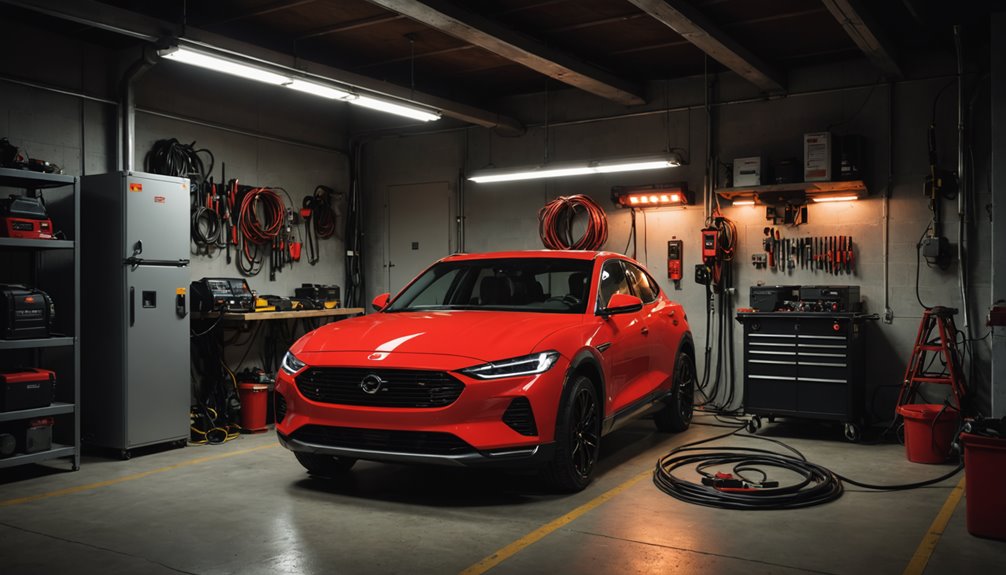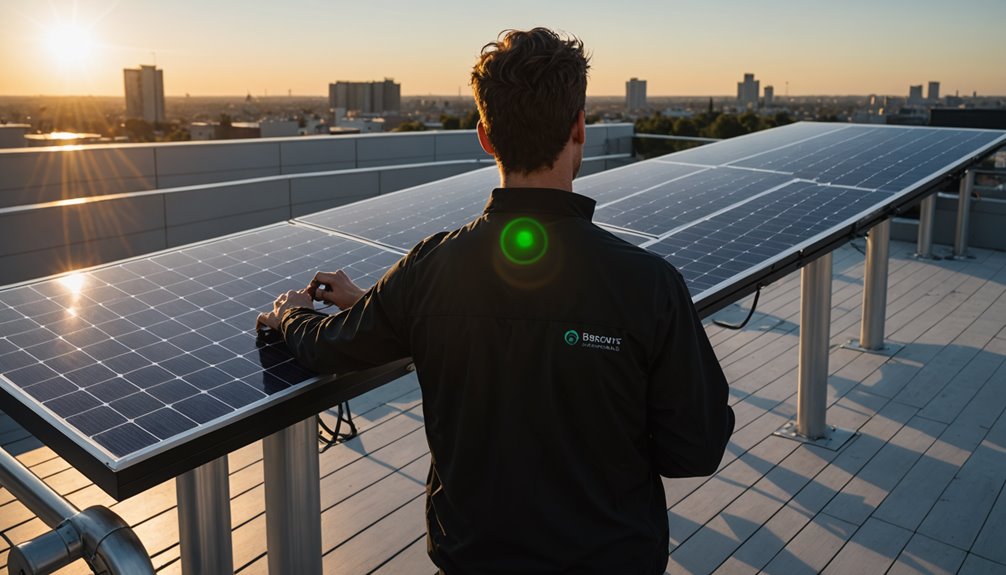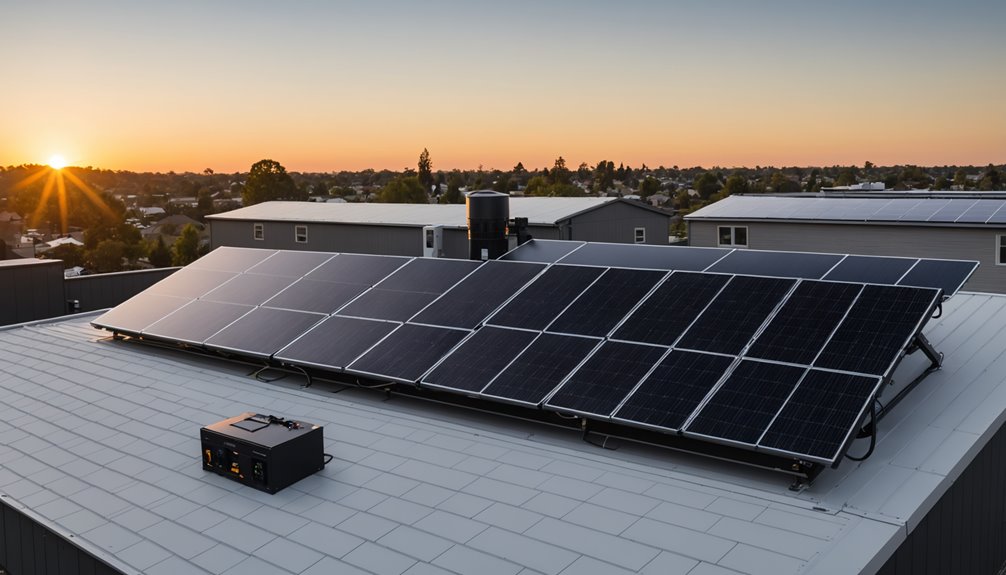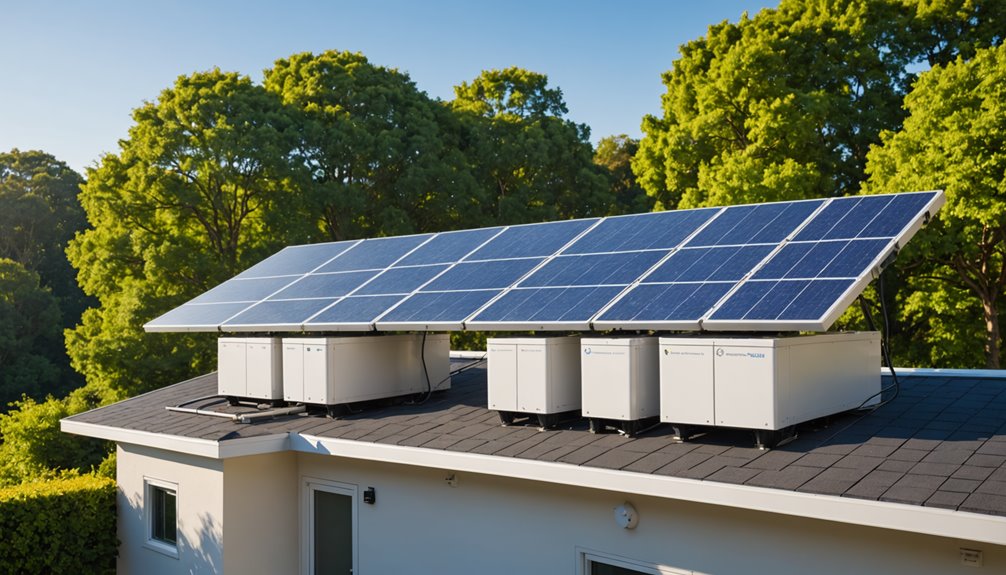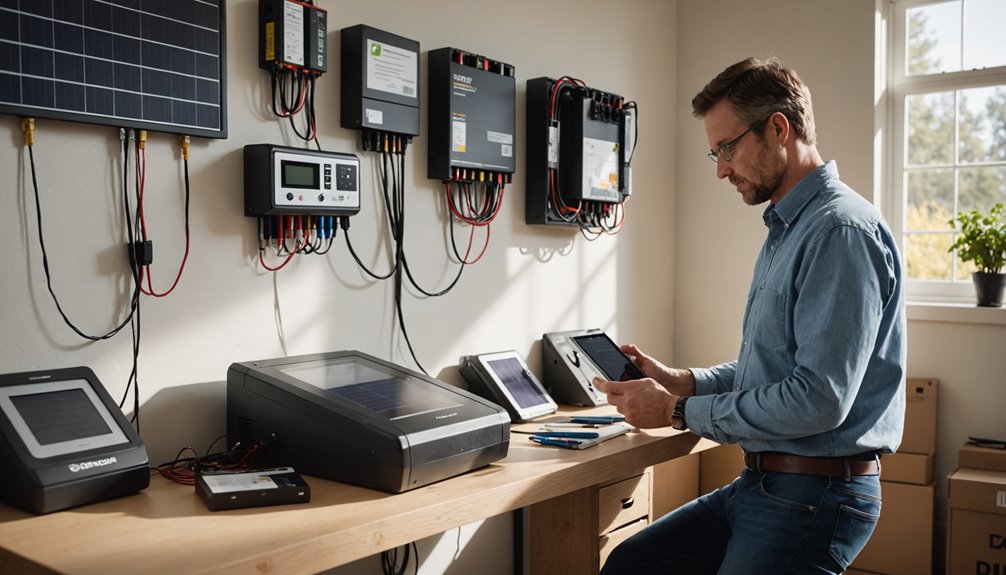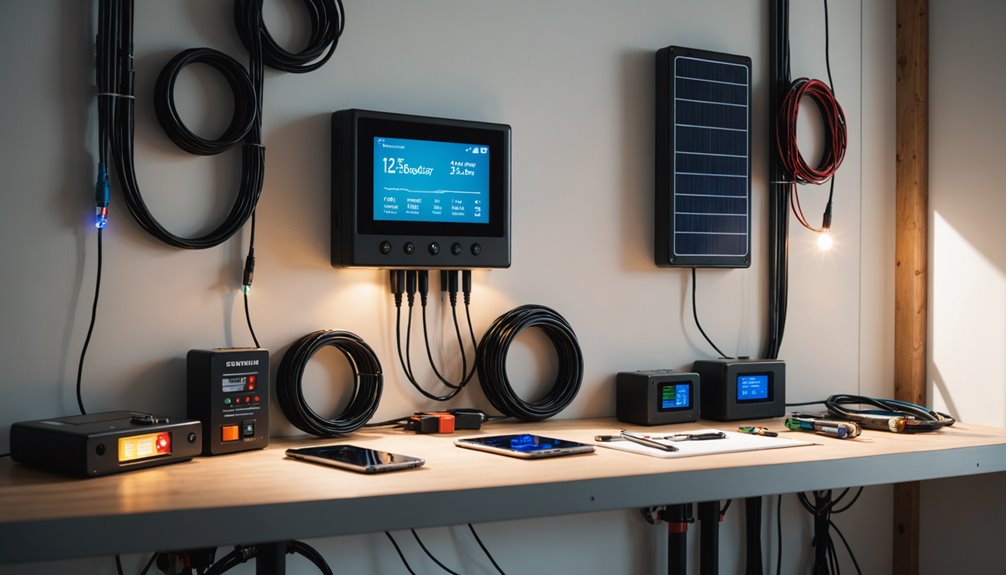
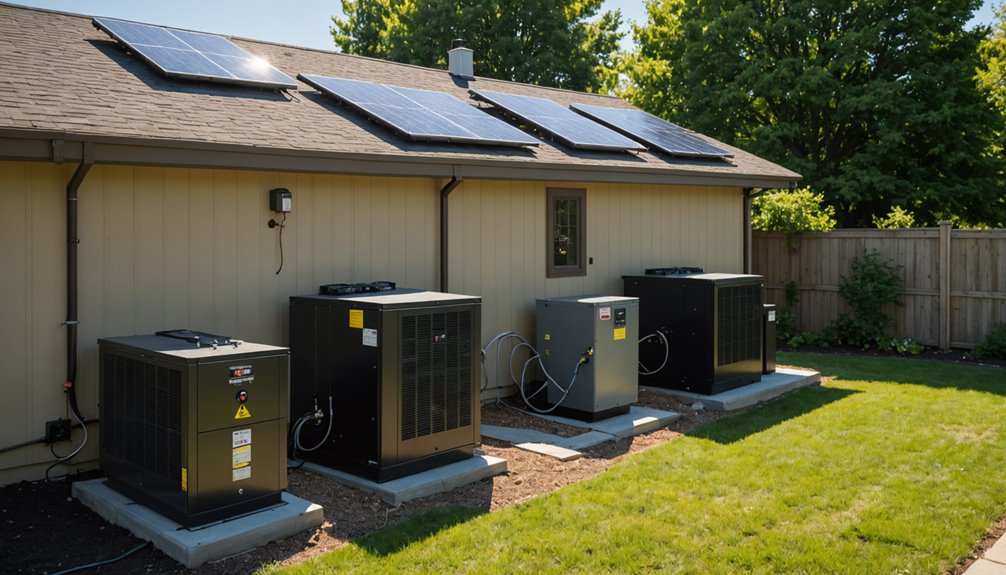
Solar panels alone cannot provide continuous power during extended cloudy periods or overnight outages.
Without adequate energy storage or a supplementary power source, gaps in electricity supply are inevitable.
Connecting a generator to a solar panel system addresses these limitations by providing power when solar generation is insufficient.
However, this integration requires careful planning, appropriate equipment, and adherence to electrical safety standards to function correctly and avoid equipment damage or safety hazards.
Key Takeaways
Solar panels and generators can function simultaneously when configured with battery storage and a hybrid inverter, allowing for consistent power delivery across varying conditions. This setup enables each power source to contribute based on availability and demand.
An Automatic Transfer Switch manages the transition between power sources, including utility grid power, solar generation, and generator output. It also serves a critical safety function by preventing back-feeding, which occurs when electricity flows in reverse toward the grid and poses risks to utility workers and equipment.
Natural gas or propane generators can supplement battery charging during periods of limited solar production, such as extended cloud cover or seasonal reductions in sunlight. This configuration reduces dependence on the utility grid while maintaining a reliable power supply.
Accurate generator sizing depends on calculating the total wattage of critical loads, accounting for startup surge requirements that typically exceed standard operating wattage. Undersizing a generator can result in system overload and potential damage to connected equipment.
Integration of solar panels with a backup generator involves modifications to a home’s electrical system that carry significant safety and code compliance implications. This work requires a licensed electrician familiar with local building codes, utility interconnection requirements, and relevant standards such as those outlined by the National Electrical Code (NEC).
How Gas-Powered Generators Work
Gas-powered generators convert fuel sources—including natural gas, propane, diesel, or gasoline—into electricity, functioning as backup power systems during outages. These units vary in scale, from portable models designed for limited power needs to larger stationary systems capable of supplying an entire home.
An Automatic Transfer Switch is a key component in standby generator systems. It monitors incoming utility power and, upon detecting an outage, automatically activates the generator and redirects power to the home’s electrical system. This eliminates the need for manual operation during a power disruption.
Several manufacturers, including Generac, Kohler, and Cummins, produce generator systems with established track records in residential and commercial applications. These systems are generally rated to handle essential household loads, though capacity varies by model and installation specifications.
Gas-powered generators can be integrated alongside renewable energy systems, such as solar panels or battery storage, to create a more comprehensive energy backup strategy. This combination allows for greater energy independence by reducing reliance on any single power source, particularly during extended outages or periods of high energy demand.
Can Solar Panels and Generators Run at the Same Time?
Solar panels and generators can run simultaneously under certain configurations, though the specifics depend on the system design. In a standard grid-tied solar setup without battery storage, an Automatic Transfer Switch (ATS) will disconnect the solar panels from the grid during a power outage. This is a safety measure designed to prevent back-feeding electricity into utility lines while workers may be performing repairs.
When the grid goes down, grid-tied solar inverters are programmed to shut off automatically, leaving the backup generator as the sole power source for essential circuits. This means that in a basic configuration, solar panels and generators do not operate in parallel.
However, systems equipped with battery storage and hybrid inverters can allow solar panels and generators to operate together. In these setups, the solar array continues to generate power, which can charge batteries or directly supplement the generator’s output, reducing fuel consumption and extending generator runtime.
The compatibility of solar and generator systems also depends on the generator type. Some modern generators are designed to accept input from solar arrays, while others are not. Attempting to run incompatible systems in parallel without proper equipment can cause damage to both systems and pose safety risks.
For Connecticut homeowners, adding a battery storage system can increase solar self-consumption rates from around 30% to over 80%, meaning more of the energy your panels generate is actually used by your home rather than sent back to the grid.
How Batteries Store Solar Energy and Trigger Generator Backup
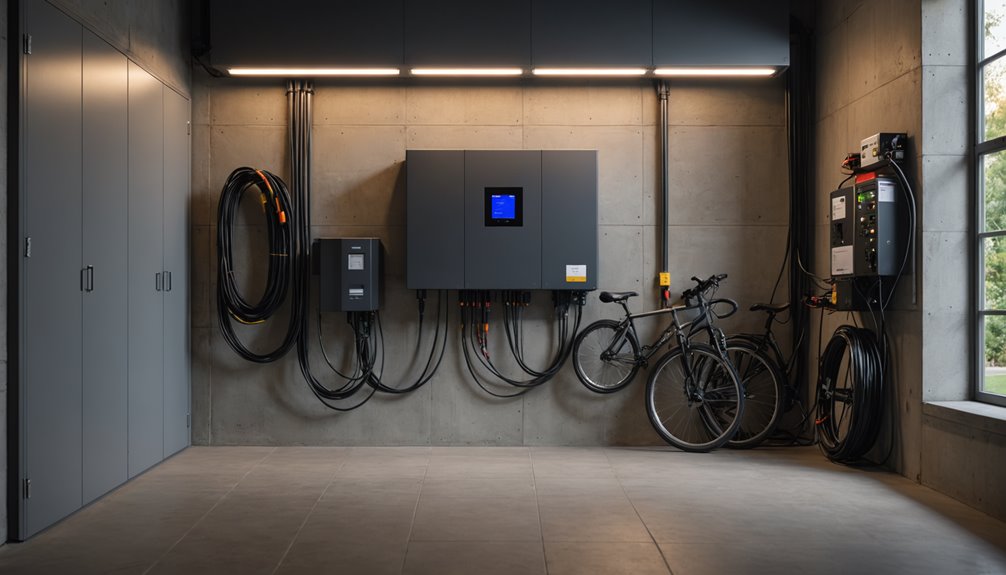
Battery storage serves as the central component in systems that integrate solar panels and generator backup. Solar panels produce electricity during daylight hours, and any output exceeding immediate demand is directed to battery storage for later use. As solar generation decreases in the evening or during periods of low sunlight, the system draws from stored battery power to maintain electrical supply to designated circuits.
Most management systems are configured to activate generator backup when battery charge falls to approximately 20%, a threshold designed to prevent deep discharge, which can degrade battery capacity over time. This automatic switchover maintains power continuity without requiring manual intervention.
When properly configured, transitions between solar generation, battery discharge, and generator operation occur with minimal disruption to the electrical load. The layered structure of these systems provides a degree of resilience against variable weather conditions and potential grid outages, as each power source compensates for the limitations of the others.
Standby Generator vs. Solar Battery: Which One Is Right for You?
Choosing between a standby generator and a solar battery system depends on your home’s energy demands and outage history. For residences that experience multi-day outages, a standby generator provides a consistent power supply independent of weather conditions or time of day. Solar battery systems are well-suited for daily energy management, though their storage capacity may be insufficient for extended use of high-wattage appliances.
Each option carries distinct trade-offs. Standby generators require fuel availability and periodic maintenance, while solar battery systems depend on sufficient solar generation to maintain charge levels. In regions with frequent, prolonged outages, a generator may be more dependable. In areas with shorter, less frequent outages, a solar battery system may adequately meet backup needs.
Combining both technologies is one approach worth considering. Solar panels with battery storage can handle routine energy needs, while a standby generator serves as a secondary resource during extended outages when battery reserves are depleted. This configuration reduces fuel dependency under normal conditions while maintaining reliability during more demanding scenarios. The practical value of this combination will vary based on local grid stability, energy consumption patterns, and budget constraints.
Why Combining Solar Panels With a Generator Makes Sense
Combining solar panels with a backup generator addresses the core limitations of each system when used independently. Solar panels reduce reliance on the grid but are subject to variability based on weather conditions and daylight hours. A backup generator compensates for periods of low solar output, maintaining a consistent power supply when demand exceeds what solar production can provide.
Generators powered by natural gas or propane can also recharge battery storage systems during extended periods of reduced sunlight, providing a more stable approach to energy management. This combination allows essential appliances to remain operational during grid outages, contributing to greater energy independence.
From a practical standpoint, the pairing allows users to prioritize solar energy under favorable conditions while relying on generator capacity when solar output is insufficient. This approach balances the environmental advantages of solar power with the operational reliability that generators provide, resulting in a more consistent and dependable energy system overall.
Do You Even Need Backup Power With Solar Panels?
Whether backup power is necessary alongside solar panels depends on several key factors, including grid reliability, local weather patterns, and individual energy needs. In areas prone to frequent outages, a backup system—such as a battery storage unit or generator—ensures continued access to power when solar production is insufficient or when the grid fails. Standard grid-tied solar systems automatically shut down during outages as a safety measure, which means they cannot power a home independently without an additional storage or backup component.
For households in regions with stable grid infrastructure and minimal outage history, backup power may offer limited practical value and could represent an unnecessary expense. Conversely, in areas with aging grid infrastructure, severe weather events, or unreliable utility service, a backup system provides a measurable degree of energy security.
Battery storage systems, such as lithium-ion home batteries, can store excess solar energy generated during the day for use at night or during outages. Generators, while effective, require fuel and ongoing maintenance. The most appropriate choice depends on outage frequency, the duration of typical disruptions, and the specific power demands of essential appliances.
A straightforward assessment of local utility reliability data and personal energy consumption patterns can help determine whether investing in backup power is a practical and cost-effective decision for a given household.
Wiring, Capacity, and Safety Rules for Solar-Generator Integration
Integrating a backup generator with a solar power system requires careful attention to wiring standards, load capacity, and safety protocols. An Automatic Transfer Switch (ATS) is a necessary component in this configuration, as it manages the transition between power sources and prevents back-feeding electricity to the grid, which poses a serious risk to utility workers and equipment. Installation of an ATS must be performed by a licensed electrician to comply with electrical codes and ensure proper functionality.
Generator capacity should be determined by calculating the total wattage of critical loads in the home, including startup surges for motor-driven appliances such as air conditioners and refrigerators, which can draw two to three times their rated running wattage. Undersizing the generator relative to peak demand will result in system overloads and potential equipment damage.
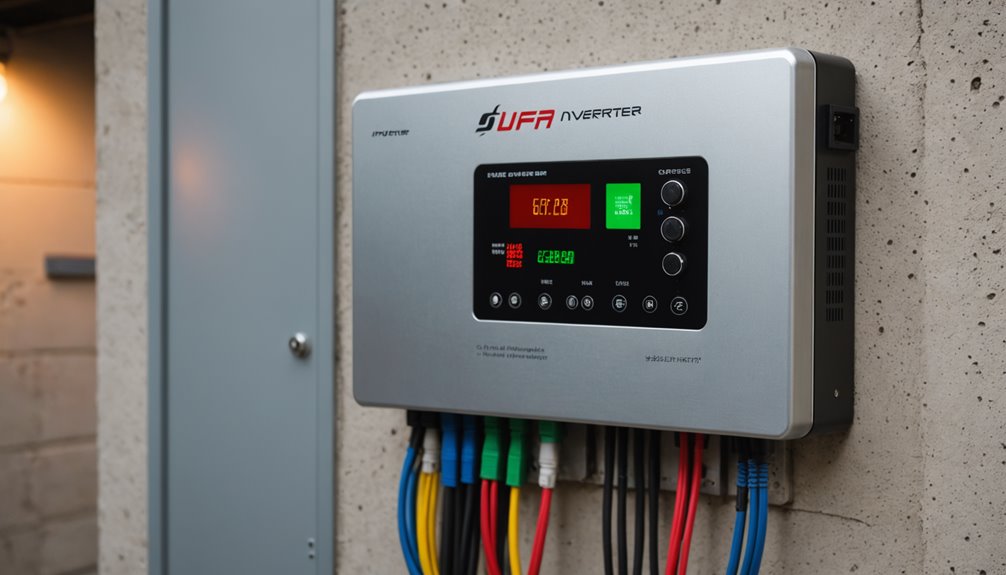
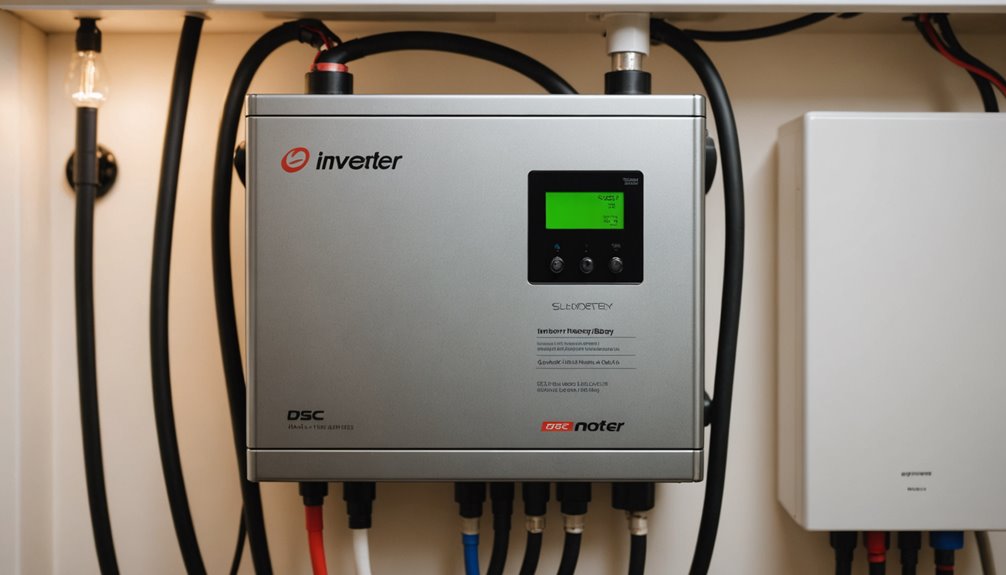
The inverter serves a functional role in this integrated system by converting the solar array’s direct current (DC) output into alternating current (AC) suitable for household use. In a hybrid configuration, the inverter also coordinates power draw between the solar system and the generator, reducing fuel consumption when solar production is sufficient. Proper sizing of all components relative to actual load requirements is necessary to maintain system stability and prevent either source from operating beyond its rated capacity during an outage.
What Generator Size and Fuel Type Does Your Solar System Actually Need?
Selecting an appropriately sized generator requires calculating the combined wattage of essential appliances that must remain operational during a power outage. The typical residential backup power requirement falls between 3,000 and 5,000 watts, though this figure varies depending on household size and specific energy demands. Periodic reassessment of energy consumption patterns helps ensure the generator capacity remains accurately matched to actual needs, preventing both undersizing, which can cause system overload, and oversizing, which results in unnecessary fuel consumption and higher upfront costs.
Fuel type selection involves practical trade-offs. Natural gas connects directly to existing utility lines, eliminating storage concerns but creating dependency on an external supply that may be disrupted during widespread outages. Propane and diesel offer independent storage capacity, making them more reliable in extended outage scenarios, though both require dedicated storage infrastructure and periodic fuel management.
Standby generators can be configured to integrate with solar power systems, with automatic transfer switches enabling activation when grid power is unavailable. However, compatibility between the generator and solar inverter must be verified before installation. Specifically, the generator must produce a clean sine wave output, as modified sine wave output can damage sensitive electronics and interfere with inverter operation. Confirming this technical compatibility is a necessary step in ensuring consistent, uninterrupted power delivery across both the solar system and generator components.
Conclusion
Combining solar panels with a backup generator creates a dual-power system that reduces dependence on the grid and provides continuity during outages. This type of integration involves several technical considerations, including wiring configurations, battery storage capacity, and compatibility between the solar inverter and generator.
Proper wiring is essential to ensure the two systems operate without conflict. In most setups, a transfer switch prevents the solar system and generator from feeding power simultaneously into the same circuit, which can cause equipment damage or safety hazards. Battery storage serves as an intermediary, storing excess solar energy that can be drawn upon before the generator is needed, reducing fuel consumption and runtime.
Generator compatibility depends largely on the type of inverter used in the solar system. Some inverters are designed to work alongside generators, while others require specific settings or additional equipment to function correctly in a hybrid configuration. Selecting components that are rated for this type of integration from the outset simplifies installation and reduces long-term maintenance issues.
The financial and practical outcomes of this type of system vary depending on local energy rates, the size of the solar array, battery capacity, and how frequently backup power is needed. A well-designed system can lower overall energy costs and extend the operational lifespan of the generator by reducing the hours it runs under load.