Solar panels do not significantly increase the risk of roof fires when properly installed and maintained. Studies, including research from the National Fire Protection Association, indicate that solar-related fires remain relatively rare compared to other electrical fire sources in residential buildings.
However, certain conditions can contribute to fire risk. Faulty wiring, damaged components, and improper installation practices have been identified as the primary factors in solar-related fire incidents. Arc faults, which occur when electrical current jumps between conductors, represent the most documented ignition source in these cases.
Reputable installation by certified professionals, adherence to local building codes, and the use of listed equipment substantially reduce these risks. Modern solar systems are also increasingly equipped with rapid shutdown devices and arc-fault circuit interrupters, which further limit fire potential.
Structural considerations are also relevant. Gaps created during panel mounting can allow debris accumulation or water intrusion, which may create secondary hazards over time if not properly addressed during installation.
Routine inspection and maintenance remain the most effective measures for managing long-term risk. Homeowners should ensure their systems are inspected periodically by qualified technicians and that any damaged components are replaced promptly.
In summary, the fire risk associated with solar panels is manageable and generally low, provided that installations meet established safety standards and systems receive appropriate ongoing maintenance.
Key Takeaways
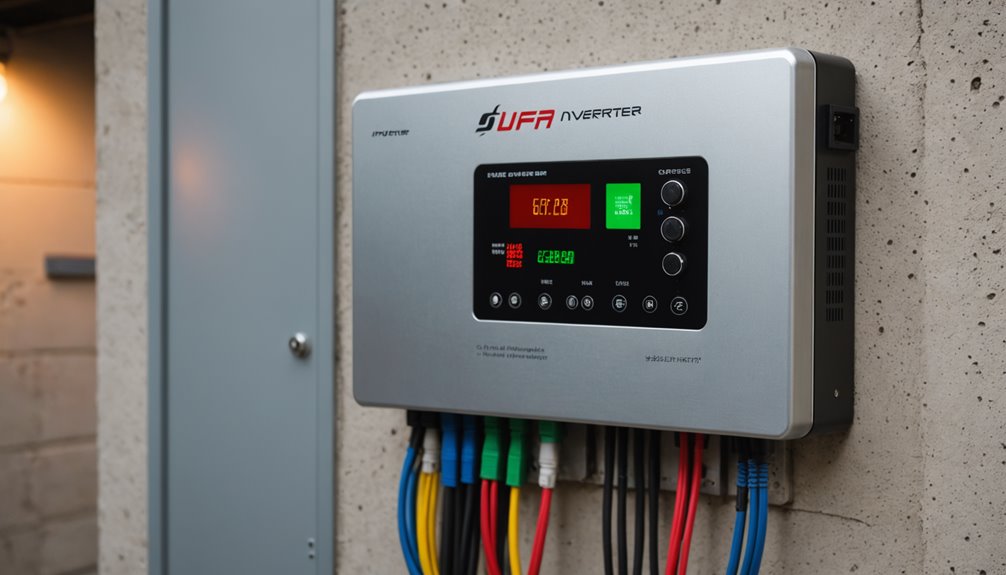
Solar panels do not directly cause roof fires; however, electrical failures such as arcing can produce extreme heat capable of igniting surrounding materials. Documented causes of solar-related fire incidents include faulty DC connectors, malfunctioning inverters, and defective photovoltaic modules.
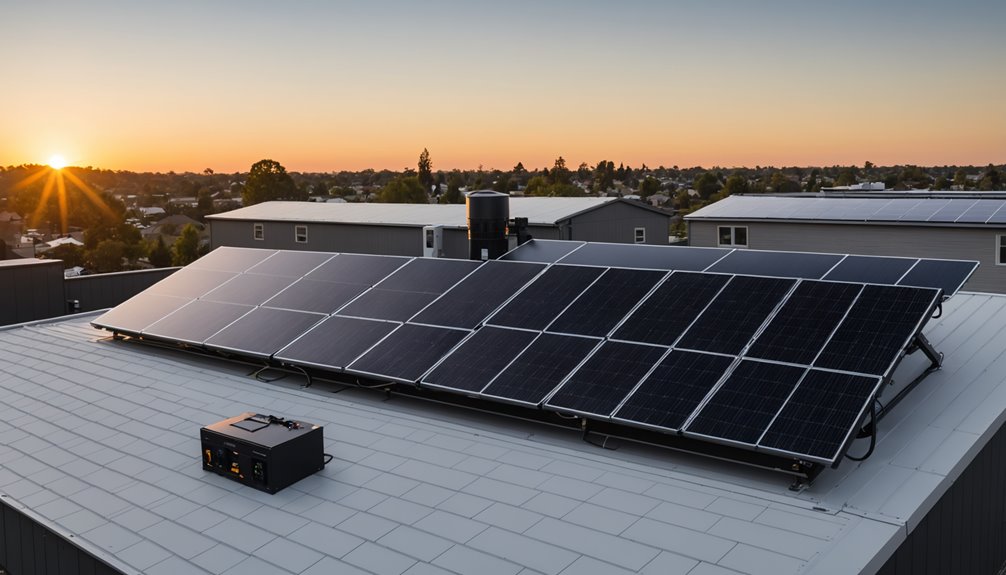
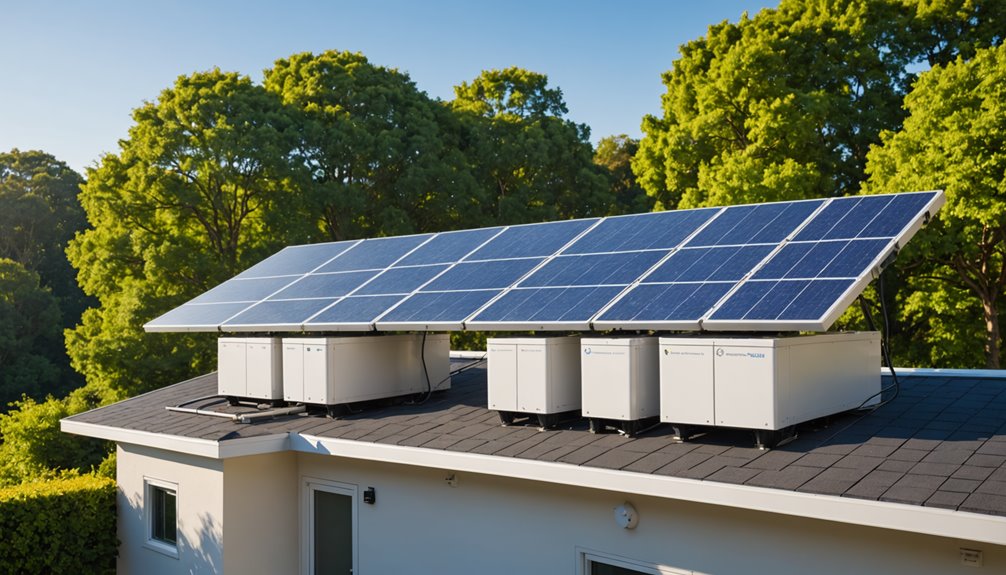
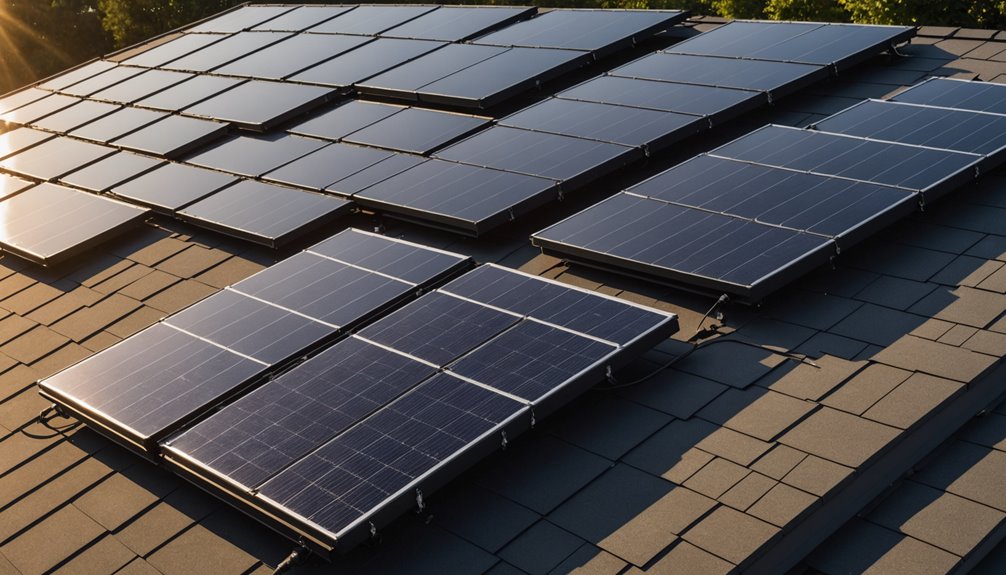
The structural gap that typically exists between solar panels and roofing surfaces presents an additional concern. This space can facilitate fire spread and create obstacles for firefighting personnel attempting to access and suppress a fire.
Substandard installation practices and manufacturing defects introduce further failure points into a solar energy system. These vulnerabilities can increase the overall probability of fire-related incidents over the lifespan of the installation.
Risk mitigation is achievable through several practical measures. Engaging certified installation professionals ensures that systems are configured according to established safety standards. Conducting routine inspections allows for the early identification of component degradation or wiring irregularities. Additionally, incorporating fire-resistant roofing materials can limit the extent of damage should an electrical fault occur. Collectively, these measures substantially reduce the fire risks associated with residential and commercial solar installations.
Do Solar Panels Actually Cause Roof Fires?
Solar panels do not directly ignite fires, but certain conditions associated with their installation and operation can contribute to fire risk. Electrical failures, particularly arcing, can generate extreme heat capable of igniting nearby materials. Faulty photovoltaic modules, improper installation, and defective DC connectors are among the documented causes of solar-related fires.
Beyond ignition risk, solar panels can affect fire behavior on rooftops. Their physical presence can create gaps that may influence how fire spreads, and their installation can present additional challenges for firefighters during emergency response.
As solar energy adoption continues to increase, awareness of these risks is relevant for homeowners, installers, and emergency responders. Adhering to established installation standards and conducting regular maintenance inspections can reduce the likelihood of electrical failures. Proper safety protocols during installation remain an important factor in minimizing fire-related risks associated with solar panel systems.
What Makes a Solar Panel System a Fire Risk?
Solar panel systems present certain fire risks, primarily driven by electrical failures. Faulty DC connectors, inverters, or other photovoltaic system components can cause electrical arcing, which generates temperatures exceeding 6,000°C. Substandard installation practices and manufacturing defects introduce additional failure points that compound these risks.
Structural factors also contribute to fire hazards. Gaps between roofing surfaces and solar modules can allow fires to spread more rapidly if an electrical fault ignites within that space. Statistically, the fire incident rate for solar panel systems is recorded at 28.9 fires per gigawatt annually.
Risk tends to be highest in the period immediately following installation, which underscores the importance of conducting thorough pre-operation inspections. Identifying and addressing potential issues before the system becomes fully operational reduces the likelihood of these risks developing into more serious incidents.
Warning Signs Your Solar Panels Are a Fire Hazard
Regular inspection of solar panel installations is essential for identifying conditions that may increase fire risk. Weak electrical connections, faulty panels, and evidence of electrical arcing represent documented failure points that warrant attention during routine maintenance checks.
Debris accumulation beneath solar panels poses a measurable risk, as organic material such as leaves can serve as fuel when combined with electrical faults. Wiring should be examined periodically for rodent damage, which is a known cause of electrical shorts in residential solar systems.
Structural gaps between solar modules and building surfaces are also worth noting, as these spaces can impede access for firefighting and complicate suppression efforts in the event of a fire.
For newly installed systems, conducting thorough inspections during the initial period of substantial sunlight exposure allows for early detection of installation deficiencies before they develop into more serious issues. Homeowners who have integrated solar with a cold climate heat pump should also ensure that the combined electrical load from both systems is properly accounted for in their wiring and circuit protection setup.
How Installation Quality Determines Your Solar Fire Risk
Installation quality is a primary factor in determining fire risk associated with solar panel systems. Substandard installation practices can result in loose or inadequate electrical connections, which may cause arcing—a known ignition source for electrical fires.
Adherence to the National Electric Code, combined with the use of certified connectors and cables, reduces the likelihood of these connection failures. Installers who follow established standards and manufacturer specifications help ensure that system components operate within their designed safety parameters.
Ongoing maintenance and periodic inspections serve a functional role in fire prevention. These assessments can identify developing issues, such as degraded wiring or connector corrosion, before they progress to more serious failures.
The evidence consistently indicates that initial installation quality has a direct relationship with long-term system safety. Systems installed without proper credentials, materials, or code compliance carry measurably higher risk of electrical faults that can lead to fire incidents.
How to Reduce Your Solar Panel Fire Risk
Hiring a certified installer who adheres to the National Electric Code is a foundational step in reducing solar panel fire risk. Proper installation reduces the likelihood of electrical failures, which are a common source of fire hazards in solar systems.
Routine inspection of the system is also necessary. Debris accumulation and cable deterioration can lead to overheating, both of which are manageable through periodic maintenance. Maintaining adequate clearance between solar panels and roof surfaces is another practical measure, as greater gaps have been shown to slow the rate at which fire spreads.
The use of fire-resistant materials beneath panels, such as DensDeck® boards, provides an additional layer of protection by limiting the flammability of the immediate installation area. This is a relatively straightforward precaution that can meaningfully reduce fire escalation risk.
Coordinating with local fire departments to establish an emergency shutdown plan is also advisable. Clear, pre-established protocols ensure that first responders can act efficiently in the event of a rooftop fire, reducing both response time and potential damage. Each of these measures addresses a specific and documented risk factor associated with solar panel installations.
How to Prepare Your Home for a Solar Panel Emergency
Preparing your home for a solar panel emergency requires both preventive measures and a structured response plan for when incidents occur. A documented emergency shutdown procedure should detail the specific steps for safely deactivating your system, including the location and operation of disconnect switches. Local fire departments benefit from prior notification about your solar installation, as this allows them to account for electrical hazards and rapid shutdown capabilities during emergency response. This is particularly relevant for systems installed before 2019, which may lack modern rapid shutdown technology. Maintaining a clear roof perimeter of 4-6 feet is a standard requirement that supports safe firefighter access and operations. Routine inspections by a licensed electrician help identify potential electrical faults before they escalate. Adherence to National Electrical Code standards provides a regulatory baseline for minimizing fire risk and maintaining system integrity under adverse conditions.
Conclusion
Solar panels do not directly cause roof fires, but improper installation and electrical faults present measurable risks. Common contributing factors include faulty wiring, substandard components, and inadequate maintenance. To reduce these risks, homeowners should schedule periodic inspections, use certified installers who follow established safety codes, and monitor for indicators of electrical issues, such as burning odors or irregular electrical behavior. Adhering to these precautions reduces the likelihood of fire-related incidents while maintaining the functional benefits of a solar energy system.