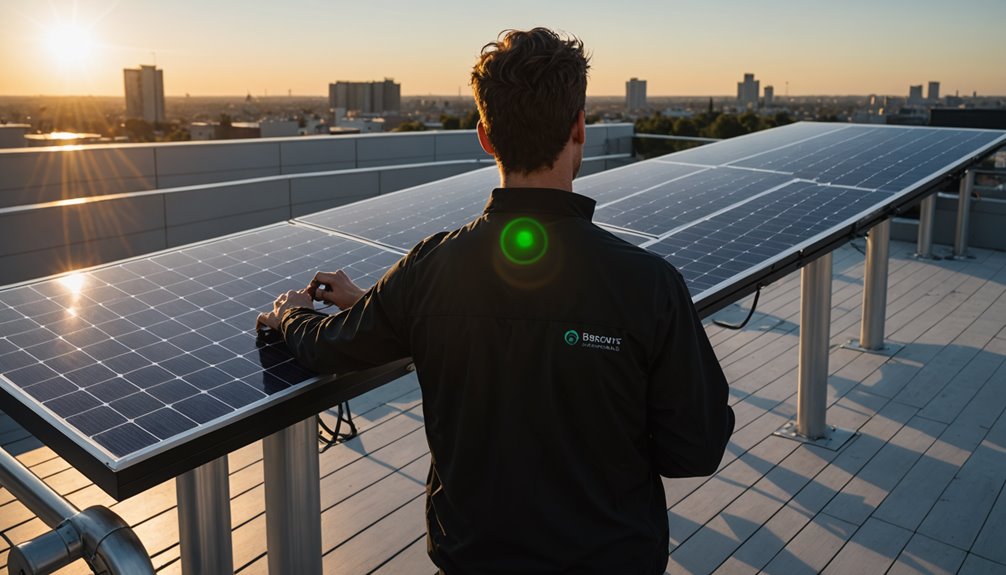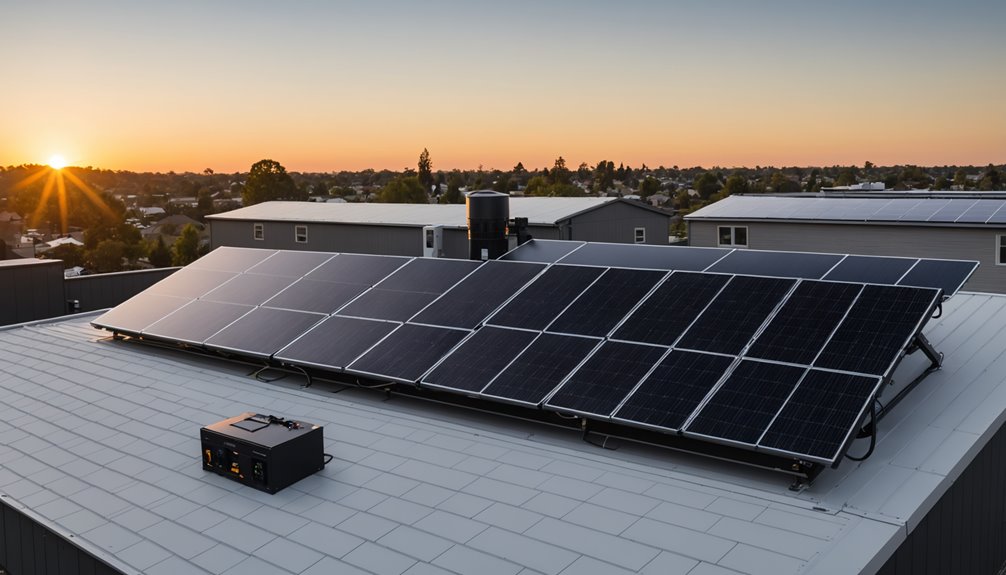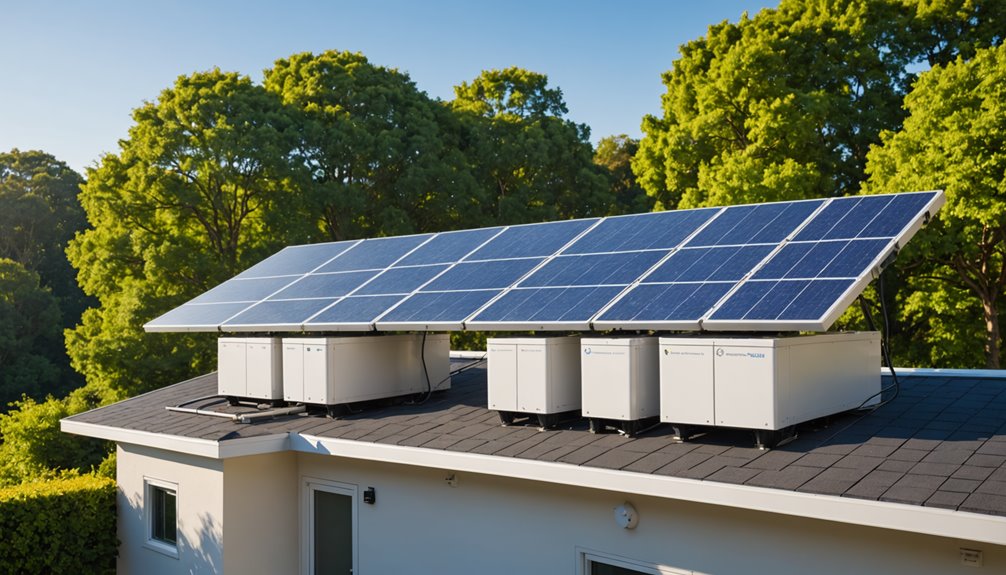
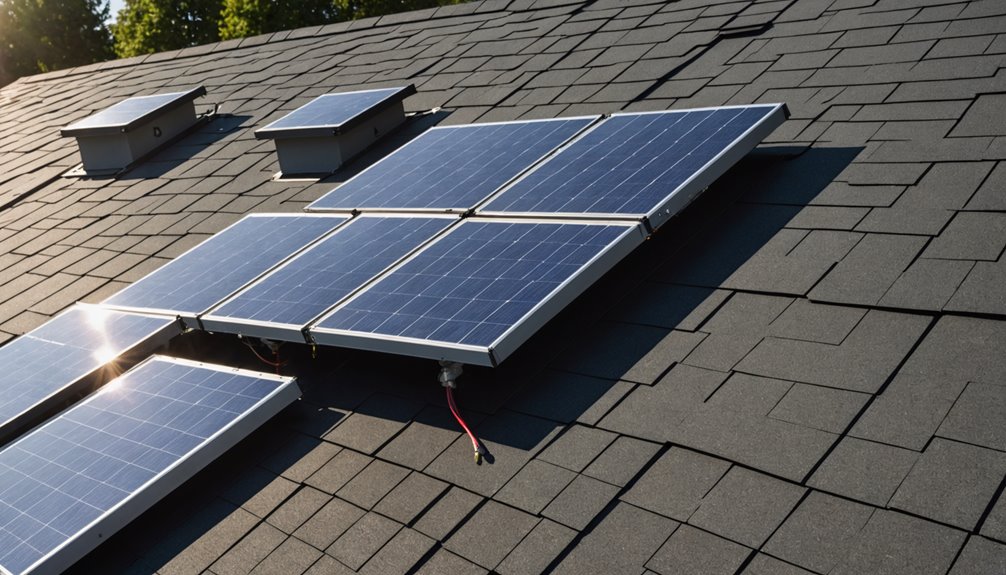
Solar panels add meaningful but generally manageable weight to a roof structure. A standard residential solar panel weighs between 40 and 50 pounds. When installed with mounting hardware and racking systems, the total load typically falls in the range of 2.5 to 4 pounds per square foot of roof surface.
Most residential roofs in the United States are engineered to support 20 pounds per square foot or more, which means the additional load from a solar array usually falls well within existing structural tolerances.
However, the actual impact on any specific roof depends on several factors, including the age of the structure, the condition of the rafters and decking, the roofing material already in place, and the local snow or wind load requirements. An older roof with deteriorating framing may require reinforcement before installation can proceed safely.
A structural engineering assessment or a review by a qualified installer is the standard first step before any solar project begins. Many jurisdictions also require a permit that includes a structural review as part of the approval process.
Flat or low-slope roofs, which often use ballasted mounting systems, can carry higher concentrated loads depending on how the panels are positioned. In these cases, load distribution across the roof surface becomes a more critical consideration.
Understanding the weight implications before installation allows homeowners and contractors to identify any necessary structural modifications early, which helps avoid delays and additional costs during the project.
Key Takeaways
Solar panels typically add between 3 and 4 pounds per square foot to a roof, accounting for mounting hardware and wiring. Individual residential panels weigh approximately 40 pounds each, translating to a weight density of roughly 2.3 pounds per square foot. Commercial panels are somewhat heavier, averaging 50 pounds each at approximately 2.5 pounds per square foot.
Standard residential roofs are generally engineered to support a minimum of 20 pounds per square foot, which means most structures can accommodate the load imposed by solar panel installations without modification. However, the total roof load must account for more than panel weight alone. Snow accumulation introduces additional load that, when combined with the weight of solar panels, can place meaningful stress on roof structures. This makes a professional structural evaluation an important step, particularly in regions with significant snowfall, to confirm that the combined forces remain within the roof’s load-bearing capacity.
How Much Do Solar Panels Actually Weigh?
Solar panels used in residential installations typically weigh between 35 and 45 pounds per panel, with an average of approximately 40 pounds. On a per-square-foot basis, this translates to roughly 2.3 pounds. Commercial solar panels tend to be larger and heavier, averaging around 50 pounds and approximately 2.5 pounds per square foot.
These figures, however, represent only the panels themselves. When accounting for mounting hardware and wiring, the total load increases to approximately 3 to 4 pounds per square foot. This cumulative weight is the more relevant figure when assessing structural impact.
Given this additional load, a professional roof inspection prior to installation is a practical and necessary step. The inspection evaluates whether the existing roof structure can adequately support the combined weight of the panels, mounting systems, and associated components without compromising its integrity over time. Residential solar systems are built to last over 25 years, making it essential that the roof beneath them is structurally sound before installation begins.
What Makes Solar Panels So Heavy in the First Place?
Solar panels derive their weight from several key structural components. The aluminum frame provides rigidity and weather resistance, while tempered glass forms the protective outer layer. Tempered glass is denser than standard glass, a necessary tradeoff given its role in shielding the panel from impact and environmental stress. Beneath the glass, the photovoltaic cells, encapsulant layers, and backsheet contribute additional mass. When mounting hardware and racking systems are factored in, the cumulative load placed on a roof structure increases substantially. For both residential and commercial installations, a structural assessment of roof load capacity is a recommended preliminary step to determine whether the existing framework can safely support the added weight.
What Does That Weight Do to Your Roof’s Load Capacity?
Solar panels impose a permanent static force on a roof structure, classified in engineering terms as a dead load. Residential roofs are generally designed to support a live load of at least 20 pounds per square foot, accounting for temporary forces such as snow accumulation and foot traffic. The addition of solar panels, which typically weigh between 3 and 4 pounds per square foot, reduces the remaining live load capacity available for these temporary forces.
If the installation of solar panels reduces the available live load capacity below the minimum required threshold, structural reinforcement becomes necessary. A qualified structural engineer should evaluate the roof prior to installation, assessing both the existing dead load and the projected post-installation dead load relative to the roof’s total load capacity. This assessment determines whether the structure can safely accommodate the additional weight without risk of compromise to its integrity.
Do Residential and Commercial Solar Panels Weigh the Same?
Residential and commercial solar panels differ in weight due to their distinct design specifications and intended applications. Standard residential solar panels typically weigh approximately 40 pounds, while commercial panels average around 50 pounds. This weight difference reflects the larger physical dimensions of commercial panels, which are engineered to generate greater energy output for higher-demand applications.
Weight density also varies between the two panel types. Residential panels carry a weight density of roughly 2.3 pounds per square foot, compared to approximately 2.5 pounds per square foot for commercial panels. While the difference may appear marginal, it becomes significant when calculated across a large-scale installation involving dozens or hundreds of panels.
These weight distinctions have practical implications for installation. Any roof intended to support a solar panel system must be evaluated for its load-bearing capacity. Commercial panels, given their greater individual weight and higher weight density, place increased demands on the underlying structure. This often necessitates reinforced mounting systems and formal structural assessments conducted by qualified engineers to verify that the roof can safely accommodate the cumulative load. Residential installations, while less demanding by comparison, still require similar evaluations, particularly for older structures or roofs with existing wear. Proper assessment prior to installation reduces the risk of structural stress or failure over the system’s operational lifespan.
Can Your Roof Support the Weight of Solar Panels?
Determining whether a roof can structurally support solar panels requires evaluating several key factors. Standard residential roofs are typically engineered to bear loads of 20 or more pounds per square foot. Solar panel systems generally add between 3 and 4 pounds per square foot, which falls within the capacity of most roofs.
That said, structural integrity is not uniform across all roofing systems. Age and physical condition are primary variables in this assessment. Roofs less than 10 years old that show no signs of deterioration are generally considered adequate for panel installation. Older roofs, or those exhibiting wear, damage, or weakened structural components, may require repair or full replacement before installation can proceed safely.
When a roof’s remaining load capacity approaches its threshold, structural reinforcement may be necessary to safely accommodate the additional weight. This is not an uncommon requirement and should be factored into the overall cost and planning of a solar project.
A qualified roofing professional should conduct a formal structural assessment prior to any installation commitment. This evaluation provides an objective basis for determining whether the existing roof meets the requirements for solar panel support or whether preparatory work is needed.
How Does Snow and Rain Affect the Load on Your Roof?
Weather conditions introduce load variables that extend beyond the static weight of solar panels. Snow accumulation, in particular, adds measurable pounds per square foot to a roof structure. Most solar panels are rated to withstand pressures of 5,000 Pa or greater, which generally supports two to four feet of snow without structural compromise to the panels themselves. Before installation, particularly in regions with high annual snowfall, a roof’s existing load capacity requires careful assessment. Structural engineers typically evaluate the roof prior to installation to determine whether it can support the combined weight of the panels and potential snow accumulation. Rain, by contrast, contributes a negligible increase in weight. Standard roof snow load capacity is generally rated at a minimum of 20 pounds per square foot, which renders most solar panel installations structurally feasible under typical weather conditions.
Conclusion
Solar panels typically add between 3 and 4 pounds per square foot of permanent load to a roof structure. Prior to installation, a structural assessment is recommended to determine whether the existing roof can support the combined weight of the panels, mounting hardware, and additional environmental loads such as accumulated snow. This evaluation helps identify any structural limitations that may need to be addressed before installation proceeds.