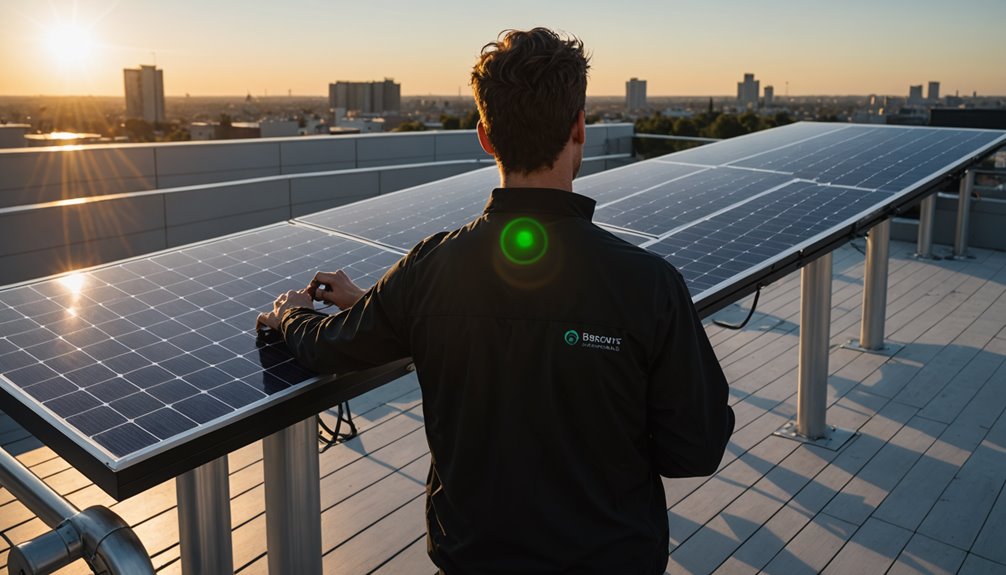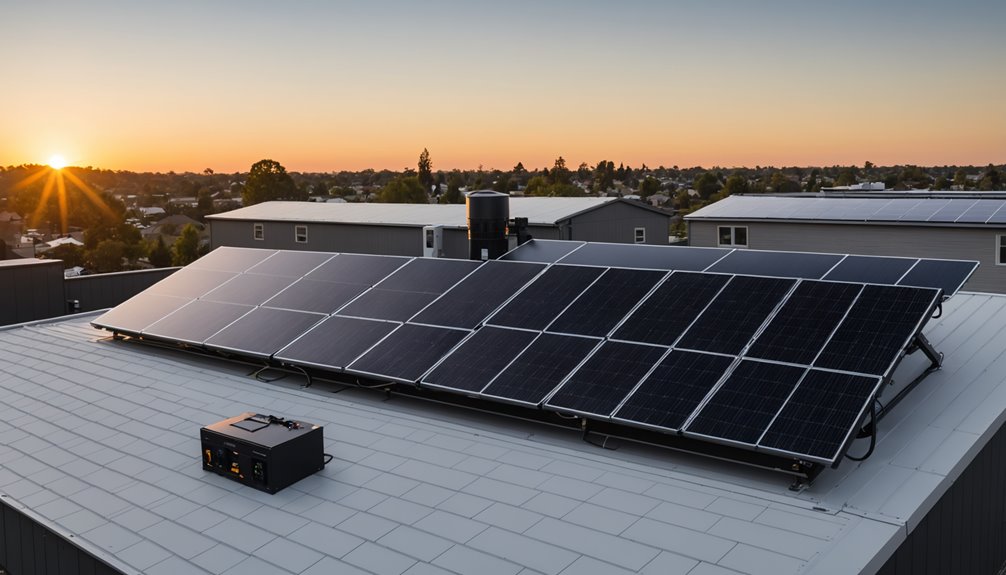
Electricity costs have risen steadily in many regions, prompting homeowners to explore strategies for reducing their utility bills. Two approaches that work effectively in combination are solar energy systems and time-of-use (TOU) rate plans.
Time-of-use rates divide the day into pricing periods, typically charging more during peak demand hours and less during off-peak periods. When paired with solar panels, homeowners can offset consumption during high-cost periods by drawing on solar generation or stored battery energy. They can then shift discretionary electricity use — such as running appliances or charging electric vehicles — to lower-cost windows.
Understanding the structure of your utility’s TOU schedule is a necessary first step. Peak hours vary by provider and season, so aligning solar output and energy storage discharge with those periods determines how much financial benefit is actually realized. Without this knowledge, a solar system may generate electricity at times when grid prices are already low, reducing the economic return.
Battery storage adds another layer of optimization. Excess solar energy generated during midday can be stored and deployed during evening peak hours when solar production drops but electricity prices remain elevated. This approach reduces reliance on grid power precisely when it costs the most.
The financial outcome depends on several variables, including local utility rates, available solar incentives, system size, and household energy consumption patterns. Analyzing these factors before installation or rate plan selection allows for more accurate projections of cost reduction.
Key Takeaways
- Solar panels can reduce reliance on grid electricity during the hours preceding peak TOU pricing periods, which typically fall between 4–9 PM, when per-kilowatt-hour rates are highest.
- Battery storage systems charged during off-peak hours can supply electricity during peak pricing periods, reducing both utility costs and dependence on grid power when rates are elevated.
- TOU rate structures can improve the financial case for solar installations, given that peak pricing hours often coincide with periods of strong solar generation output.
- Scheduling energy-intensive appliances such as washing machines and dishwashers to operate during off-peak hours is a practical method for reducing electricity costs under TOU pricing structures.
- Households that combine solar panels, battery storage, and adjusted energy consumption patterns are generally positioned to achieve greater cost reductions under TOU rate plans than those using only one of these approaches.
What Are Time-of-Use Rates and How Do They Work?
Time-of-use (TOU) rates are a pricing structure in which electricity costs vary depending on the time of day. Utility providers charge higher rates during peak demand periods, generally between 4–9 PM, when overall grid consumption is at its highest. Conversely, rates are lower during off-peak periods, such as overnight hours and early morning, when demand on the grid is reduced.
Utility companies implement TOU pricing to manage grid load more efficiently and reduce the need for expensive supplemental energy generation during high-demand windows. Because electricity generation and distribution costs increase when demand is highest, variable pricing provides a financial incentive for consumers to shift their usage patterns accordingly.
The amount a household pays under a TOU structure depends directly on when electricity is consumed. Appliances and systems with high energy demands—such as dishwashers, washing machines, and electric vehicle chargers—will cost more to operate during peak hours and less during off-peak periods.
Solar panel systems can interact with TOU rates in a practical way. Since solar generation typically occurs during daylight hours, it can reduce or offset reliance on grid electricity before peak pricing periods begin. However, the extent of this offset depends on factors such as system size, household consumption, and local utility net metering policies.
Consumers seeking to reduce their electricity bills under a TOU structure benefit from identifying which tasks can be rescheduled to lower-rate time periods and adjusting usage habits accordingly. In Connecticut, residential solar installations are designed to last over 25 years, meaning households can benefit from long-term protection against utility rate increases while also managing costs under time-of-use pricing structures.
Why TOU Rates Make Solar More Valuable
The relationship between TOU rates and solar energy can create a measurable financial benefit compared to flat-rate pricing structures. During peak demand periods, which typically occur in the late afternoon and early evening, electricity prices under TOU schedules are higher. Solar energy systems continue generating power during portions of this window, potentially reducing reliance on grid electricity at its most expensive intervals.
Pairing battery storage with TOU rates offers an additional layer of cost management. Batteries can be charged during off-peak hours when electricity prices are lower, then discharge stored energy during peak periods when grid electricity costs more. This approach can reduce utility bills and decrease dependence on the grid during high-cost hours.
As TOU pricing becomes more widely adopted by utilities, the economic case for solar installations may strengthen for a broader range of consumers. The financial impact will vary depending on local utility rate structures, individual energy consumption patterns, system size, and installation costs. For households and businesses that can align their energy usage with off-peak periods and maximize solar generation during peak windows, TOU rates represent a pricing environment in which solar and storage investments may offer greater long-term value than under flat-rate billing.
When Are Peak and Off-Peak Hours Where You Live?
Peak and off-peak hours vary depending on your location and utility provider, but they follow recognizable patterns. Peak hours typically fall between 4–9 PM on weekdays, reflecting the period when residential and commercial demand on the grid is highest. Off-peak hours generally occur during late night and early morning, when overall consumption is lower.
Regional differences are worth noting. California utilities tend to enforce defined peak windows with consistent enforcement across providers. Duke Energy Florida, by contrast, adjusts its peak schedules according to seasonal demand shifts, meaning the relevant hours in summer may differ from those in winter.
Understanding these schedules is a practical starting point for managing electricity costs under time-of-use (TOU) rate structures. Shifting energy-intensive tasks such as laundry, dishwashing, or electric vehicle charging to off-peak periods can reduce the amount of electricity consumed at higher rates. For households with solar panels, pairing that generation capacity with battery storage allows excess energy produced during daylight hours to offset consumption during the evening peak window. Reducing usage during peak hours, even without storage, has a measurable effect on monthly utility costs.
The degree of savings depends on the specific rate structure offered by your utility, the household’s baseline consumption patterns, and the extent to which those patterns can be adjusted. Reviewing your utility’s published TOU schedule is a reliable first step in identifying where adjustments are most practical.
How to Shift Energy Use and Cut Your TOU Bill
Shifting energy-intensive tasks to off-peak hours is a straightforward method for reducing TOU electricity costs. Running appliances such as washing machines and dishwashers during off-peak periods can yield savings of 2–3 cents per kWh, depending on the utility’s rate structure. Similarly, charging electric vehicles during off-peak hours takes advantage of lower rates during those windows. Solar battery storage systems can store excess energy generated during daylight hours and discharge it during peak pricing periods, reducing dependence on grid power when rates are highest. Energy monitoring systems provide consumption data that allows households to identify high-usage periods and adjust appliance schedules accordingly, resulting in measurable reductions in monthly electricity costs.
How Battery Storage Eliminates Peak Pricing Costs
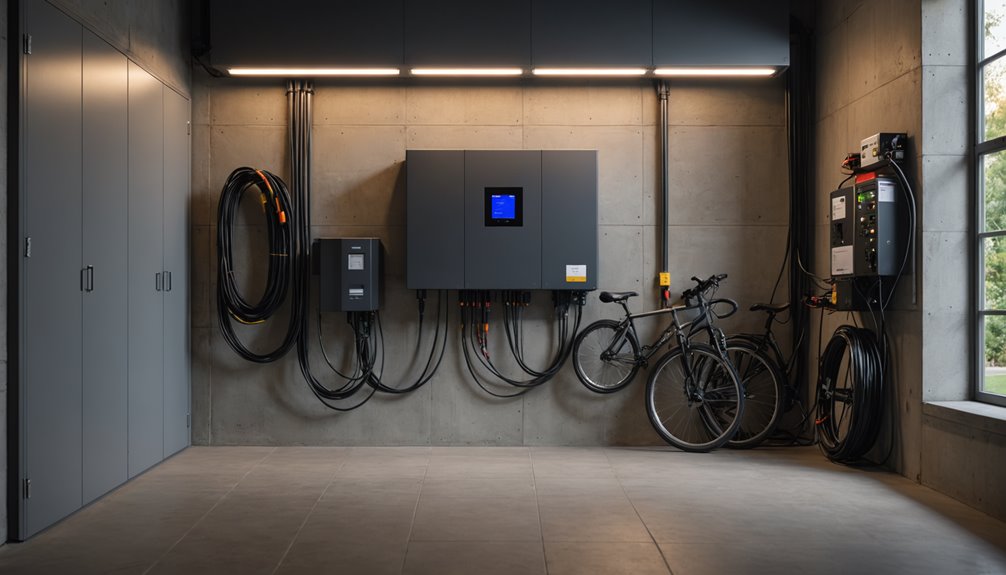
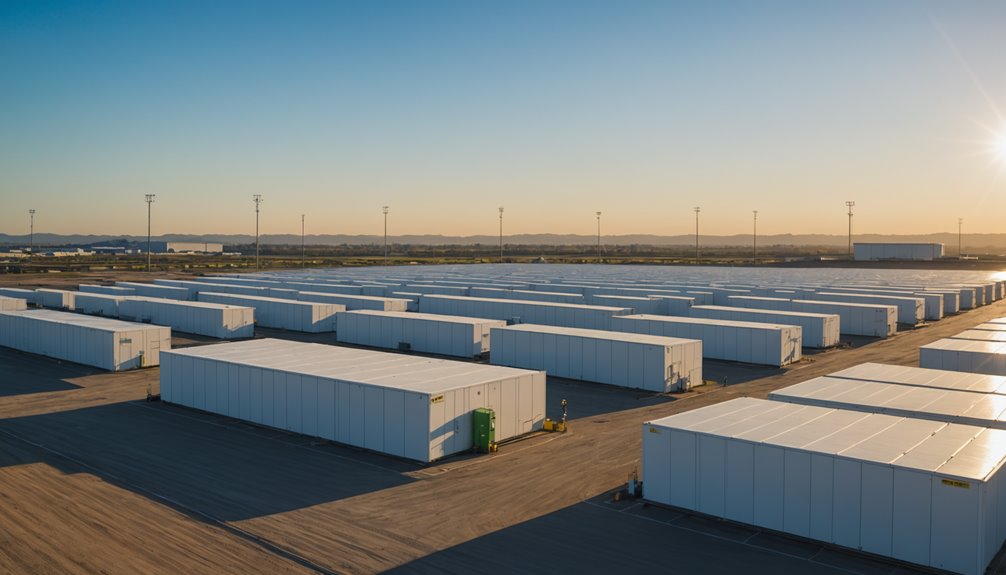
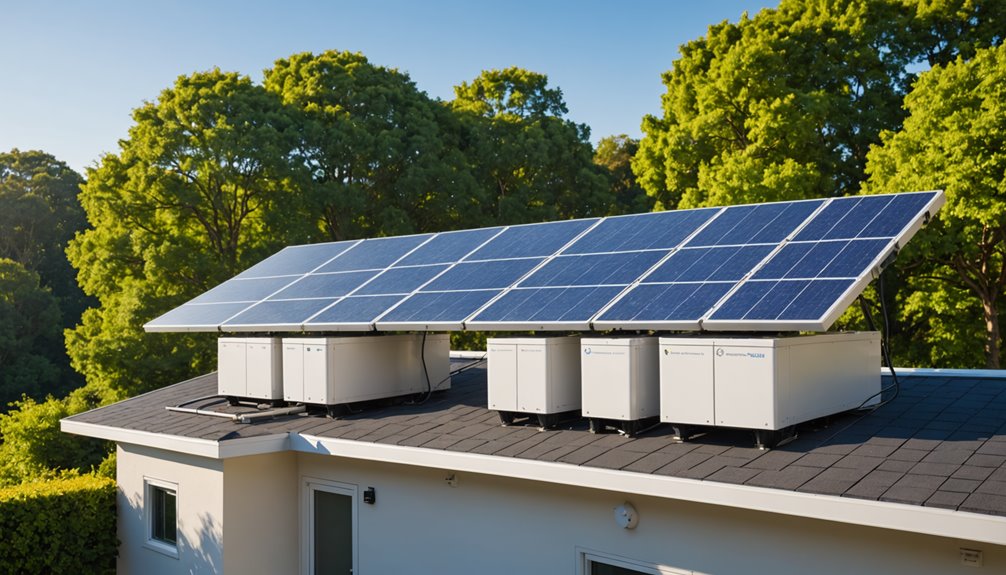
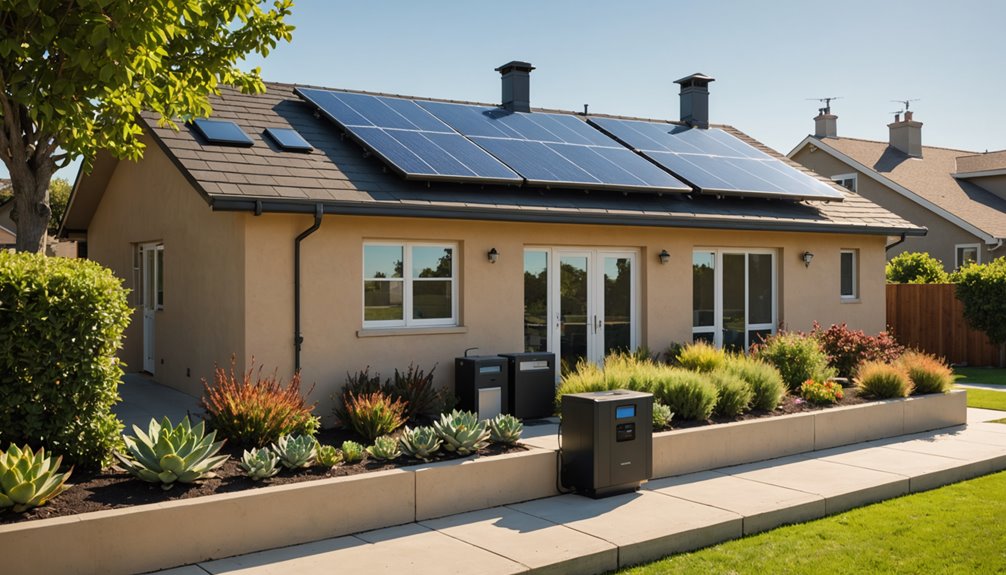
Battery storage systems, such as the Tesla Powerwall, store excess solar energy generated during daylight hours for use during peak pricing periods, reducing dependence on grid power when electricity rates are highest. Charging storage systems during off-peak hours, when utility rates are lower, can contribute to reduced overall electricity costs. When integrated with solar panel systems, battery storage allows homeowners to align energy consumption patterns with time-of-use rate structures, drawing from stored energy rather than the grid during high-cost periods.
This configuration also addresses the “duck curve” phenomenon, a grid management challenge characterized by excess solar generation during midday and sharp demand increases in the evening. Rather than exporting surplus solar energy to the grid at reduced compensation rates, homeowners can retain that energy for later use during peak demand hours. Over time, this approach can meaningfully lower electricity costs, though actual savings depend on factors including local utility rate structures, household energy consumption patterns, and the capacity of the storage system installed.
Smart Devices That Automate Your TOU Rate Savings
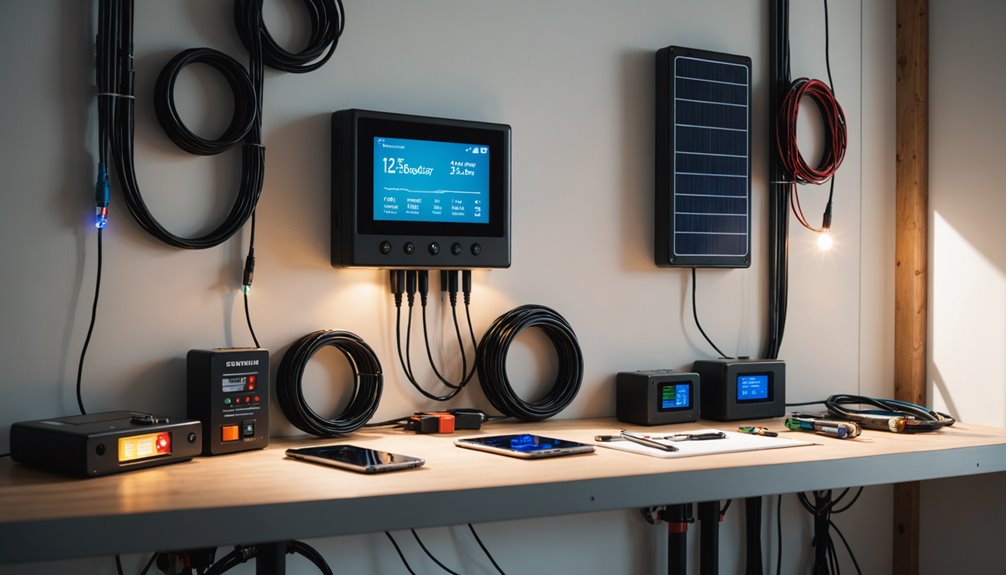
Smart devices offer a practical approach to managing time-of-use rates by controlling when and how a home draws energy from the grid. Programmable thermostats can be configured to run heating and cooling cycles during off-peak hours, reducing demand during higher-rate periods. Smart plugs provide scheduling capabilities for appliances with significant energy draws, such as dishwashers and washing machines, allowing them to operate when rates are lower.
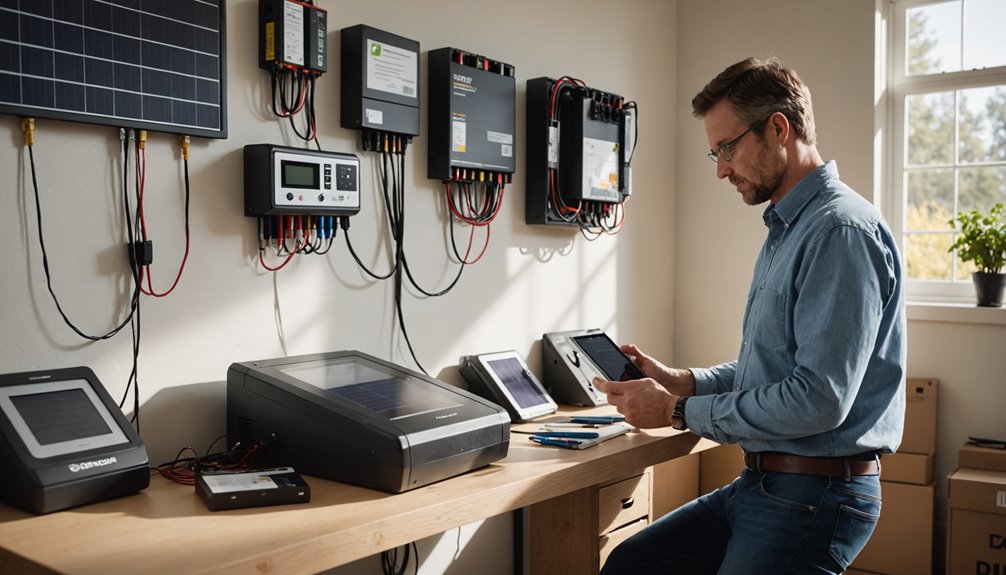
Energy monitoring systems collect consumption data that can identify which devices and behaviors contribute most to peak-hour usage. This data supports more informed decisions about load shifting. For homes equipped with solar battery storage, smart management systems can be programmed to discharge stored energy during peak-rate windows and recharge during off-peak periods, reducing reliance on grid electricity at higher costs.
Electric vehicle charging is another area where automation offers measurable financial benefit. Smart chargers can be set to initiate charging during overnight off-peak hours, when TOU rates are typically at their lowest. When these devices operate as an integrated system, they collectively reduce the need for manual intervention in daily energy management. The result is a more consistent alignment between household consumption patterns and lower-rate periods, which translates to reduced electricity costs over time.
Which Households Benefit Most From TOU Rate Plans?
Not every household benefits equally from TOU rate plans. The primary determining factor is whether occupants can shift energy-intensive appliance use — such as laundry, dishwashing, and electric vehicle charging — to off-peak hours when rates are lower. Households with solar panel systems paired with battery storage tend to see greater financial returns, as stored energy generated during daylight hours can be used during high-rate peak periods rather than drawing from the grid. Geographic location also plays a role, since utility providers in different regions set varying differentials between peak and off-peak rates, which directly affects the degree of potential savings. Households with rigid or inflexible daily schedules may find limited opportunity to adjust consumption patterns, reducing the practical benefit of TOU pricing. Overall, the financial value of switching to a TOU plan depends largely on consumption flexibility, existing energy infrastructure, and the specific rate structure offered by the local utility provider.
Conclusion
Combining solar panels, battery storage, and smart devices can reduce utility costs for households enrolled in time-of-use (TOU) rate plans. TOU pricing structures charge higher rates during peak demand periods and lower rates during off-peak hours. Understanding your utility’s specific TOU schedule allows for more informed decisions about when to run high-consumption appliances and when to draw from battery storage rather than the grid. Solar generation paired with battery systems can offset peak-hour grid consumption, which is typically when rates are highest. Reviewing your local utility’s rate schedule is a practical first step toward identifying where the most meaningful cost reductions can be achieved.