
Before signing a solar agreement, it is important to ask specific questions about the terms, equipment, and parties involved. Understanding these details helps avoid unfavorable contract conditions and ensures the investment aligns with your financial and energy goals.
Key areas to examine include the installer’s credentials, the specifications of the equipment being installed, warranty coverage, and the procedures for addressing system failures or disputes.
Reviewing these factors carefully before committing to an agreement reduces the likelihood of unexpected costs or complications.
Key Takeaways
Before signing a solar agreement, consider the following key factors:
Installer Credentials
Verify that the installer holds NABCEP certification, appropriate state licensing, bonding, and insurance coverage. Request references from previous clients to assess the quality and reliability of their work.
Panel Performance and Warranty
Confirm that solar panels come with a 25-year performance warranty. Pay attention to the degradation rate, which determines how much output capacity the panels lose over time, and evaluate efficiency ratings relative to industry standards.
Financial Incentives
Identify applicable financial incentives, including the federal Investment Tax Credit (ITC), which currently stands at 26% of system costs, along with any state-level rebates or Solar Renewable Energy Credit (SREC) programs available in your area. Note that ITC percentages are subject to legislative changes.
Warranty Coverage
Review all warranty documentation carefully. This should include coverage for equipment defects, workmanship errors, and any potential roof damage that may result from the installation process. Understand the claims process and who bears liability in each scenario.
Contract Terms
Ensure the contract clearly defines the installation timeline, options for future system expansion, monitoring provisions, and the allocation of maintenance responsibilities between the installer and the homeowner. Ambiguous contract language in any of these areas can lead to disputes after installation is complete.
Who Is Actually Installing Your Solar System?
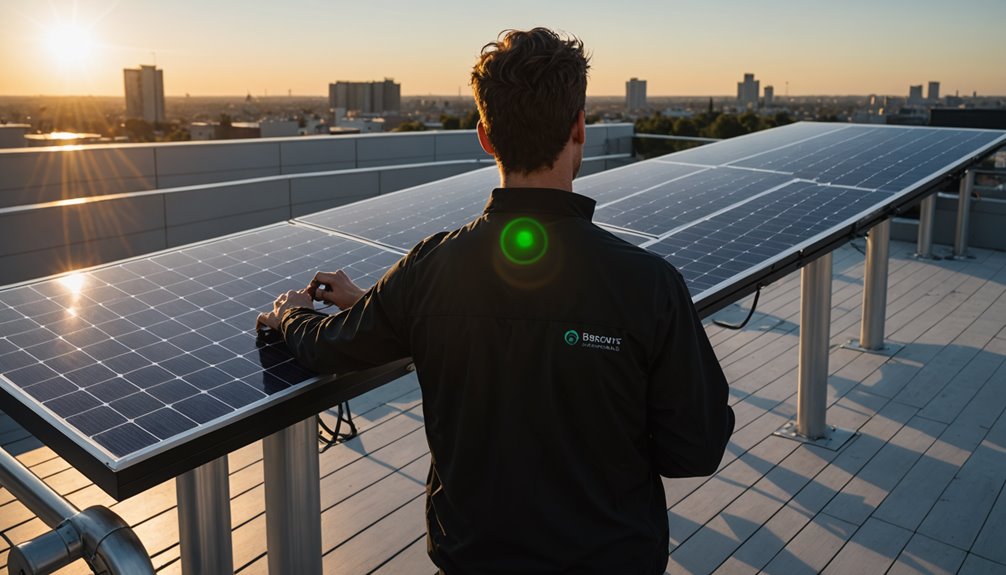
Before signing a solar agreement, it is worth understanding who will physically perform the installation work. Key factors to evaluate include the installer’s operational history, total number of completed installations, and whether they hold NABCEP certification alongside proper licensing, bonding, and insurance. Requesting references from previous clients provides direct insight into workmanship quality and overall service reliability.
It is also important to confirm whether a NABCEP-certified professional will oversee the installation from start to finish, as this credential reflects a recognized standard of technical competency in the industry. When subcontractors are involved, their qualifications and the company’s quality control procedures warrant the same level of scrutiny as the primary installer. Inconsistent oversight across subcontracted work can affect the overall performance and safety of the completed system. Reputable installers often back their work with a 25-year performance guarantee, providing long-term assurance that the system will continue to generate electricity as expected.
Which Solar Panels and Inverters Should You Agree To?
When evaluating solar equipment, several technical and warranty-related factors warrant careful consideration. Solar panels should carry a 25-year performance warranty, with a degradation rate of approximately 0.5% per year being a reasonable benchmark. Panel efficiency ratings typically range from 15% to over 22%, a metric that directly determines how much electricity a given panel will produce under standard conditions. Manufacturer credibility can be assessed through Bloomberg Tier 1 classification, which reflects financial stability and production scale rather than panel quality alone, so it should be treated as one indicator among several.
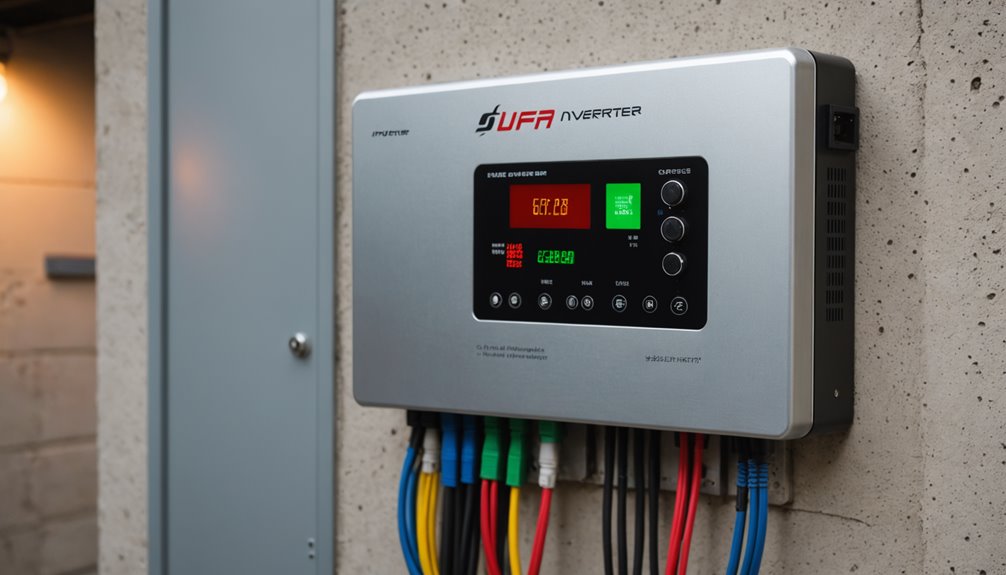
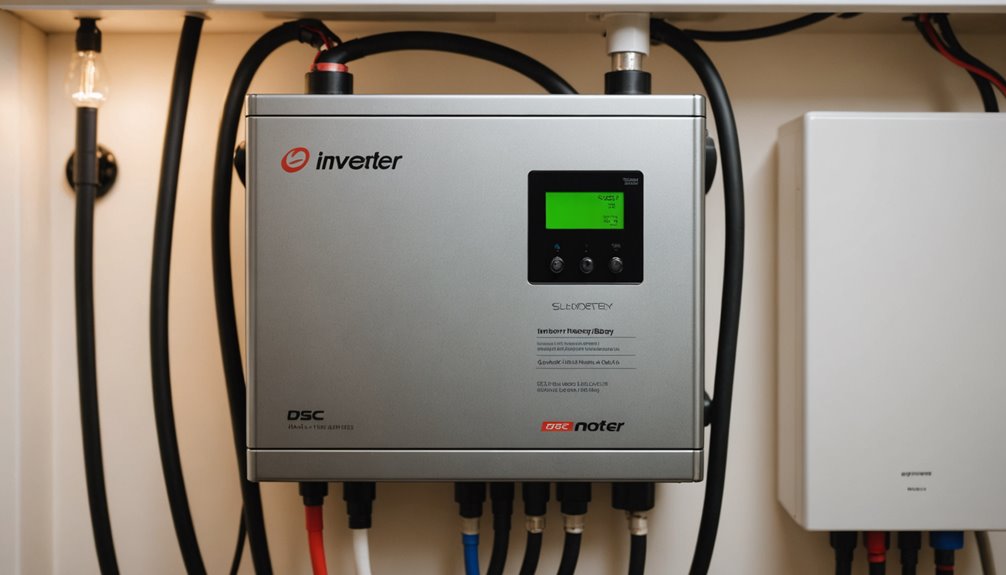
For inverters, the choice between string inverters and microinverters involves trade-offs in cost, performance monitoring, and warranty length. String inverter warranties generally run around 10 years, while microinverter warranties commonly extend to 25 years. String inverters affect entire panel arrays when one unit underperforms, whereas microinverters operate independently at the panel level, which can be advantageous in installations with partial shading.
System compatibility with future expansions is a practical consideration that is often overlooked at the point of initial installation. Equipment that does not accommodate additional panels or battery storage integration may require significant reconfiguration later, increasing long-term costs. Clarifying these parameters before signing any agreement reduces the likelihood of avoidable expenses as energy needs or available technologies change over time.
Which Solar Incentives and Tax Credits Can You Claim?
Solar installations may qualify for several financial incentives that can reduce overall costs. The federal solar Investment Tax Credit (ITC) currently allows homeowners to deduct 26% of installation costs from their federal tax liability. This credit applies exclusively to owned systems; leased or power purchase agreement (PPA) arrangements do not qualify the homeowner for this deduction.
Beyond the federal level, many states maintain their own incentive structures, which may include upfront rebates, property tax exemptions, or performance-based incentives tied to energy production. These programs vary considerably by location, and not all states offer them.
Homeowners in eligible markets can also participate in Solar Renewable Energy Certificate (SREC) programs. Each certificate represents one megawatt-hour of solar energy generated and can be sold to utilities working to meet renewable portfolio standards, providing a supplemental income stream over time.
For homeowners whose annual tax liability falls below the full value of the federal credit, the ITC allows the unused portion to be carried forward for up to five years. This provision is relevant for individuals with lower tax burdens who might otherwise lose a portion of the credit in a single filing year.
The combined value of available incentives depends on geographic location, system ownership structure, local utility policies, and individual tax circumstances. Consulting a tax professional familiar with energy credits is advisable before making installation decisions.
What Are Your Financing Options and True Costs?
Understanding the full cost structure and available financing mechanisms is essential before entering a solar agreement. A detailed cost breakdown should include equipment, labor, permitting fees, and any additional charges that may not be immediately apparent in initial quotes. Financing options generally fall into three categories: solar loans, leases, and Power Purchase Agreements (PPAs). The distinction between these options carries significant financial implications, particularly regarding tax incentives. System ownership, which applies to outright purchases and solar loans, is required to claim the federal solar Investment Tax Credit (ITC) and most state or local incentive programs. Leases and PPAs transfer ownership to the provider, making the buyer ineligible for these benefits. When evaluating loan-based financing, relevant factors include the interest rate, loan term, and monthly payment structure relative to projected energy savings. The payback period, typically ranging from five to ten years, varies based on local utility rates, energy consumption patterns, and applicable incentives. Reviewing all contractual terms carefully before committing to any financing structure is advisable.
How Does Net Metering Work With Your Utility Provider?
Net metering is a billing arrangement that allows solar system owners to send surplus electricity to the grid in exchange for credits applied to their utility bills. The value of these credits depends on the compensation rate set by the utility provider. Some providers credit excess generation at the full retail electricity rate, while others apply a lower wholesale rate, which can meaningfully affect the financial return on a solar installation over time.
Net metering agreements are not permanent. Most carry defined terms lasting between 10 and 20 years, after which the utility provider may revise the compensation structure. This is a relevant consideration when calculating long-term savings, as a change in terms partway through a system’s operational life could alter projected returns.
Before entering a net metering agreement, it is advisable to confirm the specific credit rate being offered and the duration for which that rate is guaranteed. Utility policies on net metering also vary by state and are subject to regulatory changes, so reviewing current rules in your jurisdiction adds further accuracy to any financial projection. These factors, taken together, have a direct and measurable impact on the overall economics of a solar investment.
What Warranties Cover Your Panels and Workmanship?
Solar agreements typically include several warranty components that homeowners should review carefully before signing. A standard solar panel system should carry a 25-year power performance warranty, which ensures the panels maintain a specified output level over their operational lifespan. Installation workmanship warranties generally cover defects resulting from improper installation and should extend for a minimum of 10 years.
Manufacturing defects are typically handled separately through the panel manufacturer rather than the installer, so homeowners should confirm this coverage exists independently within their contract documentation. An energy production guarantee is another key component, generally stipulating that the system will deliver approximately 80% of its projected output — a figure that serves as a baseline measure of acceptable system performance.
Warranty transferability is also a practical consideration for homeowners who may sell their property during the warranty period. Transferable warranties maintain their validity under new ownership, which can be a relevant factor in a property transaction and may influence resale value.
How Long Will Installation Take From Contract to Power-On?
The timeline from contract signing to system activation typically spans two to six months. This range accounts for several sequential phases: site assessment, system design and engineering review, utility interconnection applications, and local permitting processes. Each phase carries its own variables that can extend or compress the overall schedule.
Permitting timelines vary considerably depending on jurisdiction. Some municipalities process solar permits within weeks, while others require several months due to backlog or specific regulatory requirements. Utility interconnection approval is another common source of delay, as grid operators work through application queues on their own schedules.
Before signing, request a written project schedule that identifies each phase and its estimated duration. Contracts should specify a projected completion date and define what constitutes a delay, along with any associated remedies or penalties for missed milestones. Without these provisions, accountability for timeline slippage remains ambiguous.
Equipment availability is a separate consideration. Supply chain disruptions have affected solar component lead times in recent years. Contracts should include language specifying that any substitute equipment—whether inverters, panels, or racking systems—must meet or exceed the performance and warranty specifications of the originally agreed-upon components. Verbal assurances on this point are insufficient.
Understanding the full scope of the installation timeline and the contractual protections surrounding it allows for more accurate planning and reduces the risk of disputes once work is underway.
Who Handles Solar Panel Repairs or Roof Work Conflicts?
When solar panels are installed on a residential roof, questions of responsibility for subsequent roof repairs or panel-related conflicts are often inadequately addressed before contracts are signed. Homeowners should clarify several key points with their installer prior to agreement.
Installer responsibilities typically include the removal and reinstallation of solar panels when roof maintenance or repair is required. However, the terms governing this process—including associated costs and timelines—vary significantly between providers. Reviewing these terms in detail before signing is advisable.
Warranty coverage is another area requiring careful examination. Solar panel warranties and roofing warranties are generally separate documents with distinct terms, and conflicts between the two can leave homeowners responsible for costs that might otherwise appear covered. Confirming whether the installer’s warranty addresses roof damage resulting from installation or subsequent panel work is a practical step.
Liability for post-installation roof leaks is a common point of dispute. Determining in writing which party bears responsibility—whether the solar installer, roofing contractor, or homeowner—helps establish a clear framework for resolving such issues if they arise.
All agreements regarding repairs, conflict resolution procedures, and liability should be documented within the contract itself rather than communicated verbally. Reviewing contract language with attention to these specific provisions reduces the likelihood of unresolved disputes or unexpected costs later in the system’s lifespan.
Can You Add More Panels or a Battery Later?
Scalability is an important technical consideration when evaluating a solar installation. Not all systems are designed to accommodate future expansion, so it is worth confirming with your installer whether additional panels or battery storage can be integrated later.
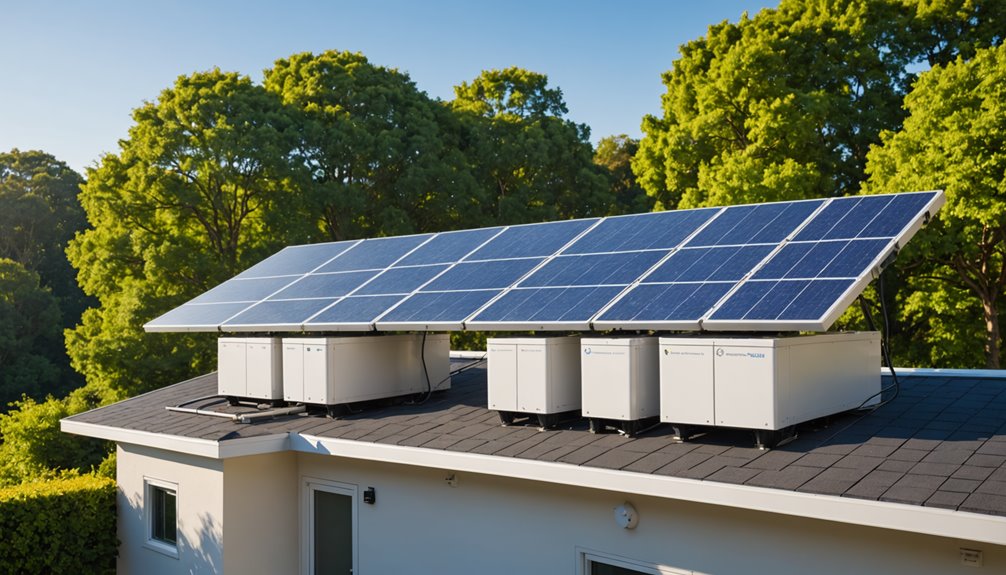
Inverter capacity plays a significant role in this. An inverter sized only for the current system load will likely require replacement if more panels are added, whereas one rated for higher capacity can support expansion without that additional cost. This distinction is worth clarifying before equipment is selected.
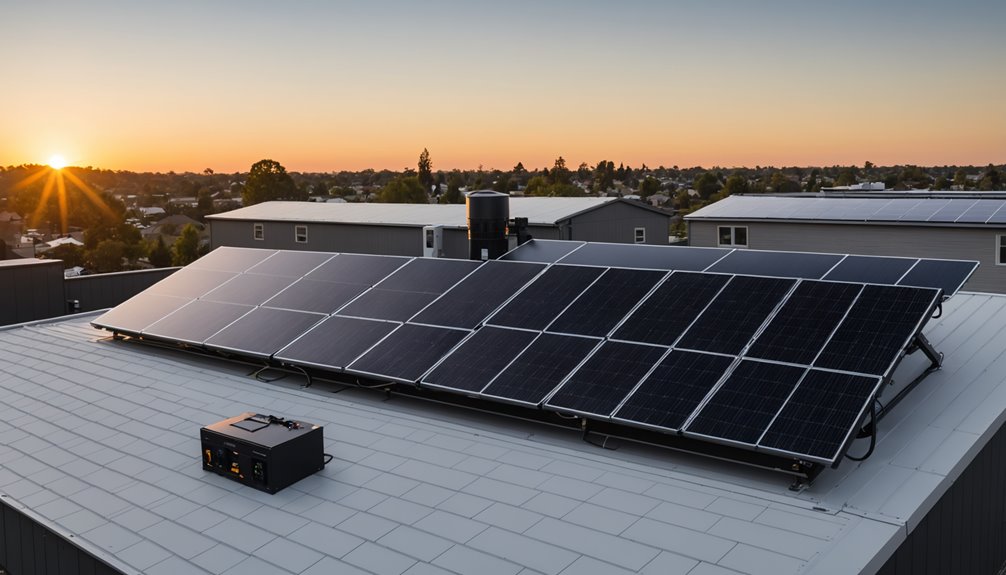
Roof space is another limiting factor. If usable area is constrained, higher-efficiency panels may allow for greater energy output within the same footprint, preserving options for future additions. A roof assessment during the planning stage can help identify realistic expansion limits.
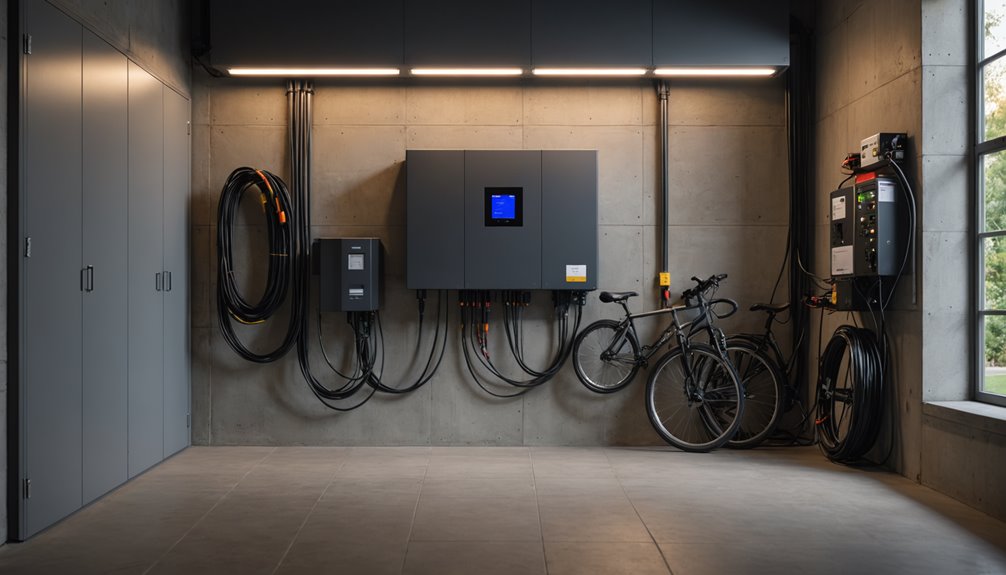
Battery compatibility should also be addressed at the design stage. Some inverters and system configurations are not compatible with all battery technologies, and retrofitting an incompatible system can be technically complex and costly. Specifying battery-ready components from the outset avoids this issue.
Finally, review the contract terms carefully. Some agreements include provisions for panel removal and reinstallation in the event of roof work or system changes, while others do not. Understanding what is and is not covered before signing reduces the risk of unexpected expenses tied to future modifications.
What Monitoring, Maintenance, and Follow-Up Should Be in Your Contract?
A comprehensive solar contract should include specific provisions for monitoring, maintenance, and long-term support. Performance reporting should be outlined with clear intervals—typically monthly or quarterly—along with the specific efficiency metrics used to evaluate system output, such as kilowatt-hours generated and performance ratios.
Routine maintenance terms should define the scope of scheduled inspections and cleaning services, including how frequently they occur and whether associated costs are covered under the contract or billed separately. These details help avoid ambiguity when service is needed.
Warranty claim procedures should be documented with specific response time commitments, designated points of contact, and the process for resolving equipment or workmanship issues. Vague warranty language can create delays or disputes when problems arise.
Post-installation follow-up schedules and the availability of ongoing customer support should also be stated explicitly. This includes whether support is provided by the original installer or a third-party service provider, and through which communication channels.
These contractual provisions serve a practical function: they establish accountability, reduce the likelihood of service gaps, and provide a clear framework for resolving issues over the system’s operational lifespan.
Conclusion
Reviewing a solar agreement carefully before signing is an important step in protecting your financial and practical interests. Key areas to examine include the installer’s credentials and track record, the specific equipment being used and its warranties, and the financing structure—whether a purchase, loan, lease, or power purchase agreement. Each financing option carries different implications for ownership, maintenance responsibility, and long-term savings.
Understanding how available incentives, such as federal tax credits or local rebates, are applied within the agreement is also necessary, as some contracts assign these benefits to the installer rather than the homeowner. Maintenance obligations, performance guarantees, and the process for addressing system issues should be clearly outlined in the contract.
Additionally, provisions related to future modifications—such as adding battery storage or expanding system capacity—are worth reviewing, as some agreements include restrictions that could limit flexibility. Taking time to read the agreement in full and, if needed, consulting an independent legal or financial advisor before signing reduces the likelihood of encountering unexpected costs or obligations over the life of the system.