Installing solar panels on a residential property introduces coverage considerations that standard homeowners insurance policies may not fully address.
While many policies extend coverage to rooftop solar systems as part of the dwelling structure, the extent of that coverage varies by insurer and policy terms.
Homeowners should review their existing policy carefully before installation to identify potential gaps, particularly around replacement cost versus actual cash value, liability for third-party damage, and coverage limits that may be insufficient given the added property value of a solar installation.
Adjusting coverage limits and confirming the scope of protection before the system becomes operational can help avoid out-of-pocket losses in the event of damage, equipment failure, or related incidents.
Key Takeaways
- Rooftop solar panels generally fall under standard homeowners Dwelling Coverage, which addresses damage from fire, hail, lightning, theft, and vandalism.
- Installing solar panels raises a home’s overall replacement cost, making it necessary to adjust policy limits after installation to maintain adequate coverage.
- Informing your insurer following installation helps confirm the scope of existing coverage, minimizes potential disputes during the claims process, and may qualify the homeowner for discounts tied to energy-efficient improvements.
- Standard coverage does not extend to damage resulting from improper installation, insufficient maintenance, or normal wear and tear, which are typically excluded under most policies.
- When solar panels are leased rather than owned, the leasing company generally maintains responsibility for insuring the panels themselves, while the homeowner remains liable for any related structural damage to the property.
Does Standard Homeowners Insurance Cover Rooftop Solar Panels?
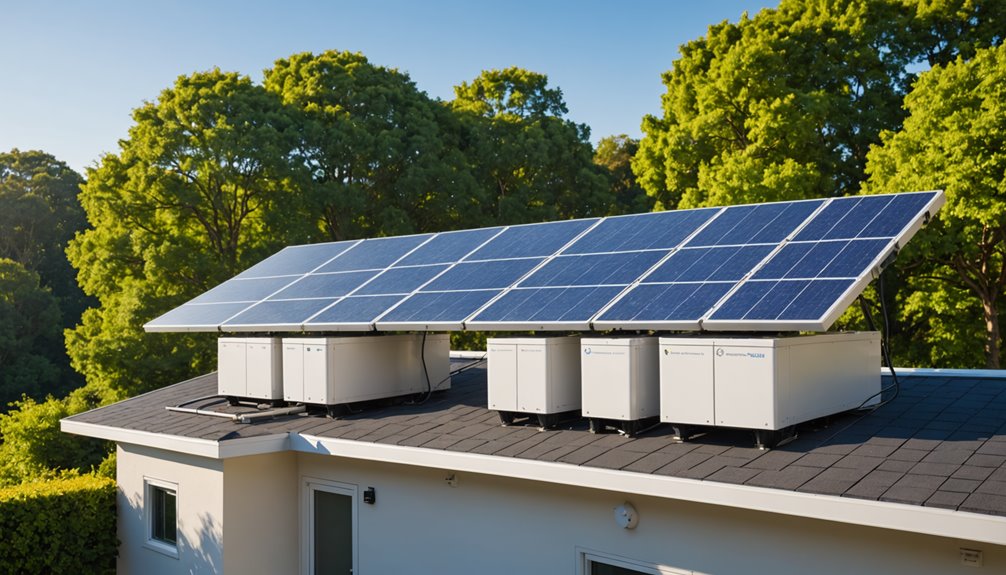
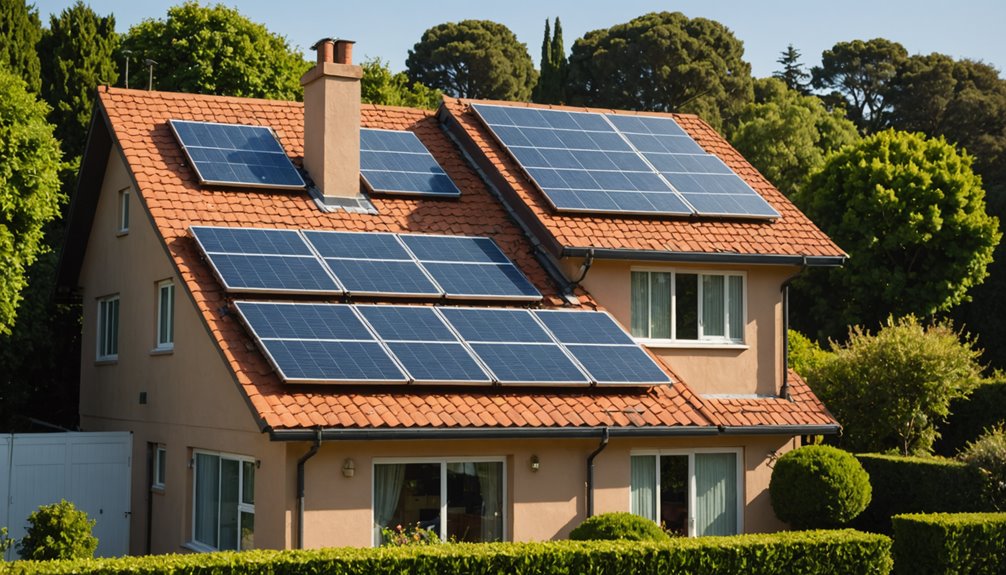
Rooftop solar panels are generally covered under standard homeowners insurance as part of Dwelling Coverage, given their classification as a permanent structural component of the home. This coverage typically extends to damage caused by fire, hail, lightning, theft, and vandalism.
Policy limits warrant careful review, as they may not automatically account for the added value of a solar installation. If the existing coverage ceiling falls short of the system’s full replacement cost, adjusting the policy limits is advisable. In cases where the policy does not explicitly reference solar panels, requesting a formal endorsement can address potential coverage gaps.
Notifying the insurance provider prior to or immediately following installation is a practical step that confirms coverage applicability and reduces the likelihood of disputes during the claims process. This is particularly relevant given that residential solar systems are built to last over 25 years, meaning the insured asset represents a long-term financial commitment that warrants consistent and adequate coverage throughout its lifespan.
Rooftop vs. Ground-Mounted Solar Panels: How Homeowners Insurance Covers Each
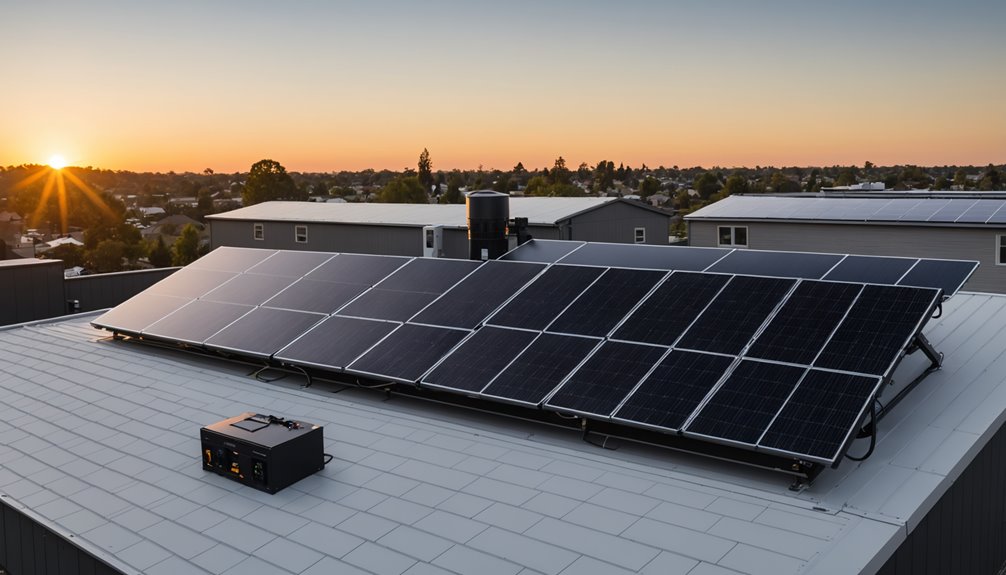
The way solar panels are mounted on a property determines how they are classified under a standard homeowners insurance policy. Rooftop panels that are permanently affixed to the home’s structure are generally categorized under Dwelling Coverage. This classification means they are protected against common covered perils, including fire, wind, and theft, up to the dwelling coverage limit.
Ground-mounted solar panels are treated differently. Because they are not attached to the primary structure, insurers typically classify them under Other Structures coverage. This category carries lower default policy limits, often set at 10% of the dwelling coverage amount, which may be insufficient for larger or higher-value ground-mounted systems.
Homeowners with ground-mounted installations should review their policy limits carefully, as standard Other Structures coverage may not fully account for the replacement cost of the system. In such cases, a policy endorsement or rider may be necessary to extend adequate coverage.
Certain exclusions apply regardless of how panels are mounted. Damage resulting from improper installation, gradual wear and tear, or manufacturer defects is typically not covered under standard homeowners policies. These scenarios may require separate product warranties or workmanship guarantees from the installer.
Homeowners should inform their insurance provider when adding solar panels to their property. Failure to disclose the installation could affect coverage eligibility, and policy limits established before the addition may no longer reflect the property’s full replacement value.
What Perils Are Actually Covered Under Solar Panel Insurance?
Solar panel insurance coverage varies by policy, but most homeowners insurance policies extend protection to solar panels as part of the dwelling or as scheduled equipment. Common covered perils typically include fire, lightning, hail, theft, and vandalism. Liability coverage is generally included as well, addressing bodily injury or property damage affecting third parties.
It is worth noting that coverage is not uniform across all policies. Some insurers explicitly exclude wind and hail damage, which represents a significant gap given that these are among the most frequent causes of solar panel damage. Policyholders should review their declarations page and policy language carefully to identify any such exclusions.
Certain categories of loss are consistently excluded regardless of the insurer. Damage resulting from inadequate maintenance, gradual deterioration, or manufacturing defects typically falls outside the scope of standard homeowners coverage. In these cases, manufacturer warranties or separate equipment protection plans may apply.
Informing your insurance provider of a solar panel installation is a practical necessity. Panels that are not disclosed may not be covered, or coverage limits may prove insufficient relative to the replacement cost of the system. Some insurers require a policy endorsement or rider to adequately cover high-value installations.
For complete protection, policyholders may need to evaluate whether their existing coverage limits are sufficient or whether supplemental insurance products better address the specific risks associated with solar energy systems.
What Your Homeowners Policy Won’t Cover When Solar Panels Are Damaged
Homeowners insurance policies contain specific exclusions that may leave solar panel damage uncompensated. Common exclusions include damage resulting from improper installation, inadequate maintenance, and normal wear and tear over time. These exclusions reflect standard insurance practice, as policies are designed to cover sudden, unexpected losses rather than preventable or gradual deterioration.
Wind and hail coverage for solar panels may be subject to separate sublimits within a standard homeowners policy, meaning full replacement costs may not be covered without supplemental coverage. Additionally, solar panels temporarily removed during roof repairs or renovation work typically fall outside standard coverage parameters during that period.
Some insurers require policyholders to obtain dedicated solar equipment insurance, particularly for larger or more costly installations. Standard homeowners policies may also impose coverage caps that fall short of actual solar panel replacement costs, which have risen alongside installation complexity and equipment pricing.
Reviewing policy documentation carefully allows homeowners to identify specific exclusions and coverage limits before damage occurs. Consulting directly with an insurance provider about solar-specific endorsements or standalone policies can help close coverage gaps. Failing to address these gaps in advance may result in significant out-of-pocket expenses when damage occurs, as claims that fall within policy exclusions will not be eligible for reimbursement.
How Solar Panels Change the Replacement Cost on Your Homeowners Policy
Adding solar panels to your home increases the overall replacement cost of your property, which may render your existing Dwelling Coverage limits insufficient. Solar panel installations typically range in cost from $10,000 to $25,000, depending on system size and equipment, meaning your current coverage limits may fall short of what is needed to fully replace the system following a covered loss. Updating your homeowners insurance policy to reflect this added value is a practical step toward maintaining adequate protection. Failure to adjust coverage limits could result in a gap between your policy payout and the actual cost of replacing the system. Homeowners should review their current Dwelling Coverage limits and consult with their insurance provider to determine whether an adjustment is necessary. Premium increases associated with higher coverage limits are generally proportional to the added replacement value and represent a standard aspect of maintaining appropriate coverage for a higher-value property.
Do Solar Panels Raise Your Homeowners Insurance Premium?
Installing solar panels can raise homeowners insurance premiums, as the added value of the system increases the home’s overall replacement cost. Insurers typically adjust coverage limits to account for this, which in turn affects the premium amount. The extent of the increase depends on factors such as the size and value of the solar installation, as well as the specific policies of the insurer.
Some insurance providers offer discounts or incentives for energy-efficient upgrades, which may partially offset the premium increase. However, this varies by insurer and is not universally available. Homeowners should contact their insurance provider directly after installation to review their current policy, understand any adjustments to premiums and coverage limits, and confirm they have sufficient coverage for the new system.
Owned vs. Leased Solar Panels: Who Carries the Insurance Responsibility?
Ownership status of solar panels determines the distribution of insurance responsibilities between the homeowner and the leasing company. Homeowners who purchase their panels outright are required to update their homeowners insurance policy to reflect the added value and potential liability associated with the installation. Standard homeowners policies may not automatically extend coverage to solar panels, making a direct review with the insurance provider necessary.
In leasing arrangements, the leasing company generally maintains insurance coverage for the panels themselves, as they retain ownership of the equipment. However, this coverage typically does not extend to potential structural damage to the roof caused by the installation or related incidents. Homeowners in leasing agreements may therefore carry partial insurance responsibility, specifically for the structural components of their property.
Notifying the insurance provider of any leasing arrangement is a practical step toward identifying gaps in existing coverage. Lease agreements vary in their terms regarding insurance obligations, and homeowners should review these documents to understand the precise division of liability. Failing to clarify these terms can result in uncovered losses in the event of damage, leaving the homeowner financially exposed in areas not addressed by either the leasing company’s policy or the existing homeowners policy.
Does Your Homeowners Insurance Cover Ground-Mounted and Detached Solar Systems?
Ground-mounted solar panels and systems installed on detached structures are generally categorized under the “Other Structures” provision of a standard homeowners insurance policy. This provision typically provides coverage at a lower limit than the main dwelling, often calculated as a percentage of the primary structure’s insured value. As a result, the coverage amount may be insufficient to fully address repair or replacement costs for a complete solar installation.
Some insurers exclude ground-mounted or detached solar systems from standard policy terms unless the systems are explicitly identified in the policy documentation. This means a policyholder could face a coverage gap if an undisclosed installation is damaged or destroyed.
To address these limitations, insurers may offer endorsements or riders that extend coverage to these systems at appropriate values. In some cases, a separate standalone policy may be required. Policyholders should formally disclose any ground-mounted or detached solar installation to their insurance provider at the time of installation. Failure to do so may result in denied claims or inadequate reimbursement, particularly given the significant capital investment these systems typically represent.
Reviewing the specific language of your policy regarding “Other Structures” and discussing the details of your solar configuration with your insurer are practical steps toward ensuring your coverage accurately reflects your property’s current state.
How to Add Solar Coverage and Update Your Homeowners Policy Limits
After installing solar panels, homeowners should notify their insurer and update their policy limits accordingly. Contact your insurance company to request specific coverage details, as panels can increase your home’s replacement value by $10,000–$25,000, which may require higher dwelling coverage limits. For ground-mounted systems, inquire about endorsements or riders, since standard homeowners policy limits under “Other Structures” may not provide sufficient coverage. Maintain thorough documentation, including receipts and permits, to support any future claims. Review your deductibles to understand your out-of-pocket costs in the event of a claim. These steps help ensure your homeowners insurance coverage accurately reflects the added value of your solar installation.
What to Ask Your Insurer Before Your Solar Panels Go Live
Prior to solar panel installation and activation, reviewing your home insurance policy and consulting with your insurer can help avoid gaps in coverage or unexpected financial exposure.
One of the first points to clarify is how your insurer classifies solar panels within your policy structure. Some policies cover panels as part of dwelling coverage, while others categorize them under other structures, which typically carries lower policy limits. This distinction directly affects the compensation available in the event of a covered loss.
It is also worth confirming which specific perils are covered under your policy as they relate to solar panels. Common covered perils include fire, hail, wind, and theft, but coverage can vary between insurers and policy types. Understanding these terms in advance allows for more accurate risk assessment.
For ground-mounted systems, standard homeowner policies may not automatically extend coverage. In such cases, a policy endorsement or rider may be necessary to ensure the system is included.
Installation of solar panels can also affect the overall replacement value of your home, which may require an adjustment to your existing coverage limits. Failing to update these limits could result in being underinsured in the event of a total or partial loss.
Finally, understanding how your deductible applies to solar panel-related claims is a practical consideration. Some policies apply a separate deductible for specific perils such as hail or wind, which could influence out-of-pocket costs when filing a claim.
Conclusion
Adding solar panels to a home represents a substantial financial investment that requires careful consideration of existing insurance coverage. Homeowners should not assume their current policy automatically extends to cover solar installations. Several steps are necessary to ensure adequate protection.
First, insurers should be notified before or immediately after installation, as undisclosed additions can create complications during the claims process. Dwelling coverage limits may need to be increased to reflect the added value of the system, which typically ranges from $15,000 to $30,000 depending on system size.
Ownership status also affects coverage responsibilities. Owned panels are generally covered under the homeowner’s policy as a permanent attachment to the structure, though specific exclusions — such as mechanical breakdown or power surges — may apply. Leased panels, by contrast, are often the financial responsibility of the leasing company, though homeowners should verify this arrangement in writing.
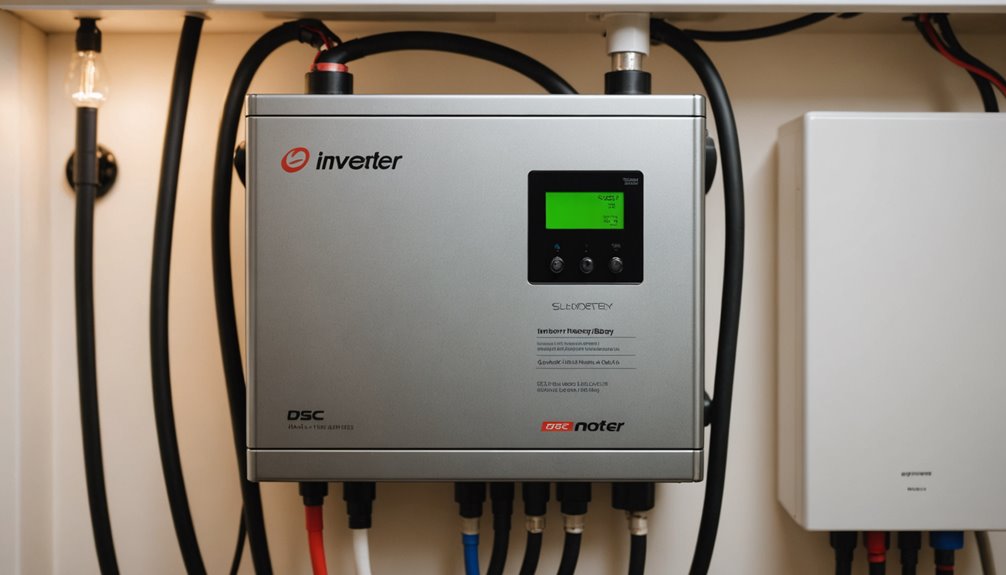
Policy review should address the following areas: structural coverage for panel damage, liability coverage if panels cause damage to neighboring property, and equipment breakdown coverage for inverters and other components. Some insurers offer specialized endorsements for solar systems, which may provide more comprehensive protection than standard dwelling coverage alone.
Reviewing and updating coverage prior to system activation reduces the risk of uninsured losses resulting from weather events, theft, or equipment failure.